Dávka - Your daily dose of Slovak news
Last refreshed: 08/06/2026 10:36 · 59 articles added
Stories are refreshed at 05:30, 10:30, 15:30, and 21:30 UTC.

Domestic Politics

View all2265 stories
Domestic Politics

Slovak Opposition Questions Government's Law Enforcement Appointments

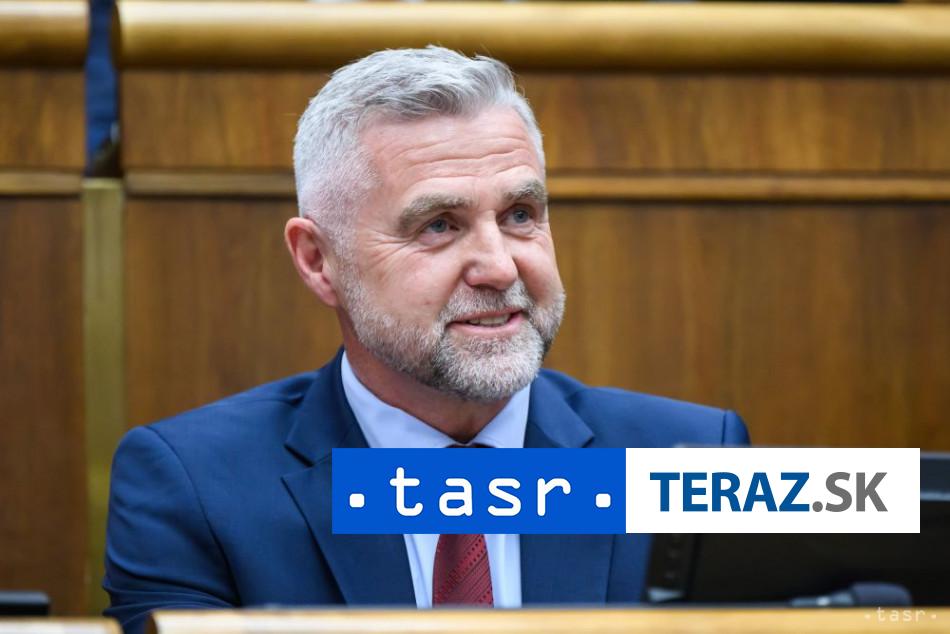
Critics are raising concerns about potential appointments to key law enforcement positions in Slovakia's government. Opposition voices are questioning whether Justice Minister Boris Susko should oversee the re-establishment of the Special Prosecutor's Office, and whether Interior Minister Matúš Šutaj Eštok should lead the National Criminal Agency. The debate also involves speculation about roles for former police officials Tibor Gašpar and Marek Para, as well as discussions about Dávid Lindtner's potential involvement in law enforcement leadership. The controversy centers on Slovakia's ongoing restructuring of its prosecutorial and criminal investigation agencies, with critics expressing doubts about the government's choices for these sensitive positions that handle major criminal cases and anti-corruption efforts.


|
Domestic Politics

Slovakia's Ombudsman Challenges Košice City Law at Constitutional Court

Róbert Dobrovodský, Slovakia's public defender of rights, will challenge the recently passed law on the city of Košice at the Constitutional Court. The ombudsman has informed both the National Council, Slovakia's parliament, and the president of his intention to contest the legislation. The ombudsman cited two main reasons for the legal challenge, though specific details of his objections were not immediately disclosed. The Constitutional Court serves as Slovakia's highest authority on constitutional matters and has the power to overturn laws that violate the country's constitution.

|
Domestic Politics

Constitutional Court Expert Criticizes Parliament Debate on Postal Voting Ban as Filled with False Claims

A constitutional law expert has strongly criticized the parliamentary debate over abolishing postal voting in Slovakia, describing it as being overwhelmed with lies, fabrications, and the criminalization of citizens. The expert suggested that Slovakia may eventually need a Constitutional Court ruling that finds a law unconstitutional not only on legal grounds, but also due to false and misleading information being presented in the law's explanatory materials and during parliamentary justification of the proposed legislation. The criticism comes as Slovakia's parliament debates eliminating postal voting, a method that allows citizens to cast ballots by mail rather than appearing in person at polling stations.

|
Domestic Politics

Gašpar's Regional Election Candidacy Depends on Agreement with Becík

The candidacy of a political figure named Gašpar in upcoming regional elections hinges on reaching an agreement with another politician, Becík. However, the primary focus remains on securing a unified coalition candidate for the race. The development suggests ongoing negotiations within Slovakia's political parties as they prepare their strategies for regional-level elections, though the specific details of the potential agreement and the timeline for these elections were not specified.

|
Domestic Politics

Ladislav Gála announces candidacy for mayor of Myjava

Ladislav Gála has announced his candidacy for mayor of Myjava, a town in western Slovakia. Gála stated that his primary objectives are to advance the city's development and halt the exodus of young people from the area. The announcement comes ahead of municipal elections, as local communities across Slovakia prepare to select new leadership for their towns and cities.

|
Domestic Politics

Slovak Financial Administration Shuts Down Secret Cigarette Factory in Operation Timer

Slovak authorities dismantled an illegal cigarette manufacturing operation that caused more than two million euros in state losses, resulting in the arrest of 20 people. The Financial Administration, Slovakia's tax collection agency responsible for combating tax evasion and smuggling, conducted Operation Timer which uncovered a clandestine factory producing untaxed cigarettes. During the raid, investigators seized sophisticated equipment including signal jammers and surveillance cameras, indicating the operation's extensive security measures to avoid detection. The illegal cigarette production represents a significant form of tax evasion that costs the Slovak state millions in lost tobacco tax revenue annually.

|
Domestic Politics

Slovak Parliament Deputy Chair Considers Run for Regional Governor

Erik Gašpar, deputy chairman of Slovakia's parliament, has not ruled out running for governor of the Nitra region. Gašpar, a member of the ruling Smer-SD party, explained that despite holding his current position in the National Council, Slovakia's parliament, it remains important to advance the social-democratic party's policies at the regional level through such candidacies. The statement suggests Smer-SD is considering strategic positioning in upcoming regional elections to strengthen its influence beyond the national government.

|
Domestic Politics

Opposition Calls for Government Intervention in Agriculture Sector

The Christian Democratic Movement (KDH), a center-right opposition party, has called on Prime Minister Robert Fico to intervene in Slovakia's agriculture sector. The party accused the government of arrogance and incompetence, claiming these failings are endangering the country's agricultural industry. KDH specifically urged Fico to take action regarding the agriculture ministry's handling of sector issues.

|
Domestic Politics

Sulík Leaves SaS Party, Plans to Run in Next Election with Bittó Cigániková

Richard Sulík has left SaS (Freedom and Solidarity), the liberal opposition party he founded and led for over a decade. Sulík announced he will run in the next parliamentary election alongside Jana Bittó Cigániková, a current SaS member of parliament. The pair are considering several options for their political future, including potentially joining Sme Rodina (We Are Family), the populist party led by Boris Kollár that is part of the current ruling coalition. Sulík's departure marks a significant shift in Slovakia's opposition landscape, as he has been a prominent figure in liberal politics since founding SaS in 2009 and serving as economy minister from 2010 to 2012.

|
Domestic Politics

Murder of Róbert Remiáš from 30 years ago remains unprosecuted

Slovak authorities have confirmed that the 30-year-old murder case of Róbert Remiáš has not reached the statute of limitations and remains open for prosecution. Remiáš was a friend and contact of Oskar Fegyver, a former member of the Slovak Information Service, the country's intelligence agency. The case dates back to the early 1990s during Slovakia's transition period following the fall of communism, when the country was establishing its new security and intelligence apparatus. The confirmation that the murder case remains legally viable suggests ongoing interest in resolving crimes from this turbulent period in Slovak history.

|
Domestic Politics

Former Slovak MP Ján Kerekréti Dies at Age 82

Former Slovak parliamentarian Ján Kerekréti has died at the age of 82. Kerekréti served as a member of the parliamentary group of OĽANO (Ordinary People and Independent Personalities), an anti-corruption political party that was part of the ruling coalition from 2020 to 2023. His death was announced by Hnutie Slovensko (Slovakia Movement), a political party led by Igor Matovič that emerged from a split within OĽANO in 2023.

|
Domestic Politics

Poll Shows Two-Thirds of Slovaks Want Fewer Parties in Parliament Amid Electoral Reform Debate

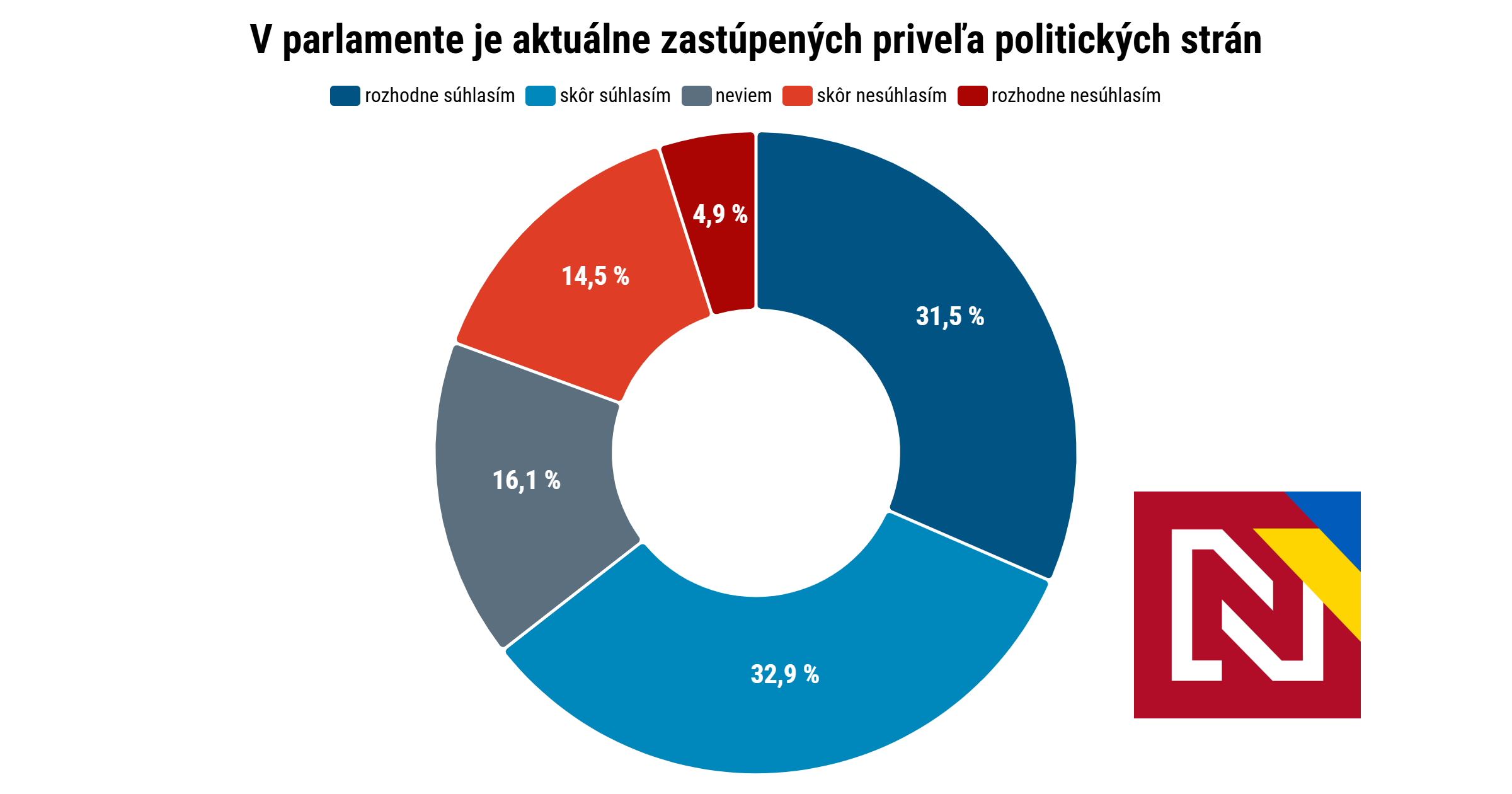
A new public opinion survey reveals that two-thirds of Slovakia's population believes there are too many political parties represented in parliament, as the country debates potential electoral reforms. The poll found that the most preferred electoral system would assign one parliamentary representative to each of Slovakia's districts, creating a more direct connection between voters and their elected officials. However, public opinion remains divided on eliminating postal voting from abroad, with only 40 percent of respondents supporting the measure. The survey comes amid broader discussions about reforming Slovakia's electoral system, with this year's Hungarian elections serving as a notable example of how electoral rules can significantly influence both election outcomes and the margin of victory for winning parties.

|
Domestic Politics

Slovakia Marks 30th Anniversary of Unsolved Car Bomb Murder That Symbolized Political Crisis

Slovakia marked the 30th anniversary of the car bomb assassination of Róbert Remiáš, killed on April 29, 1996, in what became a symbol of the country's turbulent 1990s. Remiáš served as a liaison for a key witness in the case involving the kidnapping abroad of the son of then-President Michal Kováč, a case that highlighted the political chaos of the era. The murder occurred during the height of what critics called "Mečiarism," referring to the authoritarian tendencies of Prime Minister Vladimír Mečiar, whose governments in the 1990s were marked by political instability, alleged connections to organized crime, and conflicts with democratic institutions. Investigators linked the assassination to both organized crime networks and the former head of the Slovak Intelligence Service (SIS), but despite the high-profile nature of the case, no one was ever prosecuted for the murder. The Remiáš assassination remains one of Slovakia's most notorious unsolved crimes from a period when the country struggled with the rule of law and democratic governance in its early years of independence.

|
Domestic Politics

Supreme Court to Review Case of Prime Minister Assassination Attempt

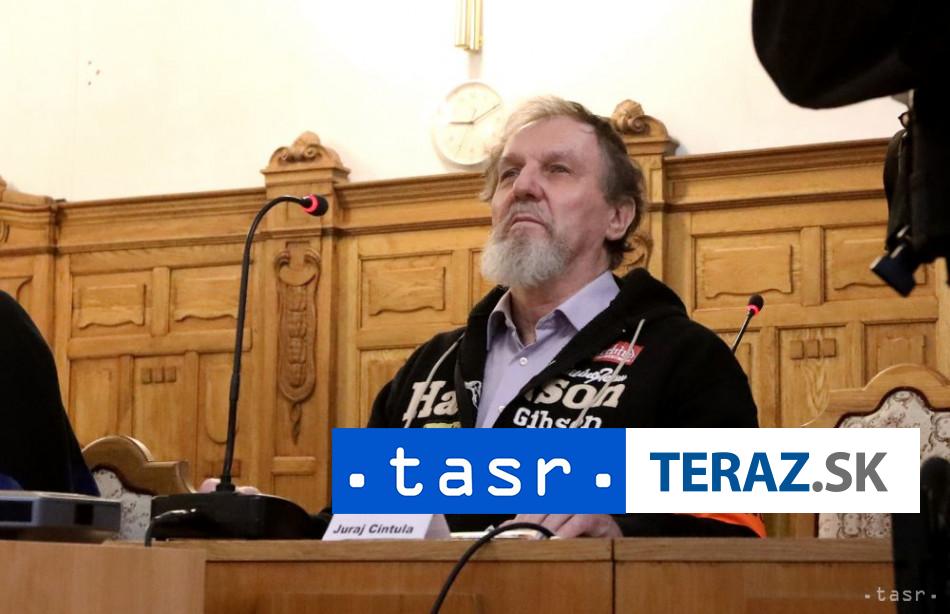
Slovakia's Supreme Court will examine the case of the assassination attempt on Prime Minister Robert Fico on Wednesday. The Supreme Court, the country's highest judicial authority, is reviewing the legal classification of charges against Juraj C., the alleged gunman. There was no doubt that Juraj C. committed the act, but the disputed issue concerns the proper legal qualification of his actions under Slovak law. The case stems from the May 2024 shooting of Fico in Handlová, which left the prime minister hospitalized with serious injuries and shocked the nation during a period of intense political polarization.

|
Domestic Politics

Hlas Party Records Zero Private Donations for First Time Since Formation

Hlas-SD, a ruling party in Slovakia's governing coalition, received no private donations in recent reporting periods, marking the first time since its formation that the party failed to attract individual financial contributions. The party had previously received over 400,000 euros in private donations during 2024, demonstrating a significant shift in its fundraising patterns. Hlas-SD, led by Deputy Prime Minister Peter Pellegrini, split from the social-democratic Smer party in 2020 and has been part of the current government coalition since elections in 2023. The absence of donations represents a notable change for a party that had previously attracted support from wealthy contributors, raising questions about its current appeal to private donors and potential implications for its political financing strategy.

|
Domestic Politics

Video Emerges Showing Slovak PM Fico Allegedly Deceiving His Own Voters

A video has surfaced that purportedly shows Slovak Prime Minister Robert Fico misleading his own supporters. The footage suggests Fico's political tactics continue to prove effective because the opposition has failed to convince key voter groups that they would govern more successfully than the current administration. Fico leads Smer-SD, Slovakia's ruling social-democratic party, which has dominated the country's political landscape for much of the past two decades despite facing numerous corruption scandals and political crises.

|
Domestic Politics

Slovak State Allows Remiáš Case to Die, Echoing Mečiar-Era Impunity

A significant criminal case known as Remiáš has been allowed to expire by Slovak authorities, reflecting a pattern of impunity that harks back to the era of former Prime Minister Vladimír Mečiar. The case's demise exemplifies Mečiar's infamous doctrine that "the deed did not happen" when authorities fail to pursue justice. Mečiar, who led Slovakia during much of the 1990s as head of the Movement for a Democratic Slovakia, was known for his authoritarian style and for allowing various scandals and criminal cases to go unpunished during his tenure. The Remiáš case's collapse represents a continuation of this approach to justice, where serious criminal matters are effectively buried through official inaction rather than being properly investigated and prosecuted.

|
Domestic Politics

Slovak Parliament Returns to Debate on Overseas Voting Changes

Slovak lawmakers resumed debate on proposed changes to overseas voting procedures as parliament neared the end of its session. The ruling coalition seeks to eliminate postal voting from abroad and require overseas voters to cast ballots at Slovak embassies and consulates instead. Opposition members warned the changes would restrict voting access for Slovak citizens living abroad and pointed to a petition signed by tens of thousands opposing the reforms. Approximately 15 speakers remain registered for the written debate portion of the proceedings. The voting reform proposal has sparked controversy over access to democratic participation for Slovakia's diaspora community. Currently, Slovak citizens residing overseas can vote by mail in parliamentary elections, but the government coalition argues this system should be changed to require in-person voting at diplomatic missions. Critics contend this would create significant barriers for voters in countries with limited Slovak diplomatic presence or those living far from embassies.

|
Domestic Politics

Slovakia's Chief Prosecutor Calls for End to Attacks Against Public Officials

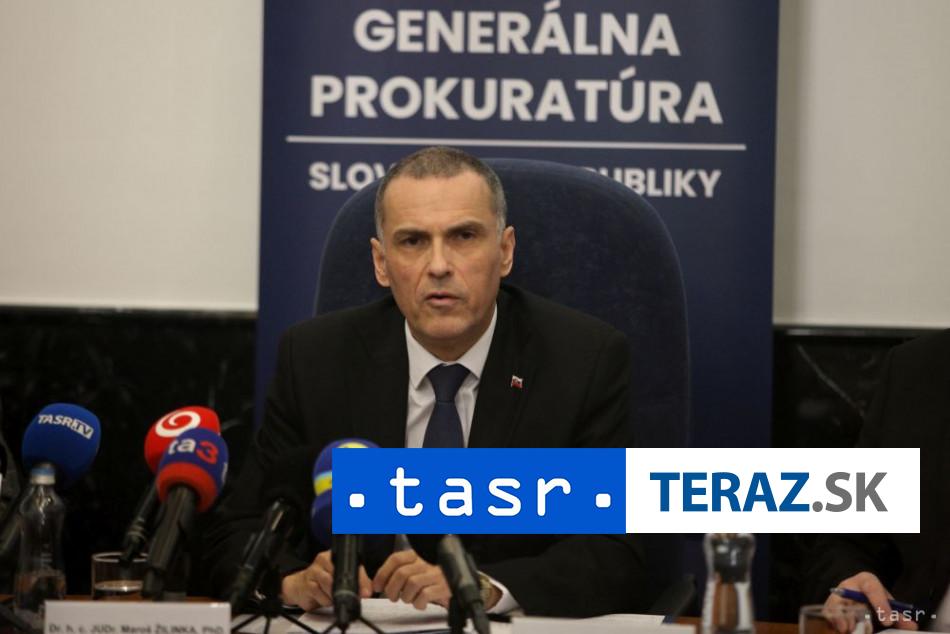
Slovakia's Prosecutor General Maroš Žilinka has called for an end to attacks against public officials, emphasizing that respect, decency and lawfulness must remain the foundation of discussion and expression of opinions. The chief prosecutor, who heads Slovakia's prosecution service and oversees major criminal investigations, issued the statement amid ongoing tensions in Slovak political discourse. Žilinka's appeal comes as Slovakia faces heightened political polarization, with public debate often becoming heated around controversial issues and government policies.

|
Domestic Politics

Kežmarok Residents Dismiss Mayor's Claims of Political Attack as Bar Brawl

Residents of Kežmarok are dismissing their mayor's claims that a recent assault against him was politically motivated, instead viewing it as a simple bar fight. Ján Ferenčák, who serves as both mayor of the eastern Slovak town and a member of parliament, was attacked at a sports event with a combat theme. On Sunday, Ferenčák alleged the incident was revenge orchestrated by Interior Minister Matúš Šutaj Eštok, who leads the Voice party, one of Slovakia's ruling coalition partners. Local residents interviewed said they believe Ferenčák brought the trouble on himself and reject his explanation of political retaliation. Ferenčák maintained his claims even after a three-hour police interrogation on Tuesday afternoon, but his constituents appear unconvinced by his version of events.

|