Dávka - Your daily dose of Slovak news
Last refreshed: 08/06/2026 10:36 · 59 articles added
Stories are refreshed at 05:30, 10:30, 15:30, and 21:30 UTC.

Domestic Politics

View all2265 stories
Domestic Politics

Slovakia's Supreme Court Upholds 21-Year Prison Sentence for Prime Minister's Attacker

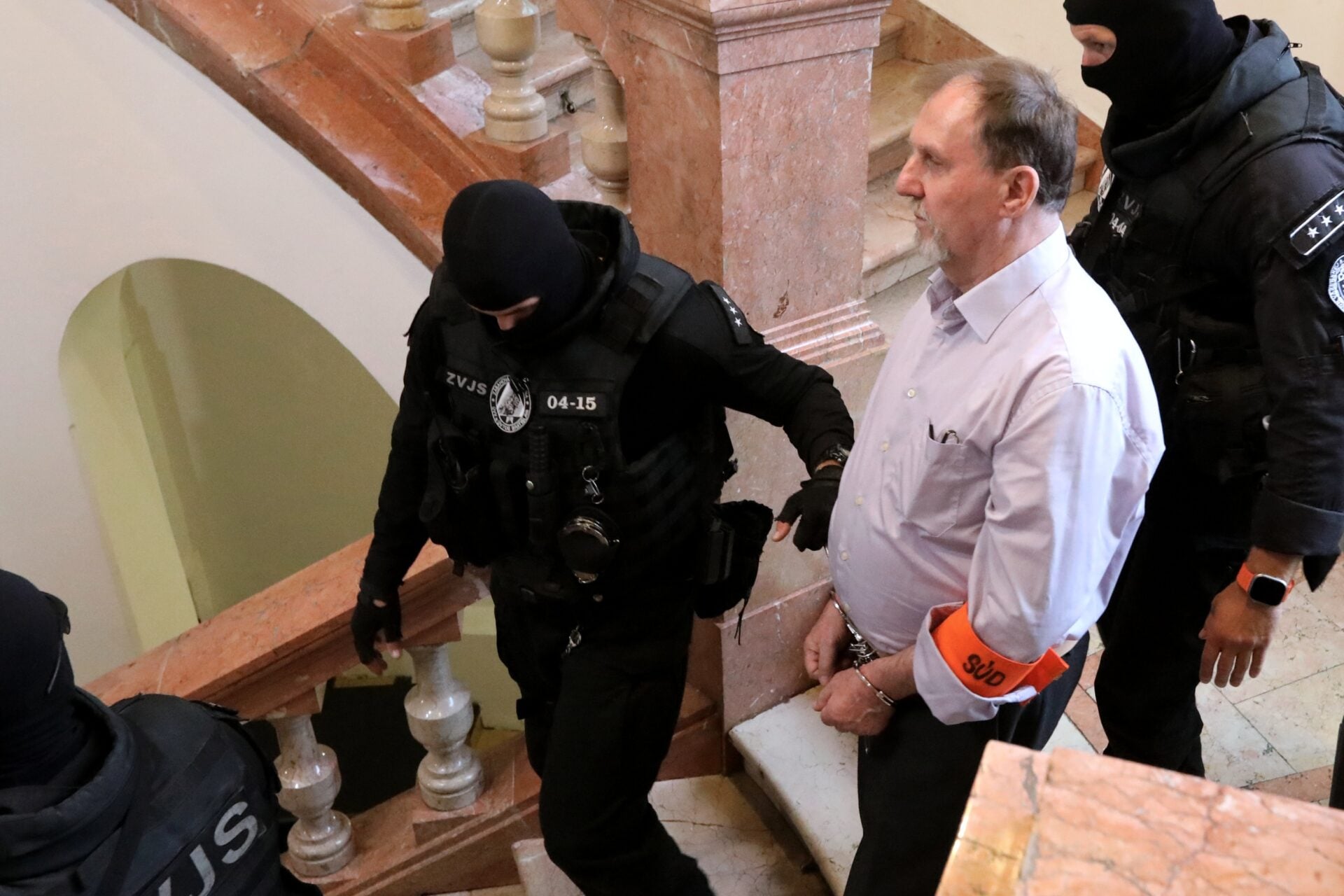
Slovakia's Supreme Court has upheld a 21-year prison sentence for Juraj Cintula, the 73-year-old man who attempted to assassinate Prime Minister Robert Fico in May 2024. The court, led by Chief Justice Peter Kaňa, rejected Cintula's appeal on Wednesday and confirmed the lower court's verdict for the particularly serious crime of terrorist attack. The ruling brings final closure to the case that shocked Slovakia when Cintula shot the prime minister in what prosecutors classified as a terrorist attack. Fico, who leads the ruling Smer-SD party, survived the assassination attempt but required extensive medical treatment. The Supreme Court's decision represents the final legal resolution of a case that highlighted political tensions in Slovakia. The 21-year sentence reflects the severity with which Slovak courts treat attacks on senior government officials, particularly when classified under anti-terrorism legislation.

|
Domestic Politics

Slovakia's President Appoints New Armed Forces Chief of Staff

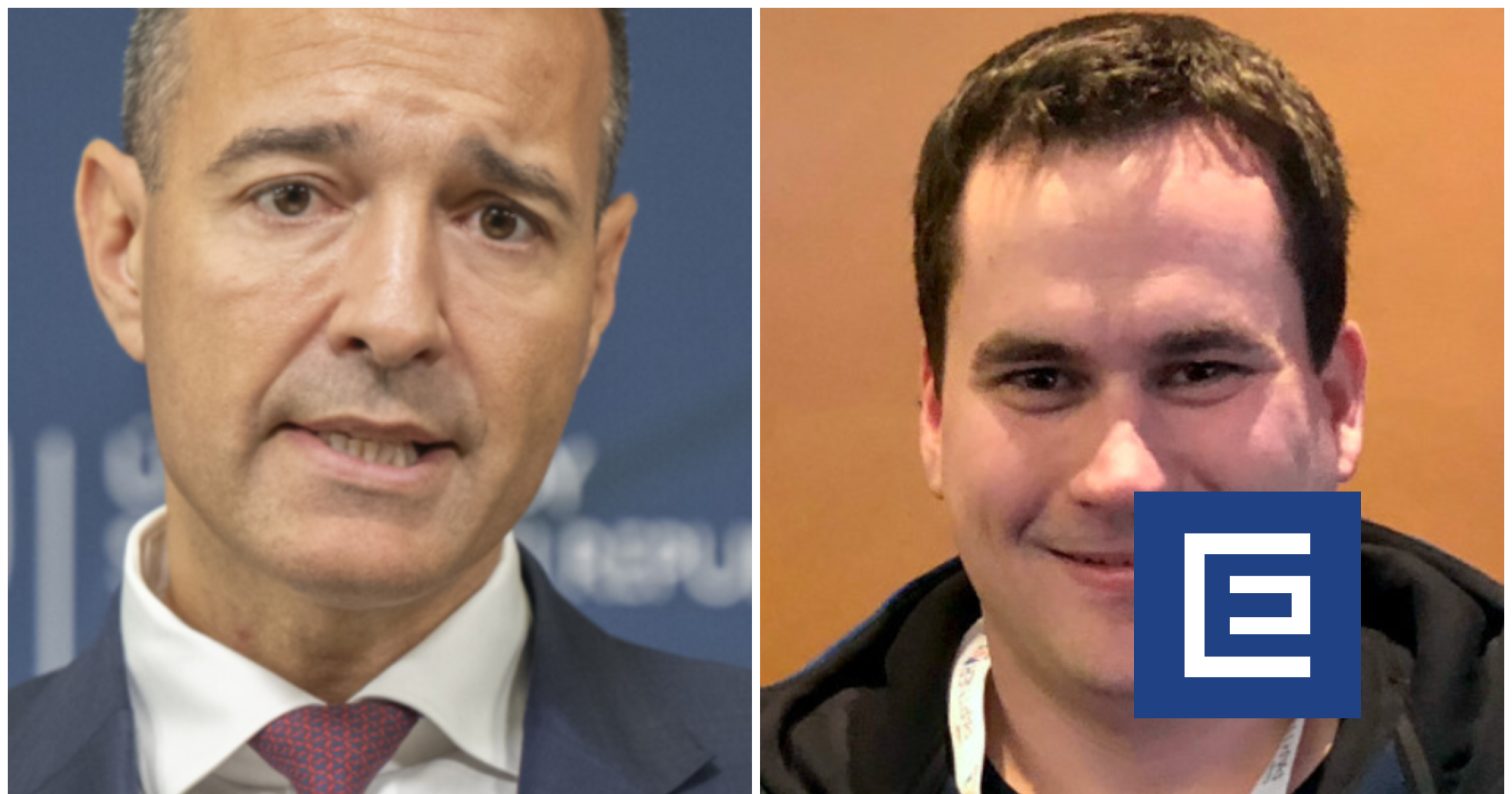
President Peter Pellegrini appointed Miroslav Lorinc as the new Chief of the General Staff of the Slovak Armed Forces, replacing Daniel Zmeko in the country's top military position. The government approved Lorinc's nomination on April 22, paving the way for the presidential appointment ceremony. The new military chief stated his intention to maintain continuity while strengthening Slovakia's defense capabilities. During the appointment ceremony, President Pellegrini thanked outgoing Chief of Staff Zmeko for his service and wished success to his successor in leading the country's armed forces.

|
Domestic Politics

Trnava Mayor Peter Bročka Announces He Will Not Seek Re-election

Peter Bročka, the mayor of Trnava, officially announced he will not seek re-election in the upcoming local elections. Bročka made the announcement through an official statement, ending speculation about his political future in Slovakia's third-largest city. Several candidates have already entered the race to replace him, including Branislav Baroš, who is supported by the Christian Democratic Movement (KDH) and the local movement Trnava for Everyone, and Ľubica Horvátová, who has backing from the opposition Democrats party. The announcement sets up a competitive contest for leadership of the historic city, which serves as an important regional center in western Slovakia.

|
Domestic Politics

Slovak police break up major drug network, arrest 12 in Operation Medellin

Slovak police dismantled an extensive drug trafficking network in Operation Medellin, arresting 12 people and charging eight with organized crime. Among those charged is a previously convicted member of the notorious Twins gang from Púchov. The operation represents a significant blow to organized drug trafficking in Slovakia, targeting what authorities describe as a large-scale criminal network. The Twins gang has been linked to various criminal activities in the region, making this arrest particularly significant for law enforcement efforts against organized crime.

|
Domestic Politics

Slovak Politician Andrej Danko Campaigns Against Insects in Food Despite Minimal Threat

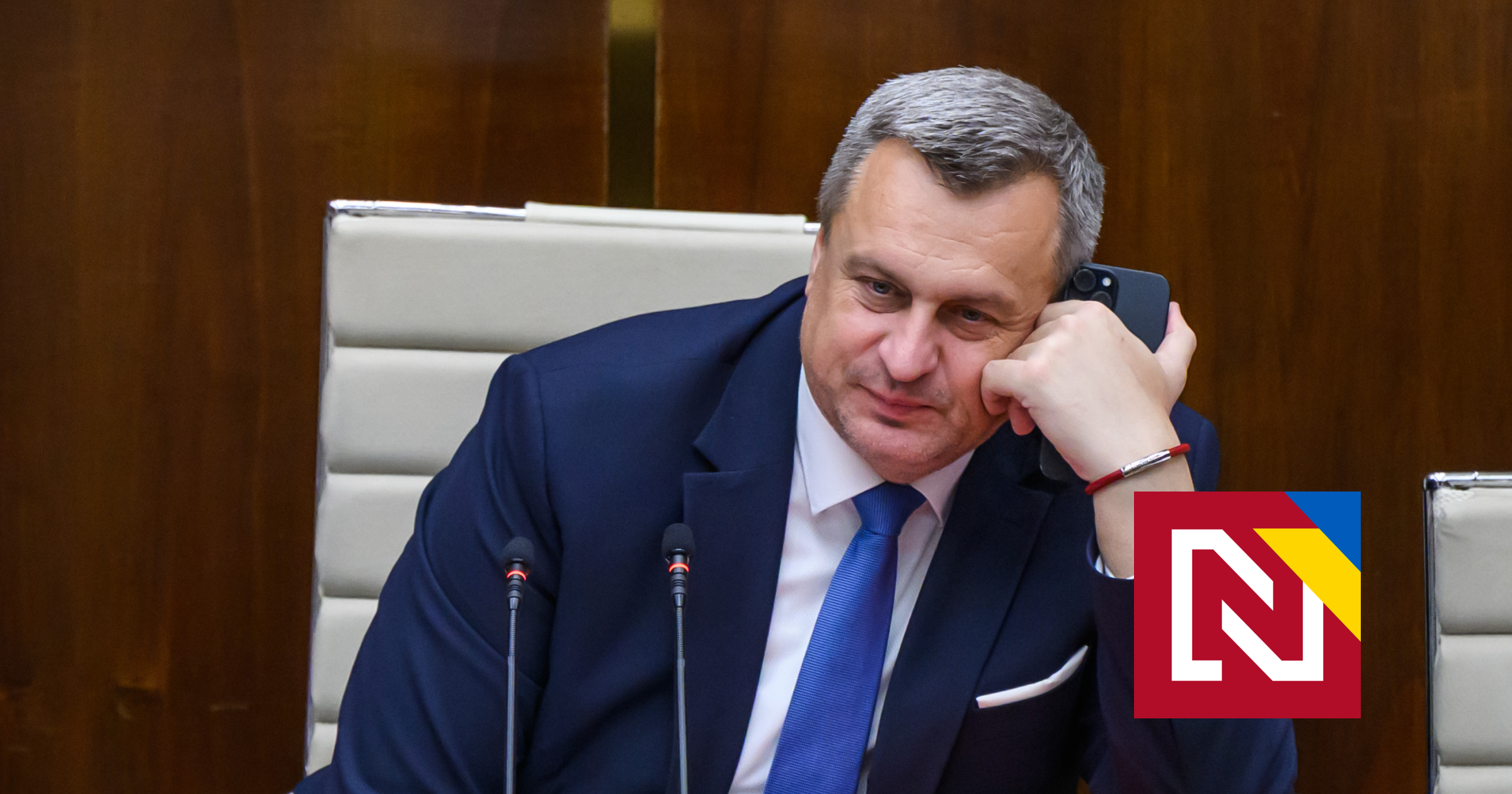
Andrej Danko, leader of the Slovak National Party and current speaker of Slovakia's parliament, has launched a campaign against insects in food products, despite experts saying this represents no significant threat to Slovak consumers. The campaign appears designed to capitalize on public disgust and fear around the issue. Danko's initiative follows a pattern of politicians highlighting non-existent or minimal threats to gain political support, according to critics who describe this as the latest in a series of such manufactured controversies.

|
Domestic Politics

Former Mayor of Ďurďoš Convicted of Corruption, Receives Suspended Sentence

A Slovak court convicted a former mayor of Ďurďoš of corruption and sentenced him to a suspended prison term along with a 20,000-euro fine. The ex-mayor was found guilty of accepting a 90,000-euro bribe in exchange for facilitating the allocation of land parcels for residential construction. The case represents part of Slovakia's ongoing efforts to prosecute corruption at the municipal level, where local officials have significant influence over land development and construction permits.

|
Domestic Politics

Slovakia's Mail Ballot Ban Will Affect Truck Drivers, Caregivers and Hospital Patients

Slovakia's ban on postal voting will impact tens of thousands of people who actually live in the country but cannot vote in person, according to Samuel Zubo, head of the Srdcom doma (Heart at Home) association. The restriction will affect truck drivers, caregivers working abroad, pensioners in hospitals, and people on vacation during elections. Zubo argues that Slovaks living abroad are seen as dangerous by the government because they have experienced better-functioning systems elsewhere and can compare them to Slovakia. He describes the ruling party's justification as childish and warns that international observers might refuse to recognize Slovak elections as legitimate, similar to recent elections in Venezuela. Smer-SD, the ruling social-democratic party, has implemented the postal voting ban as part of broader restrictions on voting access for citizens abroad.

|
Domestic Politics

Businessman Blocked from State Innovation Grants Returns with Million-Euro Support Under New Minister

Businessman Matej Michalko, whose cybersecurity projects were excluded from controversial state innovation grants, has received new funding worth over five million euros from two companies under the current administration. Michalko's projects, which include cybersecurity for the state and space communication systems, were initially rejected from innovation programs that led to the resignation of Deputy Prime Minister Peter Kmec from the Hlas party last year. The Kmec scandal involved questionable selection processes for state innovation grants that sparked political controversy and forced the deputy prime minister to leave government. Despite being considered one of the riskiest projects in those problematic tender processes, Michalko's companies have now secured substantial state contracts and subsidies under the oversight of current officials. The case highlights ongoing concerns about transparency in Slovakia's distribution of state innovation funding and the selection criteria used to award public money to private technology projects.

|
Domestic Politics

Slovak Court Acquits Two of Three Defendants in Syseľ Corruption Case

A Slovak court has acquitted two of three defendants in the Syseľ corruption case, convicting only former Member of Parliament Alexej Ivanko, who received a financial penalty. The Syseľ case is one of several high-profile corruption investigations that have targeted Slovak politicians and public officials in recent years. Ivanko, who previously served in the National Council, Slovakia's parliament, was found guilty on charges related to the corruption scheme, though details of the specific violations were not disclosed. The acquittal of the other two defendants suggests prosecutors were unable to prove their involvement in the alleged corrupt activities beyond reasonable doubt.

|
Domestic Politics

SaS Founder Richard Sulík Plans Political Return That Could Threaten Current Party Leadership

Richard Sulík, the founder of the liberal Freedom and Solidarity (SaS) party, is preparing a political comeback that could damage the party he created. Since Sulík's departure from SaS leadership, current party chairman Branislav Gröhling has successfully maintained party unity and improved its polling numbers. However, Sulík's planned return to active politics poses a potential threat to SaS's voter base and could undermine Gröhling's leadership gains. SaS is a liberal opposition party that has been part of Slovakia's political landscape since 2009, when Sulík founded it as an anti-corruption, pro-business alternative. The internal tension highlights the challenges facing political parties when their founders remain active in politics after stepping down from leadership roles.

|
Domestic Politics

Slovakia Ranks 37th in Global Press Freedom Index as Political Pressures on Media Persist

Slovakia placed 37th in the latest World Press Freedom Index published by Reporters Without Borders (RSF), improving by one position from the previous year. The ranking places Slovakia behind countries including Namibia and Jamaica in terms of media freedom. Despite the marginal improvement, the RSF analysis highlights Slovakia's long-term decline in press freedom and ongoing political pressures faced by journalists. The report suggests that courts and journalists themselves are currently the primary forces protecting media freedom in the country, indicating institutional challenges to press independence.

|
Domestic Politics

Hungarian Alliance Excludes Smer and Republic Parties from Coalition Talks

The Hungarian Alliance has excluded Smer-SD and the Republic party from potential coalition discussions, according to party chairman Krisztián Forró. The Alliance leader stated that excluding these parties does not automatically mean his party will align with the opposition, suggesting the Alliance is maintaining flexibility in its political positioning. Forró expressed concerns that other parties may be attempting to exploit ethnic divisions, saying he feels "they want to play the Hungarian card." The Hungarian Alliance represents Slovakia's ethnic Hungarian minority and has historically played a pivotal role in coalition negotiations due to its position as a swing party that can work with both center-left and center-right formations.

|
Domestic Politics

Slovak Prime Minister Fico Under Scrutiny as European Funds at Risk

Slovak Prime Minister Robert Fico faces mounting challenges as investigations into his administration may have uncovered more damaging information than initially expected. The prime minister's actions are now threatening Slovakia's access to European Union funding, raising concerns about the country's financial relationship with Brussels. Meanwhile, the potential return of Richard Sulík, leader of the liberal opposition party Freedom and Solidarity (SaS), appears to pose additional political pressure on Education Minister Branislav Gröhling, who also belongs to a liberal opposition party. These developments highlight growing instability within Slovak politics as Fico's government, led by the populist Smer-SD party, grapples with both domestic opposition and international complications related to EU fund management.

|
Domestic Politics

Slovak Parliament Ends Session with Debate on Salary Freeze

The National Council, Slovakia's parliament, concluded its session with a debate on proposals to freeze salaries. Members of parliament discussed the various proposals in a joint debate format, though no details were provided about the specific salary freeze measures under consideration or their outcomes.

|
Domestic Politics

Former Slovak Mayor Convicted of Bitcoin Corruption Scheme Had Run for Reelection

A former mayor of a small village in eastern Slovakia was convicted of corruption on Wednesday for soliciting bitcoin payments and accepting tens of thousands of euros in bribes. The court found the ex-mayor guilty of the corruption charges, though the verdict is not yet final and can still be appealed. Despite facing the criminal proceedings, the former official had run as a candidate in recent local elections, highlighting ongoing concerns about accountability in Slovak municipal politics.

|
Domestic Politics

Regional Government Faces Higher Legal Costs Than Expected Tender Penalty

A Slovak regional government has spent thousands of euros on legal fees defending a flawed tender process, potentially exceeding the cost of the original penalty it sought to avoid. The Košice Self-Governing Region hired lawyers to challenge sanctions imposed over a poorly managed public procurement, but the legal expenses may ultimately prove more expensive than simply accepting the initial fine. The final financial loss from the legal strategy could be even higher than currently calculated, raising questions about the cost-effectiveness of the region's approach to handling procurement violations.

|
Domestic Politics

Progressive Slovakia Leader Šimečka to Remain in Position Despite Party Funding Controversy

Michal Šimečka, leader of Progressive Slovakia, announced he will not resign from his position amid a controversy involving his party's funding practices. The dispute centers on payments made to a non-governmental organization led by Šimečka's mother, with critics suggesting potential conflicts of interest. Šimečka's mother has agreed to accept responsibility for her role as the organization's statutory representative in the matter. Deputy Prime Minister Peter Gašpar commented on the situation, describing it as an attempt to shift blame onto others. Progressive Slovakia is a liberal opposition party that has been critical of the current government led by Robert Fico's Smer-SD party.

|
Domestic Politics

Slovak Court Rules Assassination Attempt on Prime Minister Was Premeditated Murder Plot

A Slovak court has ruled that the May 2024 shooting of Prime Minister Robert Fico constituted a premeditated assassination attempt. The court determined that gunman Juraj Cintula had planned to murder the prime minister, closing the high-profile case that shocked the country. However, the ruling also indicated that Fico, who leads the ruling Smer-SD party, had made false statements about one aspect of the incident. The assassination attempt occurred in May when Cintula shot Fico multiple times outside a government meeting in the town of Handlová, seriously wounding the prime minister and forcing him to undergo emergency surgery. The attack marked one of the most serious incidents of political violence in Slovakia's recent history and raised concerns about the country's polarized political climate.

|
Domestic Politics

Intelligence Chief Accuses Former PM Ódor of Spreading False Migrant Information

Pavol Gašpar, head of Slovakia's intelligence service SIS, accused former interim Prime Minister Ľudovít Ódor of lying about migrant data following a parliamentary committee meeting. Gašpar claimed that SIS never provided Ódor with the type of information about migrant transportation that the former premier had publicly presented. The dispute centers on statements Ódor made regarding the handling of migrants during his brief tenure as interim prime minister in 2023, when he led a technocratic government between the fall of Igor Matovič's administration and Robert Fico's return to power. Opposition members unsuccessfully requested to hear testimony from additional officials during the committee session, suggesting ongoing political tensions over the migrant issue and intelligence matters.

|
Domestic Politics

Slovakia's Ruling Coalition Faces Key Decision on New Intelligence Chief

Slovakia's ruling coalition has yet to reach agreement on who will lead the National Security Bureau (NBÚ), the country's domestic intelligence agency, with current director Michal Konečný's mandate expiring in less than a month. The National Security Bureau serves as Slovakia's primary domestic intelligence service, responsible for counterintelligence and national security matters. The selection of a new intelligence chief represents a significant decision for the coalition government, as the position oversees sensitive national security operations and requires parliamentary approval.

|