Dávka - Your daily dose of Slovak news
Last refreshed: 08/06/2026 05:40 · 33 articles added
Stories are refreshed at 05:30, 10:30, 15:30, and 21:30 UTC.

Society

View all1932 stories
Society

Food safety inspectors find violations in 188 out of 3,437 March inspections

Slovak food safety inspectors discovered violations in 188 out of 3,437 food control inspections conducted during March, according to official data. The most frequent violations involved poor operational hygiene and the sale of products past their expiration dates. The inspection rate of approximately 5.5 percent indicates ongoing challenges in food safety compliance across Slovakia's retail and food service sectors, with hygiene standards and proper date management remaining key areas of concern for regulators.

|

Society

Slovakia marks 40 years since Chernobyl disaster with revelations about limited health impact

Forty years after the Chernobyl nuclear disaster, Slovak health officials have revealed that radiation levels on Slovak territory remained well below the threshold that could cause immediate harm to human health. Only 2,341 agricultural workers received iodine tablets as a precautionary measure during the crisis. The Chernobyl nuclear power plant in Ukraine exploded on April 26, 1986, releasing radioactive material across much of Europe and forcing mass evacuations in the immediate vicinity of the plant. While the disaster caused widespread fear across Central Europe, experts now say the psychological and social damage in Czechoslovakia far exceeded the actual health risks from radiation exposure.

|
Society

How Slovakia Learned of the Chernobyl Disaster: Initial Downplaying Followed by Western Blame

Slovak media coverage of the 1986 Chernobyl nuclear disaster initially minimized the severity of the accident before shifting to attacks against Western countries, according to a retrospective analysis. Austrian television station ORF broke the news on April 29, 1986, with anchor Günter Schmidt informing viewers that a nuclear reactor accident had occurred near Kyiv, Ukraine, approximately 1,000 kilometers northeast of Vienna. The Austrian broadcaster dedicated a 10-minute segment to the story, acknowledging that the full scope of the catastrophe remained unknown. The retrospective examination reveals how Communist-era Czechoslovakia, of which Slovakia was then part, handled the information flow about one of history's worst nuclear accidents. The initial coverage pattern of brief mentions followed by propaganda responses reflected the broader information control practices of Soviet bloc countries during the Cold War period.

|
Society

Tourism Tips Aim to Keep Children Happy During Family Trips

Travel experts have outlined several guidelines for parents planning tourist excursions with children to prevent mood problems and ensure enjoyable family outings. The recommendations focus on maintaining children's positive attitudes during trips and avoiding situations that could lead to difficult behavior or dissatisfaction while traveling.

|
Society

Slovak Gynecologist Explains Why Women Gain Weight Around Waist During Menopause

A Slovak gynecologist has explained why women often develop abdominal weight gain during menopause, even when they don't consume alcohol. Dr. Michala Adamec clarified that while the physical effect may resemble a "beer belly," the underlying causes are entirely different. The weight gain around the midsection during menopause is caused by hormonal changes, specifically declining estrogen levels, rather than alcohol consumption. This hormonal shift affects how the body stores fat, leading to increased accumulation around the waist area even in women who maintain their previous lifestyle habits.

|
Society

Menopause Weight Gain Explained: Hormonal Changes, Not Alcohol, Cause Belly Fat

A Slovak gynecologist has explained why women often experience abdominal weight gain during menopause, even when they don't consume alcohol. Dr. Michala Adamec clarified that while the visual effect may resemble a "beer belly," the underlying causes are completely different. During menopause, hormonal changes—particularly declining estrogen levels—are responsible for the redistribution of fat to the abdominal area, rather than alcohol consumption. This hormonal shift represents a natural part of the aging process for women, leading to changes in how the body stores fat even in those who maintain healthy lifestyles without alcohol.

|
Society

Swimming Coach Warns Against Common Pool Mistakes That Harm Health Instead of Helping

Swimming coach Putala has highlighted common mistakes that office workers make when trying to find relief from back pain through swimming. Instead of helping their condition, many swimmers actually worsen their problems by keeping their heads rigidly above water to avoid getting their glasses or hair wet, which creates an unnatural backward bend in the cervical spine. The coach also advised against wearing loose shorts that create drag and warned that pool watches can provide inaccurate readings, while reassuring swimmers not to worry about mold exposure. These tips aim to help recreational swimmers maximize the health benefits of their pool sessions rather than inadvertently causing additional strain to their bodies.

|
Society

Women's Running Club Sought to Escape Male Attention but Achieved Opposite Effect

A women's running club that was originally created to provide a space away from male attention has paradoxically ended up attracting more male notice than intended. The club's attempt to create a male-free environment for female runners has backfired, generating the very attention its members sought to avoid. The development highlights the challenges women face in creating exclusive spaces for sports and fitness activities.

|
Society

Visual Advertising Pollution Grows in Slovak City as Boxes Form Clusters and Obstacles

A Slovak city is grappling with increasing visual pollution from advertising displays, with some areas seeing advertising boxes forming clusters and creating physical obstacles. The city's regulation addressing this issue is now under review by prosecutors, though the specific legal concerns were not detailed. The proliferation of advertising infrastructure appears to be creating both aesthetic and practical problems in urban areas, prompting official intervention.

|
Society

85 Percent of Primary School Applications Submitted Electronically in Slovakia

Slovakia's Education Ministry reported that 85 percent of applications for primary school enrollment were submitted electronically during the current application period. Approximately 9,000 families chose to submit their applications using traditional paper forms instead of the digital system. The ministry highlighted several advantages of the electronic application process through the ePrihlášky portal, which has become the dominant method for school enrollment in the country.

|
Society

Former Tennis Star Cibulková Accused of Illegal Vodka Advertisement

Former professional tennis player Dominika Cibulková has violated advertising laws by promoting vodka as a "fit drink," according to a lawyer's complaint. The controversy centers on Cibulková's marketing of an alcoholic beverage using health-oriented language that allegedly misleads consumers about the product's nature. A medical doctor has also criticized the advertisement, arguing that such promotional tactics pose health risks to the general population by potentially misrepresenting alcohol as a fitness or health product. Slovakia has strict regulations governing alcohol advertising, particularly regarding claims that could suggest health benefits or target inappropriate audiences.

|
Society

Slovak Mother Describes Mental Health Crisis While Caring for Children with Disabilities

Eva Pálková, a Slovak mother raising three children including some with special needs, has shared her experience of severe mental health struggles while providing care at home. Pálková described hiding in a pantry during what felt like an avalanche of overwhelming pressure, explaining that she once believed herself physically and mentally resilient with an adventurous spirit. She noted the irony that her greatest challenge came not from extreme outdoor conditions she had imagined testing herself against, but within the confines of her own home. The case highlights the intense psychological pressures faced by parents caring for children with disabilities, who often sacrifice their own wellbeing while providing round-the-clock support. Pálková's testimony draws attention to the need for better support systems for families dealing with special needs care, as parents in such situations face heightened risks of burnout and mental health crises without adequate community and institutional backing.

|
Society

New Platform Launches in Central Slovakia to Address Aging Population Challenge

A Knowledge Platform for the Silver Economy has been established in the Banská Bystrica region to transform the challenge of population aging into a development opportunity. The platform will focus on knowledge sharing, developing and testing innovations directly in the field with seniors. Slovakia, like many European countries, faces significant demographic challenges as its population ages, requiring new approaches to maintain economic growth and social services. The initiative represents an effort to harness the economic potential of the aging population through targeted programs and innovation in sectors serving older adults.

|
Society

Slovakia's Education Ministry Launches Mental Health Week Activities for Schools

Slovakia's Ministry of Education has prepared activities for schools to participate in Mental Health Week. Educational institutions can choose their level of involvement, from implementing a single activity to organizing multiple events throughout the entire week. The ministry is allowing schools flexibility to participate according to their capacity and preferences.

|
Society

Health Minister Awards 16 Healthcare Workers for Outstanding Service

Slovakia's Health Minister presented awards to 16 healthcare workers in recognition of their outstanding contributions to the healthcare system. Among those honored were Slavomír Gruška, director of the Emergency Medical Service in Bratislava, and Marek Madro, a psychologist who heads the civic association IPčko. The awards recognize exceptional service and dedication in various areas of healthcare delivery across Slovakia.

|
Society

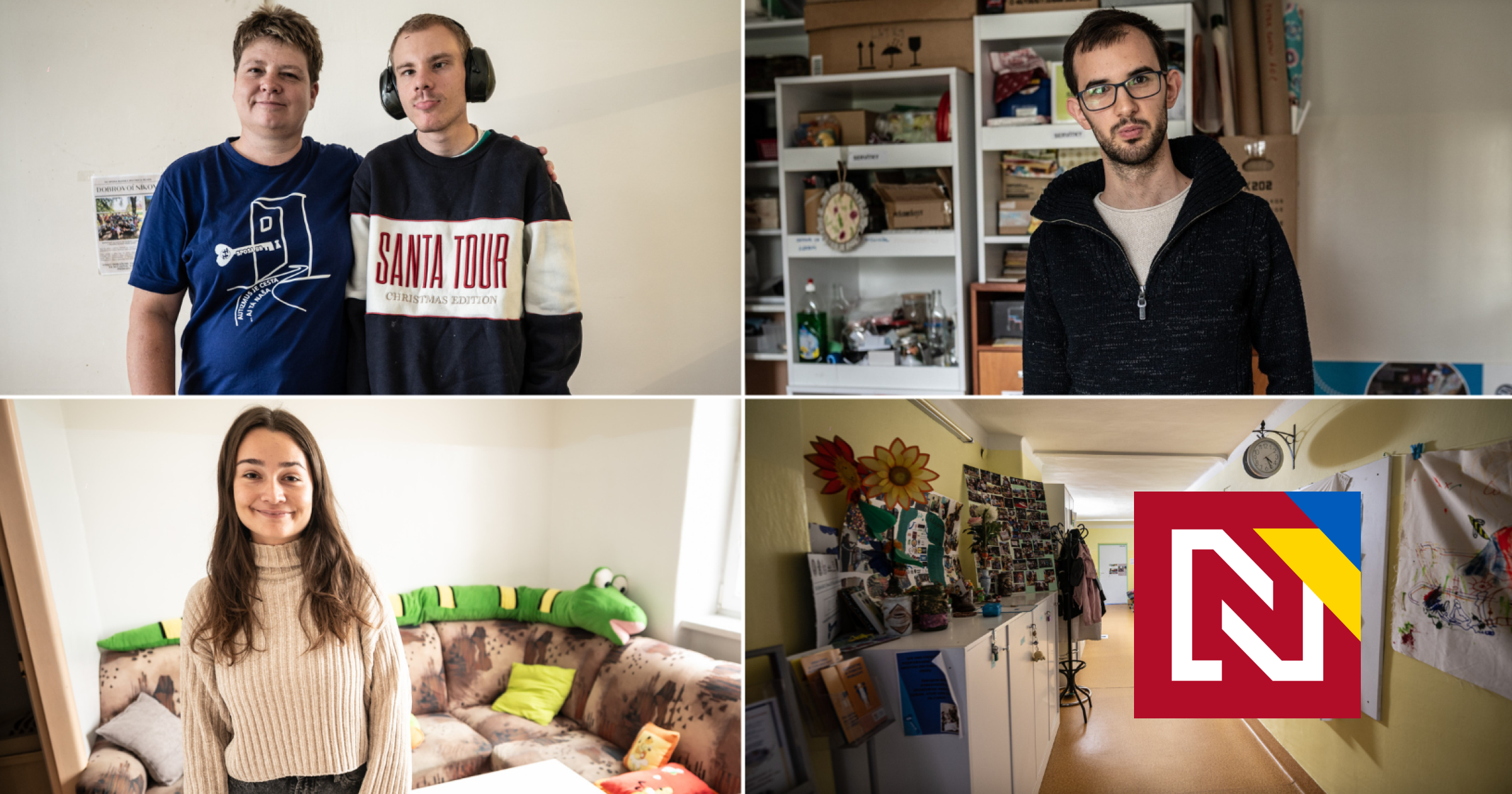
Banská Bystrica Shows How to Work with People on the Autism Spectrum

A social club in Banská Bystrica is demonstrating effective approaches to working with people on the autism spectrum, emphasizing patience and persistence as key elements. The program provides regular meetups for individuals with autism, offering a model for community-based support services. Banská Bystrica, a city in central Slovakia, has developed this initiative as part of broader efforts to improve social services for people with developmental disabilities. Such programs remain relatively uncommon in Slovakia, where advocacy groups have long called for better support systems for individuals with autism and their families.

|
Society

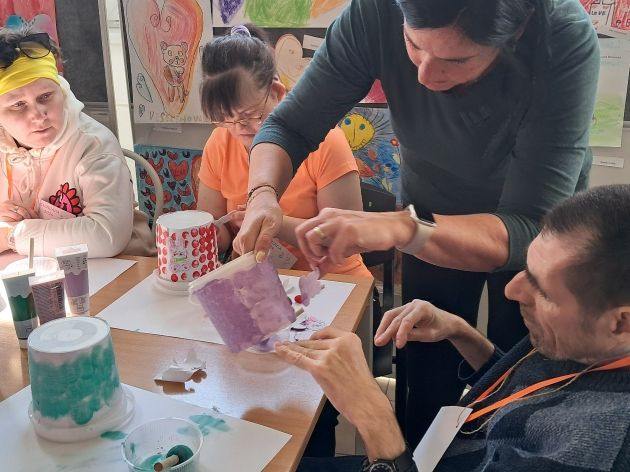
Creative Workshop Day Brings Joy and Activities to Bratislava Regional Social Care Facility

The Rosa social services facility in the Bratislava region organized a creative workshop day called "Tvoriády," featuring various artistic and craft activities for residents. Participants engaged in painting, crafting, and other creative techniques during the event, which aimed to provide enjoyable shared experiences and foster creativity among those using the facility's services.

|
Society

April Dance Event Brings Joy and Music to Rosa Social Services Facility

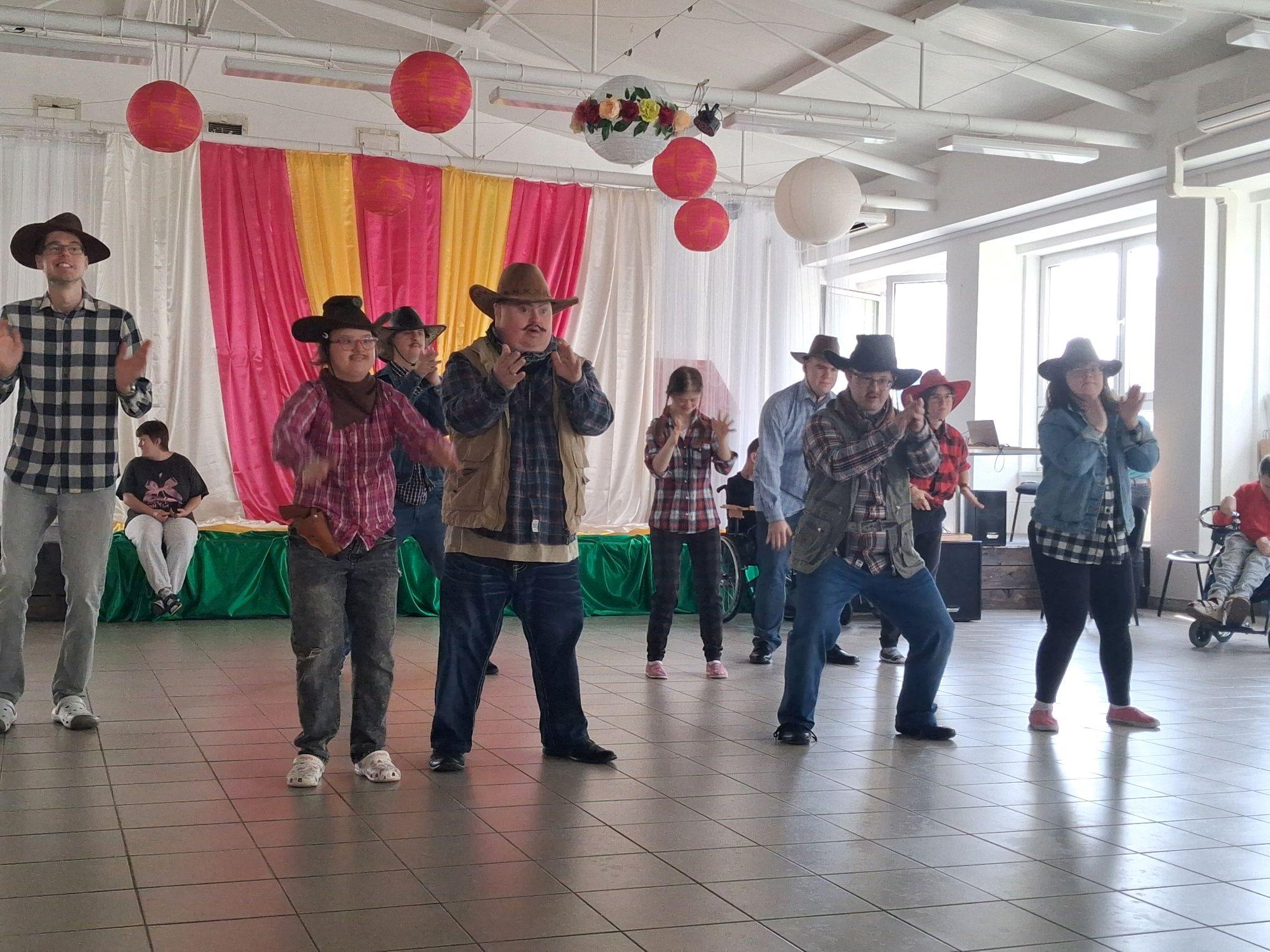
The Rosa social services facility in Bratislava region held its April dance event, creating an atmosphere filled with music, movement and good cheer. The celebration brought smiles, joy and entertainment to clients of the facility, fostering new friendships through shared activities. The event represents part of ongoing social programming designed to enhance the quality of life for residents at the care facility.

|
Society

Rare Disease Patient Faces 60,000 Euro Annual Treatment Cost

A Slovak patient with an incurable medical condition requires expensive medication costing over 60,000 euros per treatment, which must be administered three times yearly to maintain quality of life. Natália Turčinová has spoken publicly about living with her rare disease diagnosis and the financial challenges associated with accessing necessary treatment. The case highlights the burden that patients with rare diseases face in accessing expensive specialized medications that are essential for managing their conditions.

|
Society

Interior Ministry Opens Modern Client Center in Liptovský Mikuláš

The Interior Ministry has opened a new client center at the District Office in Liptovský Mikuláš, a town in northern Slovakia. The modern facility features a calling system and digital document services, allowing residents to handle key administrative matters in one location. The center represents part of Slovakia's ongoing efforts to modernize public services and improve citizen access to government administration at the local level.

|