Dávka - Your daily dose of Slovak news
Last refreshed: 06/06/2026 15:39 · 51 articles added
Stories are refreshed at 05:30, 10:30, 15:30, and 21:30 UTC.

Science & Tech

View all463 stories
Science & Tech

Environmental group warns lynx population disappearing from Malá Fatra mountains

Environmental initiative My sme les (We Are Forest) has issued a warning about the disappearance of lynx from the Malá Fatra mountain range in northern Slovakia. The group, which monitors wildlife populations in Slovak forests, also expressed concern about increased bear movement during winter months in areas where supplemental feeding takes place. The Malá Fatra National Park, established in 1988, is one of Slovakia's nine national parks and serves as an important habitat for large carnivores including lynx, bears, and wolves. The potential loss of lynx from this protected area would represent a significant blow to Slovakia's biodiversity conservation efforts.

|
Science & Tech

Artemis 2 Mission Astronauts Reach Halfway Point to Moon

The Artemis 2 spacecraft Orion has reached the halfway point of its journey to the Moon, currently traveling more than 219,000 kilometers from Earth. The NASA mission represents a significant milestone in the agency's program to return humans to lunar orbit for the first time since the Apollo era. The Artemis 2 mission is part of NASA's broader Artemis program, which aims to establish a sustainable human presence on and around the Moon as a stepping stone for future Mars exploration.

|
Science & Tech

Artemis Mission Crew Tests Medical Procedures and Communications on Third Day of Moon Journey

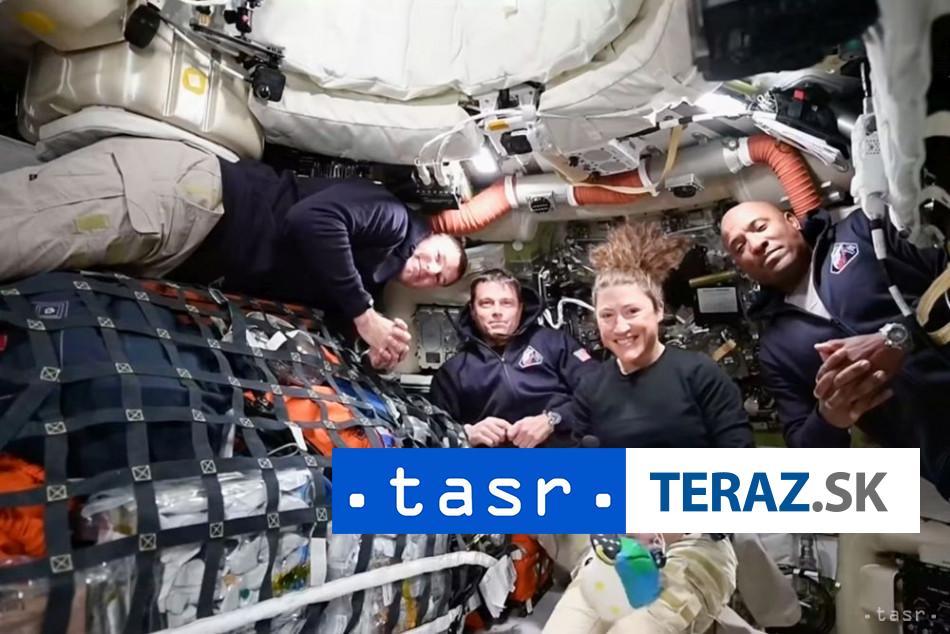
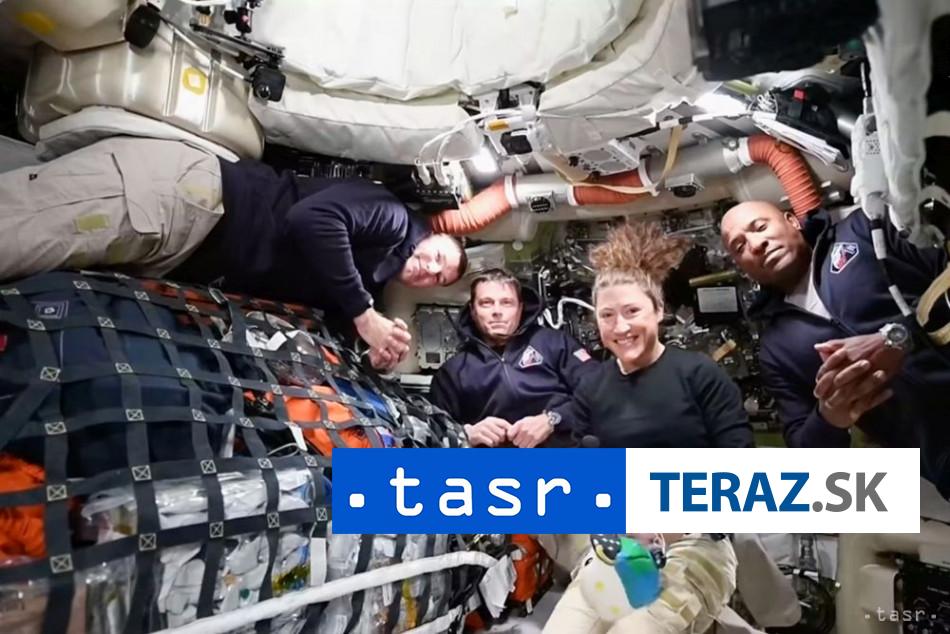
Astronauts aboard the Artemis mission practiced cardiac resuscitation procedures on their third day of flight to the Moon. The crew also conducted tests of their communication network systems during the ongoing lunar journey. The medical training and communications testing are part of standard mission protocols to ensure crew readiness for emergencies and maintain reliable contact with mission control throughout the extended spaceflight.

|
Science & Tech

Insufficient Information for News Article

The provided source material contains only a headline about a lunar mission and survival objectives, along with a brief note about science news, but lacks the substantive content necessary to write a comprehensive news article meeting professional journalistic standards.

|
Science & Tech

Mission to Moon Launches with Single Goal: Survival

A lunar mission has launched with spacecraft heading toward the Moon, carrying what appears to be a survival-focused objective. The mission represents the latest development in space exploration efforts, though specific details about the launch date, participating space agency, and exact nature of the survival mission remain limited in available reports.

|
Science & Tech

Historic Medical Discovery: Robert Koch's Tuberculosis Breakthrough Marked 144 Years Ago

On March 24, 1882, German physician Robert Koch made a groundbreaking discovery that revolutionized medicine when he identified the rod-shaped bacteria responsible for tuberculosis. The historic announcement took place at 5 p.m. on a Friday in the small reading room of the Physiological Laboratory in Berlin. Koch's identification of the tuberculosis bacillus represented a pivotal moment in medical science, fundamentally changing how doctors understood and approached infectious diseases. The discovery laid crucial groundwork for modern bacteriology and the eventual development of tuberculosis treatments, marking one of the most significant advances in 19th-century medicine.

|
Science & Tech

Japanese X Platform Becomes New Internet Haven for Americans

A Japanese social media platform known as X has emerged as a popular destination for American internet users seeking alternatives to mainstream platforms. The platform has attracted users drawn to what they perceive as one of the internet's last "unexplored" corners, offering a different digital experience from the heavily regulated and commercialized Western social media landscape. The migration reflects growing dissatisfaction among some Americans with established platforms and their content policies.

|
Science & Tech

Slovak Media Explores Questions Around AI-Generated Content

A Slovak publication has raised questions about artificial intelligence's role in content creation, asking readers whether they would be concerned if text was generated by AI. The inquiry reflects growing discussions in media about transparency and disclosure when artificial intelligence tools are used in journalism and publishing.

|
Science & Tech

Weekly Science Roundup: Artemis 2 Launch and New Frog Species Discovery

Slovak news agency TASR has compiled a weekly summary of notable developments in science, technology and research. The roundup includes coverage of the Artemis 2 mission launch, NASA's ambitious program to return humans to the Moon as part of broader lunar exploration efforts. The summary also highlights the discovery of a new frog species, adding to scientific understanding of amphibian biodiversity. The weekly compilation aims to keep Slovak readers informed about significant international scientific developments and research breakthroughs across various fields of study.

|
Science & Tech

Expert Clarifies Not All Nighttime Lighting Constitutes Light Pollution

A Slovak expert has emphasized that not every light visible at night should be considered light pollution, noting that safety requirements for outdoor workplaces often necessitate much higher illumination levels than standard lighting. The statement appears to address growing concerns about light pollution while highlighting the distinction between necessary safety lighting and excessive illumination that contributes to environmental problems.

|
Science & Tech

NASA's Orion Spacecraft Performs Key Maneuver to Leave Earth's Orbit for Moon

NASA's Orion spacecraft successfully executed a crucial engine burn lasting less than six minutes to break free from Earth's orbit and begin its journey toward the Moon. The maneuver accelerated the capsule to approximately 38,000 kilometers per hour, marking a critical milestone in the mission. The Orion spacecraft is part of NASA's Artemis program, which aims to return humans to the lunar surface for the first time since the Apollo missions ended in the 1970s.

|
Science & Tech

NASA's Orion Spacecraft Successfully Completes Critical Maneuver on Second Day of Moon Mission

NASA's Orion spacecraft successfully executed a major engine burn on its second day of flight, placing the vehicle on a free-return trajectory toward the Moon. The critical maneuver directed the spacecraft toward its lunar destination as part of the Artemis mission program. The successful completion of this engine firing represents a key milestone in the uncrewed test flight, which aims to demonstrate Orion's capabilities before future missions carrying astronauts to the Moon.

|
Science & Tech

Artemis 2 Astronauts Resolve Toilet Malfunction in Deep Space Mission Capsule

Astronauts on the Artemis 2 mission successfully resolved a toilet malfunction aboard their spacecraft during complications with the deep space mission. The toilet represents the first time such a facility has been installed on a spacecraft designed for deep space exploration. The Artemis 2 mission is NASA's planned lunar flyby mission that will carry astronauts around the Moon for the first time since the Apollo program ended in the 1970s, serving as a crucial test flight before the planned lunar landing mission.

|
Science & Tech

People with Blood Type B Face 28% Higher Risk of Type 2 Diabetes, Studies Show

People with blood type B may be up to 28 percent more likely to develop type 2 diabetes compared to the general population, according to research published in 2024. The studies suggest individuals with this blood type show increased susceptibility to the metabolic disease, though medical experts emphasize the difference is not dramatic. Health professionals stress the importance of considering blood type as a risk factor, particularly when other diabetes risk factors are also present, as it could help inform prevention strategies and early screening efforts.

|
Science & Tech

NASA Successfully Launches Artemis 2 Mission, First Human Moon Flight in Over 50 Years

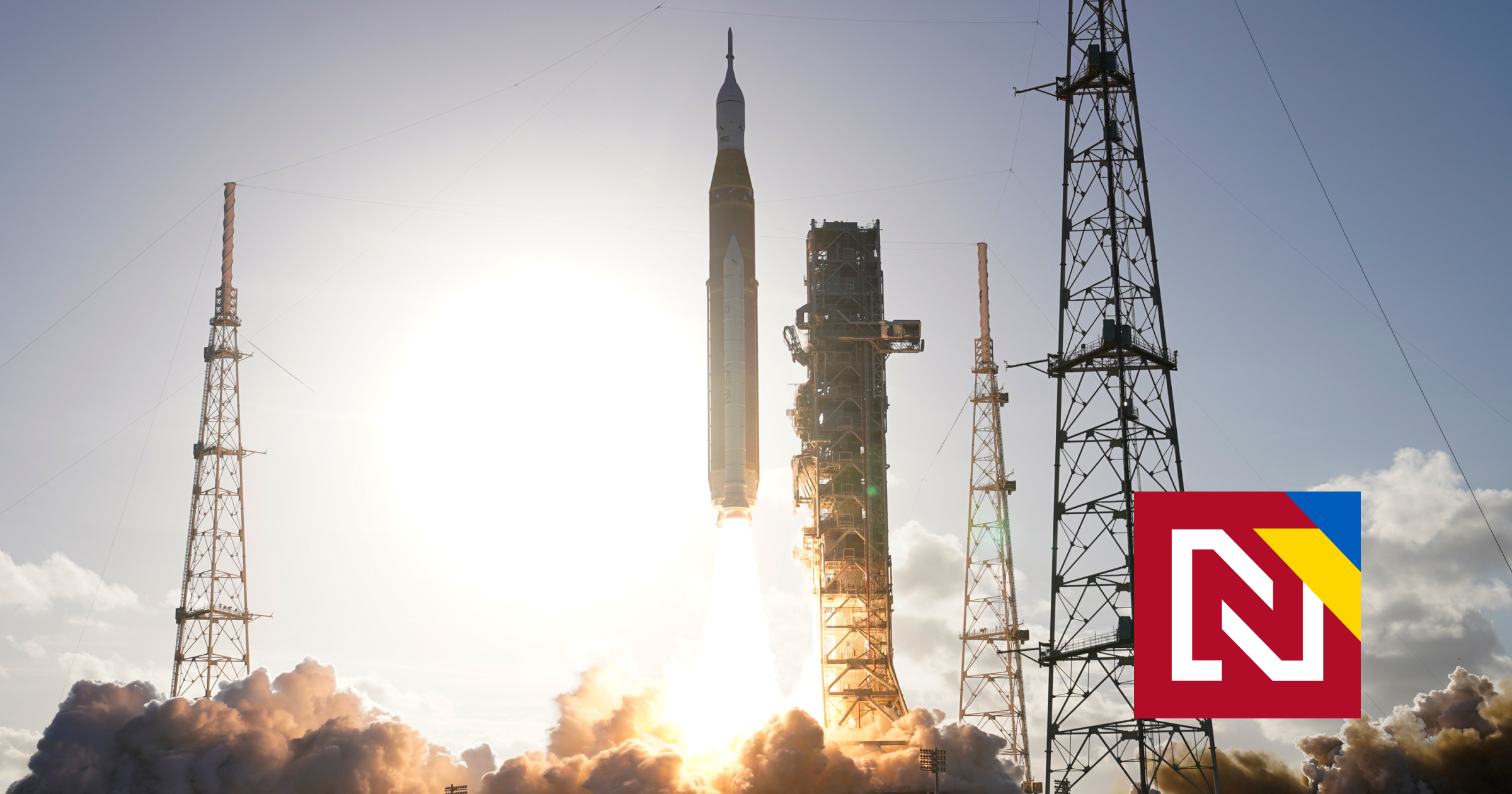
NASA has successfully launched the crewed Artemis 2 mission, marking humanity's historic return to lunar travel after more than half a century. The mission represents the first astronaut flight to the Moon since the Apollo program, which last sent humans to lunar orbit during the Apollo 17 mission in 1972. The launch signifies a major milestone in space exploration as NASA works to establish a sustainable human presence on and around the Moon through its Artemis program.

|
Science & Tech

Artemis II Crew Mission Launches to Moon Following Trump's Space Policy Push

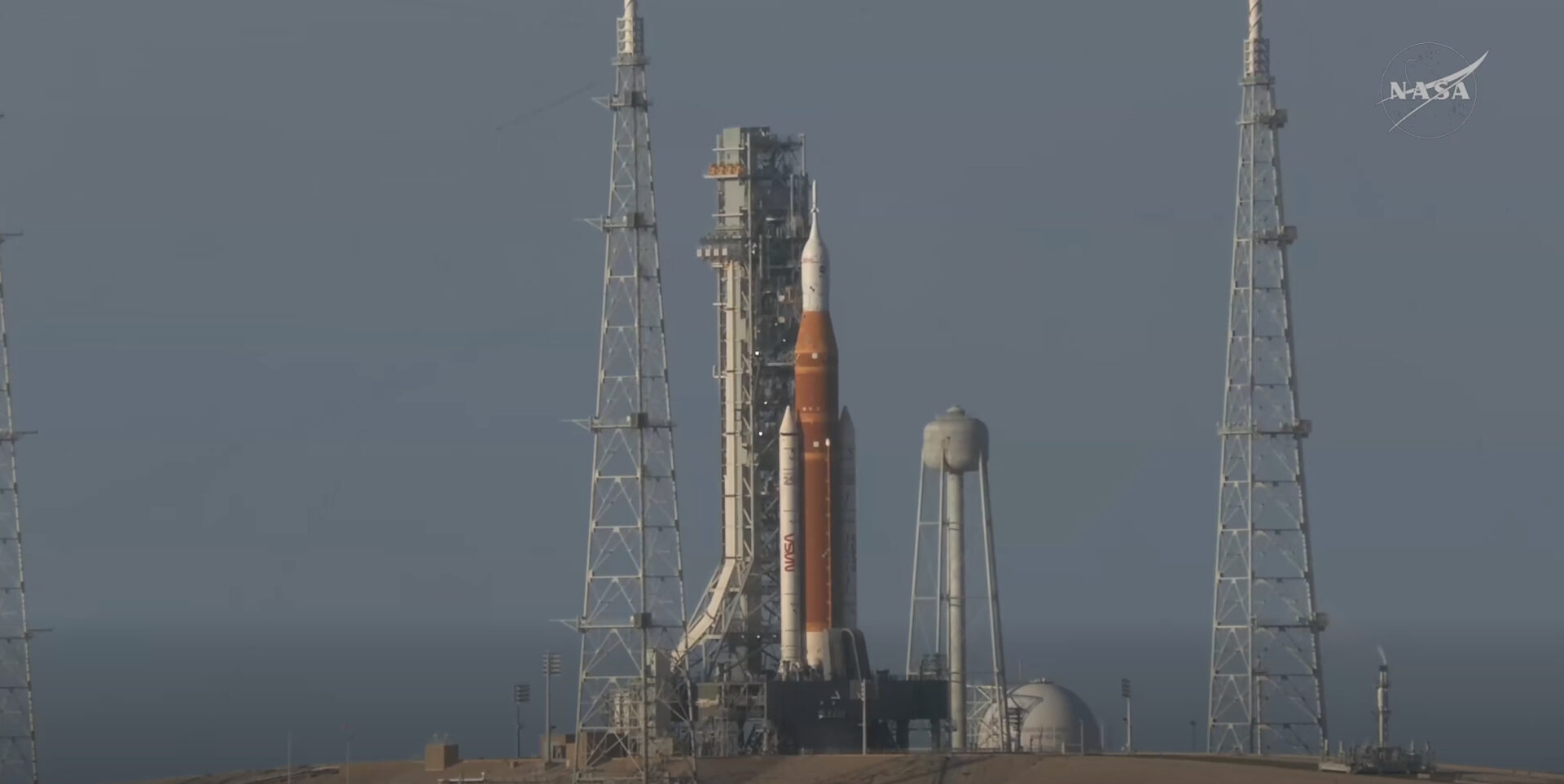
The powerful Space Launch System rocket launched from Cape Canaveral, Florida, shortly after midnight local time, carrying the Orion spacecraft on humanity's first crewed mission beyond Earth orbit in over 50 years. The Artemis II mission will take astronauts on a ten-day journey around the Moon before returning to splash down in the Pacific Ocean. The mission represents the most distant human space travel from Earth in history, with the crew expected to travel further from the planet than any previous astronauts. The mission launch follows policy directives from former President Trump's administration to prioritize returning humans to the Moon, marking a significant milestone in NASA's renewed lunar exploration program after decades of focus on low Earth orbit missions.

|
Science & Tech

Chinese Scientists Develop Earwax Test for Early Parkinson's Disease Detection

Chinese researchers are developing a breakthrough diagnostic method that could detect Parkinson's disease through the smell of earwax, potentially identifying the condition before major symptoms appear. The scientists are working toward creating an inexpensive, non-invasive screening test that could revolutionize how Parkinson's disease is diagnosed. This approach represents a significant advancement in medical diagnostics, as current methods typically require patients to already show noticeable symptoms of the neurodegenerative disorder. Early detection of Parkinson's disease is crucial for treatment effectiveness, as the condition progressively damages nerve cells in the brain that control movement and coordination.

|
Science & Tech

Humanity Returns to the Moon as Artemis II Mission Launches with Four-Person Crew

The Artemis II mission has launched with a four-person crew aboard, marking humanity's return to lunar exploration. The mission is scheduled to last ten days. This represents a significant milestone in NASA's Artemis program, which aims to return humans to the Moon for the first time since the Apollo missions ended in the 1970s. The multi-day mission will test systems and procedures needed for future lunar landings as part of the broader goal to establish a sustainable human presence on the Moon.

|
Science & Tech

Pfizer and BioNTech halt vaccine study in US due to insufficient volunteer enrollment

Pharmaceutical companies Pfizer and BioNTech have discontinued a vaccine study in the United States after failing to recruit sufficient volunteers. The study aimed to enroll approximately 25,000 participants but was terminated on March 6 following a reassessment of current epidemiological trends. The companies closed recruitment for the trial due to challenges in finding adequate numbers of willing participants for the research.

|
Science & Tech

Scientists witness rare moment as pilot whales assist with birth

Scientists observed an extraordinary event when a pilot whale gave birth while other females in the group assisted with the delivery. Pilot whales live in family groups led by older females, making this collaborative birthing behavior a remarkable display of their social structure. The observation provides valuable insight into the complex social behaviors of these marine mammals and their cooperative approach to reproduction and child-rearing.

|