Dávka - Your daily dose of Slovak news
Last refreshed: 08/06/2026 21:38 · 54 articles added
Stories are refreshed at 05:30, 10:30, 15:30, and 21:30 UTC.

Economy

View all1482 stories
Economy

Slovakia's state health insurer increases payments to Penta hospitals by nearly 15 million euros

Slovakia's state health insurance company VšZP has significantly increased payments to hospitals owned by the Penta financial group by nearly 15 million euros, even as the insurer claims to be implementing cost-saving measures across the healthcare system. VšZP, which is the country's largest health insurer covering the majority of Slovak citizens, has been promoting its efforts to reduce spending on hospital services. However, the substantial payment increase to Penta-owned healthcare facilities appears to contradict these proclaimed savings initiatives. Penta is a prominent financial and investment group in Central Europe that owns several healthcare facilities in Slovakia, making this payment increase notable given the ongoing debates about healthcare financing and the role of private operators in the Slovak medical system.

|
Economy

Television Services Become More Expensive Due to Consolidation and Licensing Fees

Television services in Slovakia have become more expensive due to market consolidation and increased licensing costs. The main cost factors driving up prices include higher fees paid to major television stations JOJ and Markíza. These increased expenses are being passed on to consumers through higher subscription rates for television services across the country.

|
Economy

Gold Loses Value After Worst Week in 43 Years

Gold prices declined following their worst weekly performance in 43 years, driven by Middle East conflict concerns that have heightened inflation fears. The precious metal, traditionally seen as a safe-haven asset during geopolitical tensions, faced unusual selling pressure as investors reassessed their positions amid the escalating regional crisis. The sharp weekly decline represents the most significant drop in gold values since 1980, reflecting broader market uncertainty about global economic stability and monetary policy responses to potential inflationary pressures from the ongoing Middle Eastern conflict.

|
Economy

Oil Prices Rise Again as Brent Crude Surpasses $113 per Barrel Amid Persian Gulf Tensions

Oil prices climbed again with Brent crude breaking through the $113 per barrel threshold, reaching its highest level since July 2022. Markets are closely monitoring escalating tensions between the United States and Iran in the Persian Gulf region, along with concerns about new supply deliveries. The price increase reflects global energy market volatility driven by geopolitical uncertainty in one of the world's most critical oil-producing regions.

|
Economy

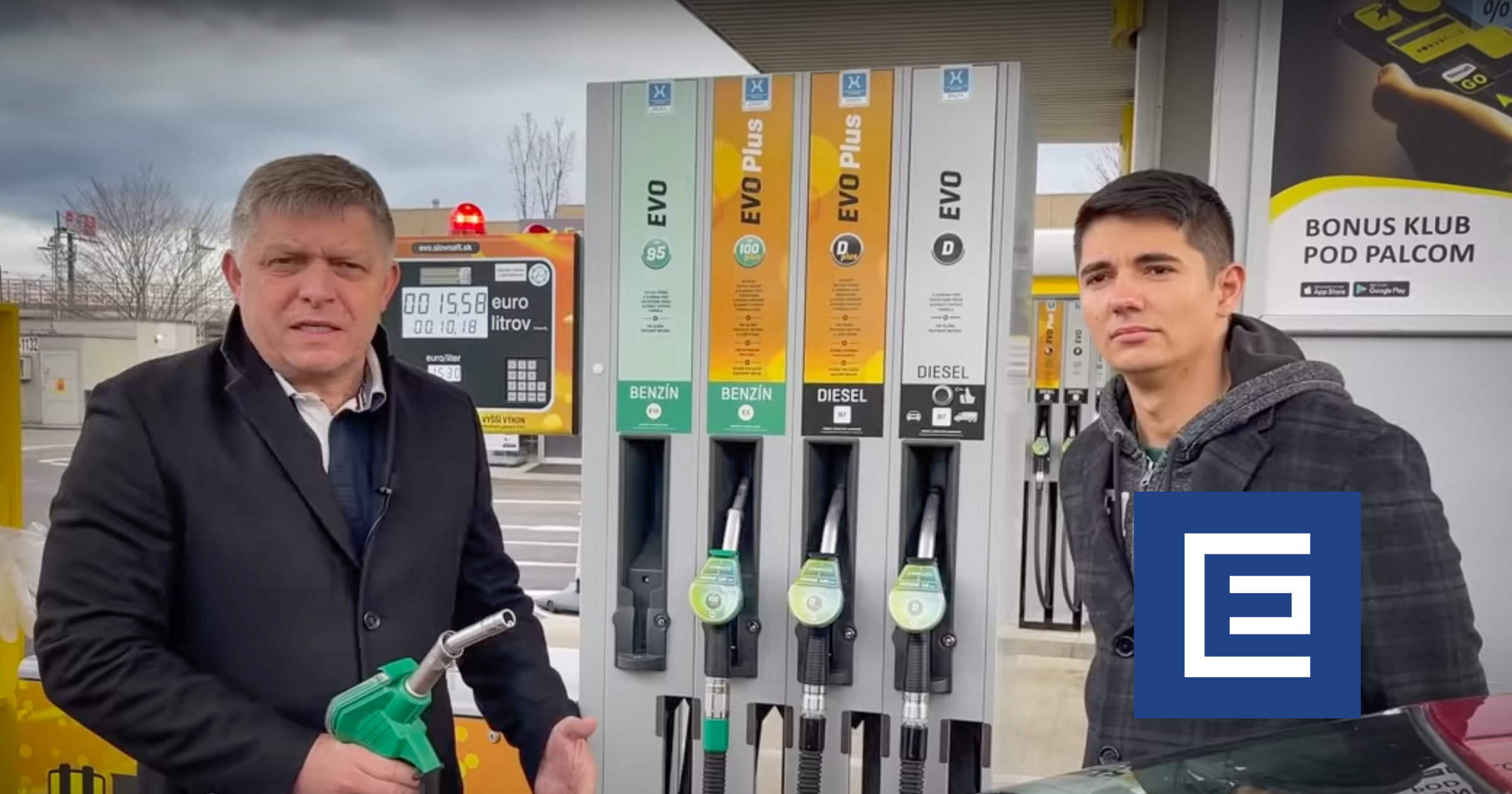
Slovak Drivers Face Dual Fuel Pricing System and Purchase Limits

Slovak motorists are grappling with a complex fuel pricing system that includes both regulated and market prices, along with purchase restrictions that are creating confusion at gas stations. The dual pricing mechanism has emerged as authorities attempt to manage fuel costs amid ongoing regional tensions. Meanwhile, the conflict in the Persian Gulf has entered its fourth week, with continued attacks and threats creating broader economic uncertainty for Slovakia. Citizens are facing difficult decisions about mortgages as interest rate increases loom again, while many have seen their investments lose value over the past three weeks of instability.

|
Economy

Slovakia Clarifies New VAT Deduction Rules for Company Vehicles

Slovak tax authorities have issued guidance on new VAT deduction rules for business vehicles that took effect this year, addressing confusion among entrepreneurs about the changes. Companies that use vehicles exclusively for business purposes and want to claim full VAT deductions must notify the tax office and maintain electronic records of all trips. The new regulations have raised questions among business owners, particularly regarding vehicles that were ordered and partially paid for last year but only began being used in 2024. The changes represent a significant shift in how businesses can handle VAT claims on company vehicles, requiring more detailed documentation and formal declarations to tax authorities.

|
Economy

Oil Prices Expected to Continue Rising Next Week Amid Trump-Iran Tensions

Oil prices are expected to continue climbing at the start of next week, analysts warn, as markets react to escalating tensions between the United States and Iran. Energy experts point to threats issued by President-elect Donald Trump toward Iran and the Iranian government's subsequent response as the primary drivers behind the anticipated price increases. The geopolitical tensions in the Middle East, a critical oil-producing region, have created market uncertainty that typically pushes crude prices higher as traders factor in potential supply disruption risks.

|
Economy

Slovak Transport Companies Threaten Strike Over Minister's Refusal to Provide State Aid

Slovak transport companies are threatening to strike after expressing dissatisfaction with statements from Transport Minister Jozef Kamenický, who claims they do not need state assistance. The transport operators are demanding government help amid what appears to be financial difficulties in the sector. The dispute highlights tensions between the transport industry and the government over the need for state support, with companies arguing they require assistance while the minister maintains that such aid is unnecessary.

|
Economy

ECB Member Nagel Warns Against Allowing High Inflation to Become Entrenched

European Central Bank governing council member Joachim Nagel warned that the ECB must not allow high inflation to become entrenched in the eurozone economy. The statement comes as the ECB maintained its current interest rate policy unchanged at its most recent meeting on Thursday, March 19. Nagel's comments reflect ongoing concerns among ECB policymakers about persistent inflationary pressures across the 20-nation eurozone, which includes Slovakia. The ECB has been grappling with elevated inflation levels that have remained above the bank's 2% target, leading to debates among officials about the appropriate monetary policy response to bring price growth back under control.

|
Economy

Finance Minister Outlines Four Economic Growth Packages

Slovak Finance Minister Ladislav Kamenický outlined plans for four economic packages designed to support economic growth, though specific details of the measures were not disclosed. The minister also addressed compensation payments for work performed during canceled public holidays, suggesting potential changes to current labor policies. The announcement comes as Slovakia's government seeks to boost economic performance amid broader regional economic challenges.

|
Economy

Illegal Employment Persists in Slovakia as Fake Self-Employment Cases Rise

Illegal employment practices continue to plague Slovakia, with authorities recording a growing trend of fraudulent self-employment arrangements. The construction sector has reported the highest number of violations, highlighting ongoing challenges in labor market compliance. This practice, known as fake self-employment, typically involves employers forcing workers to register as independent contractors to avoid paying social security contributions and other employee benefits, while the workers remain under direct supervision and control similar to traditional employees.

|
Economy

Expert: Tax Inspections Should Not Be Feared, Companies Must Stay Prepared

A tax expert emphasized that tax inspections should not be viewed as something to fear, urging businesses to maintain proper preparation for such reviews. The specialist stressed that tax audits represent a dialogue between authorities and companies rather than a one-sided process, suggesting a more collaborative approach to tax compliance verification in Slovakia.

|
Economy

Slovakia's Budget Consolidation Measures Impact Real Estate Market as Buyers Become More Cautious

Slovakia's ongoing fiscal consolidation measures are affecting the country's real estate market, with potential homebuyers becoming increasingly cautious about property purchases. Buyers are now focusing more on total costs when considering real estate investments, reflecting broader economic uncertainty as the government implements budget-tightening policies. The consolidation measures, part of Slovakia's efforts to reduce its budget deficit and comply with European Union fiscal rules, are creating ripple effects across various sectors of the economy, with the housing market showing signs of cooling as consumers reassess their financial capabilities amid changing economic conditions.

|
Economy

Oil prices surge to four-year highs amid Middle East conflict escalation

Brent crude oil closed trading at its highest level in nearly four years, rising above $112 per barrel as markets reacted to escalating conflict in the Middle East. The benchmark oil price jumped approximately three percent during trading, marking its highest level since 2022. Markets responded to the intensification of warfare and attacks on energy infrastructure in the region, driving concerns about potential supply disruptions from one of the world's key oil-producing areas.

|
Economy

Expert Advises Systematic Approach to Solving Financial Problems

Financial experts recommend focusing on debts with higher interest rates as part of a systematic approach to resolving personal financial difficulties. The advice suggests prioritizing loans and credit obligations that carry steeper borrowing costs when developing strategies to manage financial problems.

|
Economy

Oil Prices Rise at Week's End

Oil prices increased at the end of the trading week, with Brent crude approaching $111 per barrel. The price movement reflects ongoing volatility in global energy markets as traders respond to supply and demand factors affecting the petroleum sector.

|
Economy

Heat Suppliers Defend Energy Voucher System Amid Public Criticism

Slovakia's heat suppliers have rejected criticism over the country's energy voucher program, emphasizing that they have no control over the distribution or amounts of the subsidies. The Association of Heat Producers clarified that decisions about energy voucher eligibility and payment amounts are made exclusively by state authorities, not by the companies that supply heating services. The defense comes as the energy voucher system, designed to help households cope with high energy costs, has faced public scrutiny over its implementation and effectiveness.

|
Economy

Slovak IT Company Stock Plunges After Co-Founder Charged in Massive Product Counterfeiting Scandal

The co-founder of a leading Slovak information technology company faces up to 30 years in prison following charges related to a major counterfeiting operation. The scandal involved employees removing authentic product labels and packaging fake products in genuine boxes, deceiving customers with counterfeit goods sold as legitimate items. The revelation of the fraudulent scheme has caused significant damage to the company's stock value, with shares losing substantial value as investors react to the criminal charges and reputational damage to what was previously considered a top-tier IT firm in Slovakia.

|
Economy

Slovakia Issues Rules Exempting Emergency and Industrial Vehicles from Diesel Consumption Restrictions

The Slovak Ministry of Economy has issued a decision outlining which vehicles are exempt from diesel fuel consumption restrictions. Emergency vehicles operated by rescue services and police, as well as machinery used in industrial production, are not subject to the consumption limitations. The Finance Ministry has separately set a special price for diesel fuel at 1.826 euros per liter. The measures appear to be part of broader fuel management policies, though the specific restrictions affecting other vehicles were not detailed in the government announcements.

|
Economy

Fuel Prices Rise Sharply in Slovakia, Further Increases Expected

Gasoline and diesel prices in Slovakia have increased by an average of five cents per liter, with analysts predicting further price increases ahead. The price surge threatens to make refueling significantly more expensive for Slovak motorists. The development comes as fuel costs continue to rise across Europe, adding pressure to household budgets and transportation costs throughout the country.

|