Dávka - Your daily dose of Slovak news
Last refreshed: 08/06/2026 21:38 · 54 articles added
Stories are refreshed at 05:30, 10:30, 15:30, and 21:30 UTC.

Economy

View all1482 stories
Economy

Polish retail chain Biedronka considered acquiring Slovak grocery cooperative

Polish discount grocery chain Biedronka was among potential buyers being considered for the acquisition of Coop Jednota Dunajská Streda, a Slovak retail cooperative. The sale process for the grocery chain, which operates stores in the Dunajská Streda region of southern Slovakia, is now approaching completion. Coop Jednota operates as part of Slovakia's cooperative retail network, which has faced financial difficulties in recent years as independent grocery cooperatives struggle to compete with major international retail chains that have expanded across the country.

|

Economy

Slovak Entrepreneur Acquires Half-Billion Euro Real Estate Fund Including Bory Mall

Slovak businessman Tomáš Spuchliak has purchased the Czech real estate fund ZFP, which manages assets worth 630 million euros and operates in Slovakia, including ownership of the Bory Mall shopping center in Bratislava. The entrepreneur, who started his career renovating apartments in the Orava region of northern Slovakia, is simultaneously launching three new investment funds focused on real estate, rental housing, and industrial enterprises. Spuchliak is also negotiating the acquisition of another Bratislava shopping center and factories producing baked goods, flour, and oils. The ambitious businessman aims to manage assets worth tens of billions of euros within five years, marking a dramatic expansion from his modest beginnings in property renovation to becoming a major player in Central European real estate and industrial investments.

|
Economy

Czech Owner Agrees to Sell Bory Mall Shopping Center to Slovak Group

A Czech owner has reached an agreement to sell Bory Mall shopping center to a Slovak group, with the buyer indicating plans for additional acquisitions. The transaction represents a shift from foreign to domestic ownership of one of Bratislava's major retail properties. Bory Mall is a significant shopping destination in the Slovak capital, and the change in ownership could signal broader trends in the country's retail real estate sector.

|
Economy

Gold prices continue declining amid strengthening dollar

Gold prices have continued their downward trend as pressure on the precious metal intensifies due to a strengthening US dollar. The stronger dollar makes gold more expensive for holders of other currencies, reducing demand for the commodity typically viewed as a safe-haven asset during times of economic uncertainty.

|
Economy

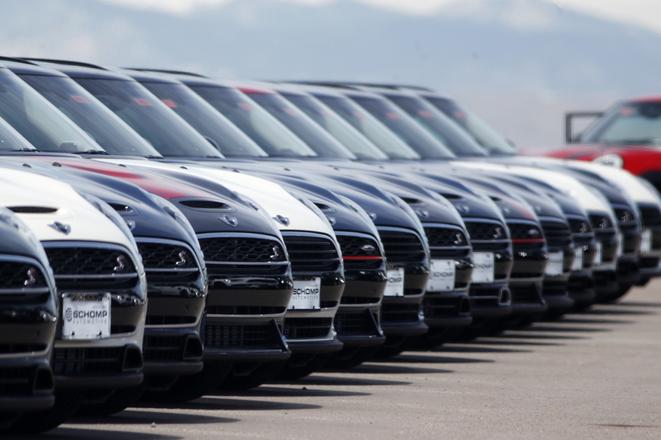
Car Sales in European Union Return to Growth in February

Car sales in the European Union recovered and returned to growth in February after a period of decline. The monthly increase also included a notable rise in Tesla electric vehicle sales, marking the first growth for the American automaker in the EU market in more than a year. The February figures suggest a potential stabilization in the European automotive market, which has faced challenges including supply chain disruptions and shifting consumer preferences toward electric vehicles.

|
Economy

Oil Prices Resume Upward Trend as Brent Crude Surpasses $103 Per Barrel

Oil prices returned to growth, with Brent crude oil surpassing $103 per barrel. The price increase marks a continuation of volatility in global energy markets, as Brent crude, a key international benchmark used to price oil worldwide, crossed the significant threshold. Oil price movements typically reflect global supply and demand dynamics, geopolitical tensions, and economic conditions that affect energy consumption patterns.

|
Economy

Slovak Government to Meet in Hronské Kľačany as Railway Modernization Faces EU Recovery Fund Delays

The Slovak government will hold its meeting today in Hronské Kľačany, a small municipality located four kilometers from Levice in central Slovakia. The village lies along the southern railway line, a section that underwent modernization using EU recovery funds but faced significant delays. According to a report from the Supreme Audit Office, Slovakia's financial watchdog, the railway modernization project was delayed by more than a year. The modernized line currently provides seven daily train connections between the village and the district center of Levice, highlighting ongoing infrastructure challenges in rural Slovakia despite EU funding aimed at improving transport connectivity.

|
Economy

Finnair Orders 18 New Embraer Aircraft in Largest Investment in Over Two Decades

Finnish airline Finnair has selected Brazilian manufacturer Embraer over European rival Airbus for an order of 18 new aircraft, marking the carrier's largest investment in more than 20 years. The decision represents a significant aircraft procurement choice for the Nordic airline, though specific financial details of the deal were not disclosed. The order signals Finnair's expansion plans and fleet modernization strategy as the aviation industry continues to recover from the pandemic's impact on air travel.

|
Economy

Toyota invests $1 billion in two US manufacturing plants

Toyota Motor Corporation announced a $1 billion investment in two of its manufacturing facilities in the United States. The Japanese automaker currently employs nearly 48,000 people across its US operations. The investment represents a significant commitment to Toyota's American manufacturing base, though specific details about which plants will receive the funding and how the money will be used were not disclosed.

|
Economy

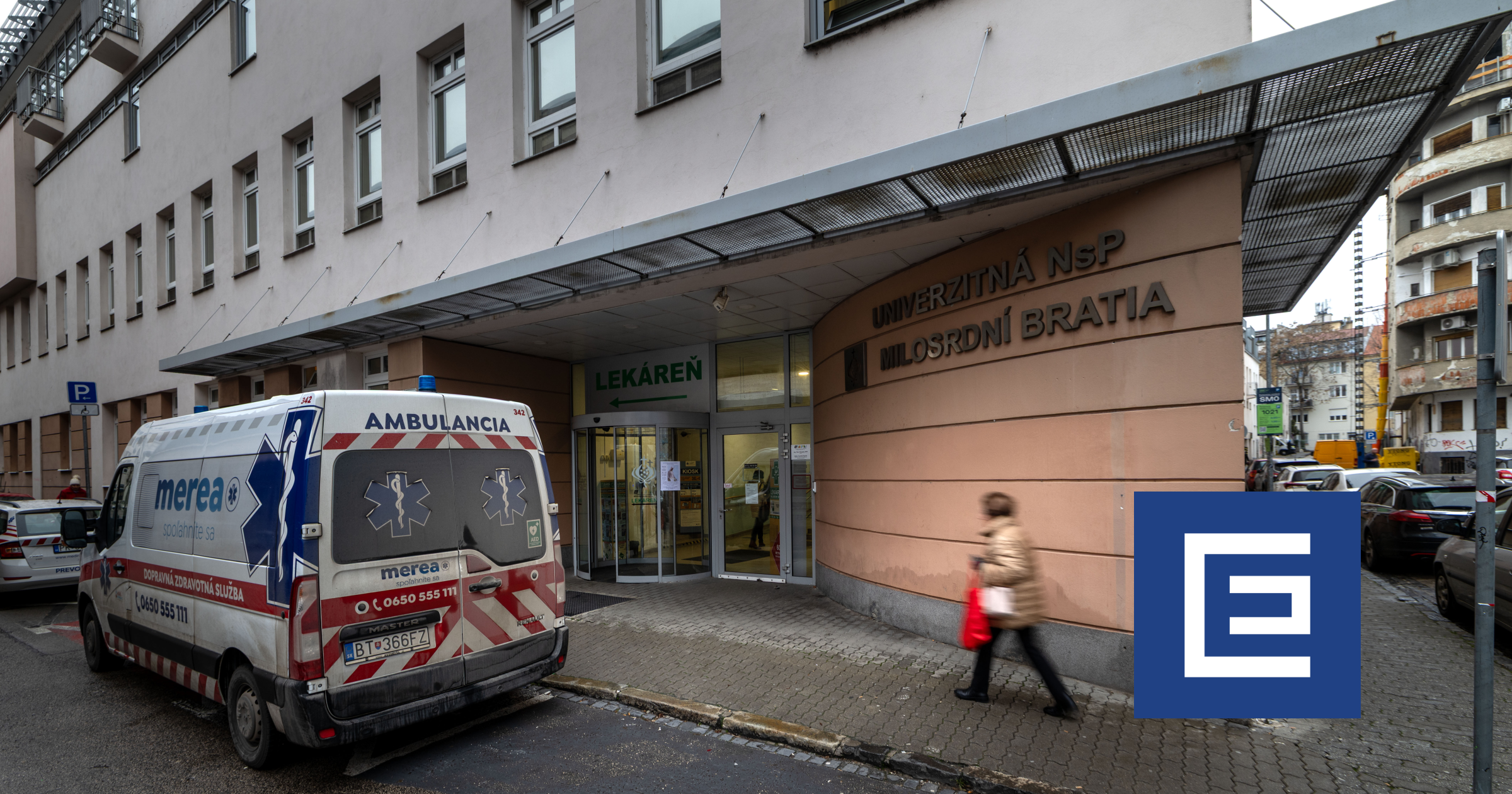
State Insurance Company Increased Payments to Penta Healthcare Group Hospitals

Slovakia's state health insurance company VšZP increased payments to hospitals owned by the Penta financial group, according to reports. The insurance provider claims that state-owned hospitals also received higher payments than in previous years. The Supreme Audit Office has announced it is preparing a control investigation into the payment practices of VšZP, the country's largest health insurer which covers the majority of Slovak citizens. The development raises questions about the allocation of public healthcare funds between private and state medical facilities.

|
Economy

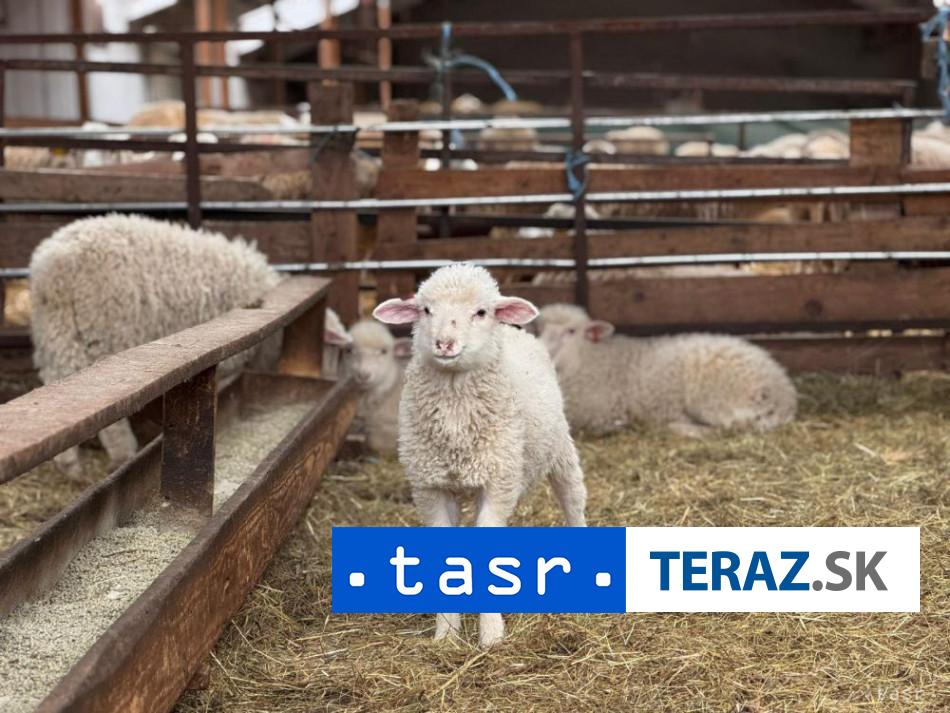
Slovakia retains over half of domestically produced lamb, agriculture official says

More than half of all lambs produced in Slovakia remain in the domestic market, according to Agriculture Ministry official R. Takáč. The government supports livestock farmers through various subsidies, including assistance with green diesel fuel costs, carcass disposal, and insurance premiums for farmers. The statement highlights Slovakia's efforts to maintain domestic food production and support the agricultural sector through targeted financial assistance programs.

|
Economy

Slovakia Imposes Import Ban on Animal Products from Cyprus and Greek Island of Lesbos

Slovakia's veterinary authorities have issued emergency measures banning the import of unprocessed animal products from Cyprus and the Greek island of Lesbos due to outbreaks of foot-and-mouth disease in those areas. The State Veterinary and Food Administration, which oversees animal health and food safety in Slovakia, implemented the restrictions as a precautionary measure to prevent the highly contagious livestock disease from entering the country. Foot-and-mouth disease affects cattle, pigs, sheep, goats and other cloven-hoofed animals, causing severe economic losses to farming operations and requiring strict containment measures when outbreaks occur.

|
Economy

Slovak Consolidation Package Faces Sharp Criticism Over Implementation

Slovakia's fiscal consolidation measures are drawing harsh criticism for being poorly designed and hypocritical in their approach. Critics argue the consolidation package, intended to address the country's budget deficit, has been bungled in its conception and implementation. The measures are being denounced as destroying what remains of public willingness to make sacrifices for the country's economic future. Slovakia has been under pressure to reduce its budget deficit to meet European Union fiscal requirements, but the current approach to fiscal consolidation is facing significant opposition over concerns about its effectiveness and fairness.

|
Economy

Finance Minister Rules Out New Austerity Measures for Citizens and Businesses

Finance Minister Ladislav Kamenický announced that any future consolidation package will not include measures targeting individuals and businesses. The minister, representing Smer-SD, the ruling social-democratic party, made the statement while also claiming success in combating fictitious sick leave certificates. Slovakia has been implementing various fiscal consolidation measures as part of efforts to reduce its budget deficit and meet European Union fiscal requirements.

|
Economy

Slovakia sells 417 million euros worth of retail bonds in second year of program

The Slovak government sold 417 million euros worth of retail bonds to individual investors this year through its "Bonds for People" program. The initiative, which allows ordinary citizens to purchase government debt directly, raised 500 million euros in its pilot year in 2023. The program represents Slovakia's effort to diversify its funding sources by tapping into domestic savings while offering citizens a government-backed investment option amid volatile financial markets.

|
Economy

Mass Layoffs Hit Samsung Supplier as Electronics Plant Closure Spreads Job Losses

A major supplier to Samsung's electronics plant in Galanta has announced plans to lay off 230 workers, adding to the wave of job cuts triggered by the South Korean company's decision to close its Slovak facility. The Galanta labor office confirmed the mass layoff notification from a plastic components supplier, which opposition politicians identified as Jasplastik, owned by Hungarian company Jász-Plasztik. The Matúškovo-based company employs 450 people total, meaning it could lose up to half its workforce. The layoffs demonstrate the cascading effect of Samsung's plant closure on the broader supply chain network that supported the major electronics manufacturing operation in western Slovakia.

|
Economy

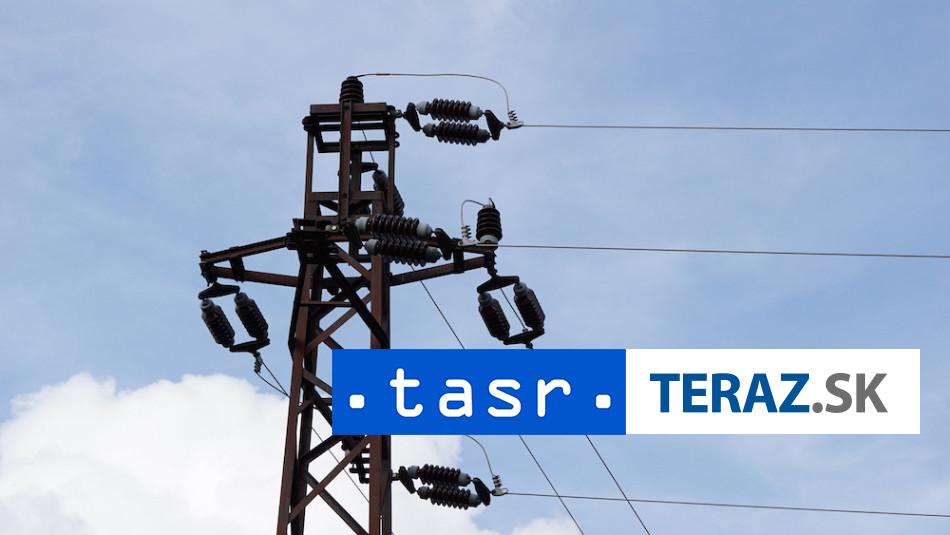
Slovak electricity prices approach last year's peaks as gas costs surge

Electricity prices in Slovakia are climbing toward the maximum levels reached in the previous year, while natural gas prices continue their sharp upward trajectory. The energy cost increases affect both household and business consumers as Slovakia faces renewed pressure on its energy markets. Slovakia, like other European Union countries, remains vulnerable to energy price volatility following the disruption of traditional supply chains and ongoing geopolitical tensions that have reshaped European energy markets since 2022.

|
Economy

Electricity Prices Approach Last Year's Peaks as Natural Gas Costs Rise Sharply

Electricity prices in Slovakia are approaching the maximum levels recorded last year, while natural gas prices have increased significantly. Natural gas contracts for delivery next month have shown particularly sharp price movements, reflecting ongoing volatility in European energy markets that continue to affect Slovak consumers and businesses.

|
Economy

Czech Owners Put Slovak Mill Complex Up for Auction After Failed Revival

Czech owners have lost patience with their Slovak investment and are putting a mill complex in Šurany up for auction after their attempt to restart the milling tradition failed. The facility, located in southern Slovakia, represents a failed effort to revive the area's historical grain processing industry. The decision to auction the property signals the end of Czech investment in what was intended to be a restoration of local milling operations in the region.

|
Economy

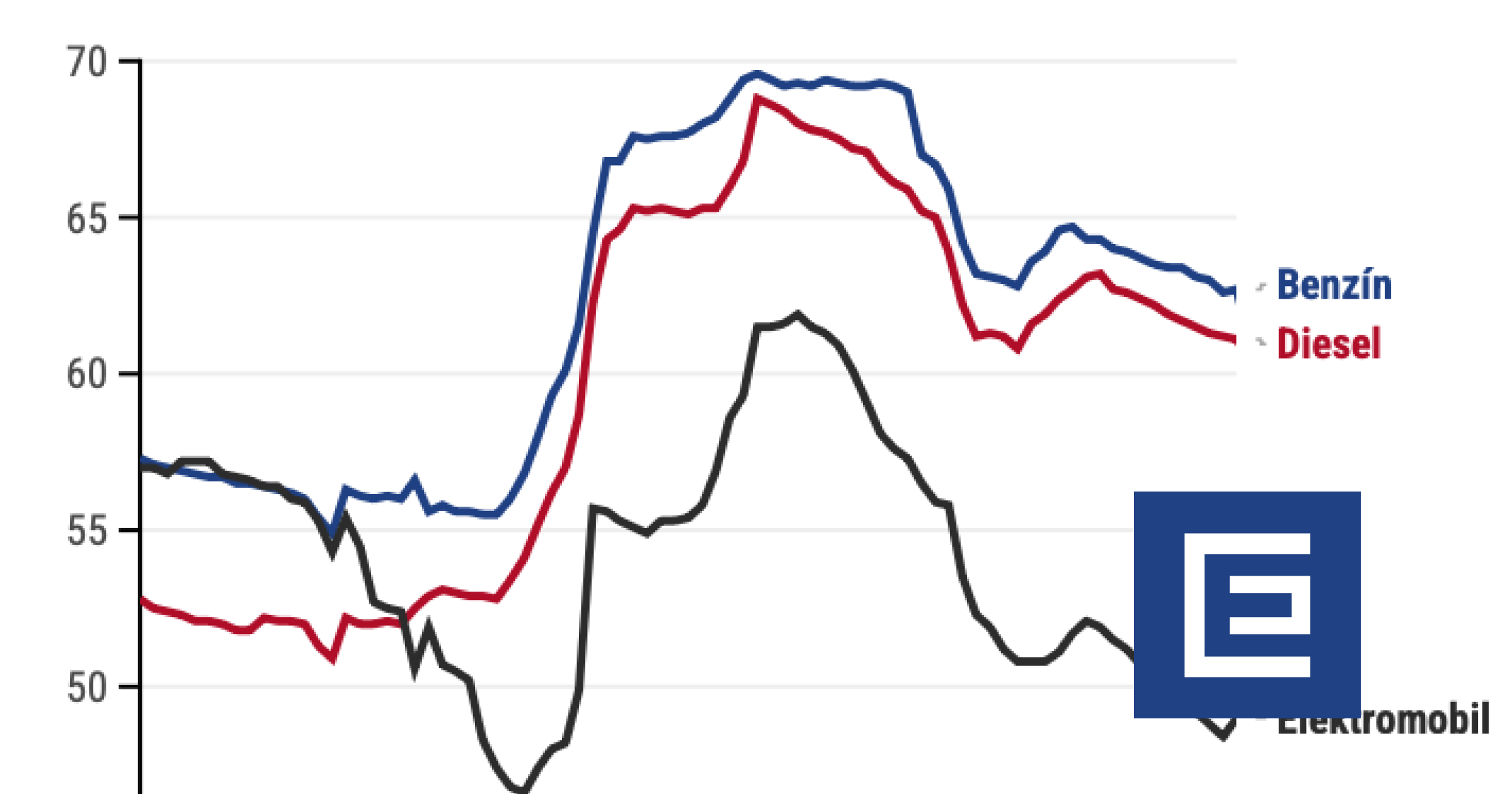
Electric Car Values Drop to Half Original Price After Three Years, Outpacing Gasoline Vehicles

Electric vehicles lose approximately half their value within three years of purchase, significantly outpacing the depreciation rate of traditional gasoline-powered cars. The steep decline is primarily driven by rapid technological advances that make older electric models appear outdated compared to newer versions with improved features and capabilities. Luxury electric vehicles experience the most dramatic value drops, while conventional cars retain their worth more effectively over the same period. Despite high initial purchase prices for new electric cars, the depreciation rate is expected to slow as the technology matures and the pace of innovation stabilizes.

|