Dávka - Your daily dose of Slovak news
Last refreshed: 08/06/2026 15:40 · 65 articles added
Stories are refreshed at 05:30, 10:30, 15:30, and 21:30 UTC.

Domestic Politics

View all2275 stories
Domestic Politics

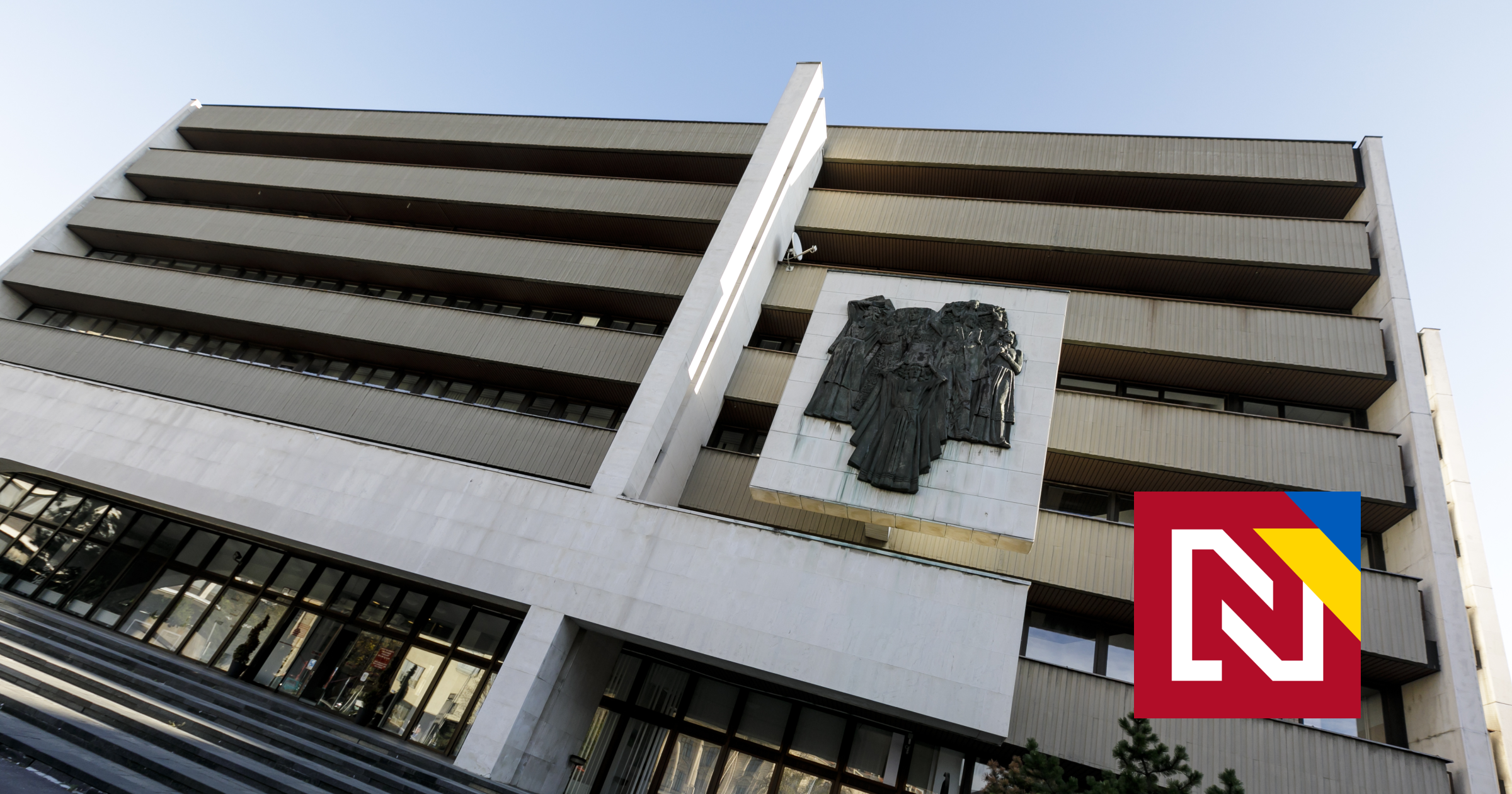
NGOs File Complaint Against Slovak Public Television Over Alleged Pro-Government Bias

Non-governmental organizations have filed a complaint against Slovak Television and Radio (STVR), the country's public broadcaster, alleging the outlet has lost its impartiality and exhibits pro-government bias. The NGOs cited extensive monitoring of STVR programming that revealed a long-term pro-government slant in evening news broadcasts and an absence of balanced opposing viewpoints. The complaint accuses the broadcaster of distorting coverage and excessive pro-government reporting. The organizations are now calling on regulatory authorities to intervene and address what they characterize as a departure from the public broadcaster's mandate to provide objective, balanced news coverage.

|
Domestic Politics

Slovak cities warn of legal chaos over May 8 holiday change for 2026

The Union of Slovak Towns has warned of potential legal chaos surrounding May 8, 2026, following a government decision to change the status of the holiday. The organization, which represents municipal governments across Slovakia, said cities face higher costs and organizational pressure on schools and kindergartens without clear guidance from the state. The warning highlights concerns about the practical implementation of changes to May 8, which commemorates the end of World War II in Europe and has traditionally been observed as a public holiday in Slovakia. Local governments are struggling with uncertainty about how to manage educational institutions and municipal services without definitive instructions from national authorities on how the modified holiday arrangements should work in practice.

|
Domestic Politics

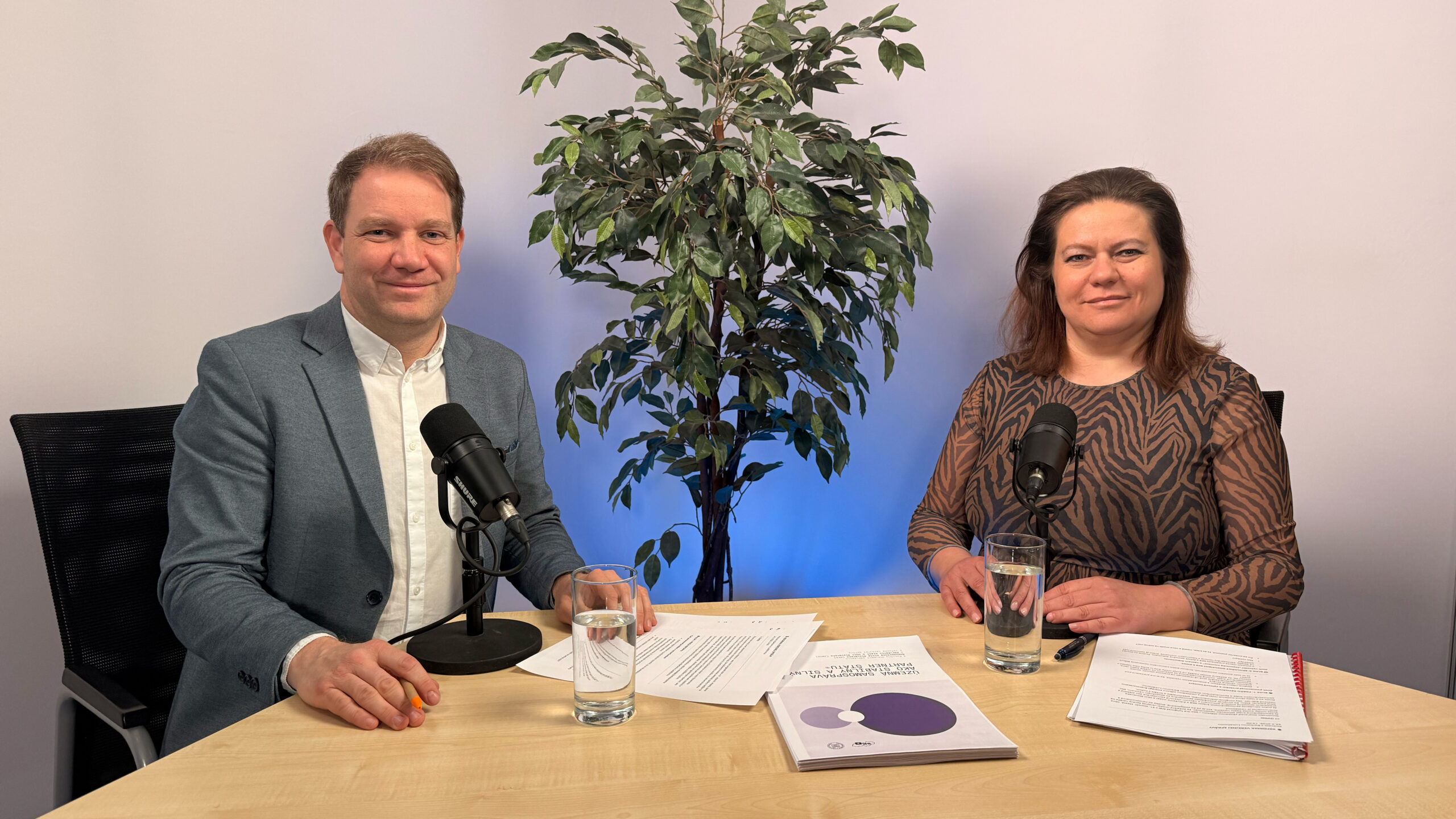
Slovak Regional Leader Highlights Need for Public Administration Reform in 21st Century

Slovakia faces a fundamental question about how the state should function in the 21st century, according to discussions featuring regional official Barbora Lukáčová. Cities, municipalities, and self-governing regions have long warned that the current model of public administration is reaching its limits. The concerns highlight growing challenges in how Slovak government structures operate at local and regional levels, suggesting the need for significant reforms to modernize the country's administrative systems.

|
Domestic Politics

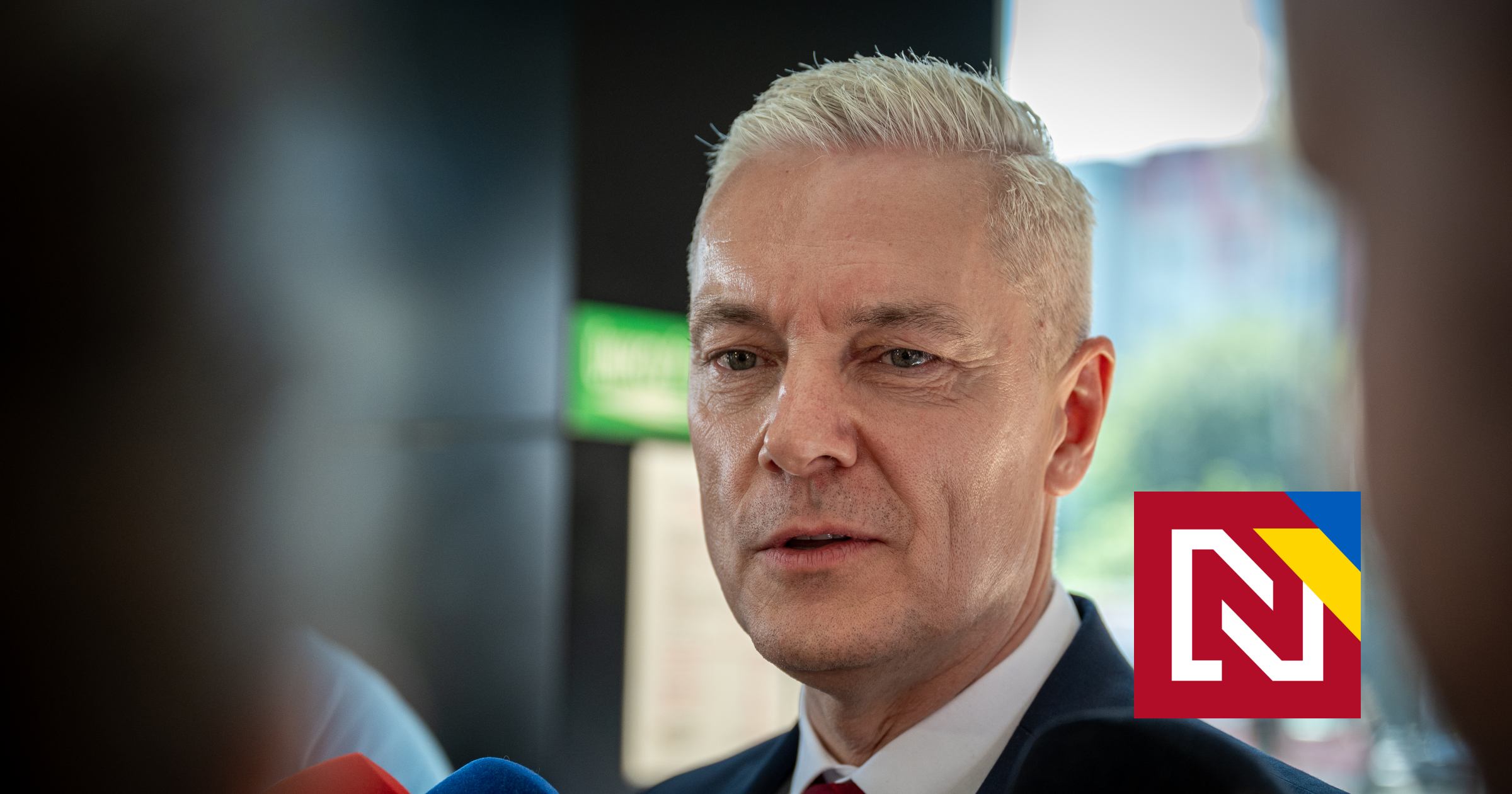
Police arrest man who punched Slovak politician in face during public attack

Police have arrested an attacker who struck Ján Ferenčák, a member of parliament and mayor of Kežmarok, in the face with his fist. The assault left Ferenčák bleeding from his face following the attack. Kežmarok is a town in northern Slovakia near the High Tatras mountains. The incident represents another case of physical violence against Slovak politicians, though the motive for the attack has not been disclosed by authorities.

|
Domestic Politics

Police Communicate with Attacker Who Punched Slovak MP Ferencak

Police have made contact with an individual who physically attacked Slovak Member of Parliament Ferencak, striking him in the face with a fist, though the attacker has not been detained. The incident involving the parliamentarian represents a concerning escalation in physical confrontations against elected officials. Slovak MPs serve in the National Council, the country's parliament, and attacks on lawmakers raise questions about political security and public safety measures for government representatives.

|
Domestic Politics

Eastern Slovakia Activists Plan Protests Over Slow Highway and Bypass Construction

Activists in eastern Slovakia are organizing protests over the slow pace of construction on highway bypasses and the R4 expressway project. The protesters characterize government explanations as excuses and cite state failures in infrastructure development. Transport Minister Jozef Ráž has addressed the situation in a video statement discussing progress on the projects, though activists remain dissatisfied with the current pace of work. The R4 expressway and various bypass roads are part of Slovakia's broader infrastructure modernization efforts, particularly important for the eastern regions which have historically lagged behind western Slovakia in highway development.

|
Domestic Politics

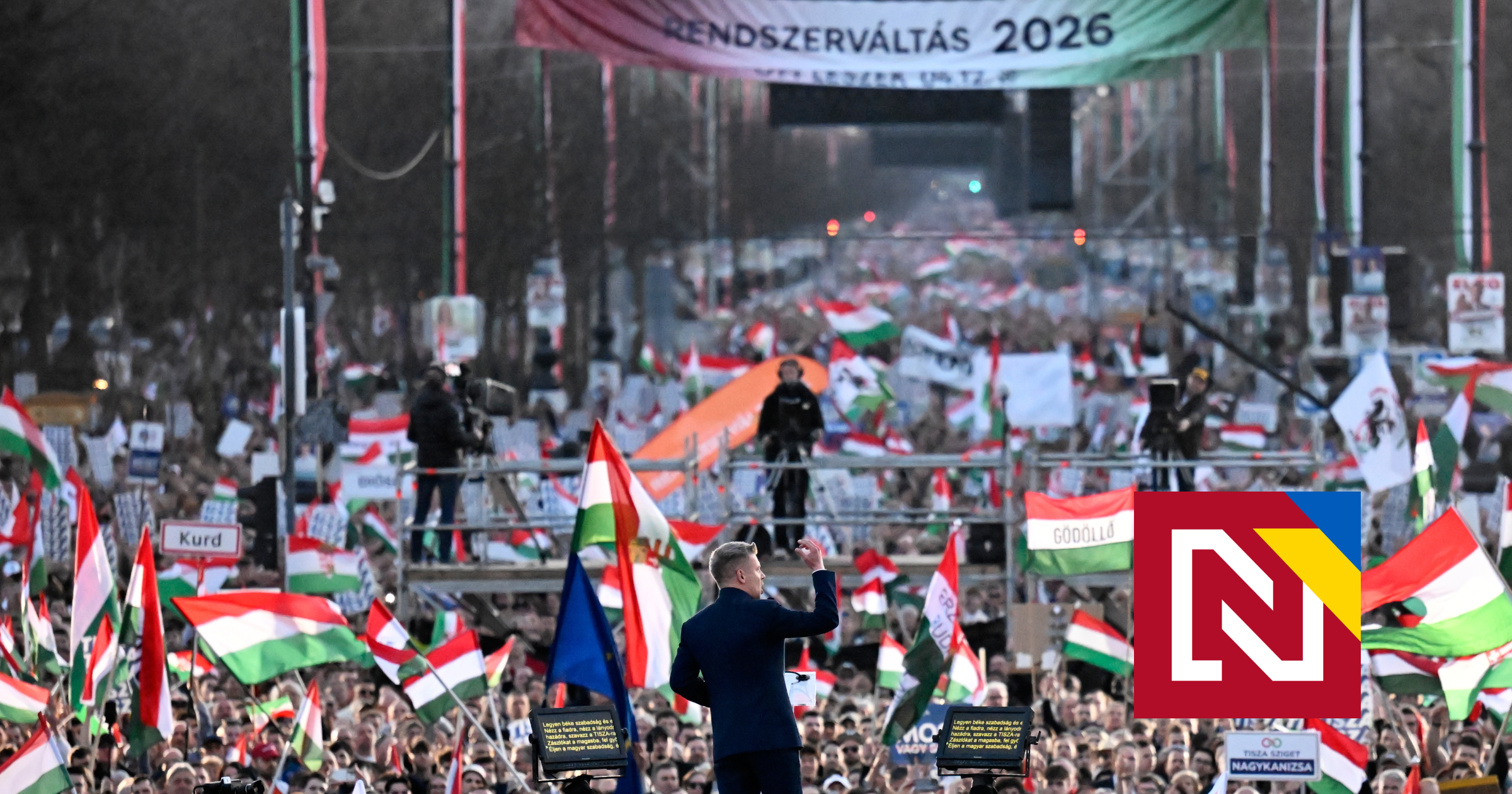
Slovak Opposition Misunderstands Péter Magyar's Success Strategy, Analysis Shows

Slovak opposition parties are incorrectly interpreting the success of Hungarian opposition leader Péter Magyar as they debate potential coalitions and mergers among themselves. Political analysts argue that one of the key factors behind Magyar's electoral breakthrough was his decision to avoid allying with any existing opposition parties or political actors. While Slovak opposition groups continue to struggle with questions of unity and cooperation, Magyar's independent approach in Hungary demonstrates an alternative strategy that distances new political movements from established opposition figures and parties.

|
Domestic Politics

Former Trenčín Mayor Candidate Mičega to Run for Third Time in 2026 Local Elections

Miloš Mičega has announced he will run for mayor of Trenčín for the third time in the 2026 local elections, becoming the first candidate to declare his intention to seek the office. Mičega finished second in his two previous mayoral campaigns. Meanwhile, Richard Rybníček has confirmed he will not be seeking the mayoral position in the upcoming elections. Trenčín, a city in western Slovakia with approximately 56,000 residents, will hold its next local elections in 2026 alongside other municipalities across the country.

|
Domestic Politics

Slovak Parliament Continues Debate on Overseas Voting as 34 MPs Register to Speak

The National Council, Slovakia's parliament, resumed deliberations on legislation regarding overseas voting procedures, with 34 members of parliament registering in writing to participate in the debate. The ongoing parliamentary session reflects continued political attention to voting rights for Slovak citizens living abroad, an issue that has generated significant legislative discussion. The high number of registered speakers suggests the overseas voting provisions remain a contentious topic among lawmakers from both the ruling coalition and opposition parties.

|
Domestic Politics

Slovak Media Publishes Critical Commentary on Public Figure Ferenčák

Slovak daily newspaper SME published a critical opinion piece targeting a public figure named Ferenčák, rejecting characterizations of him as a martyr or moral crusader. The commentary, titled "Cynical Monster: Mafia Crossings in Public," argues that despite any violence he may have experienced, Ferenčák should not be viewed as a truthful martyr or moral fighter for a better Slovakia. The piece appears to be part of ongoing public discourse about the individual's role and reputation in Slovak society.

|
Domestic Politics

Supreme Court Delivers Crushing Blow to Justice System's Credibility, Says Legal Expert

Slovakia's highest judicial authority has faced sharp criticism over a recent decision that legal observers say undermines the credibility and reputation of the country's justice system. The Supreme Court, which serves as Slovakia's final appellate authority for most legal matters, issued a ruling that critics describe as a devastating blow to public trust in judicial institutions. The controversy highlights ongoing concerns about the state of Slovakia's judiciary, which has faced scrutiny over its independence and effectiveness in recent years amid broader European Union concerns about rule of law in Central European member states.

|
Domestic Politics

Independent MP Seeks Meeting with Prime Minister to Discuss Interior Minister's Dismissal

Independent member of parliament Ján Ferenčák wants to meet with the prime minister to discuss the dismissal of Interior Minister Matúš Šutaj Eštok. Ferenčák claims he is facing criminalization through inspection procedures and believes the minister should be removed from office. However, the MP acknowledges that dismissing Šutaj Eštok could potentially lead to the collapse of the government. Ferenčák is an independent lawmaker who is not affiliated with any political party in Slovakia's National Council, the country's parliament. The interior ministry oversees domestic security, police forces, and internal affairs in Slovakia.

|
Domestic Politics

Slovak Opposition MP Claims Physical Attack After Breaking With Ruling Coalition

Ján Ferenčák, a member of parliament expelled from the ruling Hlas party, said he was physically attacked by an unknown assailant on Saturday who struck him in the face and knocked him to the ground before fleeing. Speaking on the JOJ24 Politics program on Sunday, Ferenčák described being "insulted with a blow to the head" and said he fell to the ground, suggesting the attack might have continued if he hadn't fallen. The MP suggested the assault was retaliation for his rebellion against the coalition government, saying he would reveal more about the background of Hlas party. Ferenčák indicated that criminal proceedings have been initiated regarding the attack. The incident comes after Ferenčák was expelled from Hlas, a social-democratic party that is part of Slovakia's ruling coalition led by Prime Minister Robert Fico, following his opposition to government policies.

|
Domestic Politics

Slovak Parliament to Reconvene Monday for Special Session on Foreign Voting and Vetoed Laws

Slovakia's parliament will hold an extraordinary session on Monday to address several pressing legislative matters, including provisions for overseas voting and laws that have been vetoed by the president. The session represents an unusual scheduling decision, as Mondays are typically not designated as parliamentary working days in Slovakia. The National Council, Slovakia's unicameral parliament, will consider these issues outside its normal weekly schedule, indicating the urgency or political importance of the agenda items being discussed.

|
Domestic Politics

Teacher and Game Developer Identified as Gunman in Hotel Shooting Targeting Government Officials

A part-time teacher and video game developer has been identified as the gunman who opened fire in a hotel, reportedly targeting government officials. Media reports indicate that members of the government were the intended targets of the shooting incident. The attack highlights security concerns surrounding government officials and raises questions about the motivations behind the violence.

|
Domestic Politics

Slovak PM Fico Announces Economic Stimulus Package

Slovak Prime Minister Robert Fico announced plans for a package of measures aimed at providing at least modest economic stimulus. The announcement comes as Slovakia's economy faces ongoing challenges. Fico also criticized the European Commission during his remarks. Additionally, the prime minister confirmed that the government will hold a working session in Ružomberok next week and that he will travel to Armenia for a summit. Fico leads the ruling Smer-SD party, which returned to power following elections last year.

|
Domestic Politics

Slovak Leaders Clash Over EU Policies and Regional Disputes in Weekly Political Developments

Slovak political leaders engaged in several high-profile disputes this week, including a confrontation between Prime Minister Robert Fico and Hungarian opposition politician Péter Magyar over regional issues. The tensions centered on historical grievances related to the Beneš Decrees, post-World War II legislation that led to the expulsion of ethnic Germans and Hungarians from Czechoslovakia. President Peter Pellegrini also weighed in on referendum discussions, though the specific details of his position remain unclear. Additionally, the CEO of Kofola, a major Central European beverage company, publicly criticized aspects of European Union policy, reflecting broader regional skepticism toward Brussels. The week's developments also touched on ongoing state corruption cases and debates over the war in Ukraine, highlighting the complex political landscape facing Slovakia's governing coalition and opposition parties.

|
Domestic Politics

Slovak Political Week: PM Fico Clashes with Hungarian Opposition, President Comments on Referendum

Slovakia's Prime Minister Robert Fico engaged in a public dispute with Péter Magyar, a Hungarian opposition politician, while President Peter Pellegrini made statements regarding an upcoming referendum. The week also featured discussions about the Beneš Decrees, a post-World War II series of laws that expelled ethnic Germans and Hungarians from Czechoslovakia, along with various domestic legal cases. Additionally, the head of Kofola, a major Central European beverage company, publicly criticized aspects of European Union policy, while ongoing debates continued about the war in Ukraine and its impact on Slovakia.

|
Domestic Politics

Slovak Opposition Questions Fico's Past Moscow Visits Before 2022 Invasion

Slovak opposition figures are raising questions about Prime Minister Robert Fico's previous visits to Moscow to honor Soviet liberators before Russia's February 2022 invasion of Ukraine. The inquiry appears to be part of broader political scrutiny of Fico's relationship with Russia. Separately, political observers note that László Magyar, a prominent political figure, faces significant challenges ahead.

|
Domestic Politics

Opposition Coalition Falls Short of Parliamentary Majority in Latest Polls

Slovakia's four main opposition parties would fall three seats short of a parliamentary majority if elections were held today, according to polling averages. The coalition of Progressive Slovakia (PS), Freedom and Solidarity (SaS), the Christian Democratic Movement (KDH), and Democrats would need 76 seats to control the 150-member National Council but current projections show them achieving only 73 mandates. The polling data comes amid ongoing political debate about the opposition's electoral prospects, with different party leaders offering conflicting assessments of their chances. Progressive Slovakia leads the liberal-centrist opposition bloc, while SaS represents economic liberals, KDH is a center-right Christian democratic party, and Democrats are a centrist formation. The current government is led by Smer-SD in coalition with the nationalist SNS party and the populist Hlas party.

|