Dávka - Your daily dose of Slovak news
Last refreshed: 08/06/2026 15:40 · 65 articles added
Stories are refreshed at 05:30, 10:30, 15:30, and 21:30 UTC.

Domestic Politics

View all2275 stories
Domestic Politics

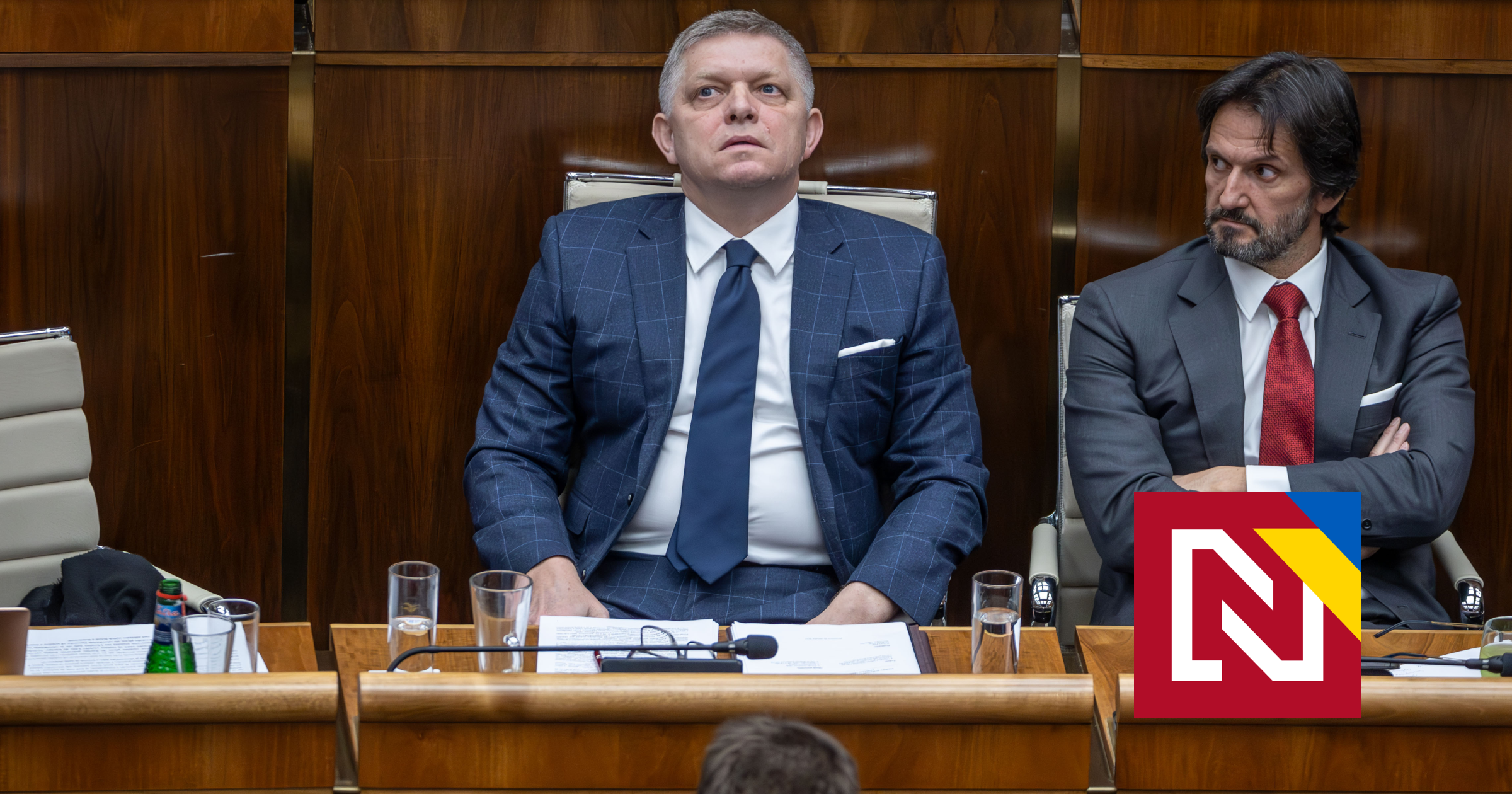
Slovak Government Proposes Controversial Reforms to Plea Bargain System

Slovakia's ruling Smer-SD party has released its first detailed proposal for reforming the country's plea bargain system, commonly known as "kajúcnici" or penitents. The draft legislation has drawn sharp criticism from legal experts, who have recommended that the government either completely abandon the proposal or undertake a comprehensive overhaul. The plea bargain system allows defendants to receive reduced sentences in exchange for cooperation with prosecutors, and has been a key tool in Slovakia's anti-corruption efforts. Smer-SD, the social-democratic party that leads the current government coalition, has long criticized the existing system, arguing it has been misused. However, legal professionals warn that the proposed changes could undermine the country's ability to prosecute complex corruption cases effectively.

|
Domestic Politics

30th Anniversary of Murder Links Slovak Intelligence Service to Organized Crime

The death of Remiáš three decades ago continues to highlight alleged connections between Slovakia's intelligence service SIS and organized crime groups. The case represents one of the most enduring symbols of suspected institutional corruption in post-communist Slovakia, where intelligence agencies faced accusations of maintaining ties with criminal networks during the country's transition to democracy. Investigators were only able to clarify the background of the killing through the courage of honest officials willing to pursue the truth despite potential risks to their careers and safety.

|
Domestic Politics

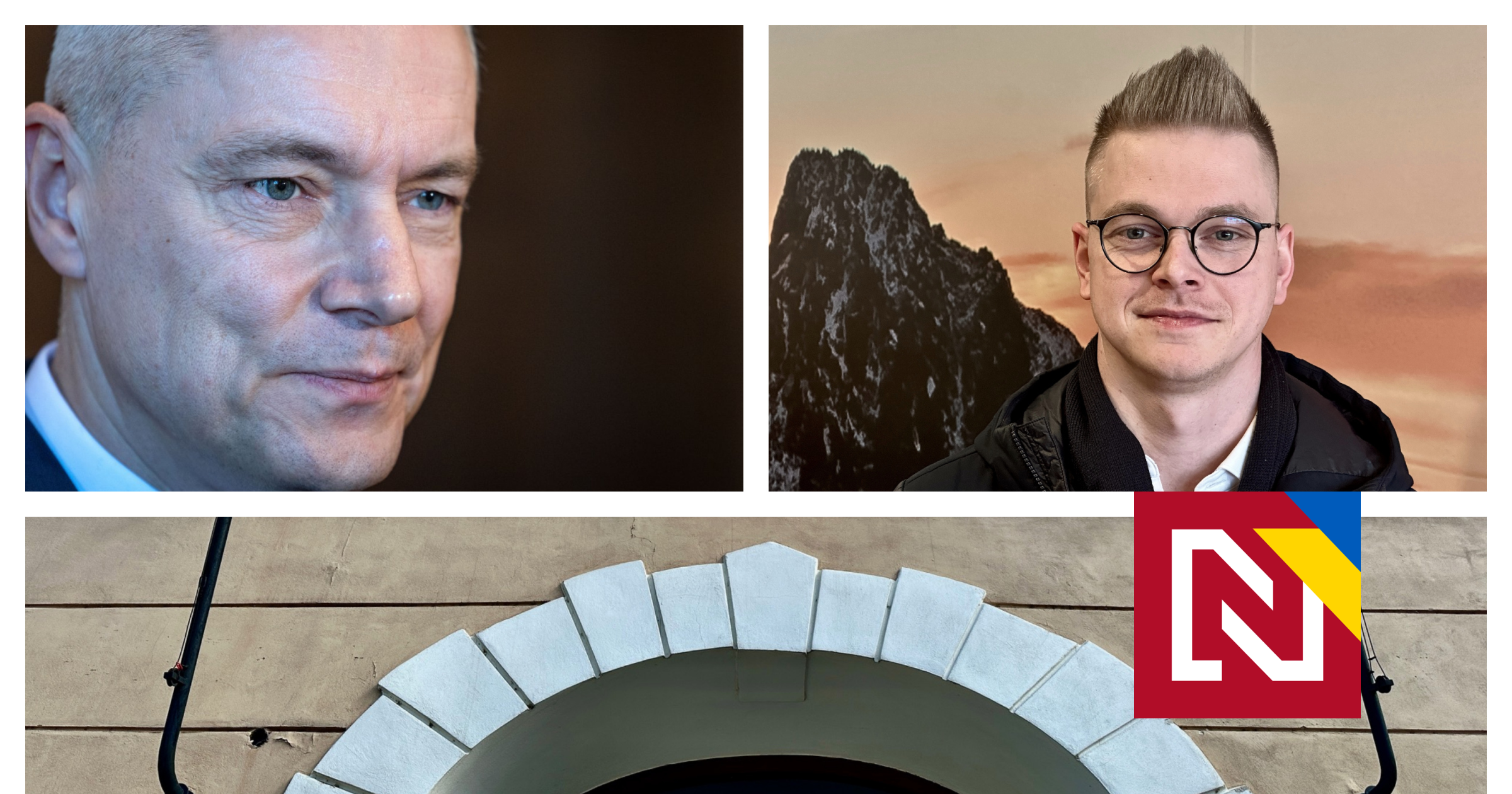
Former Slovak Opposition Leader Reflects on Lessons from Historic 1990s Coalition Building

Ivan Šimko, a key figure in Slovakia's largest opposition coalition formation during the 1990s, has shared insights about the challenges of uniting opposition parties that could inform current political movements. The creation of the Slovak Democratic Coalition (SDK) in the 1990s was neither straightforward nor painless, involving disputes, hesitation, and pressure from then-Prime Minister Vladimír Mečiar's government. Šimko's reflections come as current opposition parties like Progressive Slovakia (PS) and the Christian Democratic Movement (KDH) face similar challenges in building unified opposition coalitions. The SDK was a crucial opposition alliance that helped end Mečiar's rule in 1998, bringing together diverse political parties despite significant internal disagreements and external political pressure from the ruling party.

|
Domestic Politics

Slovakia's Opposition Parties Debate Formation of New Anti-Government Alliance

Slovakia's opposition parties are discussing the formation of a new coalition similar to the Slovak Democratic Coalition (SDK) that successfully challenged Vladimir Mečiar's government in the 1990s. Progressive Slovakia (PS), a liberal pro-European party, is positioning itself as the potential leader of such an alliance, seeking to unite opposition forces against the current government. However, the effort faces resistance from Freedom and Solidarity (SaS), a liberal-conservative party, and the Christian Democratic Movement (KDH), a center-right Christian democratic party, both of which are reportedly reluctant to join such a broad coalition. The original SDK was formed in 1997 as a coalition of opposition parties that successfully defeated Mečiar's authoritarian-leaning government in 1998, bringing Slovakia closer to European integration and NATO membership.

|
Domestic Politics

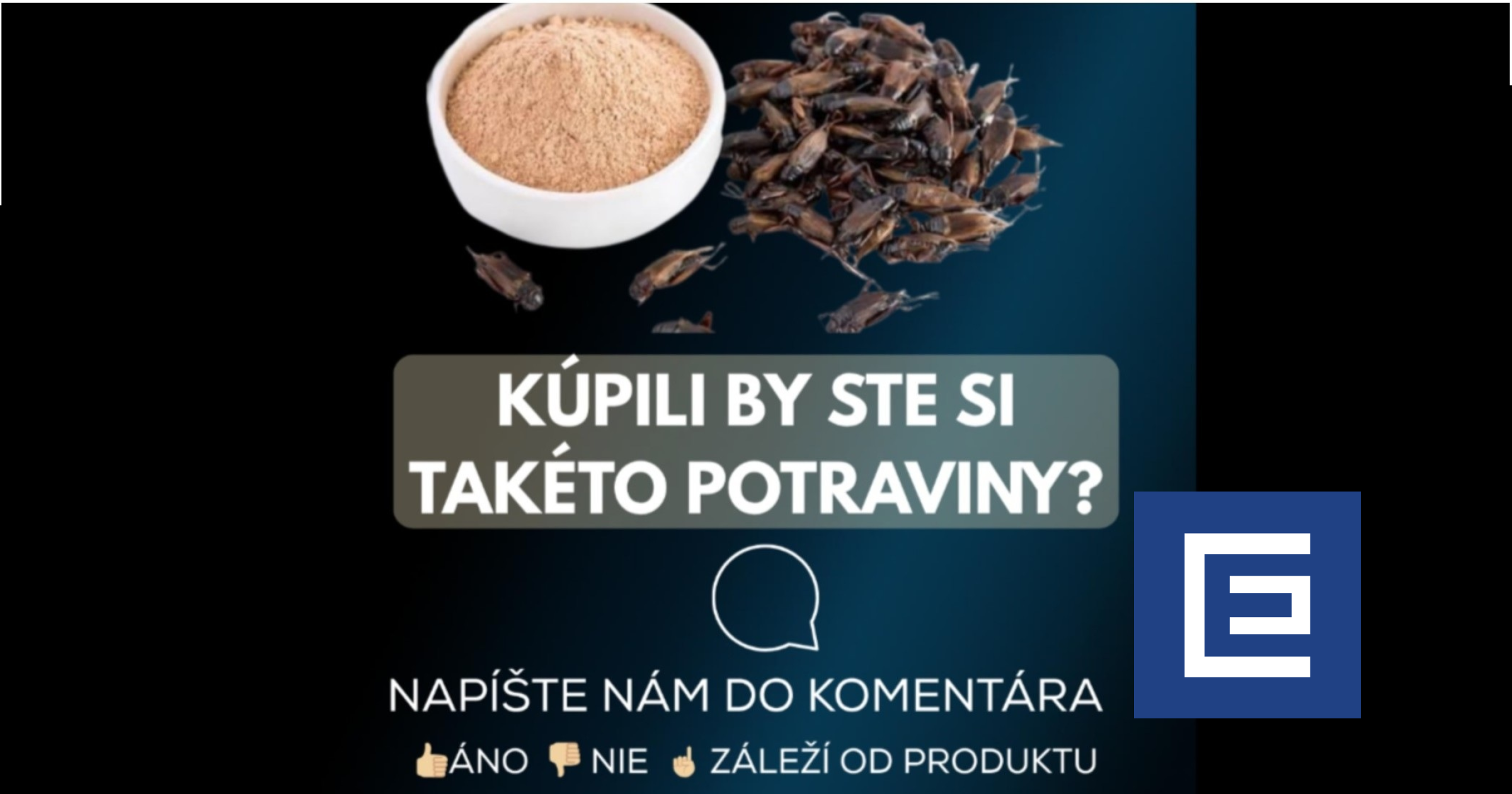
Slovak Parliament Passes Law Banning Insect-Based Foods Despite No Evidence of Sales

Slovakia's parliament has passed legislation banning insect-based foods, championed by Andrej Danko, leader of the Slovak National Party (SNS). Food industry representatives report no knowledge of any insect-containing products currently being sold in Slovak retail chains. The head of the Alliance of Modern Commerce described the SNS-backed measure as the most unnecessary law of the year, suggesting the legislation addresses a non-existent problem. The Slovak National Party, a nationalist party and member of the current ruling coalition, appears to have transformed unsubstantiated rumors about insects in food into formal legislation.

|
Domestic Politics

Criminal Case Possible Over Lustration of Opposition Leader's Mother

A criminal investigation could emerge from the lustration controversy involving the mother of Michal Šimečka, leader of the opposition Progressive Slovakia party. The case centers on historical security file reviews that have become a politically charged issue. Šimečka leads Progressive Slovakia, the largest opposition party in Slovakia's parliament, which has been critical of Prime Minister Robert Fico's government policies. Lustration refers to the post-communist practice of reviewing individuals' past collaboration with the former communist-era secret police, a process that remains sensitive in Slovak politics decades after the 1989 revolution.

|
Domestic Politics

Slovak Prime Minister Proposes Security Detail for Attacked Mayor-MP

Slovak Prime Minister Robert Fico has proposed personal protection for Ján Ferenčák, who serves both as a member of parliament and mayor of Kežmarok, following a weekend attack that is now under police investigation. Ferenčák holds dual roles as both a national legislator in Slovakia's parliament and the elected leader of Kežmarok, a town in northern Slovakia near the Polish border. The incident comes amid heightened concerns about political violence in Slovakia, particularly following the assassination attempt on Fico himself in May 2024, which led to increased security measures for government officials.

|
Domestic Politics

Slovakia faces EU deadline to resolve payment agency accreditation dispute

Slovakia has entered a two-month deadline period during which it must replace the permanent accreditation of its payment agency with temporary accreditation, according to European Commission expectations. During this same timeframe, Slovakia is expected to present proposals for corrective measures to address issues with the agency. Agriculture Minister Richard Takáč maintains that an ongoing audit has not been concluded and says discussions about its findings will not take place until September. The European Commission expects Slovakia's Ministry of Agriculture to act more quickly to resolve the accreditation issues. The payment agency handles the distribution of EU agricultural subsidies to Slovak farmers, and its accreditation status directly affects the country's ability to receive and distribute these funds from Brussels.

|
Domestic Politics

Finance Minister Confident 2027 Budget Will Pass Despite Coalition Challenges

Slovak Finance Minister Ladislav Kamenický expressed confidence that the government coalition will approve the 2027 budget despite growing internal tensions. Kamenický acknowledged that reaching agreements within the ruling coalition will become increasingly difficult as parliamentary elections approach. The statement comes amid ongoing political uncertainty in Slovakia, where the current government coalition led by Smer-SD has faced internal disputes and declining public support. The 2027 budget approval would require the coalition parties to maintain unity despite the pressures of upcoming electoral competition.

|
Domestic Politics

Interior Minister Threatens Disciplinary Action Against Prosecutor Over Social Media Posts

Interior Minister Matúš Šutaj Eštok has indicated he would pursue disciplinary measures against prosecutor Kubina for social media posts about him, while reportedly not taking similar action against other lawyers. The minister expressed concerns about potential damage to public trust in the rule of law. The development highlights tensions between Slovakia's political leadership and judicial officials over public criticism and social media commentary.

|
Domestic Politics

Three Slovak Politicians Face Physical and Verbal Attacks in Quick Succession

Three Slovak politicians were targeted in separate incidents within a short timeframe, according to reports from eastern Slovakia. The incidents included a physical assault on Ferenčák, verbal abuse directed at Turčanová, and death threats made against Majerský. A member of parliament from Poprad attributed the escalating tensions to politicians themselves, suggesting that political rhetoric is contributing to a more hostile environment. The string of incidents highlights growing concerns about political violence and intimidation in Slovakia's current political climate.

|
Domestic Politics

Former IT Worker Challenges Kežmarok Mayor Who Fired Him in 2014

Marek Hovaňák, an IT specialist, will challenge incumbent mayor Ján Ferenčák in Kežmarok's autumn municipal elections. Hovaňák is running with support from three opposition parties: Progressive Slovakia (PS), Freedom and Solidarity (SaS), and Democrats. The race adds a personal dimension as Ferenčák previously dismissed Hovaňák from his position in 2014. This marks the first confirmed challenger to Ferenčák's re-election bid in the eastern Slovak town.

|
Domestic Politics

Delays in R4 Highway Construction Spark Opposition Warnings of Traffic Collapse

Slovakia's opposition parties are raising concerns about delays in the construction of the R4 highway, warning that the postponements could lead to a traffic collapse in the affected regions. The R4 is a major highway project designed to improve transportation infrastructure and reduce traffic congestion in Slovakia. Opposition lawmakers are calling for the issue to be addressed at the parliamentary committee level, seeking greater oversight and accountability for the project's timeline. The R4 highway has been a long-planned infrastructure development aimed at enhancing connectivity and economic development in the regions it serves.

|
Domestic Politics

Slovakia's Ruling Smer Party Spends 1.7 Million Euros on Voter Events in Non-Election Year

Smer-SD, Slovakia's ruling social-democratic party led by Prime Minister Robert Fico, spent nearly 1.7 million euros on public rallies and voter meetings in 2025, despite no elections being scheduled. The expenditure represents 60 times more than what the party's coalition partner, the Slovak National Party (SNS), allocated for similar voter outreach activities during the same period. The substantial spending on public events has raised questions about whether this strategy represents Fico's formula for electoral success, as the party continues to invest heavily in direct voter engagement outside of campaign periods. Smer-SD has been the dominant party in Slovak politics for much of the past two decades and currently leads a coalition government that returned to power in 2023.

|
Domestic Politics

Opposition Party Criticizes Government's Higher Education Law Amendment

Freedom and Solidarity (SaS), an opposition liberal party, has criticized the ruling coalition's proposed amendments to Slovakia's higher education law. The party described the legislative package as confusing and poorly prepared changes that would significantly interfere with the current system for evaluating scientific projects overseen by the Slovak Research and Development Agency (APVV). SaS expressed concerns that the amendments could undermine transparency in academic research funding and evaluation processes. The criticism highlights ongoing tensions between the opposition and Slovakia's governing coalition over education policy reforms.

|
Domestic Politics

Regional Council Approves Healthcare Changes and Artificial Intelligence Initiative

Regional council members approved an Action Plan for 2026 that includes changes to healthcare services and the implementation of artificial intelligence technologies. The plan outlines strategic priorities for the region's development over the coming year, incorporating both healthcare reforms and digital modernization efforts through AI integration.

|
Domestic Politics

Slovakia Considers Postal Voting Measures

Slovak lawmakers are examining proposals for postal voting systems, with officials indicating that mail-in ballot procedures would not pose significant risks to electoral integrity. The discussions come as part of ongoing electoral reform considerations in Slovakia's National Council, the country's parliament. Postal voting has been a topic of debate in various European democracies, with proponents arguing it increases voter accessibility while critics raise concerns about security and verification processes.

|
Domestic Politics

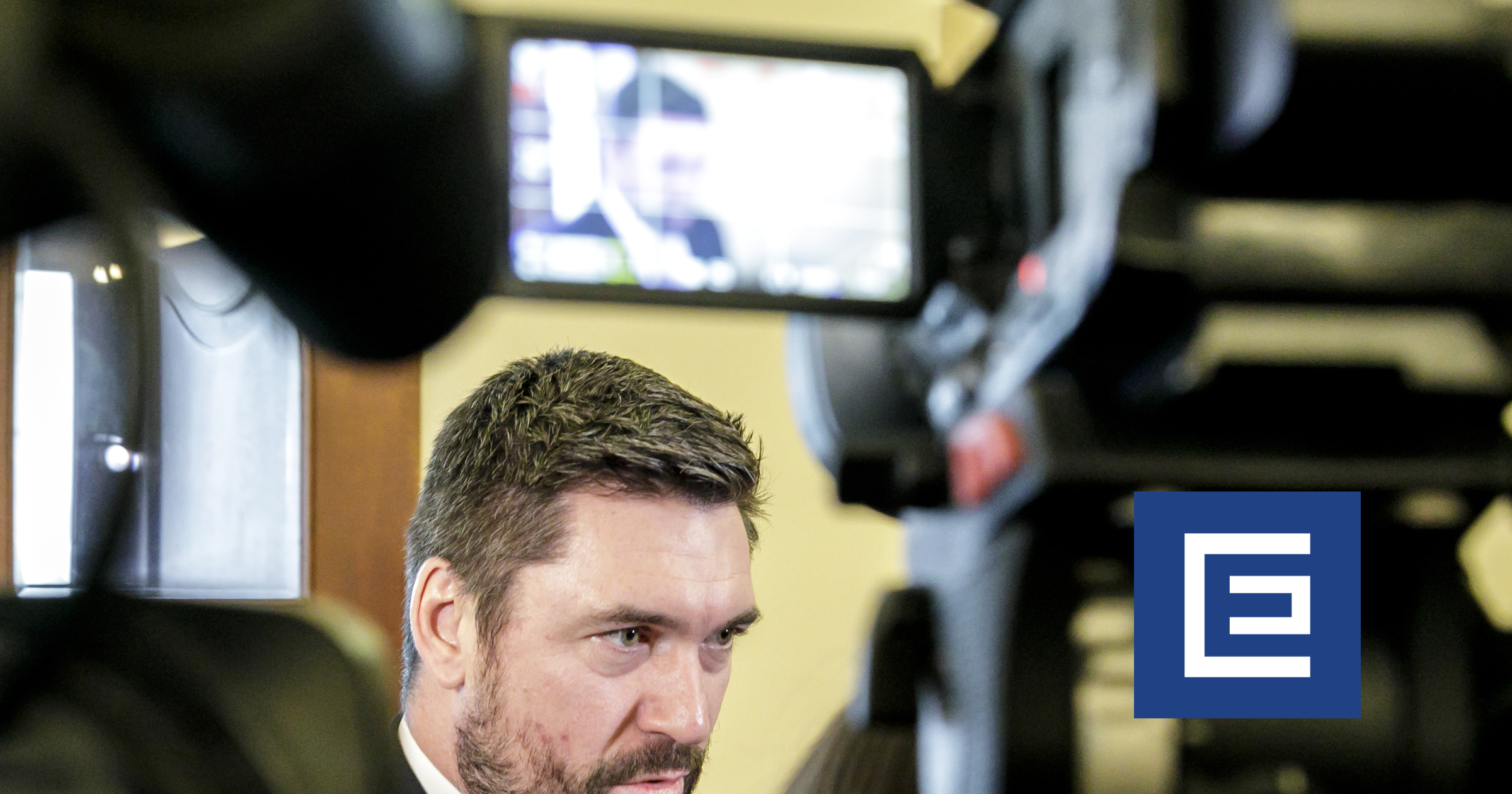
Slovakia Restores Military Jánošík Ensemble Despite Previous Cost-Cutting Abolition

Slovakia's Defense Ministry under Minister Robert Kaliňák is restoring the military Jánošík ensemble, despite the fact that the same cultural unit was previously abolished as a cost-saving measure. The revival comes during a period of government budget consolidation efforts aimed at reducing public spending. When asked about the financial costs of reestablishing the military cultural group, Kaliňák, a member of the ruling Smer-SD party, declined to provide specifics and told reporters to "ask me in two to three months." The decision appears to contradict the government's stated commitment to fiscal austerity, as the ensemble was originally disbanded precisely to save money in the defense budget.

|
Domestic Politics

Slovak Cities Face Legal Uncertainty After State Decision, Municipal Union Says

The Union of Slovak Towns and Cities has criticized the national government for creating problems that municipalities must now deal with. According to the municipal organization, a state decision has transferred legal uncertainty to local governments, forcing cities and towns to bear the consequences of policies they did not create. The Union of Slovak Towns and Cities represents local governments across Slovakia and frequently advocates for municipal interests in disputes with the central government over policy implementation and funding responsibilities.

|
Domestic Politics

Criminal Police Reject Allegations of Illegal Background Check on Opposition Leader's Mother

Slovakia's National Criminal Agency has rejected allegations that it conducted an illegal background check on the mother of opposition leader Michal Šimečka. The controversy centers on claims that financial authorities improperly investigated the family member of Šimečka, who leads the Progressive Slovakia party, the largest opposition party in parliament. The Financial Administration maintains it acted within legal bounds, while a foundation supporting the family alleges abuse of power. Šimečka has characterized the incident as an abuse of state institutions, raising concerns about potential political targeting of opposition figures' relatives.

|