Dávka - Your daily dose of Slovak news
Last refreshed: 07/06/2026 21:40 · 36 articles added
Stories are refreshed at 05:30, 10:30, 15:30, and 21:30 UTC.

Domestic Politics

View all2254 stories
Domestic Politics

Slovak Government Schedules Victory Day Celebrations Two Days After Anniversary

Slovakia's government has scheduled official Victory Day celebrations for two days after the actual anniversary date, raising questions about the timing decision. The move has sparked debate over whether the scheduling was designed to accommodate citizens' participation or to fit Prime Minister Robert Fico's personal schedule. Victory Day commemorates the end of World War II in Europe on May 8, 1945, but the Slovak government has chosen to hold its official ceremonies on May 10. The timing adjustment has drawn scrutiny from political observers who question the government's priorities in organizing state commemorative events.

|
Domestic Politics

Slovak Businessman Explains Secret Recording of Politician's Garage Money Transfer

A businessman from Kežmarok has publicly explained a secretly recorded exchange of money with politician Ján Ferenčák in a garage. Dávid Havira stated the payment was not a loan but compensation for land deals involving Ferenčák. The revelation comes as the secret recording has drawn public attention to the undisclosed financial transaction between the two men.

|
Domestic Politics

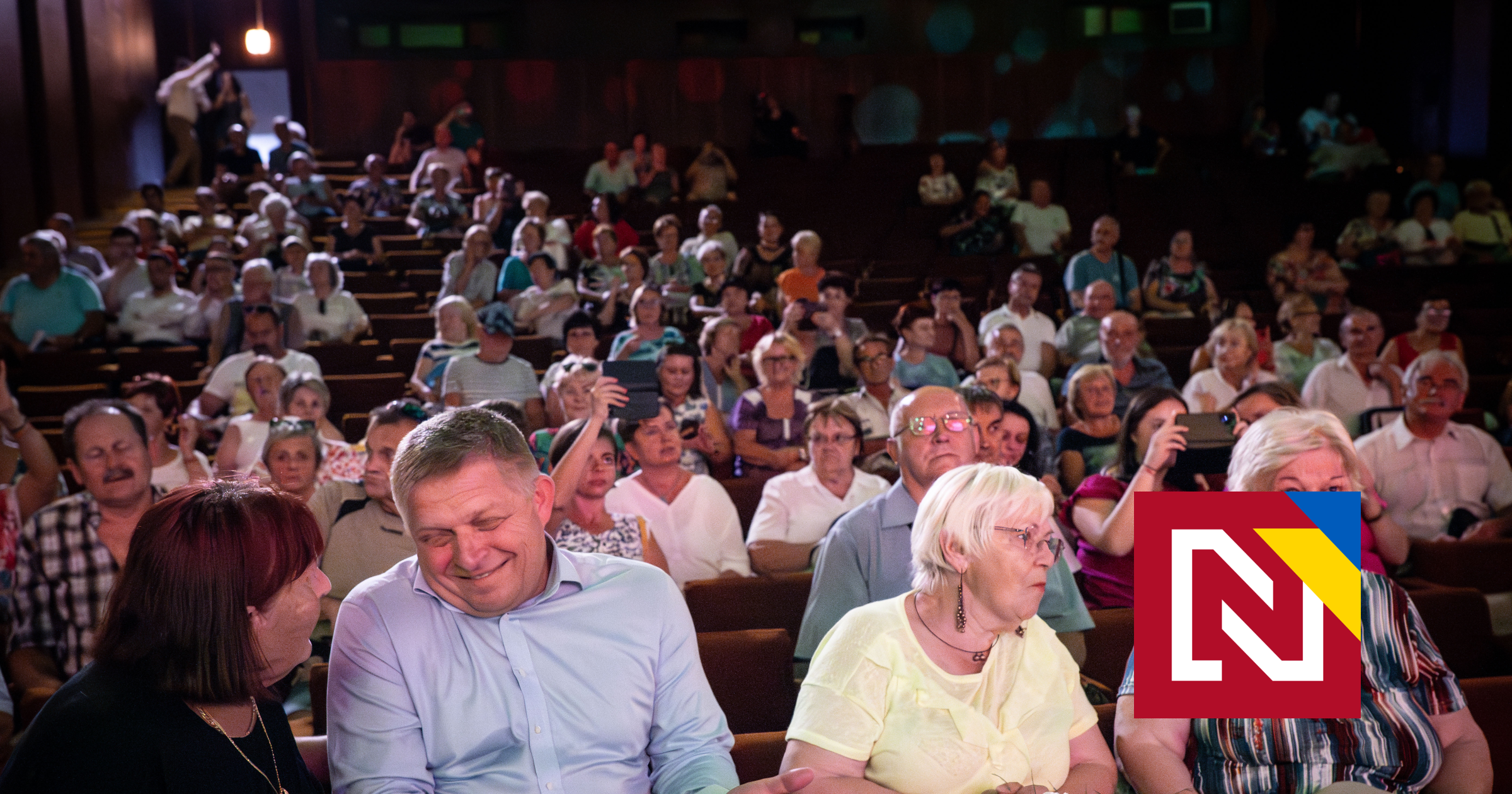
Slovak PM Fico Reconsiders Stance on Private Healthcare After Hospital Visit

Prime Minister Robert Fico appears to be reconsidering his previous opposition to private healthcare companies following a recent visit to a reconstructed surgical department at a hospital in Spišská Nová Ves. The leader of Smer-SD, the ruling social-democratic party, had previously built political support by criticizing private health insurance companies. However, during the recent hospital opening ceremony, Fico reflected on the potential benefits of private sector involvement in Slovakia's healthcare system. The shift in perspective comes amid ongoing debates about the role of private companies in the country's public health infrastructure.

|
Domestic Politics

Slovakia's Ruling Smer Party Signals Thirteenth Pension May Face Cuts

Slovakia's ruling Smer-SD party has indicated that the thirteenth pension, an additional annual pension payment to retirees, is no longer considered untouchable and may face cuts as part of broader budget consolidation measures. The social-democratic party, which leads the current government coalition, had previously defended the benefit as a key social policy achievement. The potential reduction of the thirteenth pension represents a significant policy shift for Smer-SD, which has traditionally positioned itself as a defender of social benefits for pensioners and lower-income citizens. The move appears to be part of preparations for broader spending cuts as Slovakia grapples with fiscal pressures and the need to reduce its budget deficit.

|
Domestic Politics

Political Cartoon Depicts Language Lesson for Smer Wolf

A political cartoon by artist Rosie Naive Art depicts a "language lesson for a Smer wolf," offering satirical commentary on Slovakia's ruling party. The cartoon appears to reference ongoing political discourse around language or communication issues involving Smer-SD, the social-democratic party that leads Slovakia's governing coalition.

|
Domestic Politics

Slovak Parliament Ends Session Debating Income Tax Reform Proposals

Slovakia's parliament concluded its current session on Wednesday with discussions on proposed changes to income tax legislation. Liberal MP Marián Viskupič presented four amendments during the joint debate, including reforms to asset depreciation rules, taxation of virtual currency sales, and real estate taxation. The National Council, Slovakia's parliament, will reconvene on Thursday to continue legislative work. The proposals represent part of ongoing efforts to modernize Slovakia's tax system, particularly addressing emerging issues like cryptocurrency transactions that have become more prevalent in recent years.

|
Domestic Politics

Prison Guards Among Those Charged in Major Drug and Mobile Phone Smuggling Operation

Slovak police conducted a major operation called "Tábor" in early May targeting an extensive smuggling network that brought drugs and mobile phones into prisons. Among those charged in the case is at least one prison guard, highlighting corruption within the country's correctional system. The operation represents a significant crackdown on contraband smuggling that has long plagued Slovak prisons, where mobile phones and narcotics are often smuggled to inmates through corrupt staff or elaborate schemes involving visitors and suppliers.

|
Domestic Politics

Hungarian Alliance Opens Talks with Slovak Opposition Parties

The Hungarian Alliance, Slovakia's main ethnic Hungarian political party, announced it will initiate negotiations with opposition parties after recently ruling out cooperation with the governing Smer-SD social-democratic party and the far-right Republic party. Party leader László Gubík said they would engage with what he described as "Christian democrats" and "liberals" without specifying which parties, though he has already held informal meetings with Milan Majerský, leader of the Christian Democratic Movement (KDH), a center-right opposition party. The move signals a potential realignment for the Hungarian Alliance, which represents Slovakia's ethnic Hungarian minority and has previously been part of various coalition governments.

|
Domestic Politics

Prosecutor Loses Case Files in Major Police Corruption Trial as Parliamentary Official Escapes Court

Prosecutor Michal Šúrek lost the case files for the high-profile Očistec corruption case in summer 2024 when he was charged by the police inspection unit, preventing him from attending the trial scheduled to begin Monday at the Specialized Criminal Court. The case has been delayed for over four years since the indictment was filed, during which time the main defendant, former police chief Tibor Gašpar, has been elected as deputy speaker of parliament representing Smer-SD, the ruling social-democratic party. Šúrek maintains he stands behind his prosecution of the case and expressed regret that he cannot defend his work in court. The Očistec case represents one of Slovakia's major police corruption investigations, and Gašpar's rise to high political office while facing criminal charges highlights the intersection of law enforcement scandals and political power in the country.

|
Domestic Politics

Slovak Prosecutor Who Charged Police Chief in Major Corruption Case Removed Before Trial

Prosecutor Michal Šúrek lost control of the Očistec corruption case in summer 2024 when he was charged by Slovakia's police inspection unit, preventing him from attending the trial that finally begins on May 11. Šúrek filed the original charges more than four years ago against former police chief Tibor Gašpar and others in what became known as the Očistec case, one of Slovakia's major corruption investigations. Gašpar, who was police president when charged, has since become deputy speaker of parliament representing Smer-SD, the ruling social-democratic party, and regularly uses public platforms to defend himself against the allegations. The prosecutor maintains he stands behind his original indictment but expressed regret that he cannot defend his work in court, highlighting concerns about the timing of his removal just as the long-delayed trial was set to begin.

|
Domestic Politics

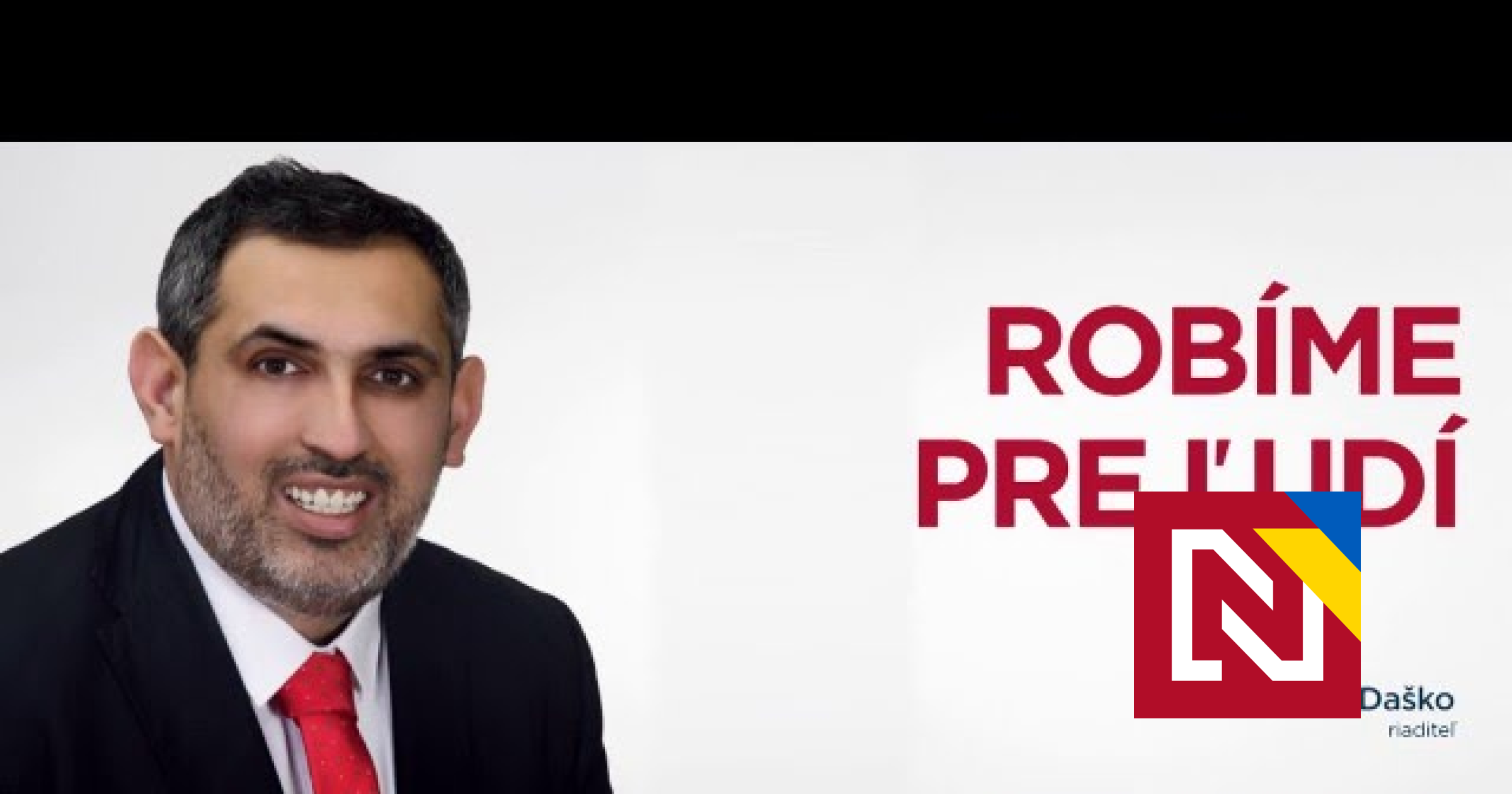
Slovak Government Strips Roma Affairs Commissioner of Control Over Funding

The Slovak government has removed Roma affairs commissioner Alexander Daško from control over millions of euros in funding for Roma community projects. Prime Minister Robert Fico appointed Daško, a loyal member of the ruling Smer party, to the position after the 2023 elections to oversee the distribution of project funding. Five sources close to the commissioner's office confirmed that the Government Office has been dissatisfied with Daško's performance due to his inability to effectively manage the role, and that a department head has been unofficially running the commissioner's office for some time. The decision transfers significant financial authority away from the appointed commissioner to the head of the Government Office, marking a notable shift in how Slovakia manages funding for its Roma minority community programs.

|
Domestic Politics

Slovak Political Enclave Emerges in Croatian Coastal Town

The small Croatian coastal town of Sukošane near Zadar has transformed into an unofficial Slovak political hub, with a white villa on the waterfront serving as a meeting point for politicians from multiple Slovak parties. The property has drawn together interests from Hlas-SD, the ruling social-democratic party led by Prime Minister Peter Pellegrini, Smer-SD, the largest opposition party, and various non-parliamentary opposition groups. The development highlights the informal networks that connect Slovak political figures across party lines, with the Croatian coastal location serving as neutral ground for political discussions away from domestic scrutiny. The emergence of this political enclave demonstrates how Slovak politicians maintain relationships and conduct business outside the formal parliamentary setting.

|
Domestic Politics

Former SaS Leader Sulík Launches New Party, Warns of Vote Splitting

Richard Sulík, founder and former leader of the liberal Freedom and Solidarity party (SaS), announced he will compete against his former party in upcoming elections with a new political formation. Sulík warned that if his new party causes vote splitting among liberal voters, allowing Robert Fico's Smer-SD to return to power, the current SaS leadership will bear responsibility for the outcome. Sulík outlined his political platform, promising tax reductions and the restoration of the National Anti-Crime Agency (NAKA) and the Special Prosecutor's Office (ÚŠP), both of which were abolished by the current government. He indicated openness to cooperation with We Are Family party leader Boris Kollár and Martin Winkler, who is challenging incumbent Matúš Vallo for Bratislava mayor. Sulík also suggested he might run alongside his son on the ticket. The announcement represents a significant fracture within Slovakia's liberal political space. SaS currently serves in the opposition after losing power when Fico's Smer-SD returned to government following the 2023 elections. Sulík's entry into electoral competition could further fragment the opposition vote, potentially benefiting the ruling social-democratic Smer-SD party in future elections.

|
Domestic Politics

Slovak Organized Crime Unit Releases All Suspects After Raids in Southern Slovakia

The National Unit for Combating Organized Crime (ÚBOK) has released all suspects detained during recent raids in southern Slovakia, including the son of a cemetery keeper connected to the Sátoraljaújhely area. After conducting a series of interrogations, police decided to release all individuals who had been taken into custody during the operation. The ÚBOK is Slovakia's specialized law enforcement unit responsible for investigating organized crime, corruption, and serious criminal offenses. The raids targeted suspects in the southern region of the country, though specific details about the nature of the investigation or charges have not been disclosed.

|
Domestic Politics

Opposition Deputy Calls for Strategic Coalition Against Ruling Smer Party

Ágoston Renczes, deputy chairman of Slovakia's National Council from the opposition Progressive Slovakia party, has outlined strategies for defeating the ruling Smer party in future elections. Writing in an opinion piece, Renczes argued that unlike neighboring Hungary's Fidesz party under Viktor Orbán, Smer has not concentrated as much power or built as sophisticated a system of control despite its clear ambitions to do so. He emphasized that Slovakia maintains a proportional electoral system, unlike Hungary's more restrictive framework, and stressed that the key to electoral victory against Smer lies in persuading voters rather than relying solely on electoral mechanics. Progressive Slovakia is part of the liberal opposition coalition that has been challenging the current government led by Prime Minister Robert Fico's Smer-SD party, which returned to power following elections in 2023.

|
Domestic Politics

Fico's Political Future Tied to Balancing Pro-European and Pro-Russian Voters

Slovak Prime Minister Robert Fico's political survival depends on his ability to balance different voter segments, according to political analysis. Fico faces the challenge of maintaining support from both pro-European voters and pro-Russian extremist factions within his coalition. This balancing act reflects the ideological tensions within Slovakia's ruling government, where Fico's Smer-SD party must navigate between maintaining European Union relationships while accommodating more radical pro-Russian elements. The analysis suggests that Fico's future political success will depend on his ability to keep these divergent political forces unified under his leadership.

|
Domestic Politics

Slovak Ministry Backs 'Right to Stay' Initiative for Regional Development

Slovakia's government is supporting a 'right to stay' initiative aimed at developing the country's regions, according to Minister Migaľ. The minister stated that the problem particularly affects eastern Slovakia, where economic opportunities and infrastructure lag behind other parts of the country. The initiative appears designed to address regional disparities that have led to population migration from less developed areas, particularly in Slovakia's eastern regions, to more prosperous parts of the country or abroad.

|
Domestic Politics

Slovak Government Approves Digital Platform Law That Could Reclassify Gig Workers as Employees

The Slovak government approved new legislation that could transform independent contractors working through digital platforms into full employees under certain conditions. The law establishes that platform workers can be considered employees if the platform controls their work, determines their pay, schedules their hours, or monitors their performance quality. Under the new rules, digital platforms will be required to provide transparency about how they assign work, monitor worker performance, and influence earnings. The legislation aims to improve working conditions for people who earn income through digital platforms, addressing the growing gig economy where workers often lack traditional employment protections and benefits.

|
Domestic Politics

Constitutional Court Rules Government Heat Cost Regulation Unconstitutional

Slovakia's Constitutional Court declared a government regulation on heat cost allocation in apartment buildings unconstitutional following a challenge by opposition lawmakers. The opposition members argued that the regulation's provisions violated property rights protections. The Constitutional Court, Slovakia's highest judicial authority on constitutional matters, sided with the opposition's argument that the heat allocation rules conflicted with fundamental property ownership guarantees enshrined in the constitution.

|
Domestic Politics

Smer-SD Rules Out Changes to 13th Pension During Current Parliamentary Term

Slovakia's ruling Smer-SD party has declared it will not allow any modifications to the country's 13th pension during the current parliamentary term. Party representative Richter stated that the governing coalition will not divide itself over this issue and that the government's program statement remains binding for all coalition partners. The 13th pension is an additional annual payment to retirees that serves as a form of Christmas bonus, representing a significant social benefit in Slovakia's pension system. The statement appears aimed at maintaining unity within the ruling coalition, which includes Smer-SD as the dominant social-democratic party, amid ongoing debates about social spending and fiscal policy.

|