
Dávka - Your daily dose of Slovak news
Last refreshed: 08/06/2026 15:40 · 65 articles added
Stories are refreshed at 05:30, 10:30, 15:30, and 21:30 UTC.

Culture

View all1387 stories
Culture

Palm Sunday Reflection: A Quiet Prelude to Easter Week

Palm Sunday arrives with quiet humility, marked by the gentle shadows of willow branches against windows and the soft sound of budding branches carrying the weight of the approaching Easter week. Hazel catkins scatter yellow pollen with each gust of wind, coating tree bark crevices. The article presents a contemplative meditation on the religious significance of Palm Sunday, emphasizing its role as a moment of reflection before the intensity of Holy Week in the Christian calendar.

|
Culture

Slovak Public Television Cancels Broadcast of Radio Awards Ceremony

Slovak public television STVR has decided to cancel the broadcast of a recording from the Radio Awards ceremony. The decision appears to be connected to broader programming changes at the public broadcaster. STVR is Slovakia's state-funded television and radio service, which has faced ongoing political scrutiny over its editorial independence and programming decisions in recent years.

|
Culture

New Book Explores Economic Role of Rural Women in Slovak Households

A new publication by author Joanna Kuciel-Frydryszak examines the harsh realities faced by rural women who carried the economic burden of their households while enduring difficult living conditions including hunger and physical hardship. The book, which focuses on the crucial but often overlooked role these women played in sustaining family economies, has been praised as essential reading that should be in every household. The work sheds light on the experiences of rural women who, despite facing beatings, hunger, and worn-down conditions, remained the backbone of domestic economic life.

|
Culture

Slovak Village Unveils Memorial Marking Century of Folk Tradition

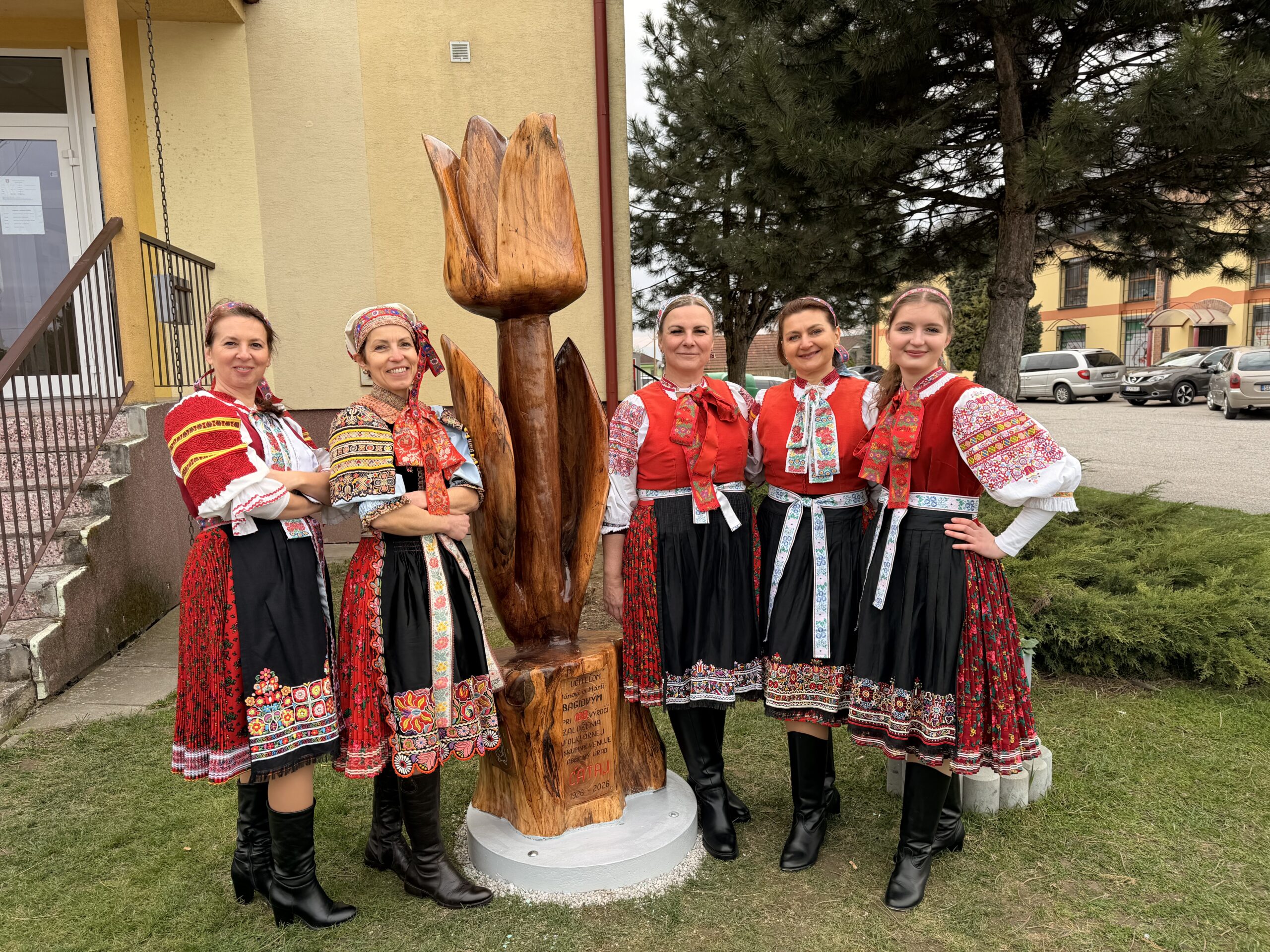
The village of Čataj in western Slovakia ceremonially unveiled a new memorial called "Tulipán" carved from walnut wood, positioned in front of the municipal office. The monument symbolically commemorates the approaching centennial of the community's first documented folk performance, marking a significant milestone in the preservation of local cultural heritage. The memorial represents the village's commitment to honoring its folkloric traditions as it prepares to celebrate 100 years of documented cultural expression.

|
Culture

Oponice Library Displays Historical Treasures from Pre-Mohács Battle Period

The Apponyi Library in Oponice is showcasing rare historical artifacts from the period before the 1526 Battle of Mohács, one of the most decisive conflicts in Hungarian and Central European history. The exhibition features treasures from the Apponyi family collection, with presentations guided by elderly family patriarch Apponyi himself. The Battle of Mohács marked the end of medieval Hungary's independence, when Ottoman forces defeated the Hungarian army and killed King Louis II, leading to the partition of the Hungarian Kingdom. The library's collection offers insights into this pivotal period when the region faced dramatic political upheaval that would reshape Central Europe for centuries.

|
Culture

Spring Cannot Be Turned Off

A Slovak commentator reflects on the country's artistic heritage while traveling through the landscape, noting the many painters who have captured the nation's natural beauty. The piece emphasizes the abundance of artists who have documented Slovakia's countryside through their work, suggesting a rich cultural tradition of landscape painting that continues to inspire contemporary observers.

|
Culture

Slovak Artists Continue Legacy of Landscape Painting Tradition

A reflection on Slovakia's rich tradition of landscape painting reveals the enduring connection between the country's natural beauty and its artistic heritage. As observers traverse the Slovak countryside, they are reminded of the numerous artists who have captured these scenes on canvas throughout history. The continuation of this artistic tradition demonstrates the lasting appeal of Slovakia's landscapes as subjects for creative expression, with many contemporary artists following in the footsteps of their predecessors who found inspiration in the country's diverse terrain.

|
Culture

Nazi Cultural Diplomacy Failed to Control Slovak Culture, Study Shows

A new study reveals that Nazi Germany's attempts to control Slovak culture through cultural diplomacy were unsuccessful. Despite systematic efforts to influence the cultural sphere during World War II, the Nazi regime failed to establish effective control over Slovakia's cultural institutions and artistic expression. The research examines how Slovak cultural life resisted Nazi ideological influence even under the wartime Slovak state, which was aligned with Germany from 1939 to 1945.

|
Culture

Slovak Book Festival Enters Crisis Mode After State Funding Cuts

The BRaK book festival in Slovakia has been forced into crisis mode after losing tens of thousands of euros in expected state funding. Festival organizers report facing closed doors instead of constructive dialogue and fighting for basic survival rather than receiving approved grants. The funding crisis stems from problems at the Arts Support Fund (FPU), Slovakia's main cultural funding body. The festival organizer described the situation as a breakdown of the funding system, forcing cultural institutions to operate in emergency mode. The development reflects broader challenges facing Slovakia's cultural sector amid apparent reductions in state support for the arts.

|
Culture

Trnava's Municipal Theater Pracháreň Enters Public Space

A new municipal theater called Pracháreň has launched in Trnava, a city in western Slovakia. The theater plans to dedicate three weeks of each month to children's performances and one week to adult audiences. The venue represents an expansion of cultural offerings in Trnava, which serves as the administrative center of the Trnava Region and is located about 50 kilometers northeast of Bratislava.

|
Culture

Interactive Danube Exhibition Opens at Bibiana Children's Museum in Bratislava

A new interactive exhibition titled "AHOJ! Dunaj" (Hello! Danube) has opened at the Bibiana International House of Art for Children in Bratislava. The exhibition takes visitors on a symbolic journey along the course of the Danube River, offering an educational experience about Central Europe's major waterway through interactive displays.

|
Culture

Slovak Public Television Chief Tells Artists to Find Success Outside STVR After Halting Program Broadcast

Martina Flašíková, the director-general of Slovak Radio and Television (STVR), told artists to "find success outside STVR" after she stopped the broadcast of a recording from Rádiohláv, a cultural program. The move has prompted artists to question whether this constitutes censorship. Flašíková issued an open letter following the controversy over her decision to halt the program's transmission. STVR is Slovakia's public broadcasting service, funded by taxpayers and expected to maintain editorial independence. The incident has raised concerns about media freedom and the role of public broadcasting in supporting Slovak arts and culture.

|
Culture

Slovak Village Mayor Recalls Failed Attempt to Bring Terminator Film to Utekáč

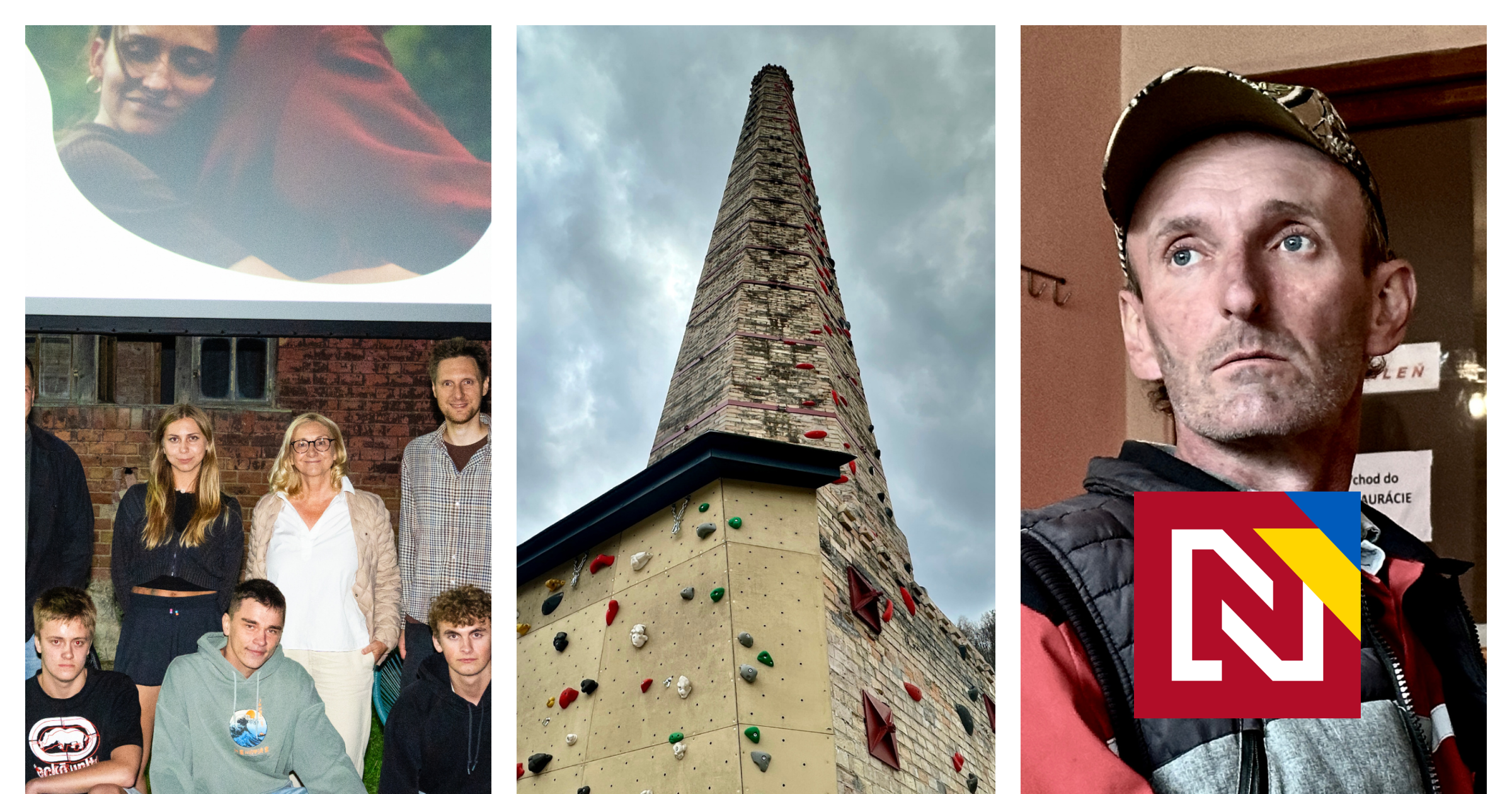
The mayor of Utekáč, a small Slovak village, revealed that his community nearly hosted the filming of a Terminator movie sequel eleven years ago. Miroslav Barutiak, the village's mayor, said he proposed to American filmmakers that they use the ruins of former local glassworks as a filming location, noting the industrial ruins resembled a war zone perfect for the science fiction franchise. The village made it into the top five potential filming locations but was ultimately not selected for the production. Utekáč is located in what locals call a "hungry valley" but has gained recognition as a notable "film village" in Slovakia, though this particular Hollywood opportunity did not materialize.

|
Culture

Volunteers Restore Historic Molpír Hillfort in Little Carpathians

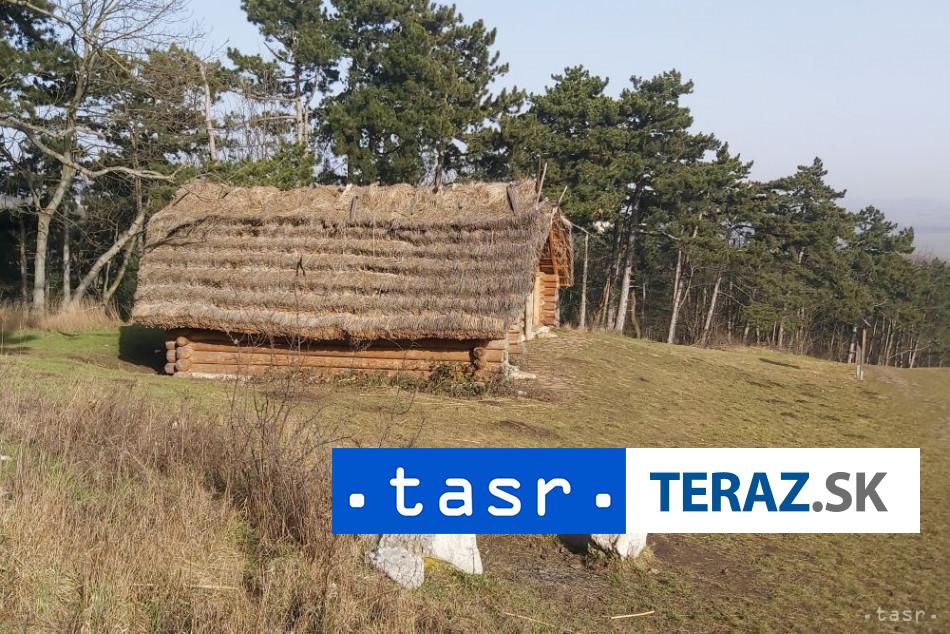
Volunteers have completed restoration work on the Molpír hillfort, one of the region's most important archaeological sites located in the Little Carpathians mountain range. The hillfort represents a key piece of Slovakia's ancient heritage, with the volunteer effort helping to preserve this significant historical location for future generations. The Little Carpathians, which stretch along Slovakia's western border, contain numerous archaeological remnants from various historical periods, making sites like Molpír valuable for understanding the area's pre-medieval settlement patterns.

|
Culture

Travel Tip: Monastery Ruins in Heart of Europe Reveal Fascinating Stories of Lost Heritage

European monastery ruins offer visitors glimpses into institutions that once shaped the continent's education and spiritual life. These deteriorating walls now rank among Europe's most valuable historical monuments, preserving stories of religious communities that played crucial roles in medieval society. The ancient monasteries served as centers of learning, preserving knowledge through centuries of political upheaval and social change. Today, these archaeological sites attract tourists seeking to understand Europe's religious and cultural heritage through the remnants of once-thriving monastic communities.

|
Culture

Slovak Public Television Cancels Broadcast of Radio_Head Awards After Critical Remarks

Slovakia's public television STVR canceled its planned broadcast of the Radio_Head Awards ceremony after several artists used the event to voice criticism of recent management changes at the broadcaster. Singer Ibsenová questioned whether the decision amounted to censorship during a live broadcast. Michal Kaščák from the cult band Bez ladu a skladu publicly defended employees who were recently dismissed from STVR. The incident highlights growing tensions surrounding Slovakia's public media landscape, as STVR has faced scrutiny over personnel changes and editorial independence. The cancellation of the awards broadcast has raised concerns about media freedom and the potential suppression of critical voices on the country's public television network.

|
Culture

Dresden Museum to Return Cranach Painting That Disappeared During World War II

A portrait by renowned Renaissance artist Lucas Cranach will be returned to Dresden after disappearing during World War II. The painting depicts Elector Frederick III of Saxony and was discovered in private ownership in France. The work, which vanished during the wartime chaos that saw countless artworks looted or displaced across Europe, represents one of many cultural treasures that have gradually been traced and returned to their original locations in recent decades. Dresden's art collections suffered significant losses during the war, making such restitutions particularly meaningful for the German city's cultural institutions.

|
Culture

Oscars to Leave Hollywood After 2028, Moving to Downtown Los Angeles

The Academy Awards will relocate from Hollywood to downtown Los Angeles starting with the 2029 ceremony, organizers announced. The ceremony will be held at the Peacock Theater, which is part of the expansive L.A. Live entertainment complex. The Oscars are widely regarded as the most prestigious awards in the film industry, primarily recognizing films produced in Hollywood itself.

|
Culture

Artist Uncovers Forgotten Art on Prievidza Housing Estate

Artist Tomáš Pekár is working to rediscover and document forgotten sgraffito artworks on residential buildings in Prievidza, a city in western Slovakia. Pekár claims that nowhere else in Slovakia do apartment buildings feature as many sgraffito decorations as those found in his hometown. Sgraffito is a decorative wall technique involving scratching through layers of plaster to reveal contrasting colors underneath, which was commonly used to ornament socialist-era housing developments across former Eastern Bloc countries. The project aims to preserve awareness of this architectural heritage that adorns many residential buildings but has often been overlooked or forgotten over time.

|