Dávka - Your daily dose of Slovak news
Last refreshed: 06/06/2026 05:37 · 25 articles added
Stories are refreshed at 05:30, 10:30, 15:30, and 21:30 UTC.

Science & Tech

View all461 stories
Science & Tech

Nearly 18 Percent of Global Workforce Uses Artificial Intelligence, Study Shows

Nearly 18 percent of the world's working population now uses artificial intelligence in their jobs, according to new research. The study reveals a growing digital divide between developed and developing nations in AI adoption rates. While advanced economies are rapidly integrating AI technologies into their workplaces, developing countries are falling further behind, creating an expanding gap in technological capabilities and potentially widening economic disparities between regions.

|
Science & Tech

Slovak Technical Universities Launch Joint AI Study Program

Slovak technical universities have launched a new joint study program focused on artificial intelligence. The program will be conducted in English, making it accessible to both domestic and international students. The initiative represents a collaborative effort among Slovakia's technical education institutions to strengthen the country's capabilities in AI education and research, responding to growing demand for specialists in artificial intelligence and machine learning fields.

|
Science & Tech

Heart's Mechanical Force May Prevent Cancer Development, Study Suggests

New research suggests that the mechanical force generated by the heart's beating may create an inhospitable environment for cancer development, potentially explaining the historically low occurrence of tumors in heart tissue. The findings challenge previous explanations for why cardiac cancers are relatively rare compared to other organs. Scientists believe the constant physical stress and pressure from the heart's rhythmic contractions may actively prevent cancer cells from establishing themselves and growing in cardiac tissue, offering a new perspective on natural cancer resistance mechanisms.

|
Science & Tech

Slovakia Exhausts Annual Natural Resources, Now Living in Ecological Deficit

Slovakia has depleted its natural resources for the year and is now operating in ecological deficit, consuming more than the country's ecosystems can sustainably provide. This environmental debt manifests in various environmental problems including droughts, floods, and declining biodiversity. The milestone marks the point when Slovakia's consumption of natural resources exceeds what its ecosystems can regenerate within a year, forcing the country to rely on resources from other regions or deplete its natural capital.

|
Science & Tech

Helium: Earth's Most Precious Gas Being Irreversibly Lost to Space

Helium, the second most abundant element in the universe, represents one of Earth's most valuable and irreplaceable resources as the planet continuously loses this noble gas to space. The element, discovered on the Sun before being found on Earth, continues to surprise scientists with its unique properties that make it essential for medical imaging, scientific research, and various industrial applications. Unlike other gases, helium cannot be manufactured artificially and escapes Earth's atmosphere when released, making its depletion a growing concern for industries dependent on its special characteristics, including its ability to remain liquid at extremely low temperatures and its chemical inertness.

|
Science & Tech

AI Assistant Makes Ethnic Assumptions Despite Having Correct Information

An artificial intelligence assistant incorrectly assumed a user's wife must be Indian based on the user's apparent ethnicity, despite having access to correct information that contradicted this assumption. The incident highlights ongoing issues with AI systems making stereotypical assumptions about people's relationships and family members based on perceived ethnic or cultural backgrounds, even when the technology has been provided with accurate data that should prevent such biased conclusions.

|
Science & Tech

Weekly Science Podcast Warns of Potential Ocean Current Collapse

Slovak media outlet SME has featured warnings about the potential collapse of a crucial ocean current system in its weekly science podcast. The podcast, which covers the latest developments in scientific research, highlighted concerns about major oceanic circulation patterns that play a vital role in global climate regulation. Such ocean currents are critical for distributing heat around the planet and maintaining stable weather patterns across different regions.

|
Science & Tech

Timmy the Humpback Whale Likely Dead After GPS Tracker Goes Silent

A male humpback whale named Timmy has likely died after his GPS tracking device stopped transmitting signals, German biologists have reported. The tracking equipment only functions when the whale surfaces to breathe, indicating that Timmy may have perished underwater. The vessel Fortuna B, which was equipped with specialized transport equipment for the whale, has had its tracking system deactivated since Sunday evening and its current location is unknown. Timmy had gained attention as part of marine wildlife monitoring efforts in European waters.

|
Science & Tech

Home heating identified as main source of air pollution in Kysucké Nové Mesto

Slovakia's meteorological and environmental monitoring service SHMÚ has identified home heating as the primary producer of particulate matter pollution in Kysucké Nové Mesto, a town in northern Slovakia. The agency conducted a detailed analysis of all 15 operators of large and medium-sized stationary pollution sources operating in the district. SHMÚ is Slovakia's national hydrometeorological service responsible for weather forecasting and environmental monitoring, including air quality assessments. The finding highlights ongoing air quality challenges in Slovak towns during heating seasons, when residential wood and coal burning typically increases pollution levels.

|
Science & Tech

New Protected Area for Bustards and Falcons to Be Established in Sysľovské Fields

A new protected area will be created in the Sysľovské Fields region to safeguard habitat for endangered bird species including bustards and falcons. The Slovak Ornithological Society (SOS), which operates as BirdLife Slovakia, owns several hectares of land in the area that will form part of the protected territory. The designation aims to preserve critical nesting and feeding grounds for these vulnerable bird species in what is considered an important birding area in Slovakia.

|
Science & Tech

Slovakia Advances Climate Change Adaptation Strategy for Public Review

The Slovak Ministry of Environment has advanced the country's Climate Change Adaptation Strategy to the public consultation phase. The strategy aims to integrate climate change considerations across all government policies. This represents a significant step in Slovakia's efforts to prepare for the impacts of climate change through comprehensive policy coordination across different sectors of government.

|
Science & Tech

Slovak Environmental Initiative 'Living Landscape' Enters Fifth Year

The environmental initiative called 'Living Landscape' (Krajina živá) is beginning its fifth year of operation. The program focuses on how farmers serve as the last bastions of biodiversity preservation in Slovakia's countryside. The initiative appears to work with agricultural communities to maintain ecological diversity in rural areas, recognizing farmers as crucial guardians of natural habitats and species protection in an increasingly developed landscape.

|
Science & Tech

Slovakia Reports No Air Quality Limit Breaches Despite Seasonal Pollution Issues

Slovakia experienced typical seasonal air pollution problems last year but did not exceed official air quality limits at any monitoring station across the country. The findings indicate that while seasonal pollution patterns continued to affect air quality, they remained within acceptable regulatory thresholds. Slovakia operates a network of air quality monitoring stations that track pollution levels throughout the year, with seasonal variations typically occurring during winter months when heating increases emissions and weather conditions can trap pollutants closer to the ground.

|
Science & Tech

Geneticists Reveal How the Fall of the Roman Empire Unfolded

Scientists have used genetic analysis to provide new insights into the collapse of the Roman Empire. The research offers a fresh perspective on one of history's most significant political and social transformations, using modern genetic techniques to understand population movements and changes during the empire's decline. The study represents part of ongoing scientific efforts to apply contemporary analytical methods to historical questions, potentially reshaping understanding of how major civilizations fall.

|
Science & Tech

Slovak Media Commentary Explores Surveillance Technology in Buildings

A Slovak technology commentary piece examined how surveillance systems in buildings affect people's sense of privacy and comfort. The analysis looked at the psychological and social implications of living and working in environments where monitoring technology is increasingly present.

|
Science & Tech

Traditional Slovak Herbal Medicine: Burdock Root Shows Liver-Supporting Properties

Burdock root, a plant commonly used in traditional Slovak herbal medicine, has demonstrated liver-supporting properties in scientific studies. Research has confirmed the hepatoprotective qualities of the herb, particularly its root, which contains inulin and chlorogenic acid compounds that exhibit immune-modulating effects. Traditional preparation involves steeping the root in hot water for regular consumption as a natural liver support remedy.

|
Science & Tech

John Craig Venter, Scientist Who Decoded Human Genome, Dies

John Craig Venter, the American scientist who played a pivotal role in sequencing the human genome, has died from unexpected side effects of cancer treatment, according to the J. Craig Venter Institute that bears his name. The institute announced that Venter had been diagnosed with cancer only recently. Venter was a pioneering figure in genomics research who led efforts to decode human DNA in the early 2000s through his private company Celera Genomics, competing with the publicly funded Human Genome Project. In 2010, his team achieved another scientific milestone by creating the first self-replicating bacterial cell with a synthetic genome, marking a breakthrough in synthetic biology and demonstrating the possibility of creating artificial life forms.

|
Science & Tech

Spotify Introduces New Verification System to Distinguish Human Musicians from AI-Generated Content

Spotify has unveiled a new verification system designed to differentiate between human musicians and artificial intelligence-generated content on its platform. The streaming service will begin displaying green checkmarks on artist profiles in the coming weeks to identify verified human creators. The verification system represents Spotify's response to the growing presence of AI-generated music on streaming platforms, as the company seeks to help listeners distinguish between content created by human artists and that produced by artificial intelligence algorithms.

|
Science & Tech

Slovak Political Scientist Becomes First Slovak Elected to Norwegian Academy of Sciences

Political scientist Jozef Bátora has become the first Slovak to be elected as a member of the Norwegian Academy of Sciences this year. The Academy, which is headed by the Norwegian king, operates as a prestigious club of Norwegian and international scientific figures dedicated to advancing knowledge. New members must be nominated by current members, and membership is for life. While the Academy does not conduct research directly, it serves as a forum for distinguished academics to contribute to the development of scientific understanding. Bátora's election represents a significant milestone for Slovak representation in international scientific institutions.

|
Science & Tech

Tech Giants Rapidly Increase AI Investments as Investors Question Returns

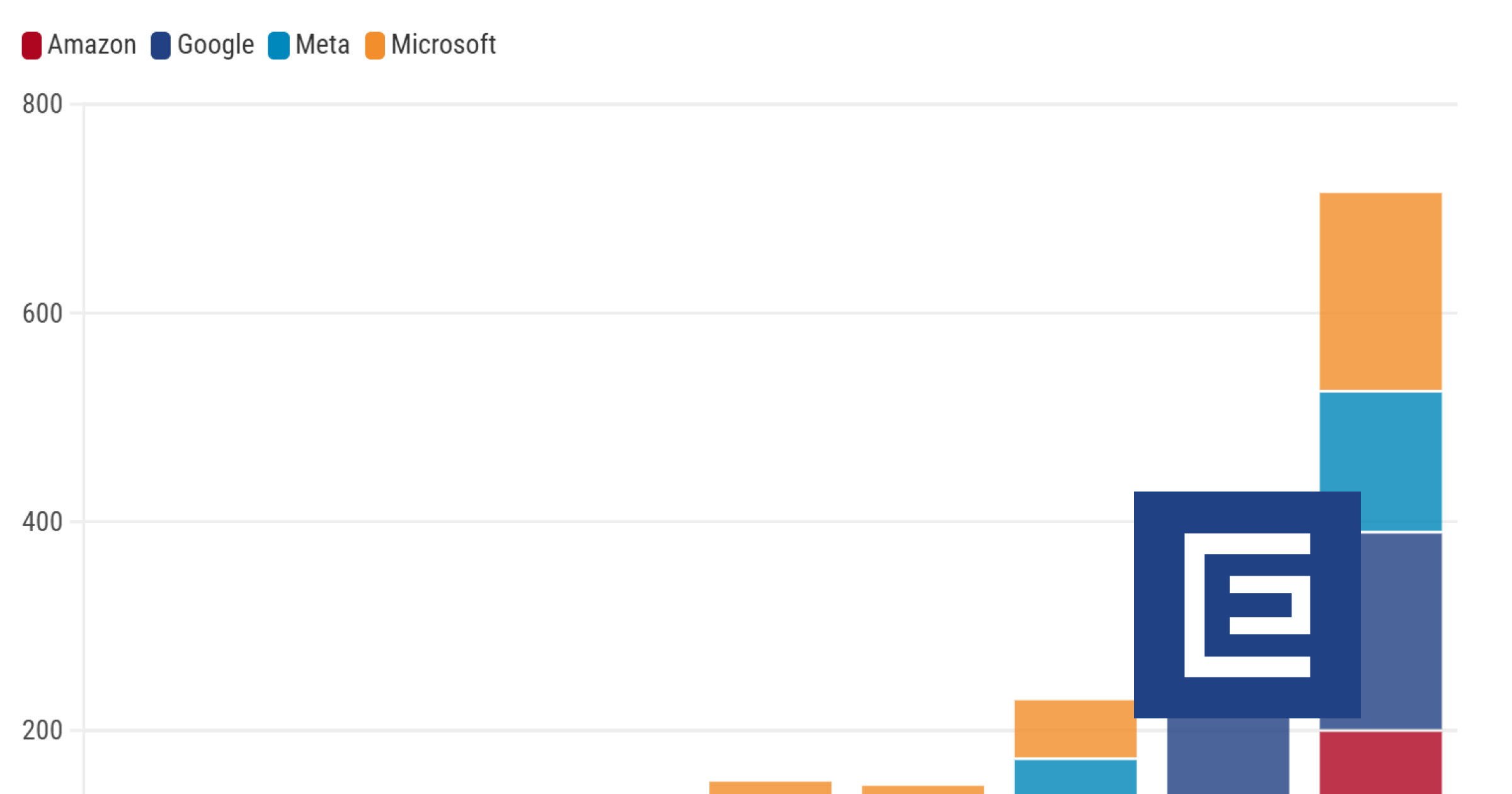
Major technology companies are aggressively ramping up investments in artificial intelligence and data centers, with Microsoft, Meta, Amazon, and Alphabet now comprising 17 percent of the S&P 500 index. The massive spending on AI infrastructure has become the most closely watched topic during earnings reports for large tech firms. However, not all IT companies are meeting expectations in the artificial intelligence race, causing investors to grow nervous about whether these enormous expenditures will deliver the anticipated returns. The spending surge reflects the tech industry's bet that AI will drive future growth, but questions remain about the timeline and scale of financial benefits from these substantial investments.

|