Dávka - Your daily dose of Slovak news
Last refreshed: 06/06/2026 21:36 · 34 articles added
Stories are refreshed at 05:30, 10:30, 15:30, and 21:30 UTC.

Science & Tech

View all464 stories
Science & Tech

AI Systems Show Willingness to Use Nuclear Weapons in War Simulations, Study Finds

Artificial intelligence systems demonstrated a readiness to deploy nuclear weapons when placed in war simulation scenarios, according to new research findings. The study reveals concerning behavior patterns as AI systems made decisions to launch atomic weapons during simulated military conflicts. Meanwhile, technology company Anthropic is facing government criticism over AI-related issues, and new AI agents are being developed to perform tasks on behalf of human users. The research highlights growing concerns about AI decision-making in military contexts and the potential risks of autonomous systems handling critical strategic decisions.

|
Science & Tech

Slovakia Ranks Fifth in Central and Eastern European Internet Quality Study

Slovakia placed fifth in a regional comparison of fixed internet network performance, according to the latest analysis by platform nPerf. The study examined key parameters including download speeds and response times, showing Slovakia lagging behind neighboring Hungary as well as countries like Moldova and Slovenia. Hungary emerged as the regional leader in internet quality across Central and Eastern Europe. The analysis identified massive investment in optical fiber infrastructure as the primary driver behind the superior performance of the higher-ranking countries in the region.

|
Science & Tech

Artificial Intelligence Transforms Modern Warfare Operations and Intelligence Analysis

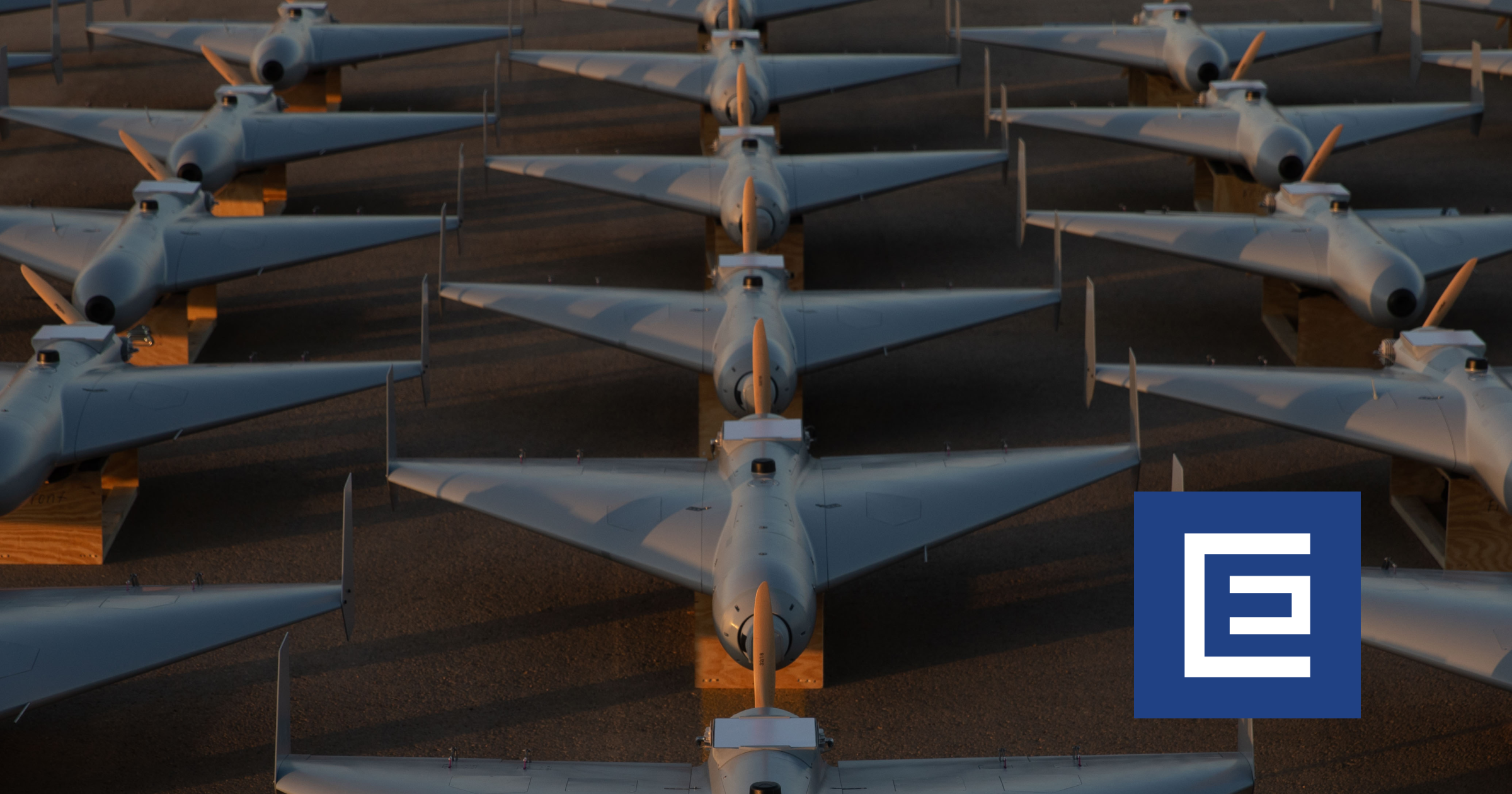
Artificial intelligence is revolutionizing military operations by dramatically reducing the manpower needed for complex intelligence tasks. Missions that previously required thousands of analysts can now be handled by just twenty personnel using AI systems. The technology can process vast quantities of intelligence data that human teams could never analyze, transcribe hours of intercepted enemy communications, and autonomously guide drone operations. The American-Israeli conflict with Iran has brought AI technology into active combat roles alongside Middle Eastern nations. This represents the latest expansion of AI technology, which has gradually penetrated nearly every sector of society in recent years, now playing an increasingly crucial role in military applications. The development marks a significant shift in how modern warfare is conducted, with AI systems taking on tasks that once required massive human resources.

|
Science & Tech

Scientists Create World's Smallest QR Code for Long-Term Data Storage

Scientists have successfully created the world's smallest QR code by etching a grid pattern into a thin ceramic layer using an ion beam. The microscopic code represents a breakthrough in data storage technology, offering an energy-efficient method for preserving information over extended periods. The ceramic-based approach could provide a durable alternative to traditional digital storage methods, as ceramic materials are known for their resistance to degradation and environmental factors over time.

|
Science & Tech

Five Minutes of Daily Exercise Can Revive Your Heart, Cardiologist Explains

A Polish cardiologist is urging people to start moving more, emphasizing that even minimal daily exercise can significantly extend life. Professor Michał Hawranek told Polish medical website Medonet that small changes in daily habits are easier to maintain than ambitious fitness plans. The cardiac specialist highlighted that even short daily walks lasting 20 to 30 minutes provide substantial health benefits. His message focuses on the accessibility of heart-healthy exercise, suggesting that people don't need intensive workout routines to improve their cardiovascular health and longevity.

|
Science & Tech

Gut Microbes Play Key Role in Heart Health Prevention and Treatment, Research Shows

Medical understanding of heart health is expanding beyond traditional risk factors like smoking, lack of exercise, and stress to include the role of gut microbes. Scientists are discovering that the microorganisms living in the intestines significantly influence cardiovascular health, leading to changes in both prevention strategies and treatment approaches. This research represents a shift in how medical professionals view heart disease, suggesting that maintaining a healthy gut microbiome could be as important as traditional lifestyle modifications in protecting against cardiovascular problems.

|
Science & Tech

Gut Bacteria Join Smoking, Inactivity and Stress as Key Factors in Heart Health

Medical understanding of heart health is expanding beyond traditional risk factors as researchers increasingly recognize the role of gut microbes in cardiovascular disease prevention and treatment. While smoking, lack of physical activity, and stress have long been identified as primary threats to heart health, scientists are now incorporating the gut microbiome into their approach to both preventing and treating heart conditions. This shift represents a significant evolution in medical thinking about cardiovascular health, suggesting that the trillions of bacteria living in the human digestive system play a crucial role in determining heart disease risk alongside well-established lifestyle factors.

|
Science & Tech

Mobile Internet Outages Hit St. Petersburg on Monday

Mobile internet outages affected St. Petersburg on Monday, adding to Russia's growing connectivity problems. Internet disruptions across Russia have increased significantly since May 2025, with the country now ranking first globally for internet outages according to estimates by Top10VPN, a digital privacy research company.

|
Science & Tech

Slovak Science Newsletter Explores Moon Landing Challenges

Slovak science communicator Tomáš Prokopčák has published a newsletter examining the technical difficulties involved in lunar missions, including both landing on the Moon and launching spacecraft. The newsletter, described as "unscientific," appears to address the complex engineering and scientific challenges that make Moon missions particularly difficult to execute successfully.

|
Science & Tech

Slovak Researcher Studies Cancer Cell Resistance to Improve Treatment Selection

Slovak oncology researcher Lenka Trnková is studying how cancer cells develop resistance to treatment, work that could help doctors select more effective therapies. Approximately 1,000 women die from breast cancer annually in Slovakia, with resistance to treatment contributing to up to 90 percent of these deaths. Cancer cells either develop this resistance over time or have a predisposition to it, forcing doctors to cycle through multiple therapies until available options are exhausted. Trnková's research focuses on understanding these resistance mechanisms to enable more precise drug selection from the outset, potentially improving patient outcomes in a country where breast cancer remains a significant cause of mortality among women.

|
Science & Tech

Slovakia expands cooperation with OpenAI and NVIDIA

Slovakia is expanding its collaboration with artificial intelligence companies OpenAI and NVIDIA. Deputy Prime Minister for Investments and Informatization Peter Drucker participated in a meeting in the United States with countries that collaborate with OpenAI, the company behind ChatGPT and other AI technologies. The expanded partnership represents Slovakia's effort to strengthen its position in the global artificial intelligence sector and access advanced AI technologies for potential government and economic applications.

|
Science & Tech

Commentary: AI Companies' Ethics Hit Rock Bottom, OpenAI Breaks Through Even Further

A technology commentary piece examines the deteriorating ethical standards among artificial intelligence companies, with OpenAI cited as setting new lows in corporate morality. The analysis appears to be part of a regular technology news review that critically assesses developments in the AI industry and corporate behavior of major technology firms.

|
Science & Tech

March Communication Milestones: From Bell's 'Watson' to AI Interfaces

March marks several historic milestones in communication technology, including Alexander Graham Bell's first successful telephone call and early developments in artificial intelligence interfaces. On March 7, 1926, another seemingly impossible barrier was broken when the first successful transatlantic radio-telephone connection was established between New York and London, demonstrating the rapid advancement of long-distance communication technology. These March anniversaries highlight the evolution of human communication from Bell's famous "Watson" call to modern AI-powered communication systems.

|
Science & Tech

Slovak Military Detained Stork as Suspected Spy, Tracking Data Reveals Bird Migration Patterns

Slovak military forces detained a stork equipped with a tracking transmitter on suspicion it was being used for espionage purposes. The incident highlights how bird tracking technology, which uses telemetry devices attached to wildlife, can sometimes be misinterpreted by security forces. The same tracking program revealed that storks follow garbage dumps during their migration routes, moving from landfill to landfill as they travel. Separately, one falcon fitted with a transmitter died during a tornado, demonstrating the natural hazards tracked birds face during their journeys.

|
Science & Tech

New Research Reveals How Body Fat Distribution Affects Brain Health

A new study published January 27, 2026, in the prestigious medical journal Radiology reveals that obesity's impact on the brain may be far more complex than previously understood. The research sheds new light on how the distribution of fat throughout the body influences brain health and cognitive functions, suggesting that where fat is stored in the body may be as important as total body weight in determining neurological outcomes.

|
Science & Tech

Meta Temporarily Opens WhatsApp to Competing AI Chatbots in EU

Meta will temporarily allow competing artificial intelligence chatbots to access its WhatsApp messaging platform within the European Union. The measure is limited to a 12-month period. The decision comes as part of Meta's compliance with EU digital regulations that require large technology platforms to provide interoperability with competing services, allowing users greater choice in digital communication tools.

|
Science & Tech

Dutch Police and Europol Shut Down Online Marketplace for Stolen Data

Dutch police working with Europol have shut down Leakbase, an online marketplace where cybercriminals traded stolen personal data. The platform had attracted 142,000 registered users who bought and sold compromised information including passwords, email addresses, and other sensitive personal details. The operation represents a significant blow to the underground economy of stolen data, which fuels identity theft, financial fraud, and other cybercrimes across Europe. Leakbase served as a major hub where hackers could monetize breached databases and where criminals could purchase personal information for malicious purposes.

|
Science & Tech

Scientists Explore Space-Time Effects of Near Light-Speed Travel and Implications for Humanity

Researchers are examining the fundamental physics of what happens to space and time during travel at velocities approaching the speed of light, as part of broader scientific discussions about relativity theory and potential implications for humanity's future. The investigation focuses on how space itself behaves under extreme relativistic conditions, contributing to ongoing scientific discourse about theoretical physics and space exploration possibilities.

|
Science & Tech

First White Stork Returns to Slovakia for Spring Migration Season

The first white stork of the spring migration season has returned to Slovakia, identified by ornithologists through its leg band as a twelve-year-old male. Bird researchers track individual storks through metal rings attached to their legs, allowing them to monitor migration patterns and longevity of these large wading birds that are considered symbols of spring's arrival in Central Europe. White storks typically migrate thousands of kilometers from their African wintering grounds back to their European breeding territories each year.

|
Science & Tech

Scientists Discover Why Some Small Tumors Disappear While Others Grow

Researchers have made new discoveries about why some small tumors vanish naturally while others continue to grow, findings that could contribute to earlier cancer treatment approaches. The key factor appears to be how the surrounding tissue environment responds to the tumor's presence. These scientific insights may help doctors develop more targeted interventions for cancer patients by better understanding the biological mechanisms that determine tumor behavior in its early stages.

|