
Dávka - Your daily dose of Slovak news
Last refreshed: 06/06/2026 10:36 · 51 articles added
Stories are refreshed at 05:30, 10:30, 15:30, and 21:30 UTC.

Science & Tech

View all463 stories
Science & Tech

New Investigation Points to British Cryptographer as Mysterious Bitcoin Creator Satoshi Nakamoto

The New York Times has published a new investigation suggesting that British-American cryptography expert Adam Back could be Satoshi Nakamoto, the mysterious creator of bitcoin whose identity has remained hidden for 17 years. Bitcoin's anonymous founder is believed to be among the world's wealthiest individuals, but has successfully concealed their identity despite numerous journalistic investigations over the past 15 years. The real identity of Nakamoto remains one of the cryptocurrency world's greatest unsolved mysteries, as the person or group behind the pseudonym disappeared from public communications in 2011 after launching the revolutionary digital currency system.

|
Science & Tech

Internet Routers Targeted in Large-Scale Cyber Campaign

Internet routers have become the target of an extensive cybersecurity campaign, prompting Slovak security authorities to issue warnings to users and organizations. The authorities are urging both individual users and companies to inspect their routers and implement basic preventive measures to protect against the cyber threat. The campaign appears to be targeting network infrastructure devices that manage internet traffic, potentially compromising the security of connected systems and data.

|
Science & Tech

Slovak students win spots at hydrogen car world championship in Switzerland

Young Slovak students secured places at the global H2 Grand Prix world finals in Switzerland after competing in the national championship held at Aurelium science center in Bratislava. Dozens of students from across Slovakia participated in the three-day event, demonstrating their skills in building and racing remote-controlled hydrogen-powered model cars. The national finals featured a grueling six-hour endurance race that tested the performance and efficiency of the student-built vehicles. The competition showcased Slovakia's emerging talent in hydrogen technology and sustainable energy innovation, with the winning teams now set to represent their country on the world stage.

|
Science & Tech

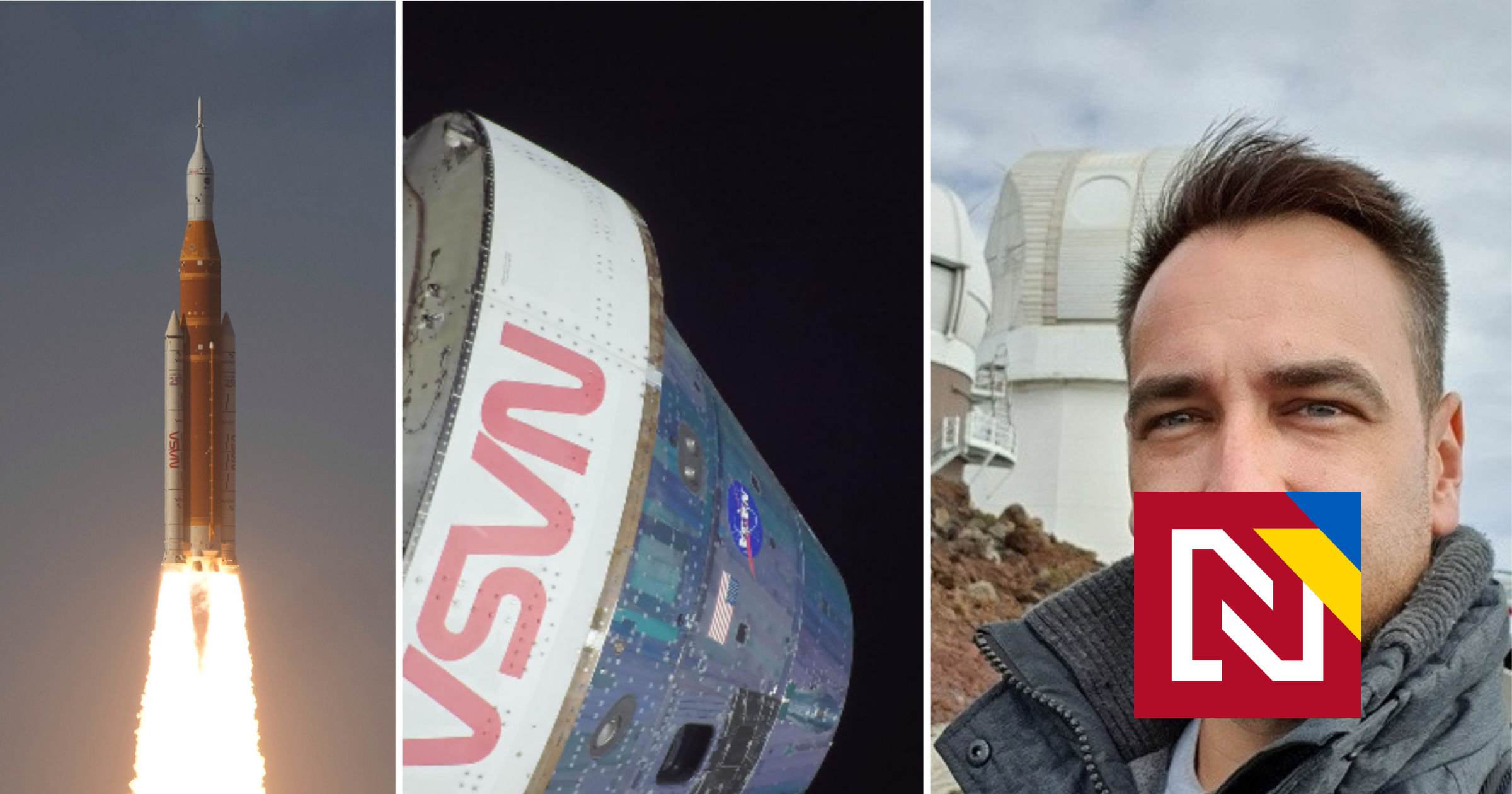
NASA's Artemis II crew reaches halfway point on return journey to Earth

The four-member crew of NASA's Artemis II mission has completed half of their return journey to Earth, the U.S. space agency announced. The astronauts are scheduled to land in the Pacific Ocean during the night on Saturday. Artemis II represents a significant milestone in NASA's ambitious program to return humans to the Moon, serving as the first crewed mission around the Moon since the Apollo era ended in the 1970s. The mission marks a crucial step toward NASA's goal of establishing a sustainable human presence on the lunar surface through the broader Artemis program.

|
Science & Tech

Artemis II Mission Achieves Record Distance in Deep Space

NASA's Artemis II mission has reached a record distance in deep space, traveling farther from Earth than any previous human spaceflight mission. The uncrewed test flight represents a significant milestone in NASA's program to return astronauts to the Moon for the first time since the Apollo era. The Artemis program aims to establish a sustainable human presence on the lunar surface and serve as a stepping stone for future missions to Mars, with Artemis II serving as a crucial test of the spacecraft systems before crewed flights begin.

|
Science & Tech

Astronauts Prepare for Earth Return, Unlikely to Break Speed Record

Astronauts are preparing to return to Earth with their crew scheduled to splash down in the ocean off the coast of San Diego on Saturday night, April 11. The mission will not break any records for highest speed during re-entry. The ocean landing represents the conclusion of their current space mission, with recovery operations planned in the waters near the California city.

|
Science & Tech

Doctor Swallowed Bacteria to Prove Stomach Ulcers Not Caused by Stress

Australian physician Barry Marshall conducted a groundbreaking self-experiment by deliberately swallowing stomach bacteria to disprove the long-held medical belief that stomach ulcers were caused by stress. For years, the medical establishment maintained that bacteria could not survive in the acidic environment of the human stomach, leading doctors to attribute ulcers primarily to stress and lifestyle factors. Marshall's experiment successfully demonstrated that bacteria could indeed survive and thrive in stomach conditions, fundamentally changing medical understanding of ulcer formation. His work challenged decades of accepted medical doctrine and opened new pathways for treating stomach ulcers through bacterial infection management rather than stress reduction alone.

|
Science & Tech

Honor Tests Smartphone Durability with Freezing and Drop Tests

Chinese smartphone manufacturer Honor conducted durability tests on its new device, subjecting it to extreme conditions including freezing temperatures and impact drops. The testing demonstrated the phone's resistance to environmental hazards such as sand, water, and sharp objects. The comprehensive stress testing aims to validate the company's durability claims for the device, showcasing its ability to withstand harsh conditions that users might encounter in daily use.

|
Science & Tech

Artemis II Mission Capsule Returns to Earth After Lunar Flyby

The Artemis II mission crew, which completed a flyby of the Moon, is returning to Earth with their Orion capsule scheduled to splash down in the Pacific Ocean early Saturday morning around 2 AM Central European Time. The return journey demonstrates complex physics as Earth's gravity pulls the spacecraft back, with the capsule designed to skip off the atmosphere like a stone on water during reentry. NASA is providing live coverage of the mission on its official channel. The Artemis II mission represents a significant milestone in NASA's program to return humans to lunar exploration, serving as a precursor to future Moon landing missions.

|
Science & Tech

Slovak Science Show Explores Unusual Physics Units from Bananas to Light Years

A Slovak science program featuring hosts Jozef and Samuel examined unconventional physics units that sound peculiar but contain fascinating scientific principles. The show explored how measurements like bananas, donkeys, and light years, despite their unusual names, represent legitimate scientific concepts and reveal interesting aspects of physics and measurement systems.

|
Science & Tech

Artemis II Astronauts to Test Manual Control of Orion Spacecraft During Return Journey

The crew of NASA's Artemis II mission will test manual control of the Orion spacecraft during their return journey to Earth. The astronauts are scheduled to perform hands-on piloting exercises with the spacecraft as they make their way back home. The Artemis II mission represents a crucial step in NASA's program to return humans to the Moon, serving as the first crewed test flight of the Orion capsule around the lunar vicinity. This manual control test will provide valuable data on the spacecraft's handling characteristics and crew interface systems ahead of future lunar landing missions.

|
Science & Tech

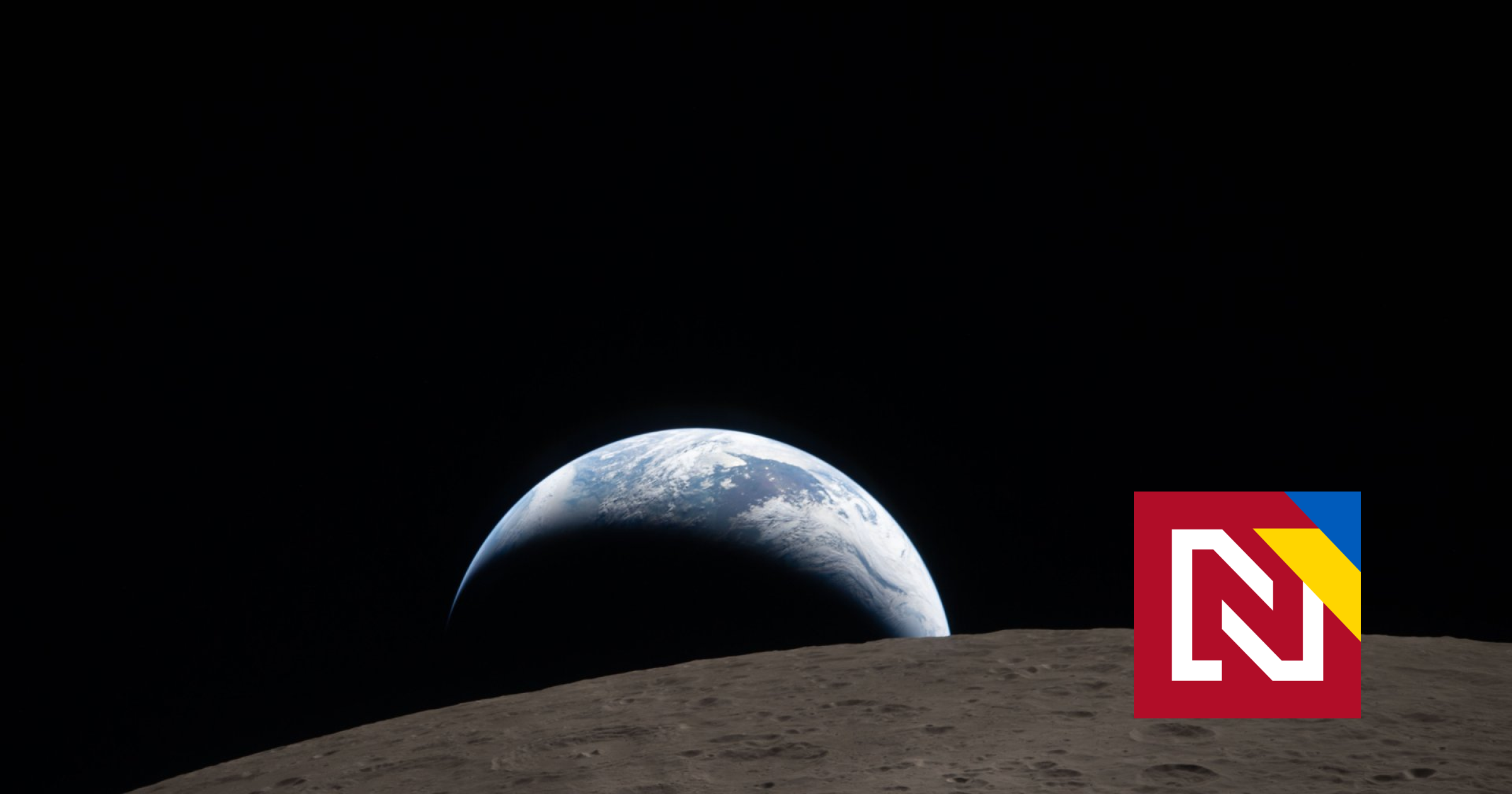
Artemis II Mission Could Highlight Earth's Fragility, Analysis Suggests

The upcoming Artemis II lunar mission has the potential to draw attention to the fragility of life on Earth, according to analysis of the mission's broader significance. The space mission could foster humanity's better qualities if allowed to do so, suggesting that beyond its technical and scientific objectives, the mission may serve as a catalyst for greater environmental and existential awareness about our planet's vulnerability when viewed from the perspective of space exploration.

|
Science & Tech

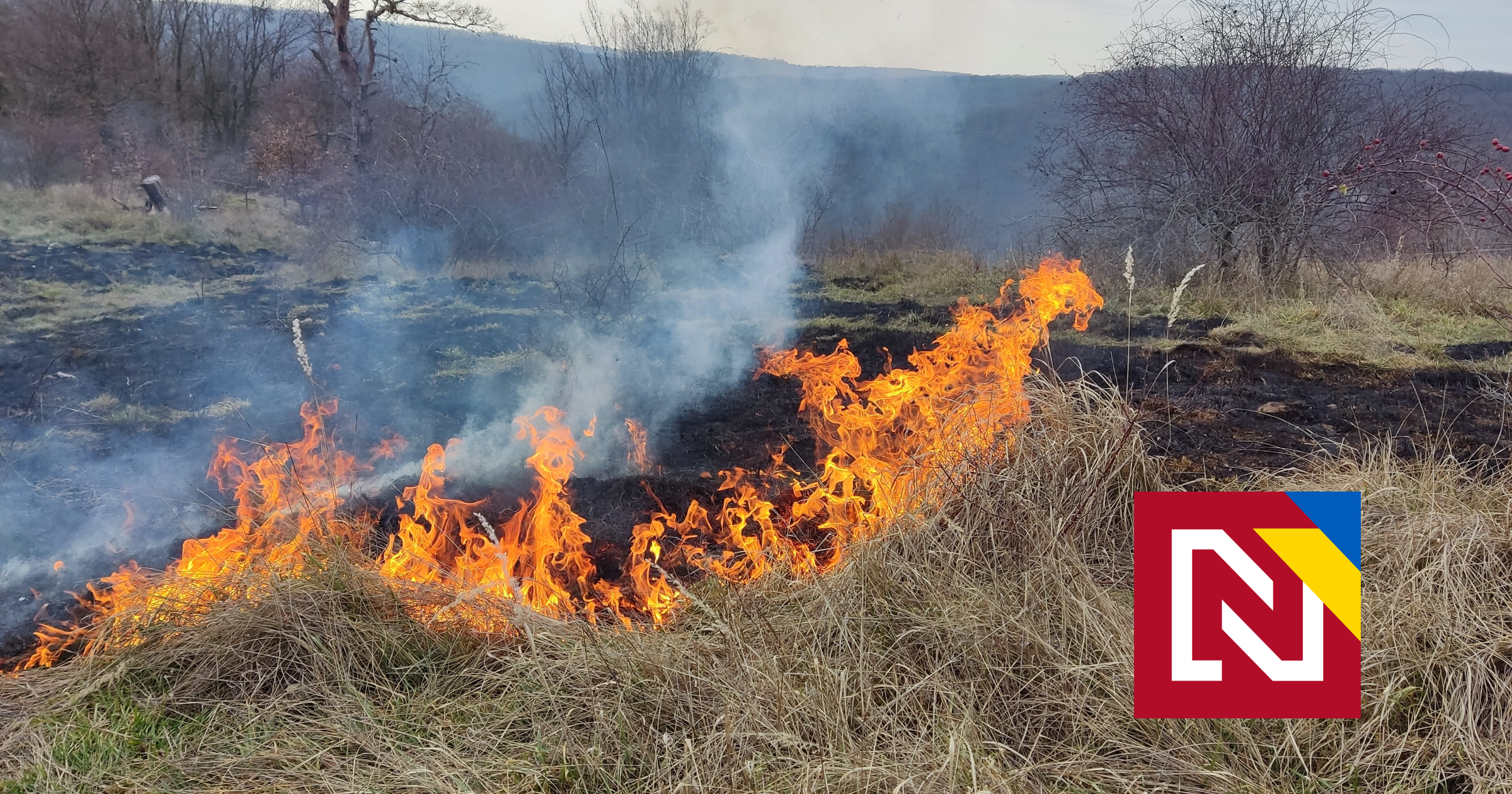
Controlled Burns Help Protect Rare Habitats in Slovakia, Wildlife Deaths Largely Mythical

Slovakia has implemented controlled burning as a conservation measure in protected areas including the Záhorie military zone and Devínska Kobyla nature reserve. The practice, known as prescribed burning, involves deliberately setting fires under controlled conditions to maintain specific ecosystems and prevent larger, uncontrolled wildfires. Conservation experts say concerns about wildlife deaths from these controlled burns are largely unfounded, with the fires designed to mimic natural burning cycles that many plant and animal species have adapted to over millennia. The technique helps preserve rare biotopes by preventing the encroachment of woody vegetation and maintaining open grasslands and meadows that support endangered species.

|
Science & Tech

Slovak Student Technology Competition to Showcase Ten Digital Innovation Projects

The final round of the Junior Internet AMAVET 2026 competition will take place this weekend, featuring ten projects in the digital innovation category. The student participants will present a diverse range of technological solutions, including a custom Linux operating system distribution, mobile applications, online platforms, and innovative web-based tools. AMAVET is Slovakia's national organization for gifted students in mathematics, physics, and informatics, which organizes academic competitions and research programs to promote STEM education among young people.

|
Science & Tech

Slovak High School Student Develops Method to Extract Microplastics from Water

A Slovak high school student has developed a method for extracting microplastics from water as part of environmental research efforts. The project represents part of growing student engagement in environmental science initiatives across Slovakia. Meanwhile, environmental education programs are expanding, with new experiential guiding programs set to open for the season in the Poľana region, a protected mountain area in central Slovakia known for its biodiversity and conservation efforts.

|
Science & Tech

Slovak Students Develop Water Cleanup Technology and Environmental Programs

A Slovak high school student has developed a method to extract microplastics from water, part of broader environmental initiatives across the country. Environmental programs are expanding in the Poľana region with new experiential guided tours opening for the season. The initiatives highlight growing environmental awareness among young Slovaks and efforts to address pollution while promoting ecological education through hands-on experiences in nature.

|
Science & Tech

Unpleasant Odors Can Impact Health Depending on Individual Reaction, Experts Say

Medical experts have confirmed that unpleasant odors can affect human health, with the severity of impact largely dependent on whether the smell causes distress to the individual. The olfactory system serves as a natural warning mechanism for the body, alerting people to potentially harmful substances or environments. While some odors may cause immediate physical discomfort such as nausea or headaches, the psychological response to unpleasant smells also plays a significant role in determining their health impact. This finding highlights the complex relationship between sensory perception and physical well-being, suggesting that individual sensitivity and emotional response to odors can influence their physiological effects.

|
Science & Tech

New York Times Claims to Identify Bitcoin Creator Behind Satoshi Nakamoto Pseudonym

The New York Times has claimed to reveal the identity of Satoshi Nakamoto, the mysterious pseudonymous creator of Bitcoin. According to the newspaper, the person behind the famous pseudonym is Adam Back, a British cryptographer. The identity of Bitcoin's creator has remained one of the biggest mysteries in the cryptocurrency world since the digital currency was launched in 2009, with numerous theories and claimed revelations over the years but no definitive proof of who Satoshi Nakamoto actually is.

|
Science & Tech

Scientists Rule Out Cloning Tyrannosaurus but Say 'Dino-Chicken' Creation Possible

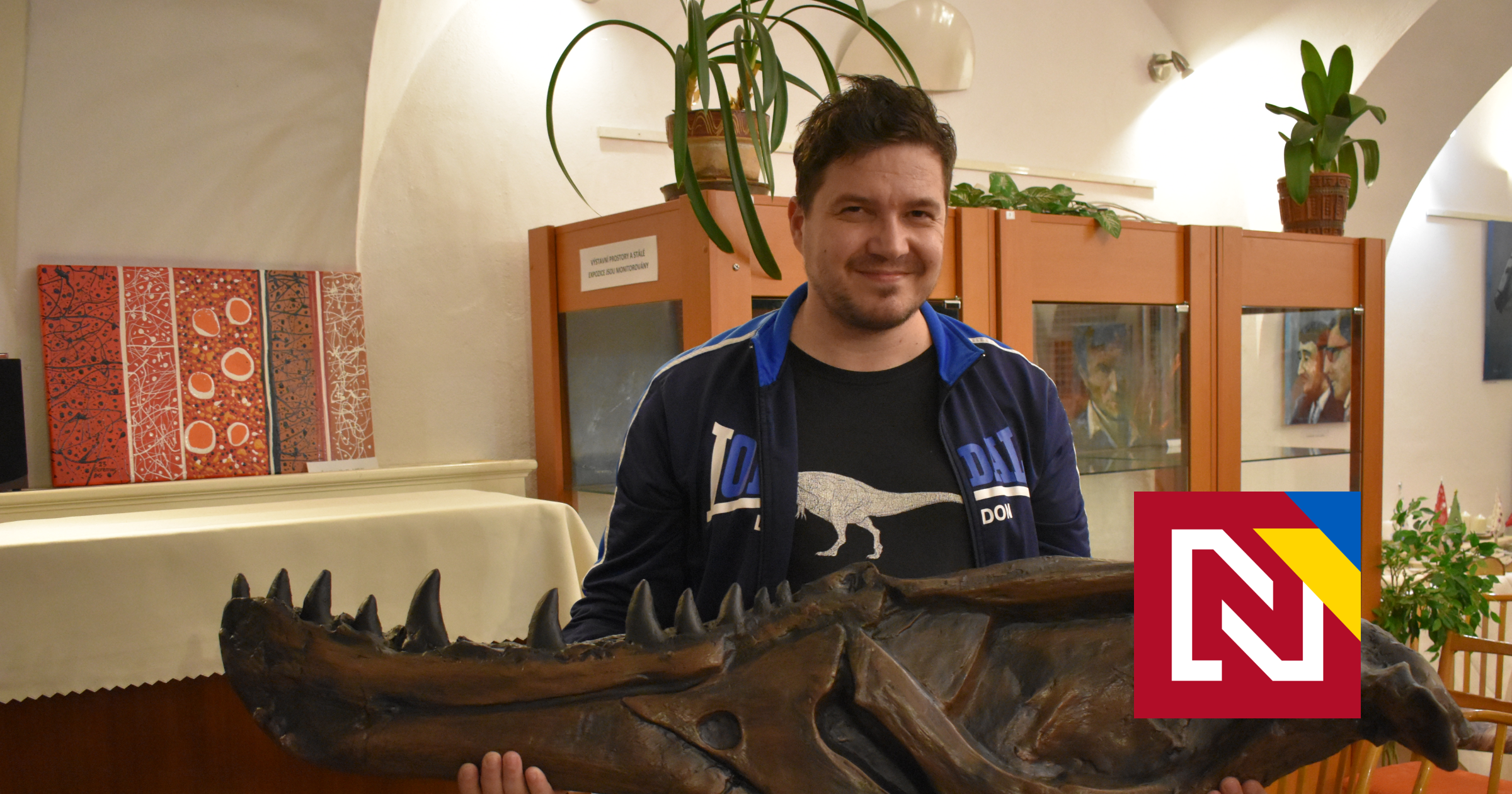
Scientific understanding of dinosaurs has dramatically changed over the past fifty years, according to paleontology expert and dinosaur book author Vladimír Socha. Modern research reveals that Velociraptors were fully feathered creatures resembling flightless eagles with teeth instead of beaks, fundamentally altering previous perceptions of these prehistoric animals. While cloning extinct dinosaurs like Tyrannosaurus remains impossible, scientists suggest that creating dinosaur-like creatures through genetic modification of modern birds could be feasible, as birds are direct descendants of dinosaurs and retain much of their ancestral genetic material.

|
Science & Tech

Artemis II Astronauts Return Home After Day of Scientific Observations

The crew of NASA's Artemis II mission has returned home following a day dedicated to scientific observations during their lunar mission. The astronauts completed their scheduled research activities as part of the broader Artemis program, which aims to return humans to the Moon for the first time since the Apollo era ended in 1972.

|