Dávka - Your daily dose of Slovak news
Last refreshed: 06/06/2026 05:37 · 25 articles added
Stories are refreshed at 05:30, 10:30, 15:30, and 21:30 UTC.

Science & Tech

View all461 stories
Science & Tech

Slovak Power Company Explains Chernobyl Context and Modern Safety Standards

Slovenské elektrárne, Slovakia's state-owned electricity company, has issued explanations about the Chernobyl nuclear disaster in historical context while highlighting how current safety regulations differ from those in place during the 1986 catastrophe. The company emphasized that experts have developed protective mechanisms designed to prevent future nuclear disasters. The initiative appears aimed at addressing public concerns about nuclear safety as Slovakia continues to operate nuclear power plants that provide a significant portion of the country's electricity supply.

|
Science & Tech

Pyramid Growing System Offers Alternative for Potato Cultivation in Poor Soil Conditions

A pyramid-based agricultural system has been developed to grow potatoes in areas where traditional soil conditions are inadequate for cultivation. The innovative method utilizes heat, light, and space more efficiently than conventional row planting techniques, potentially expanding potato growing capabilities to previously unsuitable locations. The pyramid structure maximizes resource efficiency by optimizing the distribution of essential growing conditions throughout the cultivation space.

|
Science & Tech

Chernobyl Disaster Resulted From Soviet Management Failures, Analysis Shows

The catastrophic nuclear accident at Chernobyl on April 26, 1986, was the product of Soviet-era management failures rather than purely technical malfunctions, according to analysis examining the events of that fateful night. The disaster, which occurred at the nuclear power plant in what is now Ukraine, became one of the worst nuclear accidents in history when Reactor 4 exploded during a safety test gone wrong. The Soviet system's approach to nuclear facility management, including inadequate safety protocols and institutional decision-making processes, created the conditions that led to the catastrophic meltdown that contaminated large areas of Europe and forced mass evacuations.

|
Science & Tech

Science Newsletter Discusses Extraterrestrial Topics

A science newsletter by Tomáš Prokopčák has once again featured discussion about extraterrestrial life. The publication, described as having a scientific approach, continues to address topics related to aliens and space phenomena in its regular coverage.

|
Science & Tech

Slovak Startup Tackles Social Media Hate Speech Problem That Facebook Refuses to Address

A Slovak technology startup has developed a platform to address the widespread problem of hate speech on social media networks, targeting issues that major platforms like Facebook have been reluctant to tackle effectively. The company aims to counter the phenomenon where online harassment and aggressive content receives artificial amplification, driving away moderate users from digital discussions. Social media platforms had originally promised to enhance freedom of speech, but critics argue they have instead created environments where the loudest and most hostile voices dominate online discourse, discouraging civil participation in digital conversations.

|
Science & Tech

Neurologist Identifies Seven Habits That Damage the Brain

A neurobiologist has identified seven common habits that negatively impact brain function and increase the risk of developing dementia. Hana Burianová explained that these behaviors reduce the elasticity of neural connections and can affect quality of life, productivity, cognitive sharpness, memory, and motor coordination. The research highlights how daily habits can contribute to the development of diseases like dementia, emphasizing the importance of brain health in maintaining overall mental and physical functioning.

|
Science & Tech

Researchers in Bratislava Test Robot for Traffic Management

Researchers in Bratislava are conducting tests of a robot designed to manage traffic flow as part of a technological demonstration. The testing is taking place during Bratislava City Days, an annual municipal event in the Slovak capital. The demonstration represents ongoing efforts to explore automated solutions for urban traffic management in one of Central Europe's fastest-growing cities.

|
Science & Tech

40 years after Chernobyl: Slovakia reports evacuation was unnecessary, only 2,341 mountain workers received iodine tablets

Slovakia marked the 40th anniversary of the Chernobyl nuclear disaster with revelations that evacuation was deemed unnecessary at the time, as radiation levels remained well below thresholds that could cause immediate harm to human health. Only 2,341 workers at mountain settlements received protective iodine tablets following the April 1986 accident at the Ukrainian nuclear power plant. Even immediately after the disaster, total radiation exposure across Slovak territory stayed far below doses that could cause direct damage to the human body, according to official assessments. Experts now emphasize that the psychological and social damage from the incident far outweighed any actual health risks experienced in what was then Czechoslovakia. The Chernobyl accident occurred when reactor number 4 exploded during a safety test, releasing radioactive material across much of Europe and forcing the evacuation of nearby areas in Ukraine.

|
Science & Tech

Google Plans $40 Billion Investment in AI Startup Anthropic

Google announced plans to invest $40 billion in Anthropic, an artificial intelligence startup that focuses on AI development and research. The tech giant's massive investment follows a similar move by Amazon, which has also announced its intention to invest in the AI company. The substantial funding commitments from two of the world's largest technology companies highlight the intensifying competition in the artificial intelligence sector and the growing strategic importance of AI capabilities for major tech firms.

|
Science & Tech

Apple CEO Tim Cook Hands Over Company at Crossroads

Apple CEO Tim Cook is transitioning leadership of the technology giant at a critical juncture for the company. The leadership change comes as Apple faces significant strategic decisions and market challenges that will shape its future direction.

|
Science & Tech

Walking 4,000 Steps Daily Brings Major Health Benefits, Polish Cardiologist Says

Walking just 4,000 steps per day can significantly improve health, according to Polish cardiologist Professor Maciej Banach. The expert told Polish health portal Medonet that this level of daily walking helps reduce body weight, lower cholesterol levels, and aids in cancer prevention. Banach described the health benefits of regular walking as "enormous," emphasizing that even moderate daily activity can have substantial positive effects on overall wellbeing.

|
Science & Tech

Slovak Anthropologist Masters Language of African Hunter-Gatherer Tribe

Slovak social anthropologist Daša Bombjaková has achieved the world's most advanced mastery of the language spoken by the BaYaka hunter-gatherer community in northern Republic of Congo. Bombjaková spent several months living among the Yaka people, documenting their traditional ways of life including their distinctive method of resolving conflicts through collective shouting at dawn. Her immersive fieldwork has resulted in unprecedented linguistic and cultural documentation of this remote community. The research represents a significant contribution to anthropological understanding of one of Africa's remaining hunter-gatherer societies, whose traditional practices are increasingly rare in the modern world.

|
Science & Tech

Netherlands Fights for ASML, the Little-Known Company Behind Global Semiconductor Production

South Korean memory chip manufacturer SK Hynix announced in March it will purchase nearly $8 billion worth of manufacturing equipment by the end of 2027 from Dutch company ASML, highlighting the critical role of a firm many have never heard of. ASML, based in the Netherlands, has become the world's sole producer of extreme ultraviolet lithography machines essential for manufacturing the most advanced semiconductors used in smartphones, computers, and artificial intelligence systems. The Dutch government and its allies are now fighting to prevent this crucial technology from reaching China, as ASML's machines are considered so strategically important that they could determine which countries lead the global technology race. The company's monopoly on the most sophisticated chip-making equipment has made the Netherlands an unexpected but vital player in the geopolitical competition between the United States and China over semiconductor supremacy.

|
Science & Tech

Slovak Scientists Highlight Sinkholes as Biodiversity Hotspots

Sinkholes represent unique islands of biodiversity, according to Slovak Academy of Sciences researchers. Lucia Čahojová from the Institute of Botany at the Centre of Plant Biology and Biodiversity discussed the ecological significance of these geological formations in a new episode of the Academy's scientific podcast. The research sheds light on how these natural depressions serve as specialized habitats that support distinct plant communities and contribute to Slovakia's overall biological diversity.

|
Science & Tech

Slovak Legal Expert Examines AI Liability in Criminal Cases as OpenAI Faces Court Challenge

A Slovak legal analysis has raised questions about artificial intelligence's potential criminal liability when AI systems provide advice that contributes to violent crimes, including murder. The discussion comes as OpenAI, the company behind ChatGPT, faces legal proceedings that could establish precedents for AI accountability. Legal expert Procházka examined scenarios where artificial intelligence tools might be considered co-responsible for criminal acts when they provide guidance or information used in planning violent offenses. The case highlights growing concerns about the legal framework governing AI systems and their role in potentially harmful activities, as courts worldwide grapple with how to assign responsibility when advanced technology is used to facilitate crimes.

|
Science & Tech

EU Discusses Definition of Intimate Body Parts Due to Generative AI Concerns

The European Union is engaged in discussions about defining intimate body parts in response to challenges posed by generative artificial intelligence technology. The deliberations come after Elon Musk's Grok chatbot faced criticism, highlighting concerns about how AI systems handle sensitive content. The EU's consideration of formal definitions appears aimed at establishing clearer guidelines for AI platforms operating within European jurisdiction, as regulators grapple with how to oversee rapidly advancing generative AI technology that can create realistic images and content.

|
Science & Tech

Chernobyl Anniversary Offers Lessons for Slovakia's Nuclear Safety Concerns, Expert Says

Nuclear energy expert Andrej Žiarovský drew parallels between the Chernobyl disaster and current concerns about Slovakia's nuclear infrastructure, including recent damage to oil pipelines. Speaking on the anniversary of the 1986 nuclear catastrophe, Žiarovský warned that excessive public discussion about nuclear safety issues could potentially cause more harm than good. The expert emphasized lessons that can be learned from the Chernobyl tragedy nearly four decades later, particularly regarding how Slovakia approaches nuclear energy policy and infrastructure security. Slovakia operates two nuclear power plants and relies heavily on nuclear energy for its electricity generation, making nuclear safety a critical national concern.

|
Science & Tech

Slovak Scientists Face Potential Loss of Independent Grant Evaluation System

Slovak scientists may lose their long-sought independent grant evaluation system under proposed changes to the country's grant agency. Paula Puškárová from Hlas-SD, a member of the ruling coalition, has submitted legislation that would modify how the grant agency operates. Scientists have advocated for years to establish an independent evaluation process for research funding, viewing it as crucial for maintaining scientific integrity and ensuring merit-based distribution of grants. The proposed changes come at a time when Slovakia's scientific community has been pushing for reforms to reduce political influence in research funding decisions and align the country's grant system with international standards.

|
Science & Tech

Košice scientist returns from Antarctica with hundreds of biological samples for medical research

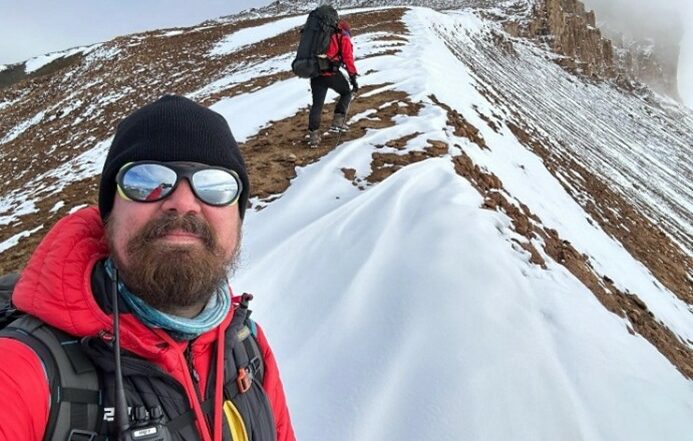
A scientist from Pavol Jozef Šafárik University in Košice has returned from a research expedition to Antarctica carrying nearly 400 unique samples of mosses and lichens. Doc. RNDr. Michal Goga, PhD., collected the biological specimens during his Antarctic expedition for extensive laboratory analysis that could take several years to complete. The research aims to identify compounds in the Antarctic plant materials that could be useful for medical applications, agriculture, and biotechnology development. The university-based study represents a significant contribution to Slovakia's polar research efforts and could lead to discoveries of new bioactive substances from one of Earth's most extreme environments.

|
Science & Tech

Students from Five Countries Present Environmental Innovation Projects at Senica Conference

Students from secondary and elementary schools across five countries showcased ecological innovation projects at a conference in Senica, western Slovakia. The international event brought together young innovators from the Czech Republic, Slovenia, Austria, Germany, and Slovakia to present their environmentally-focused initiatives. The conference represents part of broader educational efforts to engage students in developing sustainable solutions and environmental awareness across Central European schools.

|