Dávka - Your daily dose of Slovak news
Last refreshed: 06/06/2026 05:37 · 25 articles added
Stories are refreshed at 05:30, 10:30, 15:30, and 21:30 UTC.

International Politics

View all2847 stories
International Politics

Hungarian PM Péter Magyar Ready to Meet Zelensky Early Next Week

Hungarian Prime Minister Péter Magyar announced his readiness to meet with Ukrainian President Volodymyr Zelensky at the beginning of next week. Magyar made the statement following Tuesday talks with German Chancellor Friedrich Merz. The potential meeting would mark a significant diplomatic development between Hungary and Ukraine, two countries whose relations have been strained over issues including minority rights and Hungary's opposition to certain EU sanctions against Russia.

|
International Politics

German Chancellor Merz Expresses Support for Hungarian Opposition Leader Magyar

German Chancellor Friedrich Merz expressed confidence in Hungarian opposition leader Péter Magyar, describing him as a bearer of hope for many people. Merz emphasized that Magyar received a clear mandate from voters to restore democracy and rule of law in Hungary. The German chancellor stated his trust that Magyar would bring Hungary back to the center of Europe, calling their discussion good and productive. The meeting signals international support for the Hungarian opposition leader amid ongoing concerns about democratic backsliding in Hungary under Viktor Orbán's government.

International Politics

Slovakia Explores Using Football Diplomacy to Overcome International Rivalries

Slovakia is examining how to leverage football as a diplomatic tool to bridge historical divides with other nations, following examples of countries that have successfully used the sport to overcome past enmities. The initiative reflects a broader trend where nations have employed major football tournaments and competitions as platforms for diplomatic engagement and reconciliation. Football diplomacy has proven effective in various international contexts, where shared sporting experiences have helped normalize relations between former adversaries and created opportunities for dialogue beyond traditional diplomatic channels.

|
International Politics

V4 Summit Scheduled for June 23 in Budapest Following Hungarian-German Talks

Hungarian Prime Minister Viktor Orbán announced that the Visegrád Group summit will take place on June 23 in Budapest, following a meeting between Hungarian officials and German Chancellor Friedrich Merz. The announcement came after discussions between the Hungarian and German leadership, though details of their conversations were not disclosed. The Visegrád Group, commonly known as V4, is a regional alliance comprising Hungary, Slovakia, Poland, and the Czech Republic that coordinates policy positions within the European Union and addresses Central European concerns. The June summit will bring together the four member nations' leaders to discuss regional cooperation and shared political priorities.

|
International Politics

European Investment Bank to Support Hybrid Park Development in Burgenland

The European Investment Bank announced funding to support the expansion of a major energy complex in Austria's Burgenland region. The financing will help develop what is described as an extensive hybrid energy park, combining multiple renewable energy technologies in a single facility. Burgenland, located on Austria's eastern border with Hungary, has become a leader in renewable energy development in recent years, with the region already generating more clean electricity than it consumes through wind and solar installations.

|
International Politics

France Condemns Russian Attacks, Accuses Moscow of Undermining Peace Efforts

France condemned recent Russian attacks on Ukraine, accusing Moscow of undermining peace efforts. Estonian President Alar Karis also responded to the attacks on social media platform X, stating that Russia continues to "bring death and destruction" to Ukrainian cities. The condemnation comes as international leaders express growing frustration with Russia's continued military aggression despite ongoing diplomatic efforts to end the conflict.

|
International Politics

Iranian Official Claims War with US Inevitable Without Iran's Capitulation

An Iranian representative has stated that war between Iran and the United States is inevitable unless Iran surrenders unconditionally. The official was responding to calls from US President Donald Trump at the beginning of a military conflict with Iran, in which Trump demanded Iran's unconditional capitulation. The statement reflects the escalating tensions between the two countries and Iran's rejection of American demands for complete submission.

|
International Politics

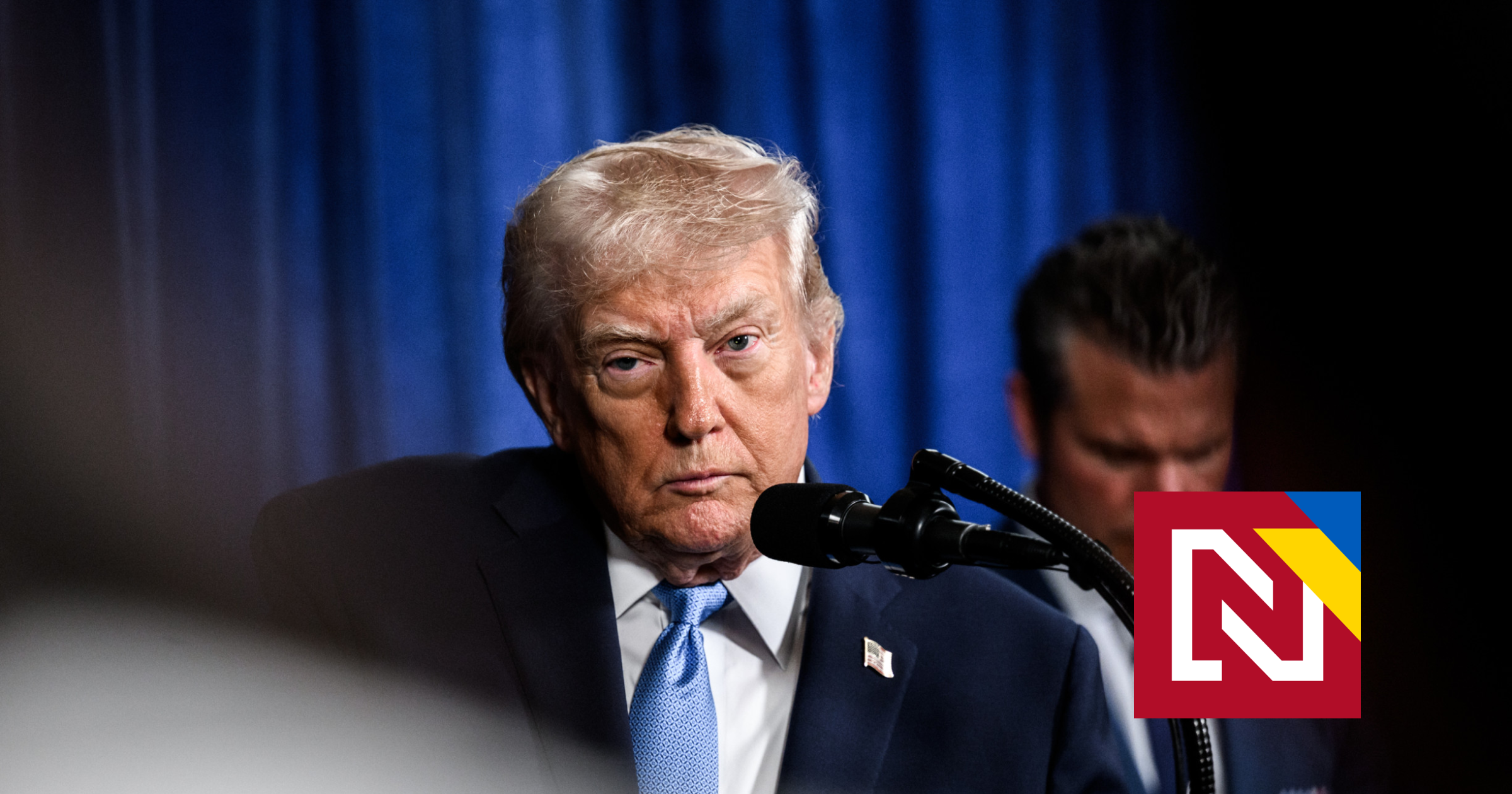
Trump Reportedly Shouted at Netanyahu, Calling Him 'Crazy' During Phone Call

Former U.S. President Donald Trump reportedly berated Israeli Prime Minister Benjamin Netanyahu during a phone conversation, telling him "You're damn crazy" and claiming he was "saving his neck." The heated exchange reflects tensions in the relationship between the two leaders. Trump also abandoned plans to establish a controversial fund that was intended to provide "compensation" to his supporters. The incident highlights ongoing complexities in U.S.-Israeli relations and Trump's volatile approach to international diplomacy, even as he campaigns for a return to the presidency in November's election.

|
International Politics

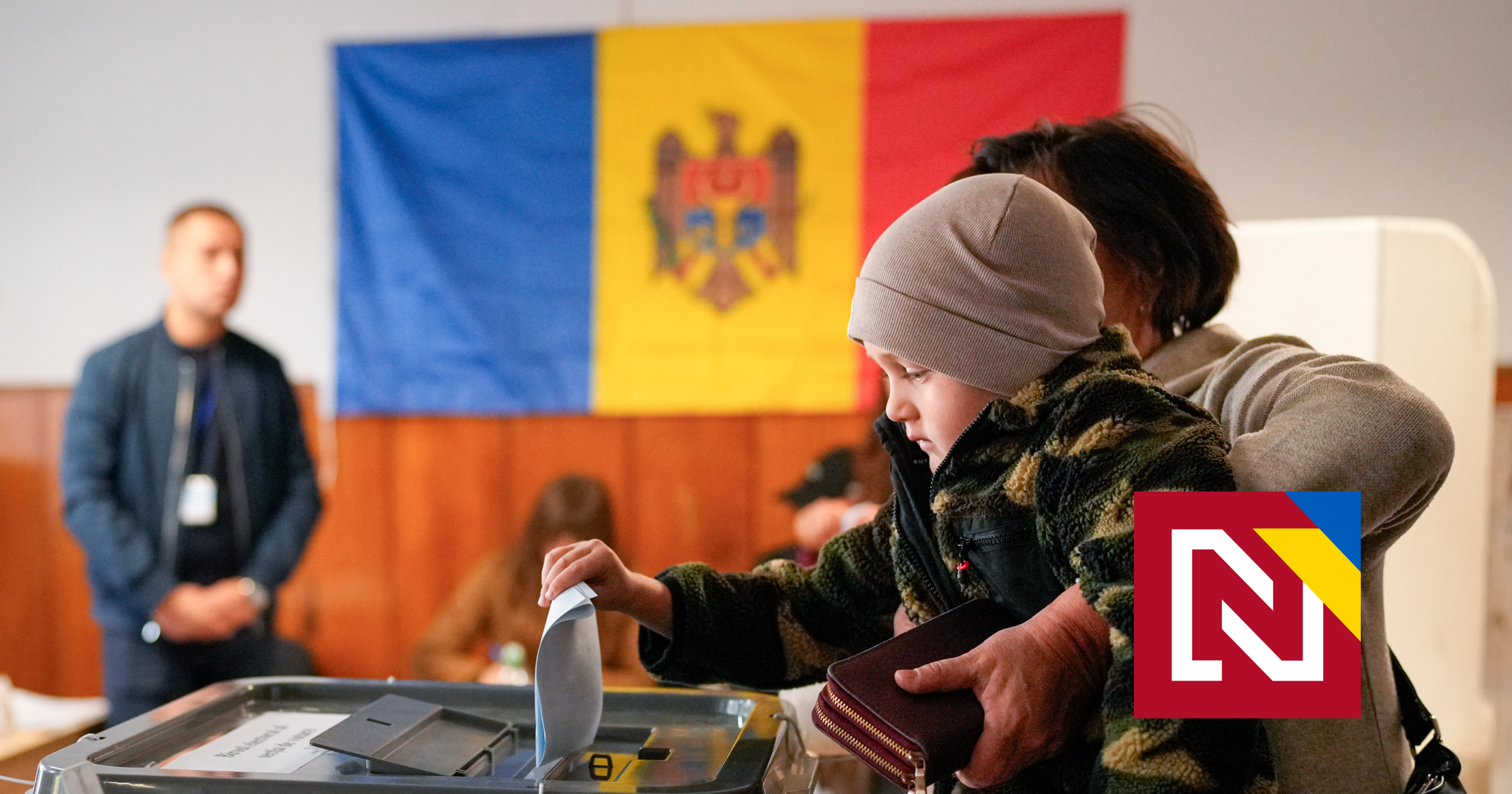
Moldova More Serious Country Than Slovakia, Says Policy Expert

A Washington-based policy researcher has declared that Moldova has become a more serious country than Slovakia, following a recent visit to the small Eastern European nation. Dalibor Rohac, a researcher at the American Enterprise Institute and advisor to Globsec, a Bratislava-based think tank, made the assessment in an opinion piece that contrasts the two countries' current political trajectories. Rohac described Moldova as a small, poor but serious country with leaders who understand their objectives, suggesting a stark comparison with Slovakia's current state. The commentary reflects growing international concern about Slovakia's political direction under Prime Minister Robert Fico's government, which has pursued policies that have strained relations with EU partners and drawn criticism for its approach to rule of law and foreign policy alignment.

|
International Politics

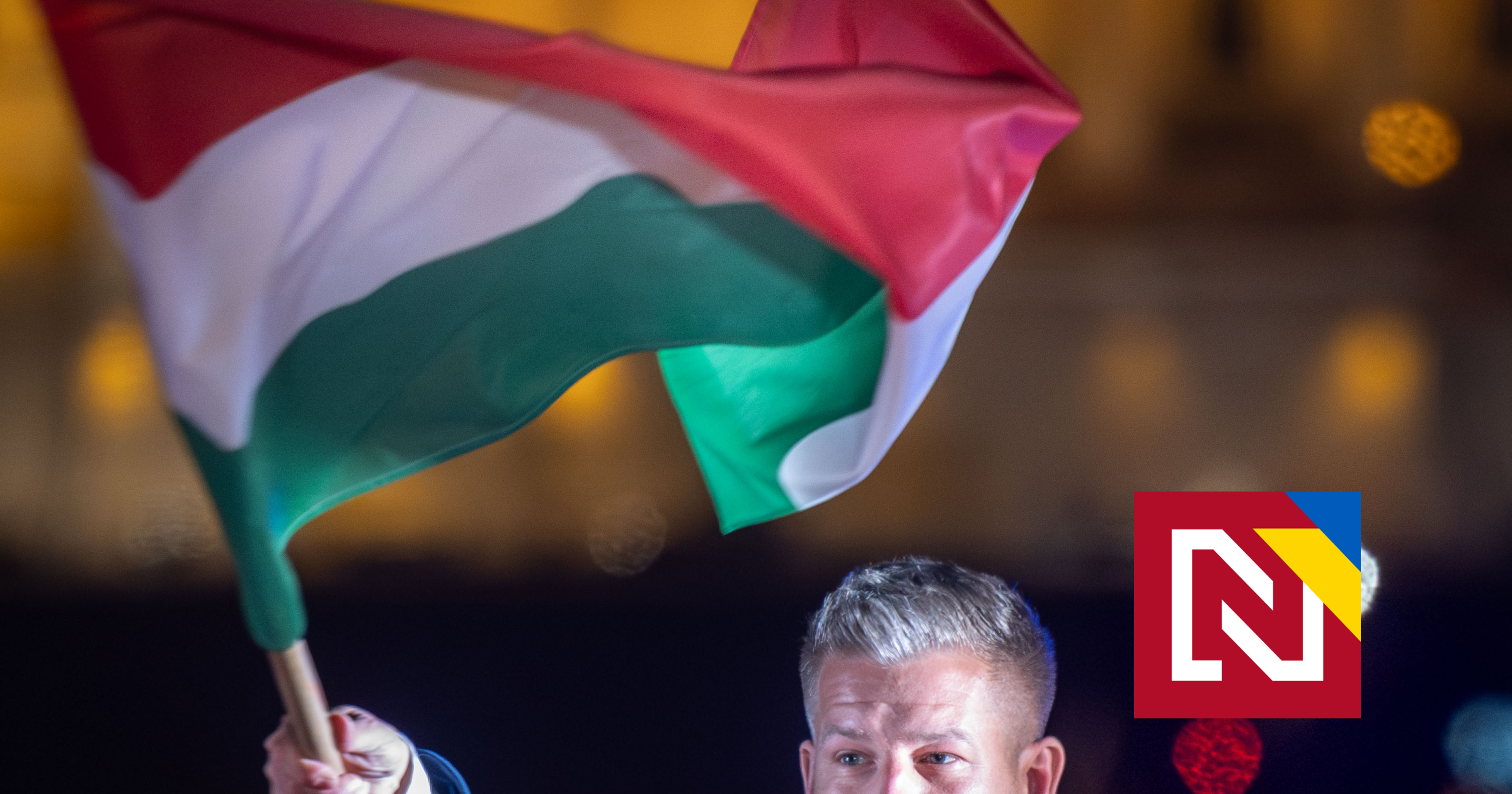
Hungarian Opposition Leader Péter Magyar Draws Crowds to Parliament Square in Budapest

Thousands of people gathered in Parliament Square in Budapest on May 2nd to celebrate what supporters called the beginning of a new political era in Hungary. The demonstration was organized around opposition leader Péter Magyar, who has emerged as a prominent challenger to Prime Minister Viktor Orbán's rule. The gathering took place on the same historic square where tens of thousands assembled during Hungary's pivotal moments in 1956 and 1989 to demand political change. Magyar's movement represents a significant development in Hungarian politics, where Orbán's Fidesz party has maintained dominant control for over a decade through what critics describe as increasingly authoritarian policies.

|
International Politics

Slovak Parliament Approves Social Security Agreement with Moldova

Slovakia's National Council approved a bilateral social security agreement with Moldova designed to regulate relations between the two countries in this area. The agreement aims to harmonize social security arrangements in accordance with the legal frameworks operating in both nations. The accord represents part of Slovakia's broader diplomatic engagement with Eastern European partners and will facilitate coordination of social benefits for citizens who work or have worked in both countries.

|
International Politics

Hungarian President Sulyok Refuses to Resign Despite Prime Minister's Pressure

Hungarian President Tamás Sulyok has rejected calls for his resignation and refused to step down despite mounting pressure from Prime Minister Péter Magyar. Sulyok has reportedly spoken of receiving threats and has instead offered cooperation to the prime minister. The escalating dispute between Hungary's president and prime minister has opened a fundamental battle over constitutional authority and political power in the country. The confrontation represents a significant political crisis as both leaders remain locked in a standoff over the future direction of Hungarian governance.

|
International Politics

French Media Employs Kremlin Propagandist, Raising Questions About Residency Status

A known Kremlin propagandist has been appearing in French media outlets, sparking debate about how she obtained permission to reside in France. The woman has been employed by media companies owned by Vincent Bolloré, a French billionaire businessman who controls several television channels and newspapers. French authorities and commentators are questioning the vetting process that allowed someone identified as spreading Russian propaganda to gain legal residency status in the country, particularly given France's stance on Russian disinformation campaigns since the invasion of Ukraine.

|
International Politics

German Foreign Minister Calls for UN Reform While Defending Organization's Global Importance

German Foreign Minister Annalena Baerbock defended the United Nations' critical role in global affairs while simultaneously proposing reforms to the international organization. Speaking at what appears to be a UN-related event, Baerbock acknowledged that the era of resolving international disputes through consensus and friendly diplomacy has ended. Her comments reflect growing international concerns about the UN's effectiveness in addressing modern global challenges, particularly amid rising geopolitical tensions and conflicts that have strained traditional diplomatic approaches. The German minister's call for institutional reform comes as many nations question whether the UN's current structure and decision-making processes are adequate for addressing contemporary international crises.

|
International Politics

Dozens of Countries Condemn Russia Over Drone Strike on Romanian Building

Dozens of countries have condemned Russia following a drone incident that struck a residential building in Romania. The strike represents the first time since Russia's invasion began in 2022 that an unmanned aircraft has hit a civilian structure outside Ukrainian territory. Romania is a NATO member and European Union state that borders Ukraine to the west, making any cross-border incident particularly sensitive for the Western military alliance. The condemnation reflects growing international concern over the expanding geographic impact of Russia's military operations, which have previously been confined to Ukrainian soil.

|
International Politics

UN Chief Calls for Extension of Lebanon Peacekeeping Mission Beyond 2026

UN Secretary-General António Guterres has proposed extending the UNIFIL peacekeeping mission in Lebanon beyond its current mandate, which expires in 2026. He presented three scenarios for maintaining a reduced but still significant presence of the blue helmets in the country. UNIFIL currently consists of approximately 7,500 troops from 47 countries deployed along Lebanon's southern border. The United Nations Interim Force in Lebanon was established in 1978 to monitor the cessation of hostilities between Israel and Lebanon and has played a crucial role in maintaining stability in the volatile border region. The mission's mandate has been repeatedly renewed amid ongoing tensions between Israel and Hezbollah, the Iran-backed militant group that controls much of southern Lebanon.

|
International Politics

Swedish MEP Criticizes Slovakia's Direction and EU's Gaza Stance in Sharp Interview

Swedish Member of the European Parliament Abir Al-Sahlani, one of the most vocal critics of Slovak Prime Minister Robert Fico in Brussels, has defended her support for a European Parliament resolution on Slovakia while also accusing the European Union of hypocrisy regarding its stance on Gaza. Al-Sahlani, who has emerged as a prominent voice against Fico's policies, used the interview to explain her position on both Slovak domestic developments and broader EU foreign policy inconsistencies. The resolution she supported represents part of ongoing European Parliament scrutiny of Slovakia's political direction under Fico's government. Her comments reflect broader tensions within EU institutions over both member state governance and the bloc's international positions, particularly regarding conflicts in the Middle East.

|
International Politics

Latvia Requests Ukrainian Drone Defense Expertise Following Security Incidents

Latvia has called on Ukrainian specialists to share their combat experience in drone defense, asking Ukrainian experts to travel to Latvia to transfer their knowledge of shooting down unmanned aerial vehicles. Riga's request comes as a response to a series of recent incidents and growing security concerns in the Baltic nation. Latvia, a member of both NATO and the European Union, shares concerns with other Baltic states about regional security as the war in Ukraine continues to affect the broader European security environment.

|
International Politics

Slovak Registry Officials Face Dilemma Over Same-Sex Marriage Recognition After EU Court Ruling

Slovak registry officials are grappling with how to handle same-sex marriages performed in Austria following a November ruling by the European Court of Justice. The court issued guidance to EU member states regarding the recognition of same-sex marriages conducted in other EU countries. Slovakia does not legally recognize same-sex marriages domestically, creating uncertainty for registry officials when couples who married in Austria seek to have their unions recognized or registered in Slovak administrative systems. The situation highlights the tension between Slovakia's domestic marriage laws and EU legal obligations regarding the free movement of citizens and recognition of civil status across member states.

|
International Politics

European Parliament and Member States Agree on Migrant Deportation Centers Outside EU

The European Parliament and EU member states have reached a preliminary agreement to establish deportation centers for migrants outside European Union territory. Under the deal, asylum seekers whose applications have been rejected could be transferred to "return centers" located beyond EU borders, particularly when their home countries refuse to accept them back or when diplomatic relations are lacking. The agreement represents a significant shift in EU migration policy, moving toward offshore processing of failed asylum claims. The proposal still requires formal approval from both the European Parliament and the Council of the EU before it can be implemented across member states.