Dávka - Your daily dose of Slovak news
Last refreshed: 08/06/2026 10:36 · 59 articles added
Stories are refreshed at 05:30, 10:30, 15:30, and 21:30 UTC.

International Politics

View all2884 stories
International Politics

Slovak Prime Minister Robert Fico to attend Victory Day celebrations in Moscow with Putin

Slovak Prime Minister Robert Fico will travel to Moscow to participate in Victory Day celebrations, where he is scheduled to hold talks with Russian President Vladimir Putin. The Kremlin announced that Putin will deliver a closely watched speech during a limited parade on Red Square, marking the annual commemoration of the Soviet Union's victory over Nazi Germany in World War II. Fico's attendance at the May 9 celebrations represents a significant diplomatic move for Slovakia, a NATO and European Union member state, at a time when most Western leaders have boycotted Russian events following the country's invasion of Ukraine in 2022. The Slovak government, led by Fico's Smer-SD party, has taken a more Russia-friendly stance compared to the previous administration, including opposition to military aid for Ukraine and calls for peace negotiations.

|
International Politics

Poland Launches New Military Satellite to Enhance Reconnaissance Capabilities

Poland has successfully deployed another military satellite into orbit, according to Defense Minister Władysław Kosiniak-Kamysz. The minister announced that the satellite will improve Poland's reconnaissance capabilities regardless of time and weather conditions. The launch represents part of Poland's broader effort to strengthen its military surveillance and intelligence-gathering capacity through space-based assets.

|
International Politics

Israel launches major arms buildup with US fighter jet purchases

Israel is purchasing two new squadrons of advanced fighter jets from the United States as part of a comprehensive military modernization program. The deal includes F-35I Lightning II stealth fighters and F-15IA Eagle aircraft, representing a significant expansion of Israel's air force capabilities. The purchases are part of a decade-long military buildup program worth 350 billion shekels (approximately $95 billion), designed to maintain Israel's long-term military superiority in the Middle East region. The massive investment underscores Israel's commitment to maintaining its qualitative military edge amid ongoing regional tensions and evolving security threats.

|
International Politics

US Secretary of State Rubio to Visit Vatican and Italy Following Trump-Pope Dispute

US Secretary of State Marco Rubio will visit the Vatican and Italy on Thursday and Friday, meeting with Vatican Secretary of State Cardinal Pietro Parolin and Italian Foreign Minister Antonio Tajani. The diplomatic visit comes after a recent dispute between President Donald Trump and Pope Francis, though the specific nature of the disagreement was not detailed in the reports.

|
International Politics

Slovak Parliament Speaker to Attend EU Parliamentary Speakers Conference in Copenhagen

Peter Žiga, Speaker of Slovakia's National Council, will participate in the Conference of Speakers of European Union Parliaments in Copenhagen. The Slovak parliamentary leader views the summit as an opportunity to advance Slovakia's national interests in discussions about the future direction of Europe. His program will also include bilateral negotiations with other parliamentary representatives during the conference.

|
International Politics

Trump Rejects Latest Iranian Peace Proposal, Does Not Rule Out Renewed Attacks

U.S. President-elect Donald Trump has dismissed Iran's latest peace proposal while leaving open the possibility of military action against the Islamic Republic. Trump indicated he would consider reviewing the new Iranian peace initiative but expressed skepticism about its acceptability. He warned that the option of renewing attacks against Iran remains on the table, signaling a potential continuation of the confrontational approach that has characterized U.S.-Iran relations in recent years. The development comes as Trump prepares to return to the White House, where Iranian nuclear ambitions and regional influence have been central foreign policy concerns.

|
International Politics

Europe Trapped as America's Technology Vassal Through Its Own Regulatory Focus

Europe has become a "technological dwarf" dependent on American innovations despite being a "superpower in writing laws," according to analysis of the continent's strategic missteps. While European Union institutions in Brussels focus on crafting detailed regulations and legal frameworks, American companies have quietly gained control over European phones, digital payments, and energy systems. The analysis suggests Europe has maneuvered itself into the position of a "modern vassal" through excessive bureaucracy, transforming what appears to be sovereignty on paper into practical dependence on American technology. This technological subordination has emerged as Brussels prioritizes regulatory compliance over innovation, allowing the United States to dominate critical sectors of the European economy while European policymakers remain focused on legislative processes rather than technological development.

|
International Politics

Trump Says US Will Withdraw More Than 5,000 Troops From Germany

US President Donald Trump announced that the United States will withdraw more than 5,000 troops from Germany, though he provided no explanation for the decision when asked. Trump indicated that an even larger reduction in forces would follow. The United States currently maintains 36,436 active-duty military personnel in Germany as of December 31, 2025. Germany hosts one of the largest US military presences in Europe, serving as a key hub for American operations across the continent and supporting NATO's collective defense structure. The planned withdrawal represents a significant shift in US military positioning in Europe, though Trump offered no details about the timeline or strategic rationale behind the decision.

|
International Politics

Russia and Ukraine Exchange Drone Attacks, with Ukrainian Strikes Reaching St. Petersburg Area

Russia and Ukraine conducted mutual drone attacks overnight, with Ukrainian forces extending their strikes to the vicinity of St. Petersburg, marking a significant escalation in the geographic scope of the conflict. Both Moscow and Kyiv faced aerial attacks as the war continues to intensify beyond traditional front lines. The Ukrainian drone operations near St. Petersburg, Russia's second-largest city located hundreds of kilometers from the border, demonstrate Ukraine's expanding capability to strike deep into Russian territory and bring the conflict closer to major Russian population centers.

|
International Politics

Hungarian Prime Minister Orbán Refuses to Repeal Child Protection Law Despite EU Court Ruling

Hungarian Prime Minister Viktor Orbán has rejected calls to repeal the country's controversial 2021 child protection law despite a European Union court ruling that it violates EU regulations. The legislation, widely referred to in media as the "anti-LGBTI law," has been criticized for restricting content related to sexual orientation and gender identity that can be shown to minors. The European Court of Justice found that the law breaches EU rules on freedom of expression and non-discrimination. Orbán's refusal to comply with the court decision sets up a potential confrontation with EU institutions, which have increasingly clashed with Hungary over rule of law issues and LGBTI rights in recent years.

|
International Politics

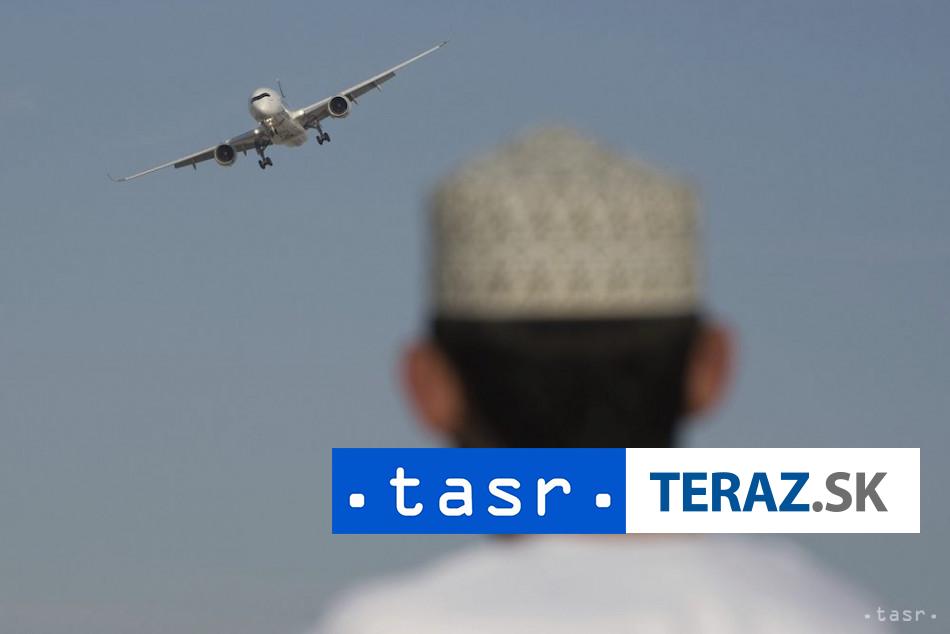
UAE Lifts All Restrictions and Reopens Airspace

The United Arab Emirates has lifted all aviation restrictions and fully reopened its airspace. Air travel in the UAE had been restored with limitations shortly after the beginning of a recent conflict, including evacuation flights for stranded passengers. The country has now moved to completely normalize flight operations by removing all remaining restrictions on aviation traffic.

|
International Politics

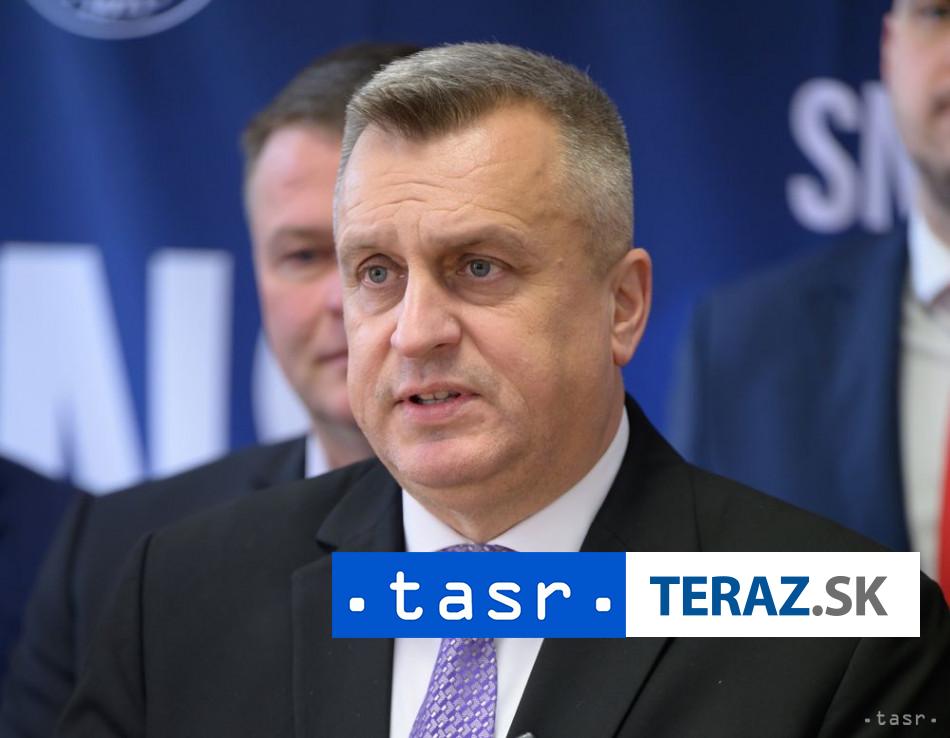
Slovak National Party Says Ukraine Under Zelensky Cannot Join EU

The Slovak National Party (SNS) declared that Ukraine under President Volodymyr Zelensky's leadership can never join the European Union. The nationalist party, which is part of Prime Minister Robert Fico's ruling coalition, also expressed belief that Fico should have blocked a 90-billion euro loan package for Ukraine. SNS has consistently taken pro-Russian positions and opposed Western military aid to Ukraine since Russia's invasion began in 2022. The party's stance reflects ongoing divisions within Slovak politics over support for Ukraine, with the current government taking a more skeptical approach toward military assistance compared to the previous administration.

|
International Politics

Taiwan President Lai Ching-te Visits Eswatini After Earlier Trip Suspension

Taiwan President Lai Ching-te has visited Eswatini, one of only 12 countries worldwide that still maintain diplomatic recognition of Taiwan. Lai had previously indicated that his original visit to the African kingdom was "suspended due to unexpected external influences," though he provided no further details about what caused the initial postponement. The visit underscores Taiwan's efforts to maintain its limited international diplomatic relationships amid ongoing pressure from China, which claims Taiwan as its territory and seeks to isolate it diplomatically. Eswatini, formerly known as Swaziland, is Taiwan's last remaining diplomatic ally in Africa and has resisted Chinese pressure to switch recognition to Beijing.

|
International Politics

Europe More Divided Than During Cold War, Says Slovak Official

Europe is more divided now than it was during the Cold War, according to a Slovak official identified as Mihók. Instead of achieving integration, the continent has become increasingly fragmented. Mihók declared that military buildup is having a devastating impact on economic development across European nations. The statement reflects growing concerns about the continent's political and economic trajectory amid current geopolitical tensions.

|
International Politics

Ukraine Says Russia Has Made No Official Ceasefire Offer for May 9

Ukraine's government stated it has not received any official ceasefire proposal from Russia ahead of May 9, despite recent diplomatic signals from Moscow. Ukrainian officials characterized the Russian signals as a diplomatic maneuver designed to improve President Vladimir Putin's image in Western countries. May 9 marks Victory Day in Russia, commemorating the end of World War II in Europe, and has been a significant date in Russian political calendar since the country's invasion of Ukraine began in February 2022.

|
International Politics

Slovak Prime Minister Fico to Meet Ukrainian President Zelensky in Yerevan

Slovak Prime Minister Robert Fico will meet with Ukrainian President Volodymyr Zelensky in Yerevan, Armenia, to discuss bilateral relations and restore the format of joint government sessions between the two countries. The meeting comes as both nations seek to strengthen their relationship despite having differing positions on various issues. The renewed dialogue format suggests an attempt to normalize diplomatic ties between Slovakia and Ukraine, which have experienced tensions over policy disagreements since Fico's return to power in October 2023. Fico, who leads the ruling Smer-SD party, has taken a more critical stance toward military aid to Ukraine compared to the previous Slovak government, making this diplomatic engagement particularly significant for regional relations.

|
International Politics

Russian Drone Violates Romanian Airspace During Attack on Ukrainian Port

A Russian drone violated Romanian airspace during an attack on the Ukrainian port of Izmail, prompting Bucharest to scramble F-16 fighter jets and activate air raid alerts in the affected region. The incident marks another breach of NATO member Romania's territorial airspace amid Russia's ongoing strikes against Ukrainian infrastructure targets along the Danube River. Romania, which borders Ukraine and has experienced several such violations since Russia's invasion began, responded with military aircraft to intercept the drone while implementing emergency protocols to protect civilians in the border area.

|
International Politics

NATO Confident in Defense Capabilities as European Defense Strengthens

NATO has expressed confidence in its defense capabilities, citing strengthened European defense contributions as a key factor. The military alliance is currently working with the United States to clarify details regarding the withdrawal of American troops from Germany. The cooperation between NATO and Washington comes as the alliance seeks to maintain its defensive posture while adjusting to changes in U.S. military positioning in Europe.

|
International Politics

German Defense Minister Says NATO Must Become More European to Remain Transatlantic

German Defense Minister Boris Pistorius warned that NATO must strengthen its European pillar to preserve the transatlantic alliance, as he anticipated the possibility of American troop withdrawals from Europe. Pistorius made the statement amid ongoing discussions about burden-sharing within the military alliance and Europe's defense capabilities. The comments reflect growing concerns among European NATO members about potential shifts in U.S. military commitment to the continent, particularly as debates continue over defense spending and strategic priorities within the 75-year-old alliance.

|
International Politics

Czech Media Questions Slovak PM Fico's Statement on Druzhba Oil Pipeline

Czech media outlets have expressed skepticism about statements made by Slovak Prime Minister Robert Fico regarding the Druzhba oil pipeline. The pipeline, a major Soviet-era infrastructure project that carries Russian oil through Eastern Europe to refineries in Slovakia, Czech Republic, and Hungary, has become a contentious issue amid European efforts to reduce energy dependence on Russia. Fico, who leads the ruling Smer-SD party and has maintained a more pro-Russian stance than many of his EU counterparts, has previously advocated for maintaining energy ties with Moscow despite EU sanctions and pressure to diversify energy sources. The Czech reaction reflects broader regional tensions over energy security and the ongoing debate within Central European countries about balancing energy needs with geopolitical considerations following Russia's invasion of Ukraine.

|