Dávka - Your daily dose of Slovak news
Last refreshed: 07/06/2026 05:36 · 18 articles added
Stories are refreshed at 05:30, 10:30, 15:30, and 21:30 UTC.

International Politics

View all2865 stories
International Politics

Slovak President Pellegrini Meets Former European Parliament Chief to Discuss EU Reform

Slovak President Peter Pellegrini met with Martin Schulz, former President of the European Parliament and current director of the Friedrich Ebert Foundation, in Bratislava on Wednesday. The two leaders discussed the current functioning and future of the European Union, with both agreeing that the bloc must become more capable of action and more agile. The meeting reflects ongoing debates about EU institutional reform and effectiveness, as the union faces various challenges requiring more decisive responses. Pellegrini, who took office as Slovakia's president earlier this year, has been engaging with European leaders on questions of EU governance and Slovakia's role within the bloc.

|
International Politics

Slovak Commentary Highlights Oil Price Paradox Amid Russian Sanctions

A Slovak media commentary has described the current situation as a "cynical paradox" where cheap Russian oil remains available while gasoline prices stay high for consumers. The piece argues that responsible European governments cannot afford to purchase discounted Russian crude oil, presumably due to international sanctions imposed following Russia's invasion of Ukraine. The commentary appears to criticize the economic burden placed on ordinary citizens who face elevated fuel costs while cheaper alternatives exist but remain politically and ethically inaccessible to European Union member states committed to the sanctions regime.

|
International Politics

Ukraine War Enters Potential Decisive Phase as Both Sides Face Critical Challenges

The war in Ukraine may be entering a decisive phase as both Russian and Ukrainian forces confront mounting challenges on the battlefield. Russian forces have made advances between Pokrovsk and Rodynske while engaging in battles across a nearly 30-kilometer front around Sloviansk and Kramatorsk. However, influential Russian sources indicate that casualty rates have become unsustainable and are no longer being adequately replaced, with some suggesting that either mobilization or peace negotiations must occur by autumn if current trends continue. Meanwhile, Ukrainian forces are dealing with internal command issues, as discontented officers criticize army chief Olexandr Syrskyj for allegedly being a micromanaging despot, leading some officers to leave the military. The simultaneous pressures on both sides—Russia's massive losses and Ukraine's command problems—suggest the conflict may be approaching a critical juncture where current military strategies become unsustainable.

|
International Politics

Poland Arrests Three Citizens Suspected of Spying for Russia

Polish authorities have detained three Polish citizens on suspicion of espionage for Russia. Prime Minister Donald Tusk said the arrests highlight growing security threats across the region as Russia's war against Ukraine continues. Tusk warned that the ongoing conflict is creating increasingly real security risks for other countries in the area, suggesting the espionage case reflects broader regional destabilization efforts by Moscow. The arrests come amid heightened vigilance across Eastern Europe over Russian intelligence operations targeting NATO and European Union member states.

|
International Politics

European Parliament Adopts Most Comprehensive Resolution Yet Criticizing Slovakia's Democratic Backsliding

The European Parliament on Wednesday approved its most extensive resolution to date on Slovakia, condemning the misuse of EU funds and expressing deep concern over the deteriorating rule of law, media freedom, democracy and fundamental rights in the country. The resolution criticized multiple government reforms implemented by Prime Minister Robert Fico's administration, including the dissolution of anti-corruption agencies, amendments to the Criminal Code, and constitutional changes. The document also indirectly referenced the controversial Beneš Decrees, post-World War II legislation that stripped citizenship from ethnic Germans and Hungarians in former Czechoslovakia. Slovakia has been under increasing scrutiny from EU institutions since Fico's Smer-SD party returned to power in late 2023, forming a coalition government that has systematically rolled back judicial and media oversight mechanisms established by previous administrations. The European Parliament's resolution represents the strongest institutional rebuke yet of Slovakia's democratic trajectory, signaling growing alarm among EU lawmakers about the country's departure from European democratic norms and potentially setting the stage for formal EU proceedings against Bratislava.

|
International Politics

European Regional Cooperation Forum Highlights Territorial Collaboration's Key Role in EU's Future

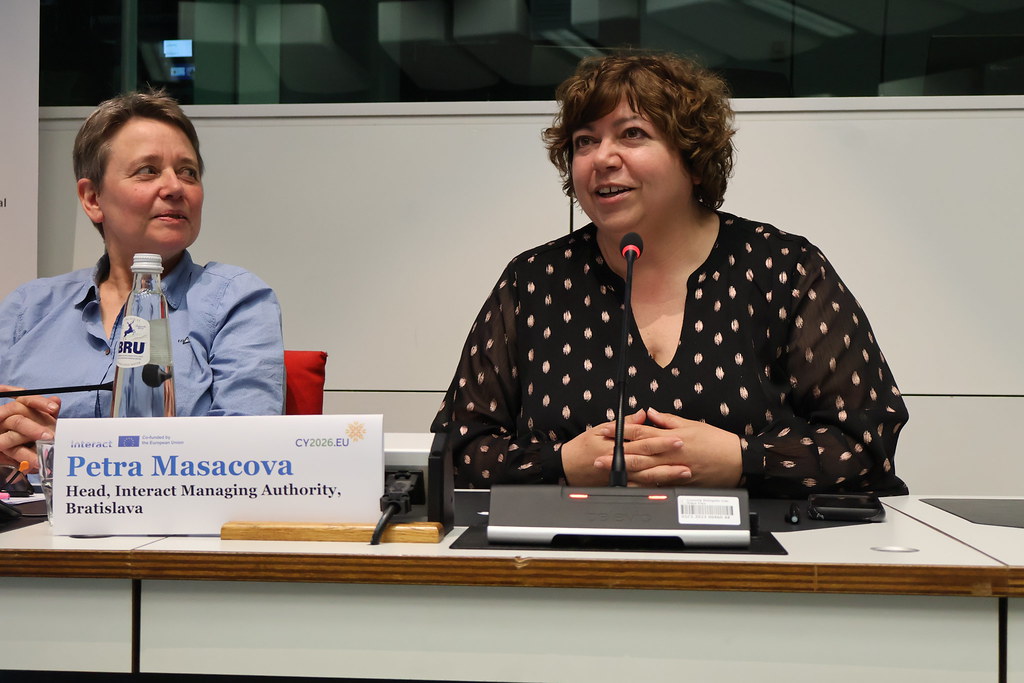
The Interreg Leaders Forum took place in Brussels on May 7, 2026, bringing together representatives from more than 80 Interreg programs across Europe. The event, organized by the Interact program, featured participants from the European Parliament, European Committee of the Regions, European Economic and Social Committee, European Commission, and the Cypriot presidency. The forum emphasized the crucial importance of territorial cooperation for Europe's future development. Interreg is the European Union's main instrument for supporting cross-border, transnational, and interregional cooperation projects, helping regions work together on shared challenges such as transportation, environmental protection, and economic development.

|
International Politics

European Leaders Forum Confirms Key Role of Cross-Border Cooperation for EU's Future

Representatives from more than 80 Interreg programs across Europe gathered in Brussels on May 7, 2026, for the Interreg Leaders Forum organized by the Interact program. The event brought together officials from the European Parliament, European Committee of the Regions, European Economic and Social Committee, European Commission, and the Cypriot presidency to discuss territorial cooperation initiatives. Interreg is the European Union's main instrument for supporting cross-border, transnational, and interregional cooperation projects, providing funding for joint initiatives between regions and countries to address common challenges and promote economic development. The forum emphasized the critical importance of territorial cooperation in shaping Europe's future development and strengthening regional partnerships across the continent.

|
International Politics

US Urges Ukraine to Ease Restrictions on Potash Imports

The United States is calling on Ukraine to relax restrictions on potash imports, according to Bloomberg. Potash represents a crucial export commodity for Belarus, accounting for approximately eight percent of the country's total exports before sanctions were imposed. The request comes as the US seeks to address global fertilizer shortages that have contributed to rising food prices worldwide. Belarus, a close ally of Russia, has faced extensive Western sanctions following its support for Moscow's invasion of Ukraine and its crackdown on domestic opposition.

|
International Politics

Polish PM Tusk Says Visegrád Group Has Been Waiting Years to Resume Full Cooperation

Polish Prime Minister Donald Tusk stated that the Visegrád Group has been waiting for years to sit down together at one table again. The Visegrád Group, also known as V4, is a regional alliance comprising Poland, Hungary, Slovakia, and the Czech Republic that was formed in 1991 to coordinate policies on European integration and regional cooperation. Tusk's comments suggest ongoing tensions or disagreements within the group that have prevented full collaborative meetings, though the specific nature of these issues was not detailed in the initial report.

|
International Politics

Poland and Hungary Seek to Revitalize Cooperation in Visegrad Group

Poland and Hungary announced efforts to revive active cooperation within the Visegrad Group, with their prime ministers Donald Tusk and Peter Magyar calling for strengthening Central Europe's voice in the European Union. The Visegrad Group, a regional alliance established in 1991, brings together Poland, Hungary, Czech Republic, and Slovakia to coordinate their positions on European integration and other regional issues. The move signals a potential shift in Central European diplomacy, as the four-nation bloc has experienced internal divisions in recent years over various EU policies and democratic governance issues. The renewed cooperation effort comes as Central European countries seek to enhance their collective influence within EU decision-making processes.

|
International Politics

NATO Brussels Headquarters to Be Protected by Two Anti-Drone Systems

NATO's headquarters in Brussels will be secured by two anti-drone defense systems called BOREADES. The systems are designed to detect, track, and neutralize unmanned aircraft that could pose security threats to the alliance's main administrative center. The deployment represents part of NATO's broader efforts to enhance security measures at its critical facilities amid growing concerns about drone-related security risks.

|
International Politics

Chinese and Russian Presidents Sign Joint Declaration Criticizing EU and Western Pressure Politics

Chinese President Xi Jinping and Russian President Vladimir Putin signed a joint declaration in Beijing that deepens their strategic partnership while criticizing the European Union and what they described as pressure politics. The two leaders, meeting in the Chinese capital, formalized an expansion of their countries' strategic cooperation through the agreement. Putin and Xi characterized their alliance as a stabilizing force for global order, positioning their partnership as a counterweight to Western influence. The declaration represents a further solidification of Sino-Russian ties, which have grown closer in recent years as both countries face increasing tensions with the United States and European nations over various geopolitical issues.

|
International Politics

European Commission Signs Memorandum with Ukraine, Unlocks First Tranche of Financial Aid

The European Commission signed a memorandum with Ukraine regarding macro-financial assistance, clearing the way for the first payment of 3.2 billion euros to be disbursed by mid-June. The agreement represents a significant step in the European Union's ongoing financial support package for Ukraine amid its war with Russia. The macro-financial assistance program is designed to help Ukraine maintain economic stability and meet its urgent financing needs during the conflict.

|
International Politics

Britain Eases Sanctions on Russian Aviation Fuel and Oil Product Imports

The United Kingdom has relaxed sanctions restrictions on imports of Russian aviation fuel and petroleum products. The easing of these trade restrictions comes during a period of sharp increases in fuel prices. The move represents a notable shift in Britain's sanctions policy toward Russia, as energy costs continue to impact the British economy amid broader inflationary pressures.

|
International Politics

Hungarian Prime Minister Magyar Meets Polish PM Tusk in Warsaw

Hungarian Prime Minister Péter Magyar met with Polish Prime Minister Donald Tusk in Warsaw, with the meeting notably taking place across from the Russian embassy. The visit to Poland marks Magyar's first official foreign trip since taking office as Hungary's prime minister. The choice of location for the meeting, directly opposite Russia's diplomatic mission in Warsaw, carries symbolic significance given ongoing tensions over the war in Ukraine and both countries' positions within the European Union and NATO.

|
International Politics

Kremlin Says No Concrete Agreement Exists Yet for Power of Siberia 2 Gas Pipeline

The Kremlin announced that no concrete agreement has been reached for the Power of Siberia 2 gas pipeline project, stating that a clear timeline and other crucial details remain unresolved. The Power of Siberia 2 is a proposed natural gas pipeline that would run from Russia through Mongolia to China, representing a major energy infrastructure project that would further strengthen Russia-China energy ties. The admission comes as Russia seeks to diversify its energy exports away from European markets following sanctions imposed over its invasion of Ukraine, making Asian markets increasingly important for Russian energy revenues.

|
International Politics

Lithuania Declares Red Alert Over Drone Threat Near Vilnius

Lithuania declared a red alert near its capital Vilnius due to a potential drone threat and activated emergency evacuation procedures. Government leaders were moved to secure shelters as part of the rapid response measures. The alert represents the highest level of security readiness in the Baltic nation, which borders Russia's Kaliningrad region and has been on heightened alert since the start of the war in Ukraine. Lithuania, a NATO member since 2004, has been particularly vigilant about airspace violations and potential security threats from Russian territory.

|
International Politics

Israeli Forces Detain Gaza-Bound Flotilla With Over 400 Activists

Israeli naval forces intercepted and detained more than 400 activists aboard the Global Sumud flotilla as it attempted to reach Gaza. The Israeli military described the flotilla as a publicity stunt designed to benefit Hamas, the militant group that controls the Palestinian territory. The detained activists are being transported to Israeli territory for processing. The flotilla represents the latest attempt by international activists to challenge Israel's naval blockade of Gaza, which Israel maintains for security reasons but which critics describe as collective punishment of Gaza's civilian population.

|
International Politics

Slovak Commentary Addresses Israeli Apartheid Claims on West Bank

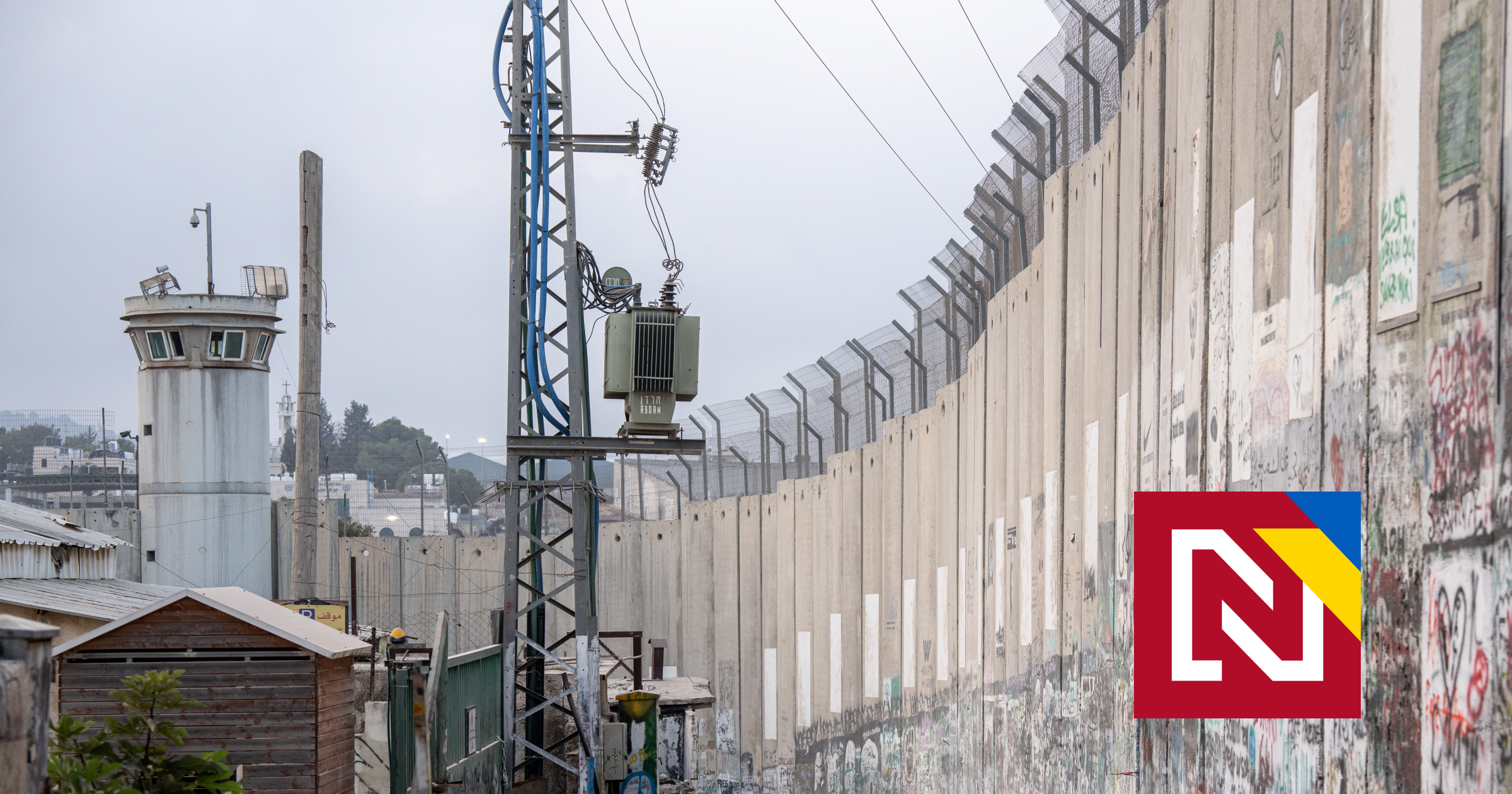
A Slovak commentary piece has examined claims of Israeli apartheid in the West Bank, presenting this characterization as a foregone conclusion in current discourse. The article appears to be part of ongoing Slovak media coverage analyzing the Israeli-Palestinian conflict and international perspectives on Israeli policies in the occupied territories. The piece contributes to broader European discussions about the situation in the West Bank and how it should be characterized in international law and politics.

|
International Politics

Hungarian Parliamentary Elections Could Reshape European Politics

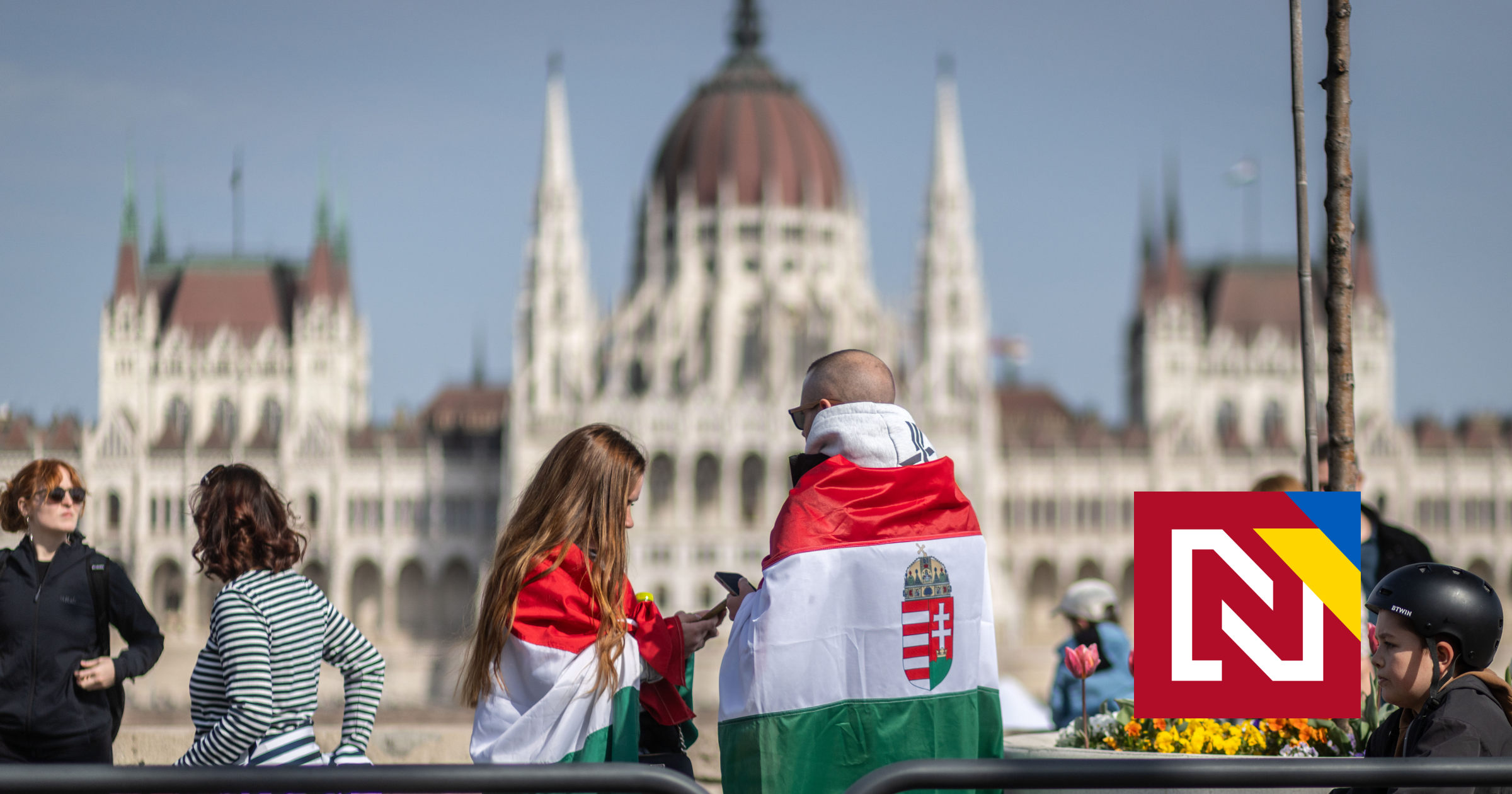
Hungarian parliamentary elections are emerging as potentially among the most significant votes in European politics over the past decade, coinciding with a period of radical restructuring within the European Union. The elections could mark a turning point for Hungary's relationship with the EU, as Viktor Orbán's government has increasingly clashed with Brussels over rule of law issues, judicial independence, and democratic governance. Hungary has faced Article 7 proceedings and billions in frozen EU funds due to concerns over democratic backsliding under Orbán's Fidesz party, which has governed since 2010. The outcome could significantly impact the EU's ability to enforce its values and reforms, particularly as the bloc grapples with challenges ranging from migration and energy security to fiscal integration and geopolitical tensions with Russia and China.

|