Dávka - Your daily dose of Slovak news
Last refreshed: 06/06/2026 21:36 · 34 articles added
Stories are refreshed at 05:30, 10:30, 15:30, and 21:30 UTC.

International Politics

View all2863 stories
International Politics

Slovak activist detained by Israeli navy while sailing to Gaza, deported to Turkey

Israeli naval forces detained a Slovak activist aboard a vessel from the Global Sumud flotilla attempting to reach the Gaza Strip. The woman was subsequently deported from Israel to Turkey under consular supervision. Slovakia's foreign ministry is monitoring the situation. The Global Sumud flotilla represents international solidarity efforts to reach Gaza, which has been under Israeli blockade since 2007. Such maritime attempts to break the blockade regularly result in interception by Israeli forces, who cite security concerns while activists argue they are delivering humanitarian aid and highlighting the humanitarian crisis in the Palestinian territory.

|
International Politics

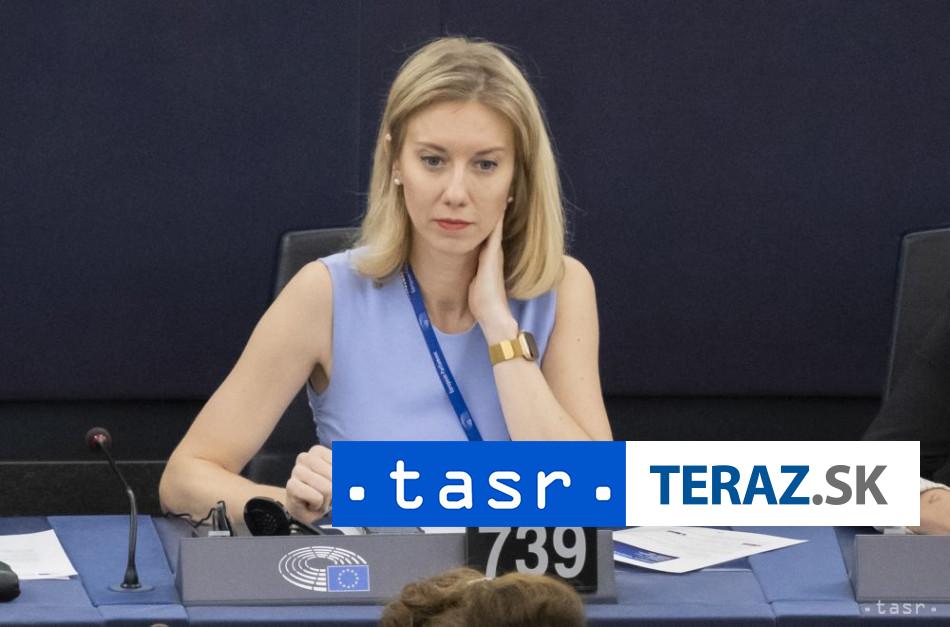
Smer MEP Accuses Opposition of Pressuring EU Against Slovakia

Katarína Roth Neveďalová, a Member of the European Parliament from Slovakia's ruling Smer-SD party, accused the opposition of creating pressure against Slovakia in Brussels following the approval of an EU resolution critical of the country. The Smer MEP defended Prime Minister Robert Fico's policy toward Russia and criticized both EU sanctions and efforts toward common European defense. Her comments came after the European Parliament passed a resolution expressing concerns about Slovakia's domestic policies. Smer-SD, led by Fico, has pursued closer ties with Russia and has been critical of EU sanctions since returning to power, putting it at odds with mainstream EU positions on the war in Ukraine.

|
International Politics

Eastern Slovakia and Ukraine establish cross-border cooperation group

The Košice and Prešov regions in eastern Slovakia have established a cross-border cooperation group with Ukraine called Vihorlat. The initiative aims to improve infrastructure including roads, tourism development, and healthcare services in the border region. The Košice region encompasses Slovakia's second-largest city and much of the country's eastern territory, while the Prešov region borders Ukraine directly. Cross-border cooperation groups are formal partnerships between neighboring regions that facilitate joint projects and coordinate development efforts across national boundaries.

|
International Politics

America Will Provide Less Help to Europe Even During Crises as Russia Showcases New Su-57 Fighter

The United States is reducing its support for Europe even during times of crisis, while Russia has displayed its new Su-57 fighter aircraft. These developments highlight shifting dynamics in global security arrangements, with America scaling back its traditional role as Europe's primary security guarantor at a time when Russia continues to demonstrate military capabilities through advanced weaponry showcases. The reduced American commitment to European security comes as the continent faces ongoing security challenges, potentially forcing European nations to reassess their defense strategies and capabilities.

|
International Politics

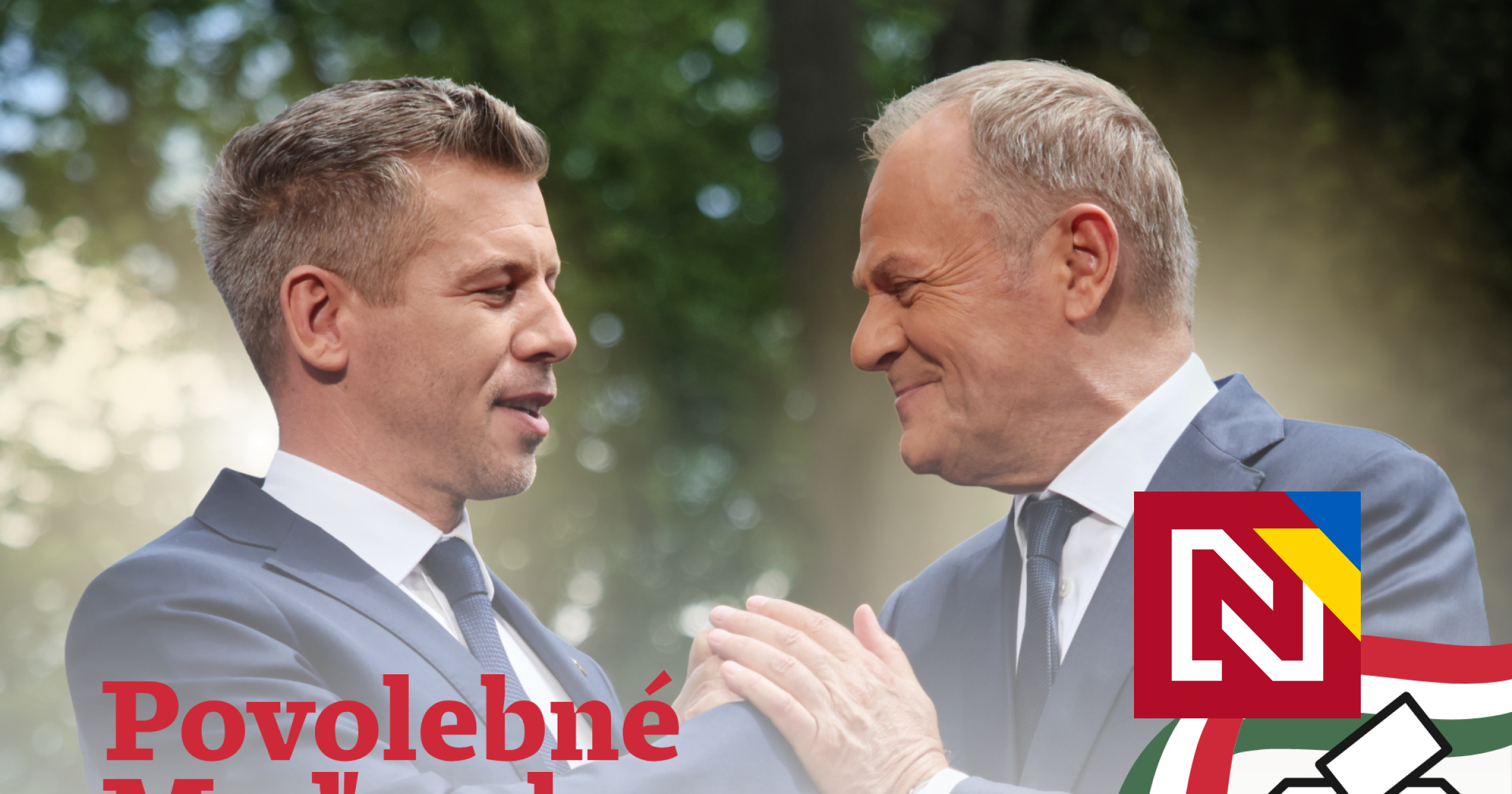
Hungarian Government Amends Constitution, Viktor Orbán No Longer Eligible for Prime Minister

The Hungarian government has amended the country's constitution in a move that will prevent Viktor Orbán from serving as prime minister, according to developments reported 39 days after recent elections. The constitutional changes represent a significant shift in Hungarian politics, as Orbán has dominated the country's political landscape for over a decade through his Fidesz party. The amendment comes as part of broader post-election developments in Hungary, though the specific details of the constitutional changes and the circumstances leading to Orbán's disqualification from the premiership were not immediately clear. This development marks a potential turning point for Hungary, which under Orbán's leadership has been increasingly at odds with European Union institutions over issues including rule of law, media freedom, and democratic governance.

|
International Politics

Slovak President Discusses EU Expansion and Energy Cooperation with Croatian Parliament Speaker

Slovak President Peter Pellegrini met with the Speaker of the Croatian Parliament to discuss European Union enlargement and energy cooperation between the two countries. The meeting focused on expanding collaboration in the energy sector, reflecting both nations' strategic interests in regional energy security and EU integration policies. Slovakia and Croatia, both EU members since 2004 and 2013 respectively, share common interests in supporting further EU expansion in the Western Balkans region and developing energy infrastructure connections across Central and Southeastern Europe.

|
International Politics

Slovak MEPs Support New EU Budget Revenue Sources

Slovak members of the European Parliament have endorsed new revenue sources for the European Union budget. The European Parliament had previously supported the European Commission's plan in April to introduce new financing mechanisms aimed at reducing the EU budget's dependence on contributions from member states. The initiative represents part of broader efforts to diversify how the bloc funds its operations and policies, potentially lessening the financial burden on individual member countries while providing more stable funding for EU programs.

|
International Politics

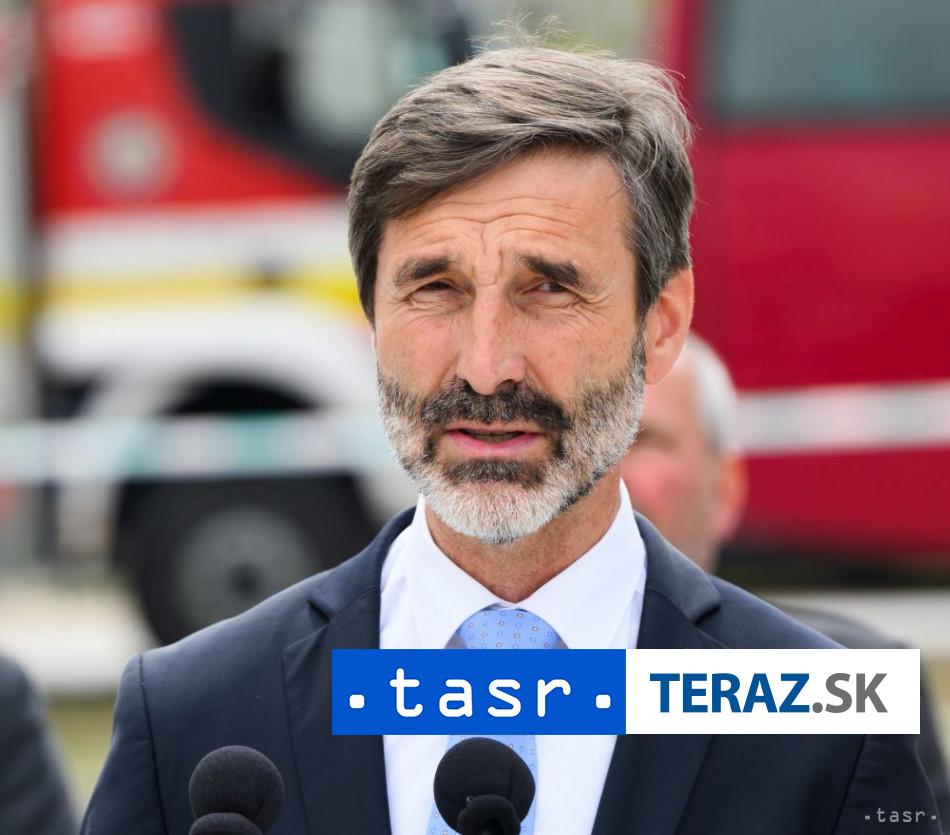
Slovak Foreign Minister to Attend NATO Security Meeting in Sweden

Slovak Foreign Minister Juraj Blanár will attend a NATO foreign ministers meeting in Helsingborg, Sweden, focused on European security issues. The meeting serves as preparation for the official NATO summit scheduled for July in Ankara, Turkey. The gathering brings together alliance foreign ministers to discuss security challenges facing Europe ahead of the formal summit where alliance leaders will convene to address strategic priorities and regional threats.

|
International Politics

Poland Investigates Case of Selective Twin Abortion Performed Abroad

Polish authorities are investigating a case involving the abortion of one twin from a multiple pregnancy that was performed outside the country. According to advocacy organizations, the procedure was not carried out for medical reasons but was requested by a couple who did not want to have two children. Such selective terminations are illegal under Poland's restrictive abortion laws, which only permit the procedure in cases of rape, incest, or serious threats to the mother's life or health. Poland has some of the strictest abortion regulations in Europe, with the Constitutional Tribunal further tightening restrictions in 2020 by ruling that terminations for severe fetal abnormalities were unconstitutional.

|
International Politics

Two Men Planned Assassinations of Jewish Leaders in Germany on Behalf of Iran

Two men, a Danish citizen identified as Ali S. and an Afghan national Tawab M., were involved in planning the assassination of prominent Jewish organization leaders in Germany on behalf of Iran, according to Reuters. The plot targeted significant figures within the Jewish community in Germany and represents part of what security experts describe as Iran's broader campaign of transnational repression against perceived enemies. German authorities have been increasingly vigilant about Iranian-backed threats following several incidents across Europe in recent years, including attempts to target Israeli and Jewish interests in various European countries.

|
International Politics

Slovak Opposition Leader Refuses Meeting Request from Russian Ambassador

Michal Šimečka, leader of the Progressive Slovakia party and head of the opposition in parliament, rejected a request for a meeting from Russia's ambassador to Slovakia. The opposition leader said he did not consider such a meeting appropriate or necessary. Progressive Slovakia is the largest opposition party in the National Council, Slovakia's parliament, and has been critical of the current government's foreign policy approach toward Russia since the start of the war in Ukraine. The refusal comes amid ongoing tensions over Slovakia's stance on the conflict, with the ruling coalition led by Robert Fico's Smer-SD party taking a more Russia-friendly position than the previous government.

|
International Politics

Brussels Approves Billion-Euro Green Hydrogen Aid for Germany

The European Commission has approved a billion-euro support package for Germany to develop green hydrogen infrastructure. The funding will be distributed through the European Hydrogen Bank mechanism, which serves as the EU's financial instrument for scaling up renewable hydrogen production and supporting the transition to clean energy. This approval represents a significant step in the European Union's strategy to reduce dependence on fossil fuels and achieve carbon neutrality goals, with hydrogen viewed as a crucial component for decarbonizing heavy industry and transportation sectors that are difficult to electrify directly.

|
International Politics

NATO Secretary General Criticizes Unequal Ukraine Aid Among Alliance Members

NATO Secretary General Mark Rutte has openly criticized the unequal financial support being provided to Ukraine by alliance members. The NATO chief called for a more equitable distribution of the burden among all member states of the alliance. NATO, the North Atlantic Treaty Organization, is a military alliance of 32 countries including the United States, European nations, and others committed to collective defense. Since Russia's invasion of Ukraine in February 2022, NATO members have provided varying levels of military and financial assistance to Kyiv, with some countries contributing significantly more than others relative to their economic capacity.

|
International Politics

Chinese Automaker BYD Faces Scandals in Hungary Over Working Conditions and Toxic Soil

Chinese electric vehicle manufacturer BYD is confronting multiple scandals at its Hungarian operations, including allegations of slave-like working conditions and the discovery of thousands of cubic meters of toxic soil at its facility. The controversies have emerged as Chinese investments in Hungary lose their previous political immunity under Prime Minister Viktor Orbán's government. The developments mark a significant shift in the treatment of Chinese business interests in the country, which had previously enjoyed strong political protection under Orbán's administration.

|
International Politics

Czech MEP Criticizes Slovakia's Plan to Eliminate Postal Voting

A Czech member of the European Parliament has criticized Slovakia's intention to abolish postal voting, arguing that the country would become the only EU member state to deny citizens the right to vote from abroad. The criticism highlights Slovakia's divergent approach to electoral access compared to other European Union nations, where postal voting typically allows citizens living or traveling overseas to participate in domestic elections. Slovakia's proposed elimination of this voting method would effectively disenfranchise Slovak citizens residing abroad, making it unique among the 27 EU member states in restricting overseas voting rights. The debate reflects broader questions about electoral accessibility and citizen participation in democratic processes across the European Union.

|
International Politics

Austria and Hungary Announce New Era of Strategic Cooperation

Austria and Hungary announced a new political era and closer strategic cooperation between the two neighboring countries. The governments plan to hold joint talks aimed at demonstrating how they intend to work together to influence European Union policies from Brussels. The initiative represents what officials are calling a historic restart of bilateral relations between Austria and Hungary, two EU member states that share extensive borders and historical ties within Central Europe.

|
International Politics

EU Court Strengthens Russia Sanctions, Allows Asset Freezes Through Complex Financial Structures

The Court of Justice of the European Union has significantly strengthened the sanctions regime against Russia by ruling that Russian assets can be frozen even when held through indirect connections via trust funds and complex financial structures. The court's decision expands the EU's ability to target Russian wealth that may be hidden through sophisticated financial arrangements, closing potential loopholes in the sanctions framework. This ruling comes as the European Union continues to implement and enforce comprehensive sanctions against Russia following its invasion of Ukraine, with the court's interpretation now allowing authorities to pursue assets even when ownership is obscured through intermediary entities and trust structures.

|
International Politics

European Leaders Discuss Strategy for Potential Dialogue with Putin

European officials are considering preparations for potential negotiations with Russia, according to recent political discussions. The conversations reflect ongoing debates within European capitals about diplomatic engagement with Moscow amid the continuing conflict in Ukraine. European Union leaders have been reassessing their approach to Russia as the war enters a prolonged phase, with some officials suggesting that the bloc should develop frameworks for eventual dialogue while maintaining support for Ukraine and existing sanctions against Russia.

|
International Politics

Ukraine Tightens Border Security with Belarus Amid Warnings of Potential Northern Attack

Ukraine has strengthened security measures along its border with Belarus following warnings of a possible new attack from the north. The enhanced border controls come as Kyiv remains concerned about potential military threats from Belarusian territory, which has served as a staging ground for Russian forces since the invasion began in February 2022. Belarus, led by President Alexander Lukashenko and closely allied with Russia, allowed Moscow to use its territory to launch the initial assault on Ukraine and has continued to provide logistical support throughout the conflict.

|
International Politics

US Military Fleet Heads to Caribbean Amid Rising Cuba Tensions

The United States is deploying a military flotilla to the Caribbean region as tensions with Cuba escalate. The naval deployment comes amid broader concerns about authoritarian governments in Latin America, with parallels being drawn to the ongoing US confrontation with Venezuelan President Nicolás Maduro's regime. The military action represents a significant escalation in Washington's approach to Cuba, suggesting the Castro-led government may face similar pressure tactics that the US has employed against Venezuela's leadership.

|