Dávka - Your daily dose of Slovak news
Last refreshed: 07/06/2026 21:40 · 36 articles added
Stories are refreshed at 05:30, 10:30, 15:30, and 21:30 UTC.

Economy

View all1469 stories
Economy

Slovakia Extends Deadline for Food Processing Investment Support Applications

Slovakia has extended the deadline for applications under a food processing investment support program. Applicants seeking funding can now apply for the project intervention 73.7, which supports investments in expanding processing plant capacities, until April 30, 2026. The extension provides more time for food processing companies to prepare their applications for the support scheme, which aims to boost the capacity of food processing facilities in the country.

|
Economy

Dr. Max Opens Its 450th Pharmacy in Slovakia

Pharmacy chain Dr. Max has opened its 450th location in Slovakia, establishing the new outlet in the town of Zákamenné. The milestone represents continued expansion for the Czech-owned pharmacy network, which has become one of the largest retail pharmacy chains operating in Slovakia. Dr. Max operates across Central and Eastern Europe, with Slovakia representing a key market for the company's growth strategy in the region.

|
Economy

Košice IT Company Lays Off 61 Employees Following End of US Project

A technology company based in Košice, Slovakia's second-largest city and economic center of the eastern region, announced it will lay off 61 employees due to the termination of a project in the United States. The dismissal process began in April as the company adjusted its workforce following the end of the American contract. The layoffs highlight the vulnerability of Slovakia's growing IT sector, which has become increasingly important to the country's economy, to international market fluctuations and project cancellations.

|
Economy

Global Wealth Inequality Reaches Record Levels While Slovakia Remains Exception, New Study Finds

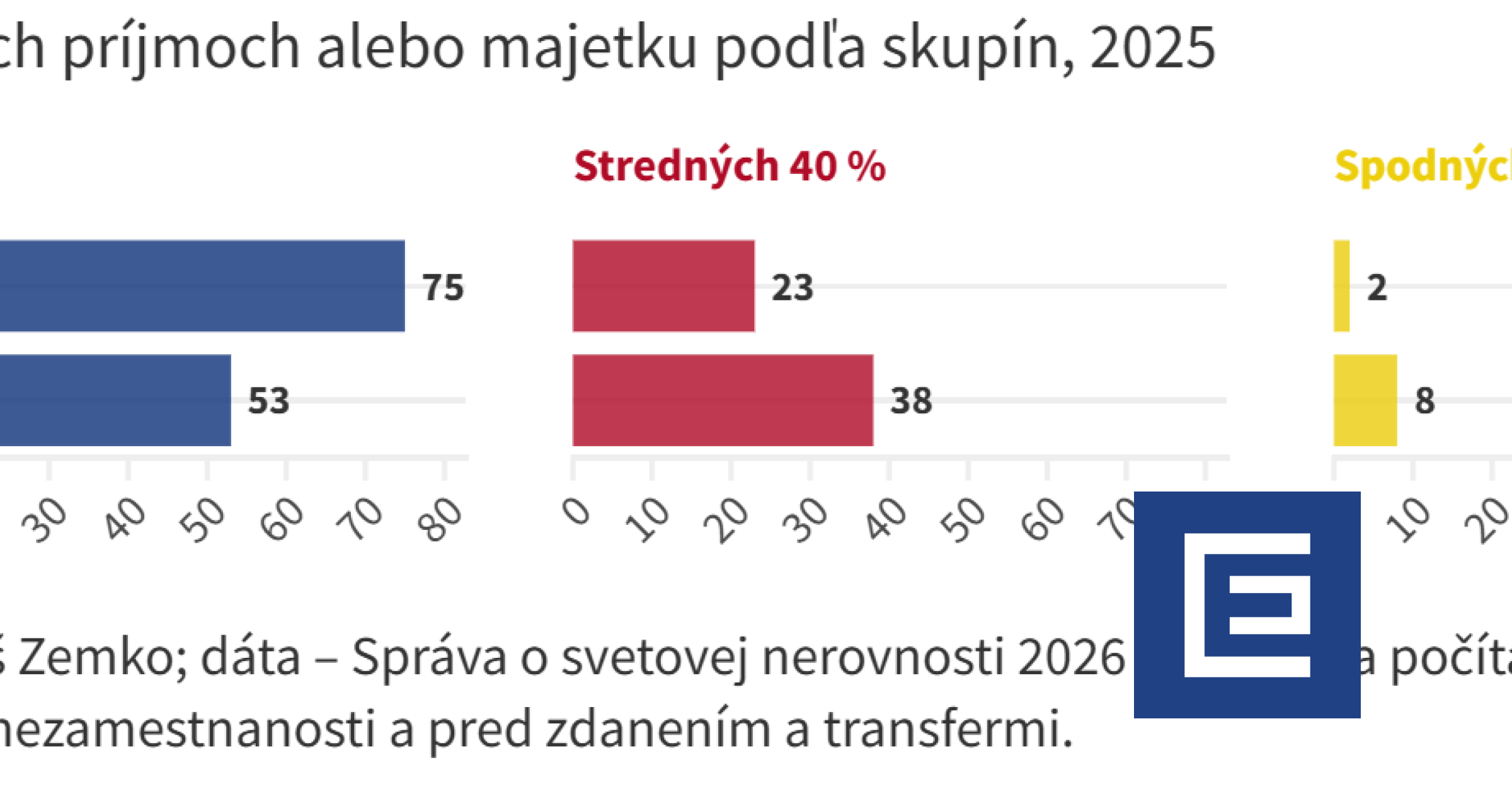
A new study by economist Thomas Piketty's research team reveals that global wealth inequality has reached extreme levels, with approximately 56,000 people worldwide owning an average of one billion euros each. The top 10 percent of the global population now earns more than the remaining 90 percent combined, highlighting a growing concentration of wealth among a narrow elite. Despite this global trend, Slovakia stands out as an exception with relatively low levels of economic inequality. The research warns that such high inequality undermines public trust, weakens Western democracies, and fuels social discontent as global wealth continues to rise but remains inaccessible to most of the world's population.

|
Economy

Slovakia Must Meet Recovery Plan Milestones by August 31 for EU Funding

Slovakia faces a deadline of August 31 to fulfill specific milestones and objectives under its EU recovery plan, according to the Central Office of Labor, Social Affairs and Family (ÚPPV). The European Commission's comitology committee is scheduled to review Slovakia's sixth and seventh payment requests on Friday, April 17, worth approximately 1.4 billion euros combined. The recovery plan refers to Slovakia's portion of the EU's post-pandemic Recovery and Resilience Facility, which provides member states with grants and loans to support economic recovery and modernization projects contingent on meeting specific reform and investment targets.

|
Economy

Czech AGEL Group Takes Over University Hospital in Bratislava

The Czech healthcare company AGEL Group has acquired the University Hospital of the Merciful Brothers in Bratislava, one of Slovakia's major medical facilities. The company has promised to stabilize the hospital's operations following the takeover. The acquisition represents a significant development in Slovakia's healthcare sector, as AGEL expands its presence in the country's medical infrastructure. The University Hospital of the Merciful Brothers is a key healthcare institution in the Slovak capital, providing specialized medical services to patients across the region.

|
Economy

Polish Financial Regulator Fines Broker XTB Record €4.6 Million for Endangering Retail Clients

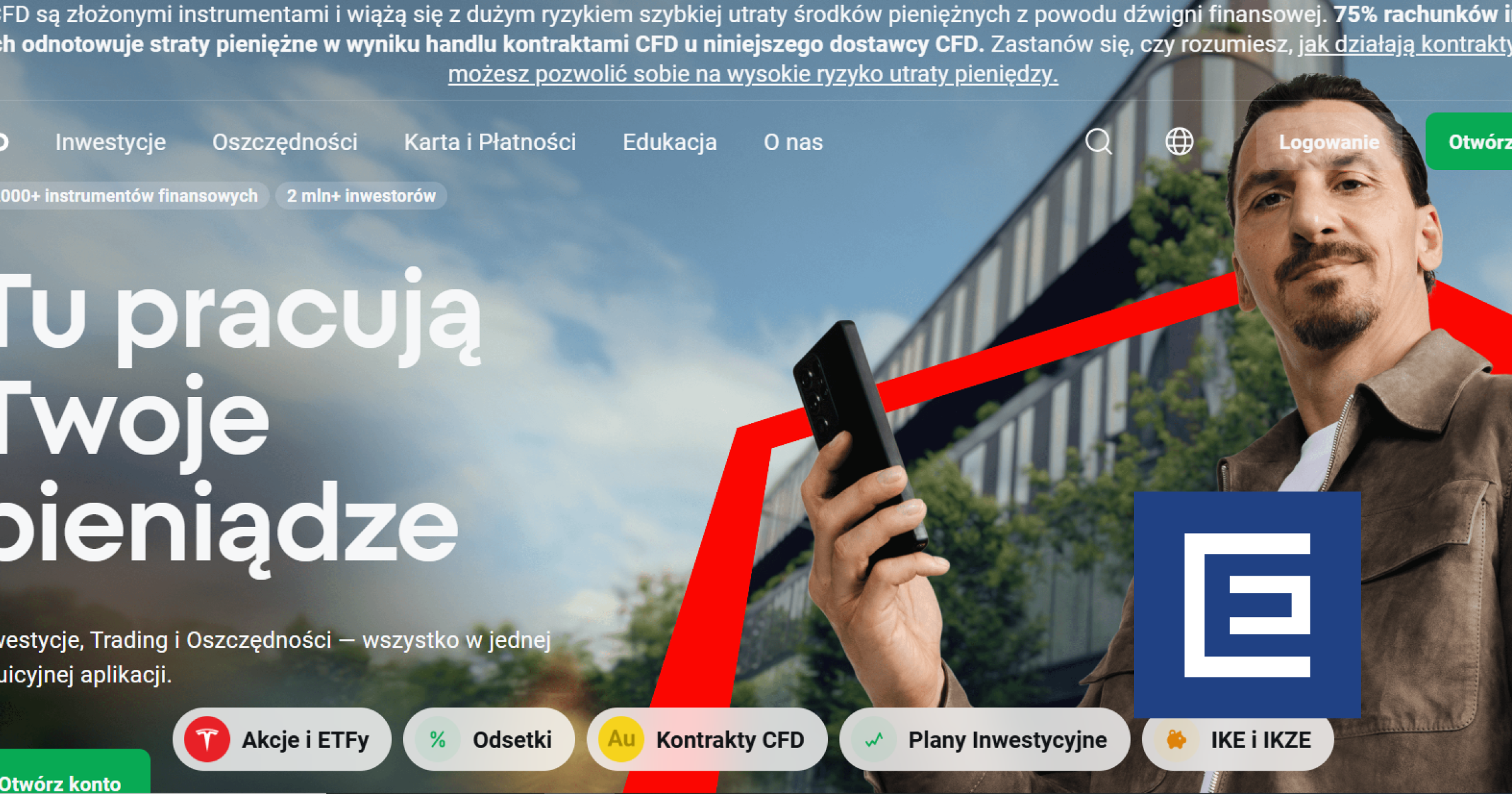
Poland's financial supervisory authority has imposed a record fine of 20 million Polish zloty (approximately €4.6 million) on securities broker XTB for violations related to client protection. The regulator found that XTB allowed inexperienced clients to engage in risky trading with CFD (Contract for Difference) contracts, potentially exposing retail investors to significant financial losses. XTB, a major Polish brokerage firm that operates across Central and Eastern Europe, is considering legal action against the penalty. The fine is not yet payable as the company weighs its options for appeal. The case highlights growing regulatory scrutiny over the sale of complex financial products to ordinary investors across the region, as authorities seek to better protect retail clients from high-risk trading instruments that can result in substantial losses.

|
Economy

Multi-million sports complex goes to auction in eastern Slovakia as entertainment center dream fails

A multi-million euro sports and entertainment complex in eastern Slovakia is being put up for auction after its ambitious development plans collapsed due to mounting debts. The owner had envisioned creating an upscale facility that would attract demanding clientele to the region. The auction represents the failure of what was intended to be a significant recreational and sports venue, highlighting the financial challenges facing large-scale entertainment projects in Slovakia's eastern regions.

|
Economy

IMF Downgrades Outlook, Predicts Slower Growth for Slovak Economy

The International Monetary Fund has revised its economic forecasts downward, projecting significantly slower growth for Slovakia's economy. The IMF expects global economic growth to reach 3.1 percent this year. Slovakia, a European Union member and eurozone country, faces reduced economic prospects as part of broader international economic headwinds affecting developed economies. The downward revision reflects ongoing challenges including inflation pressures, geopolitical tensions, and monetary policy adjustments that have dampened growth expectations across Europe.

|
Economy

Slovak Entrepreneur Achieves Financial Freedom Through Property Rentals

Slovak entrepreneur Tomáš Pieružek has achieved financial independence through property rental investments, transforming his lifestyle from extreme frugality to financial freedom. Pieružek previously lived with severe financial constraints, owning only three shirts while saving money. He now generates income through rental properties, allowing him greater financial flexibility and focus on personal priorities beyond traditional measures of success.

|
Economy

Small Bratislava Firm Reports 99 Million Euro Profit in Hotel Investment Revaluation

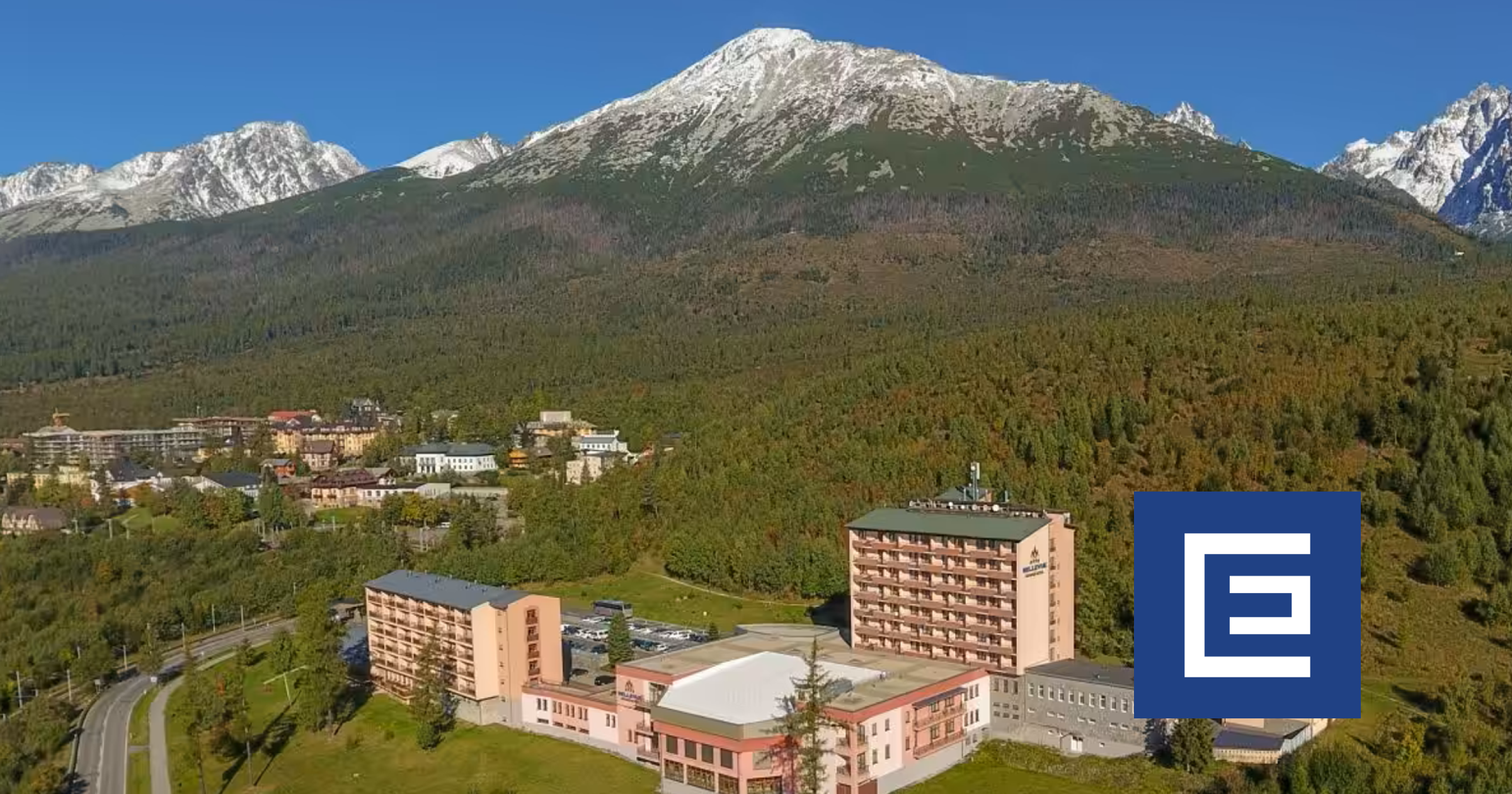
A Bratislava-based company called Slavkof Invest reported a profit of 99 million euros last year, marking a dramatic increase from its typical annual earnings of only tens or hundreds of thousands of euros. The windfall stems from a revaluation of its stake in the Grand Hotel Bellevue in the High Tatras mountains, Slovakia's premier mountain resort region. The revaluation is part of preparations by Roman Murár, co-owner of the luxury hotel, to attract new investors for the property's development. Slavkof Invest had operated for years as a small firm with modest revenues before the asset revaluation boosted its reported profits to extraordinary levels, illustrating how property revaluations can dramatically alter company financial statements in Slovakia's hospitality sector.

|
Economy

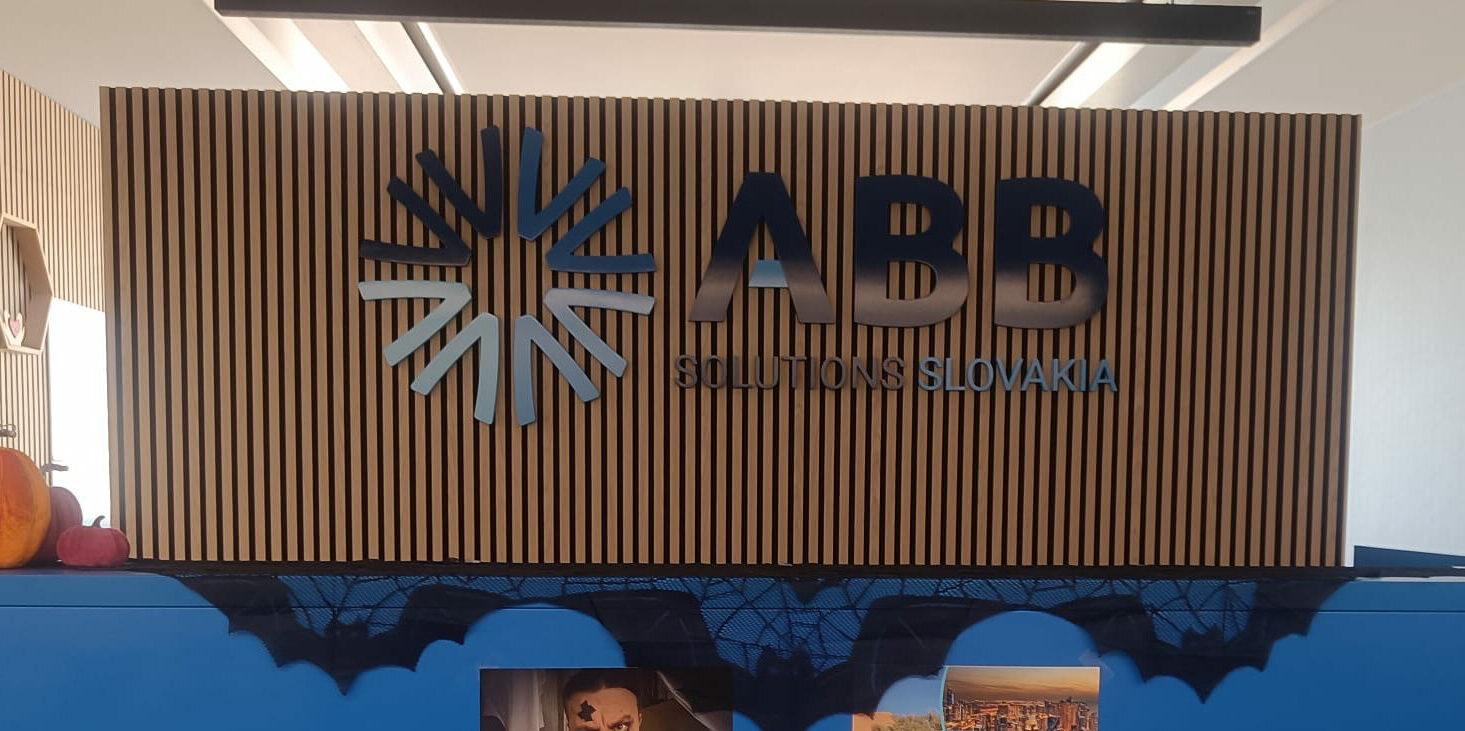
ABB Solutions Slovakia to Cut Over 60 IT Jobs in Košice

ABB Solutions Slovakia plans to eliminate more than 60 positions from its local team of over 100 employees in Košice, marking another round of mass layoffs in the city's information technology sector. The job cuts come as other multinational companies operating in Slovakia's second-largest city have also announced capacity reductions, highlighting broader challenges facing the regional IT industry.

|
Economy

Coming months crucial for Wolt in setting platform work regulations in Slovakia

The food delivery company Wolt faces critical months ahead as Slovakia works to establish regulations governing platform work. The outcome will significantly influence how the broader labor market and local economy function. The regulatory framework being developed will affect not only delivery services but the entire gig economy sector in Slovakia, potentially setting precedents for how platform workers are classified and what protections they receive.

|
Economy

Slovakia lowers diesel price for foreign vehicles to 1.905 euros per liter

Slovakia reduced the regulated diesel price for foreign vehicles to 1.905 euros per liter starting Friday, down from the previous week's price of 2.003 euros per liter. The price adjustment was announced through an amended decree from the Ministry of Finance, published on the official Slovak legal portal slov-lex.sk on Thursday. Slovakia maintains a separate pricing system for foreign vehicles as part of its fuel regulation policy, with the government periodically adjusting these rates through ministerial decrees.

|
Economy

Tesco Reports Nearly 10% Profit Growth in Latest Financial Year

British retail giant Tesco achieved profit growth of nearly 10% in its most recent financial year compared to the previous year. The supermarket chain, which operates stores across Slovakia as one of the country's major grocery retailers, reported the positive results as part of its annual financial performance.

|
Economy

Former Slovak Finance Minister Reflects on Global Economic Uncertainties

Ivan Mikloš, Slovakia's former finance minister, has written a commentary examining the rapid pace of global change and its economic implications. In his analysis, Mikloš addresses concerns about daily uncertainties including Donald Trump's policies, Iran's reactions, Putin's bombing campaigns in Ukraine, market responses, fuel prices, and the outcomes of Hungarian elections. The former minister, who served in previous Slovak governments, appears to be analyzing how these interconnected global developments affect economic stability and decision-making. His commentary reflects broader concerns about geopolitical volatility and its impact on everyday economic realities for Slovak citizens, particularly regarding energy costs and market stability.

|
Economy

Volkswagen ID.3 Electric Vehicle Gets Practical Updates with New Buttons and Drivetrain

Volkswagen has introduced practical improvements to its ID.3 electric vehicle, adding physical buttons and a new drivetrain system. The updated model addresses previous user interface concerns by incorporating tactile controls alongside the touchscreen system. Sales of the revised ID.3 will begin in Slovakia in May, marking the latest phase of Volkswagen's electric vehicle rollout in the Central European market.

|
Economy

Slovak Finance Ministry to Strengthen Cybersecurity with €1.2 Billion EU Funding

Slovakia's Ministry of Finance will invest €1.2 billion from EU funds to enhance its cybersecurity infrastructure. The project will extend beyond the ministry to include other government agencies and departmental organizations under its umbrella. The initiative represents a significant investment in protecting the country's financial sector and government digital infrastructure from cyber threats, utilizing European Union funding mechanisms to modernize Slovakia's digital security capabilities.

|
Economy

Lidl Raises Employee Wages in Slovakia

Discount retailer Lidl has increased wages for its employees in Slovakia starting in March, marking another salary boost for workers at the German-owned supermarket chain. The company implemented the wage increases as part of what it describes as concrete action to support its workforce, rather than just making promises about employee benefits.

|
Economy

Slovak Workers May Lose Holiday Pay on May 8 Due to Legal Ambiguity

Many Slovak employees will likely be forced to use vacation days on May 8 instead of receiving holiday pay, creating potential legal disputes for employers. The issue stems from ambiguous legislation regarding work during the newly established May 8 holiday. Economist Martin Šuster estimates the state will collect only one-third of the expected 45 million euros in taxes from holiday work. Rather than amending the problematic law, the Ministry of Labor has issued guidance on how work should be conducted during the holiday. Legal experts recommend employers use 'employer-side obstacles' as an alternative solution to avoid potential workplace disputes over the holiday pay confusion.

|