Dávka - Your daily dose of Slovak news
Last refreshed: 07/06/2026 15:41 · 49 articles added
Stories are refreshed at 05:30, 10:30, 15:30, and 21:30 UTC.

Economy

View all1469 stories
Economy

Man Blamed for Largest Real Estate Crisis in History Reportedly Confesses in Court

A man allegedly responsible for what is being called the largest real estate crisis in history has reportedly confessed in court proceedings. The case involves unprecedented financial sums, though specific details about the defendant, the nature of the crisis, or the exact amounts involved have not been disclosed. The confession marks a significant development in what appears to be a major financial scandal with far-reaching implications for the real estate sector.


|
Economy

Ten Restaurants Put Up for Sale Across Slovakia, Most Expensive Outside Bratislava

Ten restaurants across Slovakia have been put up for sale, with the most expensive properties located outside the capital city of Bratislava. Among the sellers is a controversial businessman from Detva, a town in central Slovakia. The sale represents a significant movement in Slovakia's restaurant industry, with establishments ranging across different price points being offered to potential buyers.

|
Economy

Slovak Engineering Firm PPS Group Sees Revenue Drop Despite Production Revival

PPS Group, a Slovak engineering company, has seen its revenue fall from nearly 100 million euros to 56 million euros over the past two years. The company, based in Detva and owned by lawyer Daniel Futej, who has previously been associated with businesses linked to Juraj Široký, has experienced turbulent years following the pandemic when it nearly ceased operations. The firm is now attempting to recover by shifting from producing components for other companies to manufacturing complete machines. This strategic pivot toward producing finished products rather than just parts represents the company's effort to stabilize its business after significant financial setbacks during the COVID-19 period.

|
Economy

Šírava Lake Tourism Operators Expect Strong Summer Season as Slovaks Reconsider Foreign Holidays

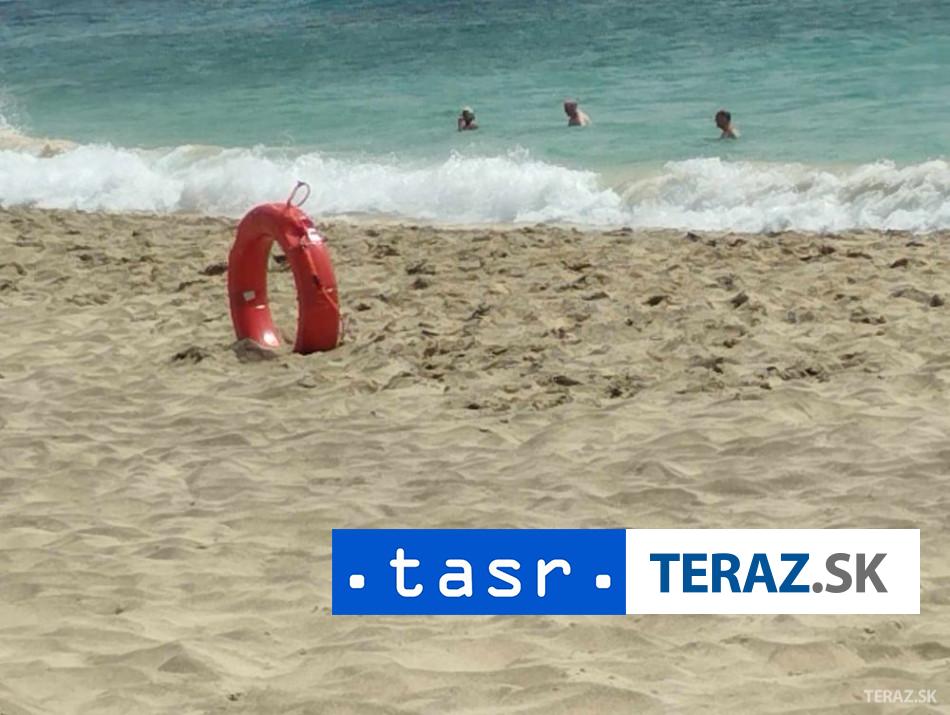
Tourism operators at Šírava Lake, Slovakia's largest artificial lake located in the eastern part of the country, are anticipating a robust summer season as they believe many Slovaks will reconsider their foreign vacation plans. The most popular booking periods are already half sold out, indicating strong domestic demand for the recreational area. Šírava, created by damming the Bodrog River in the 1960s, serves as a major domestic tourism destination offering beaches, water sports, and camping facilities, particularly popular among families seeking affordable alternatives to expensive overseas travel.

|
Economy

Slovak Nuclear Plant Completes Major Maintenance Shutdown of Mochovce Unit

Slovenské elektrárne, Slovakia's state-owned power company, has completed a general maintenance shutdown of the first unit at the Mochovce nuclear power plant. The maintenance work focused on the first of three redundant safety systems at the facility. General maintenance shutdowns are routine but critical operations at nuclear facilities, involving comprehensive inspections and upgrades of safety systems while the reactor is offline. The Mochovce nuclear plant, located in southern Slovakia, is one of the country's two nuclear facilities and plays a crucial role in Slovakia's energy supply, with nuclear power providing a significant portion of the nation's electricity generation.

|
Economy

Middle East Conflict Drives Pistachio Prices to Eight-Year High

The ongoing conflict in the Middle East has pushed pistachio prices to their highest levels in eight years. Pistachios are widely used not only as snacks but also as ingredients in desserts, ice cream, and various non-alcoholic beverages. The price surge reflects supply chain disruptions affecting the global nut trade, as the Middle East region plays a significant role in pistachio production and distribution networks.

|
Economy

Water Management Company Begins Sediment Removal Project at Gabčíkovo

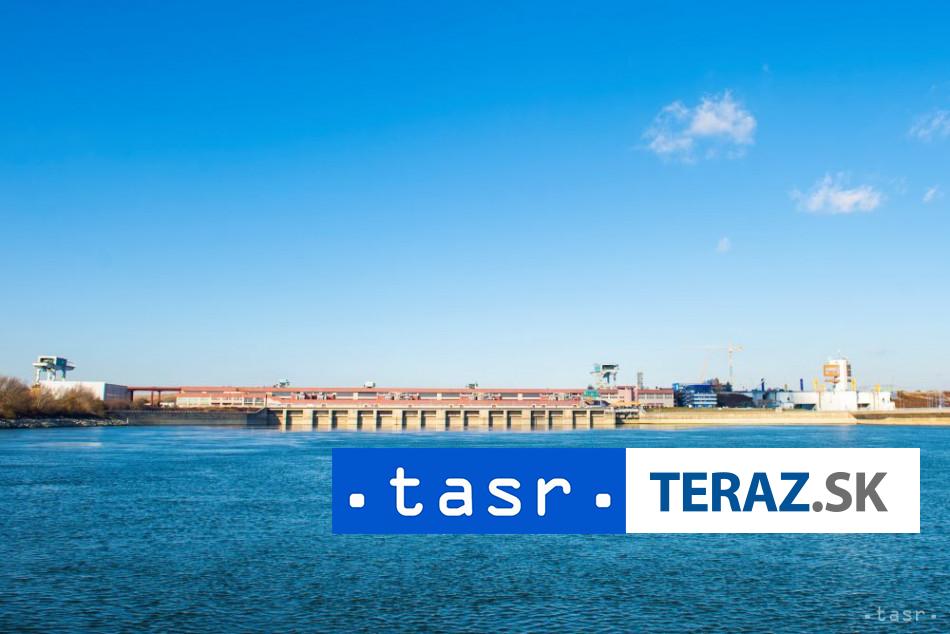
Vodohospodárska výstavba, Slovakia's state water management construction company, has launched a sediment removal project at the Gabčíkovo hydroelectric facility on the Danube River. The company plans to complete the 18-month project, which involves clearing accumulated sediments from the facility's waterways. Gabčíkovo is Slovakia's largest hydroelectric power plant, completed in 1992 as part of a joint project with Hungary, and plays a crucial role in the country's energy production and flood control along the Danube.

|
Economy

Oil prices drop over 9 percent after Iran announces closure of Strait of Hormuz

Oil prices fell sharply by more than 9 percent at the end of the week, with Brent crude closing above $90 per barrel. The decline came after Iran's military announced on Saturday that it would again close the Strait of Hormuz, a critical shipping route for global oil supplies. The development raises uncertainty about oil price movements at the start of the coming week, as markets assess the potential impact on energy supplies through one of the world's most important oil transit chokepoints.

|
Economy

Foreign Workers Drive Slovak Labor Market Despite Integration Failures, Finance Policy Institute Finds

Foreign workers are driving Slovakia's labor market growth, with 129,000 foreigners employed in the country last year, according to the Institute for Financial Policy (IFP). The government think tank found that while migration generates undisputable positive economic effects, Slovakia is failing to properly integrate foreign workers into society. The IFP, which provides economic analysis to Slovakia's Finance Ministry, highlighted the contrast between the economic benefits of foreign labor and the country's inadequate integration policies. Slovakia, like many Central European nations, has increasingly relied on foreign workers to fill labor shortages in recent years, particularly in manufacturing and construction sectors.

|
Economy

Slovak Tax Office Reminds Citizens to Archive Documents After Filing Tax Returns

The Slovak Customs and Tax Administration (SKDP) has reminded taxpayers to properly archive their tax documents after submitting annual tax returns. Despite the gradual digitalization of accounting practices in Slovakia, current legislation remains strict regarding document retention requirements. The tax authority emphasized that citizens must maintain proper records of their tax filings and supporting documentation, as digital transformation has not yet eliminated these legal obligations for taxpayers.

|
Economy

Slovak Travel Package Prices to Be Driven by Oil Costs, Analysis Shows

Travel agencies in Slovakia expect package holiday prices to be influenced primarily by oil price fluctuations in the coming period. CK Satur, one of the country's major tour operators, stated that determining specific percentage increases in vacation package costs is currently not possible due to multiple influencing factors. The company cited fuel prices, available capacity, and demand trends as the key variables affecting travel costs. The analysis reflects broader concerns in Slovakia's tourism sector about how global energy markets will impact domestic travel affordability.

|
Economy

Canadian Rating Agency DBRS Confirms Slovakia's A-Level Credit Rating with Stable Outlook

The Canadian credit rating agency DBRS has confirmed Slovakia's A-level sovereign credit rating with a stable outlook. The agency noted that gradual strengthening of real wages could support household consumption starting next year. DBRS is one of the major international credit rating agencies that assess countries' creditworthiness and ability to repay debt. The A-level rating indicates a relatively strong credit profile, suggesting Slovakia maintains solid fiscal health and economic fundamentals. The stable outlook means the agency expects the rating to remain unchanged in the near term, providing reassurance to international investors about Slovakia's economic stability.

|
Economy

Slovak Food Giant That Fed Generations Faces Acquisition by Strnad Group

A major Slovak food manufacturer that dominated the country's baby food market for generations and barely survived post-communist privatization is now heading toward acquisition by the Strnad business group. The company, described as a socialist-era industrial giant that shaped the country's dietary habits, struggled through the transition to a market economy following the fall of communism in 1989. The potential takeover represents another significant consolidation in Slovakia's food industry, as the Strnad group, led by businessman Jaroslav Strnad, continues expanding its portfolio of consumer goods companies.

|
Economy

US Dollar Continues Weakening Against Euro

The US dollar continued its decline against major currencies, with the euro strengthening 0.48 percent to reach 1.1838 USD. The ongoing weakness in the dollar reflects broader market dynamics affecting international currency markets.

|
Economy

Geopolitical stress has not yet impacted eurozone banks' balance sheets, ECB official says

Geopolitical tensions have not yet affected the financial health of banks across the eurozone, according to the chair of the European Central Bank's supervisory board. The assessment comes as European financial institutions face potential exposure to various international conflicts and economic uncertainties. The European Central Bank's supervisory board oversees banking regulation and monitors financial stability across the 19 countries that use the euro currency, making regular assessments of how external pressures might affect the banking sector's overall health.

|
Economy

Eurozone Banks Withstand Geopolitical Tensions Despite Corporate Profit Declines

Geopolitical tensions and trade tariffs are already reducing corporate profits across the eurozone, but the region's banking sector has so far proven resilient to these pressures. The European Central Bank has issued a warning that while banks are currently weathering the storm, the full impact of these geopolitical risks may not become apparent in bank balance sheets for several years. This delayed effect could pose future challenges for financial stability as international tensions and trade disputes continue to create economic uncertainty across Europe.

|
Economy

Slovakia's Pension Reform Faces Criticism Over Pre-Retirement Switching Plan

Slovakia's Ministry of Labor is preparing legislation that would allow workers to switch between the first and second pillars of the pension system shortly before retirement. The Fiscal Responsibility Council, an independent government advisory body, has raised concerns about potential risks associated with the proposed changes. Analyst Šuster has criticized the proposal as unfair and costly for the state budget. Slovakia operates a multi-pillar pension system where the first pillar is the traditional state pay-as-you-go system, while the second pillar involves private pension accounts. The timing of switches between these systems has significant implications for both individual retirement benefits and state finances, as late switches could potentially allow people to maximize benefits while shifting costs to taxpayers.

|
Economy

Budget Council warns against further interventions in Slovakia's second pension pillar

Slovakia's Budget Council has warned against additional government interventions in the country's second pension pillar, cautioning that broad-based policy changes could prove both unfair and financially costly for the state. The second pillar is part of Slovakia's multi-tiered pension system, where workers contribute to private pension funds alongside the mandatory state pension scheme. The Budget Council, an independent fiscal oversight body that monitors government spending and debt, expressed concerns about potential policy modifications that could affect the system's structure or operations. The warning comes amid ongoing debates about pension reform in Slovakia, where the government has previously made changes to the pension system's architecture.

|
Economy

European Commission Approves €1.2 Billion Recovery Plan Payment to Slovakia

The European Commission has approved the sixth and seventh payments to Slovakia from the European Union's post-pandemic recovery plan, totaling €1.2 billion. The payments had been previously delayed but have now been cleared for disbursement to the country. Slovakia's recovery plan is part of the EU's broader NextGenerationEU program, which was established to help member states rebuild their economies following the COVID-19 pandemic through targeted investments in digitalization, green transition, and economic resilience.

|
Economy

High Tatras Mayor Says Vietnamese Dream of Slovakia Every Night, Opens Doors for Investment

The mayor of Vysoké Tatry, a mountain resort town in northern Slovakia, said Vietnamese investors are deeply interested in Slovakia and that local authorities have opened doors for potential partnerships. The mayor emphasized that Slovak officials did not actively seek out the Vietnamese contacts, but were instead approached by the foreign investors. Vysoké Tatry is located in Slovakia's premier mountain tourism region, home to the country's highest peaks and a major destination for both domestic and international visitors.

|