Dávka - Your daily dose of Slovak news
Last refreshed: 07/06/2026 15:41 · 49 articles added
Stories are refreshed at 05:30, 10:30, 15:30, and 21:30 UTC.

Economy

View all1469 stories
Economy

Lidl Partnership Transforms Slovak Regional Firms into International Producers

German retail giant Lidl has evolved from a simple customer to a strategic partner for numerous Slovak companies, helping transform regional businesses into international producers. The partnership provides domestic firms with guaranteed stable sales channels, support for home economy development, and access to foreign markets. Through this collaboration, Slovak companies can expand their operations, invest in innovation, and export Slovak-made products to international markets, demonstrating how retail partnerships can drive economic growth and competitiveness for local businesses.

|
Economy

Slovakia allocates three million euros to support livestock slaughterhouses

The Slovak Ministry of Agriculture will provide three million euros in support to slaughterhouses processing pigs and cattle. The government approved a flat rate subsidy of 20 euros per slaughtered animal to help the meat processing sector plan further development. Both large and smaller slaughterhouses will be eligible for the funding, which aims to strengthen the domestic meat industry's capacity and competitiveness.

|
Economy

Family Business Conference in Košice Addresses Succession Planning and Intellectual Property Protection

A specialized conference for family businesses took place near Košice on April 16-17, 2026, focusing on succession planning and intellectual property protection. The event, titled "The Second Generation Takes the Baton," was held at the Zlatý Hýľ hotel and brought together family business owners to discuss practical approaches to generational transitions within family companies. Participants explored strategies for protecting intellectual property assets including trademarks, know-how, and copyrights as essential components of preserving family business value across generations.

|
Economy

European new car sales surge in March driven by electric vehicle demand

New car sales across Europe experienced significant growth in March, marking a notable recovery in the automotive sector. The increase was primarily driven by strong consumer demand for electric vehicles, which continued to gain market share as buyers increasingly shifted toward environmentally friendly transportation options. The March figures reflect broader trends in the European automotive market, where electric mobility has become a key driver of sales growth amid ongoing transitions in consumer preferences and regulatory support for cleaner transportation technologies.

|
Economy

Slovakia's Top Railway Expert Leaves for Czech Republic Transport Ministry

Rastislav Farkaš, one of Slovakia's leading railway experts, is leaving his position at the Value for Money Unit to join the Czech Republic's transport ministry. Farkaš received an offer from new Czech Transport Minister Bednárik to move to Prague. Despite acknowledging improvements in Slovak railway services, Farkaš noted that the country still operates some antiquated trains dating back to the 19th century, highlighting ongoing modernization challenges in Slovakia's rail infrastructure.

|
Economy

Tax Expert Warns of DPH Deduction Errors That Could Cost Companies Full Car Write-offs

A tax expert has identified significant flaws in Slovakia's new system for deducting DPH (value-added tax) on company vehicles, warning that a single mistake could result in businesses losing their entire 100-percent tax deduction. The new DPH deduction system for service cars contains loopholes that could prove costly for companies attempting to claim tax benefits on vehicle purchases. The warning comes as businesses navigate updated tax regulations that govern how much VAT they can recover on company car expenses, with experts highlighting potential pitfalls in the implementation of the new rules.

|
Economy

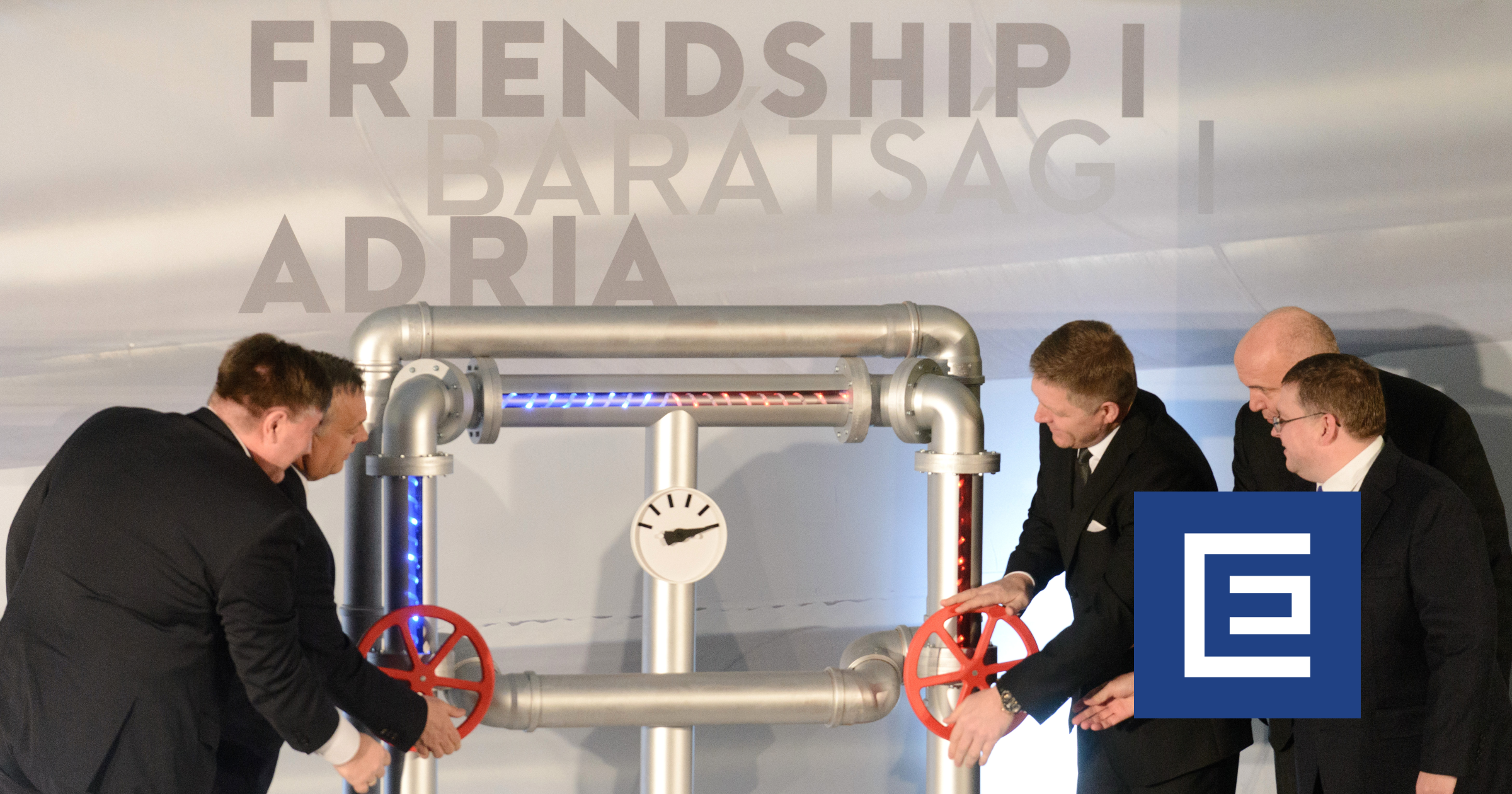
Russian Oil Flows Resume Through Druzhba Pipeline to Slovakia

Russian oil has resumed flowing through the Druzhba pipeline and is expected to reach Slovakia today, allowing state-owned refiner Slovnaft and Hungarian partner MOL to return to more profitable operations. The pipeline restoration comes during a critical period of tensions in the Persian Gulf, making the renewed oil supplies potentially beneficial for the European Union's energy security. However, the temporary disruption has provided Slovakia with an important lesson that the country can function without Russian oil supplies, highlighting potential alternatives for future energy independence.

|
Economy

European Stock Indexes Fall for Third Consecutive Day as Energy Prices Rise

European stock indexes declined for the third straight day as energy markets reacted to escalating tensions in the Middle East. Oil and natural gas prices surged after Iran detained vessels near the Strait of Hormuz, the crucial waterway through which about one-fifth of the world's oil passes. The Strait of Hormuz, located between Iran and Oman, is a strategic chokepoint for global energy supplies, connecting the Persian Gulf to international markets. Iranian actions in this region typically trigger immediate concerns about supply disruptions, driving up commodity prices and weighing on broader financial markets across Europe.

|
Economy

Oil prices surge over 3% as Brent crude tops $100 after Iran seizes ships in Strait of Hormuz

Oil prices jumped more than three percent on Monday, with Brent crude rising above $100 per barrel following Iran's seizure of two vessels in the Strait of Hormuz. The incident in the strategic waterway, through which roughly one-fifth of the world's oil exports pass, sparked immediate concerns about potential supply disruptions. The Strait of Hormuz is a critical chokepoint for global energy supplies, connecting the Persian Gulf to international markets, and any military action in the area typically triggers sharp price increases as traders factor in geopolitical risk premiums.

|
Economy

Slovakia Faces Potential Suspension of EU Agricultural Subsidies

The European Commission is demanding that Slovakia conditionally suspend the accreditation of its paying agency, which distributes hundreds of millions of euros annually in EU agricultural subsidies. The agency is responsible for managing Common Agricultural Policy payments to Slovak farmers. This development echoes a similar crisis that occurred during the "Dobytkár" (Cattle Farmer) corruption scandal, when Slovakia previously faced the suspension of EU agricultural funds due to irregularities in subsidy distribution. However, officials warn this new situation could have even more serious consequences for Slovak farmers. Agriculture Minister Richard Takáč has been aware of Brussels' concerns since early April but has not provided detailed public information about the issues. The minister is reportedly downplaying the severity of the problem and maintains that farmers will not lose their subsidies, though the European Commission's intervention suggests significant compliance problems with EU fund management requirements.

|
Economy

Hungarian Investors Purchase Historic Castle and Manor Following Unusual Municipal Offer

Hungarian investors have acquired both a castle and manor house following an unconventional offer from a small Slovak municipality. The transaction represents a significant foreign investment in Slovak historical properties, though details about the specific location, purchase terms, and the nature of the municipality's unusual offer remain limited. The acquisition adds to growing Hungarian business interests in Slovak real estate and heritage properties.

|
Economy

Slovak authorities uncover 200 fictitious businesses in two-year crackdown

Slovak authorities have identified approximately 200 fictitious businesses over the past two years as part of an ongoing effort to combat fraudulent commercial activities. The crackdown targets fake business registrations that are typically used to avoid taxes, launder money, or facilitate other illegal activities. These fictitious enterprises often exist only on paper, with no genuine business operations, and represent a significant challenge for Slovak financial authorities who are working to strengthen oversight of the country's business registry system.

|
Economy

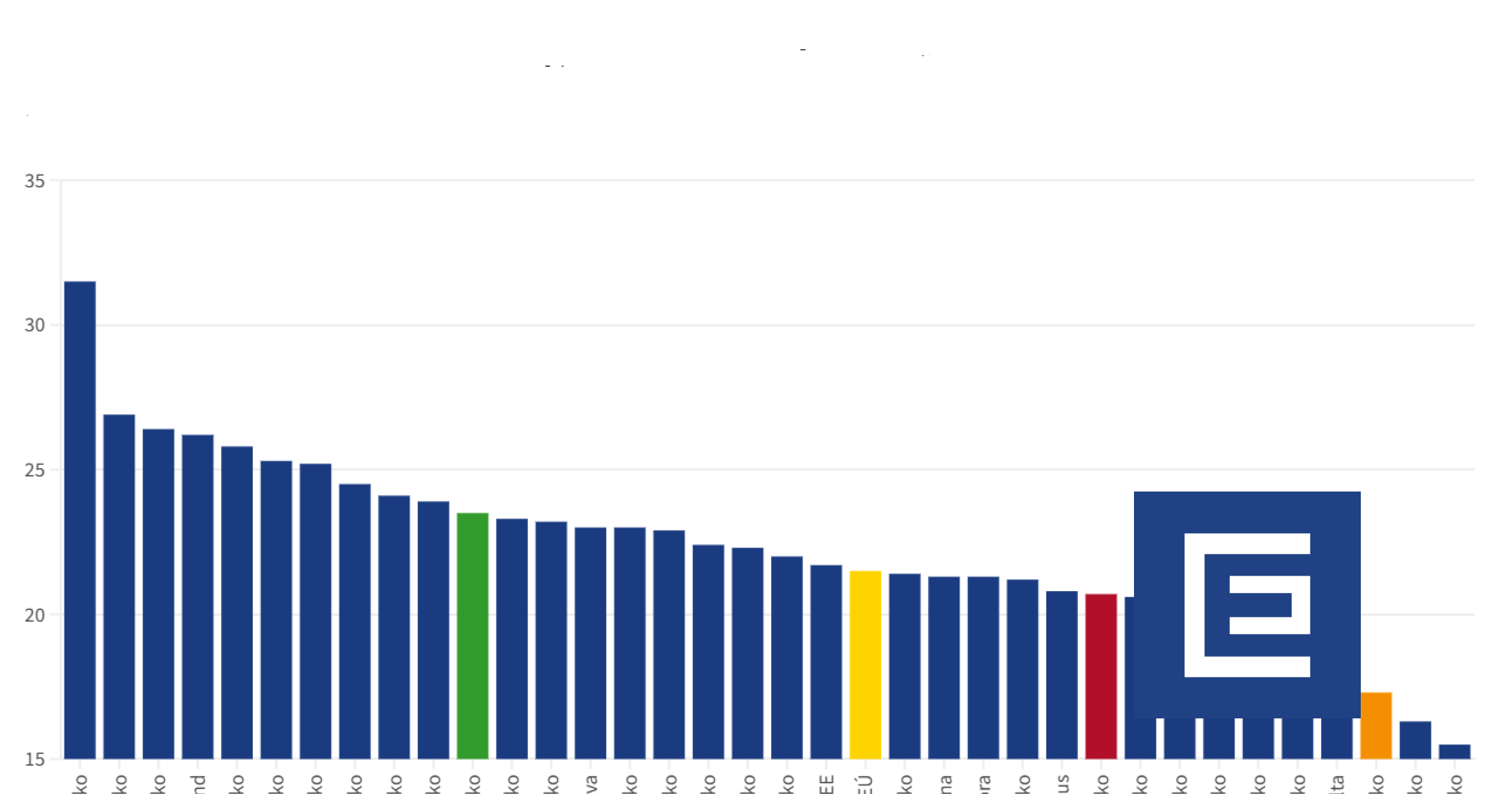
Slovakia's Public Finance Deficit Rises to 7.2% of GDP While EU Average Decreases

Slovakia's public finance deficit deepened to 7.2 percent of gross domestic product in the fourth quarter, moving against the broader European Union trend where the average deficit declined during the same period. The deterioration in Slovakia's fiscal position contrasts sharply with improvements seen across most other EU member states, highlighting the country's ongoing budgetary challenges. Slovakia's deficit level significantly exceeds the EU's fiscal rules, which limit government deficits to 3 percent of GDP, placing the country among those with the most strained public finances in the bloc.

|
Economy

Slovakia Lags Behind in Investment Levels and Composition, Data Shows

Slovakia is falling behind in overall investment levels compared to other countries, according to new data analysis. The country faces a dual challenge: not only are total investment volumes insufficient, but the composition of investments is also problematic. Slovakia has strong representation in traditional investments such as roads, buildings, and machinery, but significantly lags in innovation and intellectual property investments. The structure of investments is crucial for economic development, not just the total volume. Hungary serves as an example of how investment composition can be limiting - despite investing significantly more than Slovakia in absolute terms, its investment structure also creates economic constraints.

|
Economy

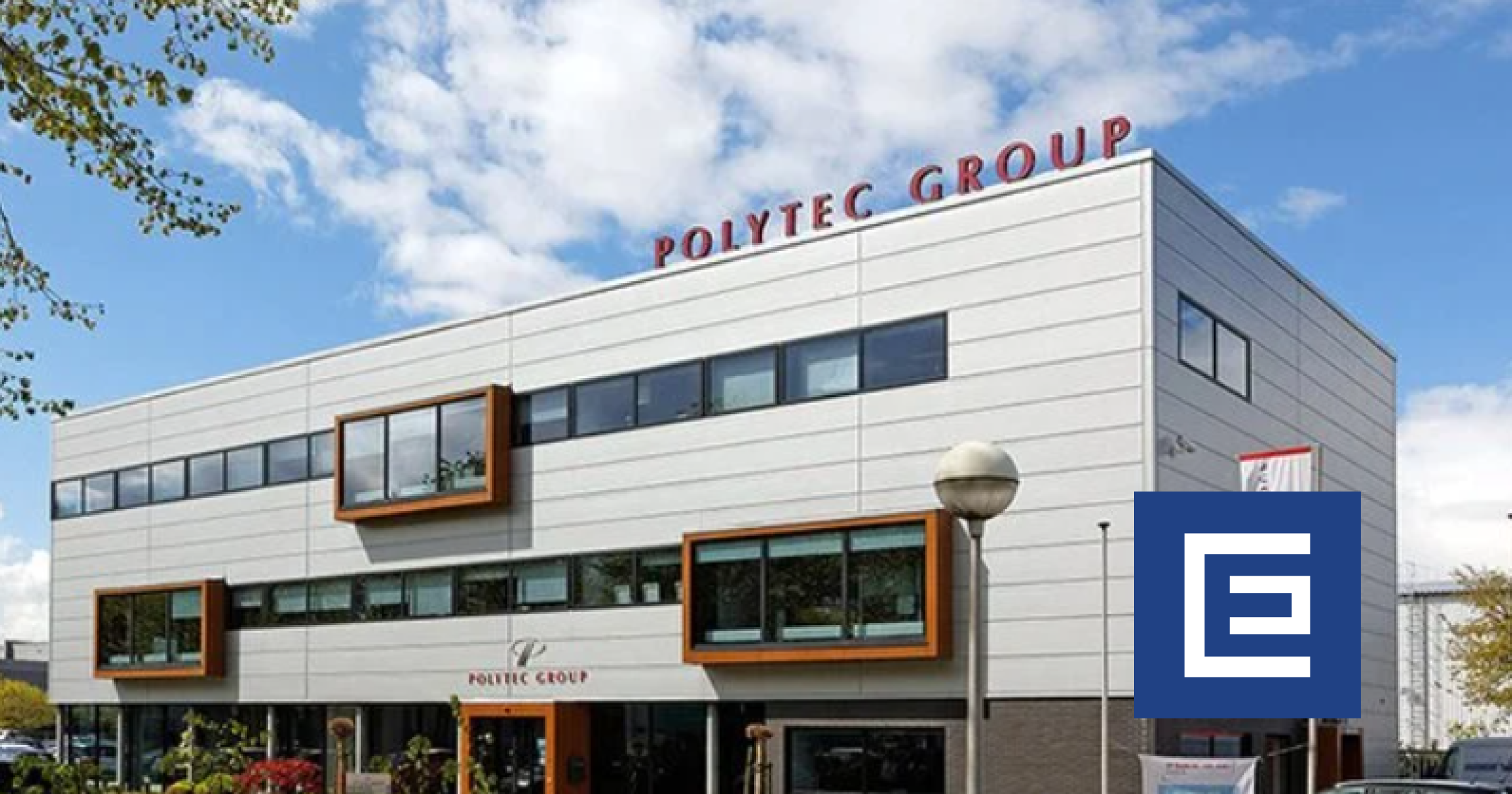
Austrian plastics manufacturer Polytec to build new facility in Slovakia without expanding workforce

Austrian plastics manufacturer Polytec will construct an additional production hall at its facility in Sládkovičovo, Slovakia, strengthening its presence in the country. The investment is expected to help the company's Slovak subsidiary recover from recent financial losses. The expansion comes without plans to hire additional workers, reflecting broader changes in foreign investment patterns since the pandemic. Before COVID-19, similar investment announcements featuring new factories with hundreds or thousands of jobs were common in Slovakia, but investor interest has cooled due to the pandemic, global economic slowdown, and rising domestic costs.

|
Economy

Slovak Prime Minister Backs Acquisition of 17% Stake in State Power Company

Slovakia's Prime Minister expressed support for acquiring a 17 percent stake in Slovenské elektrárne, the country's main electricity producer, following Wednesday's government session. The state-owned power company operates the country's nuclear plants and represents a critical component of Slovakia's energy infrastructure. The endorsement suggests the government is moving toward increasing state control over the strategic energy sector, though details about the acquisition terms and timeline were not disclosed.

|
Economy

Slovak Government Reports Nuclear Power Plants Safe After 190 Inspections in 2024

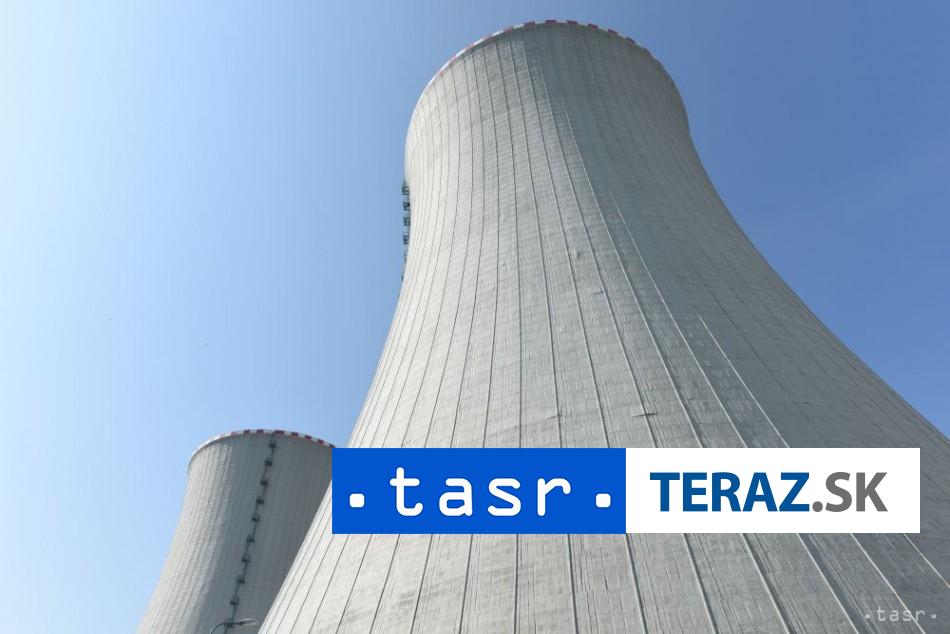
The Slovak government declared the country's nuclear power plants safe following comprehensive oversight activities conducted throughout 2024. The Nuclear Regulatory Authority of Slovakia (ÚJD), the state agency responsible for nuclear safety oversight, carried out 190 planned and unplanned inspections at nuclear facilities during the year and issued 578 regulatory decisions. Slovakia operates two nuclear power plants - Jaslovské Bohunice and Mochovce - which together provide roughly half of the country's electricity supply. The inspections are part of regular safety monitoring to ensure compliance with international nuclear safety standards, as nuclear energy remains a critical component of Slovakia's energy infrastructure and independence strategy.

|
Economy

Railway reconstruction between Poprad and Vydrník reaches one-third completion

The reconstruction of the railway line connecting Poprad and Vydrník in eastern Slovakia has reached approximately one-third completion, with work proceeding at an accelerated pace. The infrastructure project has been significantly affected by required archaeological research along the route, which has influenced the timeline and progress of the railway modernization efforts.

|
Economy

Slovak Defense Company Co-Owned by Kvetikovci Family Wins Major State Contract After Years of Losses

Way Industries, a defense manufacturer based in Krupina and co-owned by the Kvetikovci family, earned nearly two million euros in 2024 after years of operating at a loss. The company secured a massive 145-million-euro state contract to supply demining equipment, marking a dramatic turnaround for the firm. Despite the improved financial performance, Way Industries continues to carry substantial debts in unpaid taxes and social security contributions. The company had been the only Slovak defense industry firm struggling to benefit from increased military spending following Russia's invasion of Ukraine, making its recent success particularly notable in the context of Slovakia's expanding defense sector.

|
Economy

Slovak Job Market Cools as Job Offers Fall Below COVID-Era Levels

Slovakia's labor market has experienced a significant cooling, with job offers dropping to levels lower than during the COVID-19 pandemic. Competition among job seekers has reached record highs as employers reduce hiring amid economic uncertainty. The decline in available positions marks a sharp reversal from the tight labor market Slovakia experienced in recent years, when companies struggled to find workers and unemployment remained near historic lows. The deteriorating job market reflects broader economic challenges facing Slovakia, including slowing growth and reduced business confidence, which are forcing companies to scale back expansion plans and hiring.

|