Dávka - Your daily dose of Slovak news
Last refreshed: 06/06/2026 21:36 · 34 articles added
Stories are refreshed at 05:30, 10:30, 15:30, and 21:30 UTC.

Economy

View all1460 stories
Economy

Slovak Bicycle Market Shifts as Discounting Era Ends, Sales Break Records Despite Rising Prices

Slovakia's bicycle market has entered a new phase as the era of massive discounts comes to an end, with sales breaking records despite rising prices. Major Slovak bicycle companies Kellys and Belve, which operates under the CTM retail chain, are struggling to meet surging consumer demand. The shift marks a significant change from previous years when deep discounting was common in the cycling industry, suggesting a fundamental transformation in market dynamics as manufacturers and retailers move away from price competition toward supply-constrained growth.

|
Economy

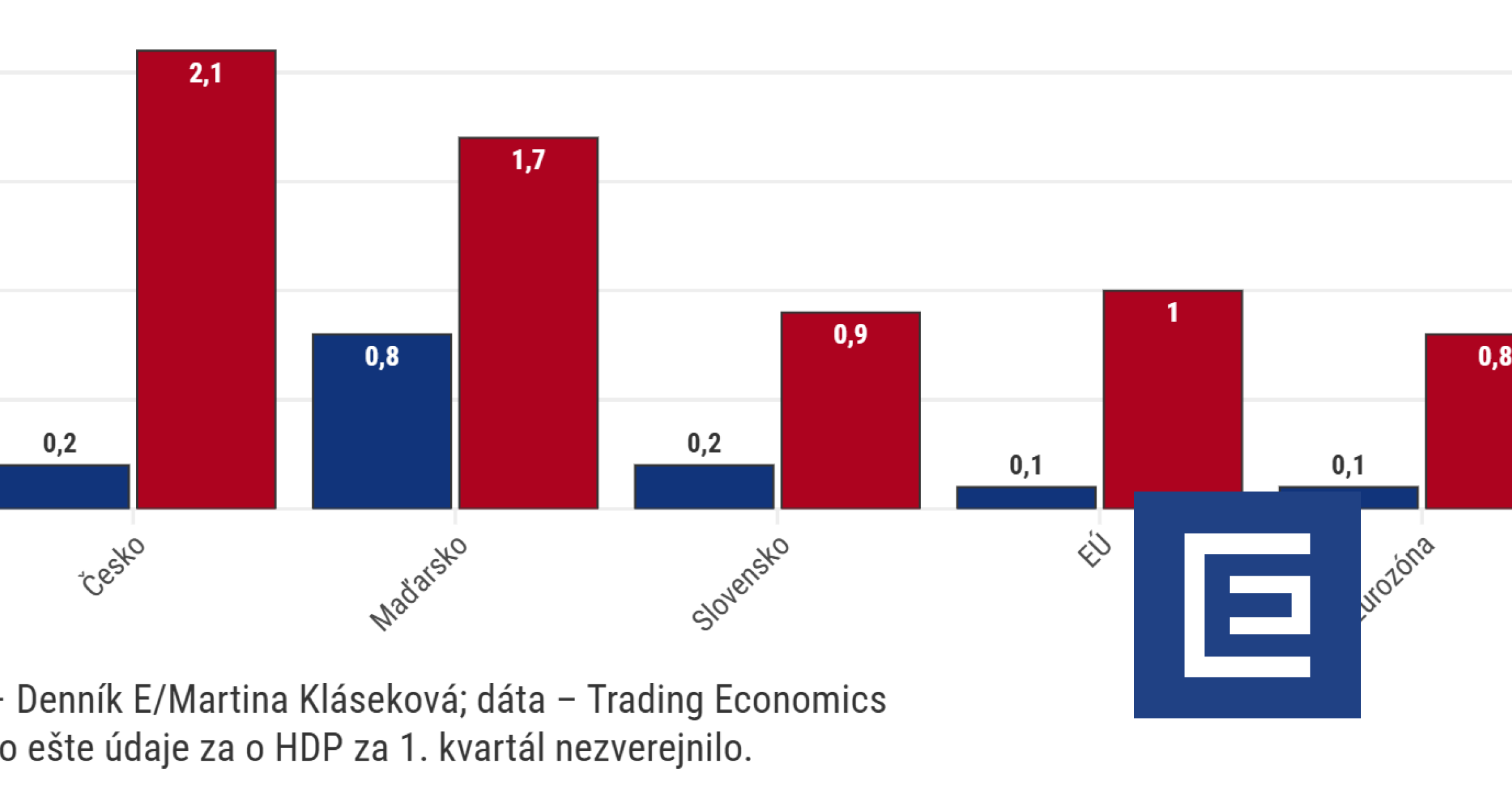
Slovakia's Economy Shows Weakest Growth in Region at 0.9% in First Quarter

Slovakia's economy grew by just 0.9 percent year-on-year in the first quarter, marking the weakest performance in the region and signaling potential stagnation for the entire year. The sluggish growth comes despite months of government promises about pro-growth measures that have yet to materialize into concrete results. The economic slowdown stems from unfavorable international conditions, but increasingly also from government policy decisions. Slovakia's performance lags significantly behind its regional neighbors, who are experiencing faster economic growth rates during the same period.

|
Economy

Allianz Group Reports 48% Jump in First Quarter Net Profit

German insurance giant Allianz Group posted a sharp increase in first-quarter earnings, with core net profit attributable to shareholders rising 48.4 percent year-on-year to 3.79 billion euros. The strong quarterly performance comes as the insurance company maintains an optimistic outlook for its medium-term prospects, forecasting operating profit between 16.4 and 18.4 billion euros for the full year 2026. The substantial profit growth reflects the broader recovery in the global insurance sector as companies benefit from higher interest rates and improved market conditions.

|
Economy

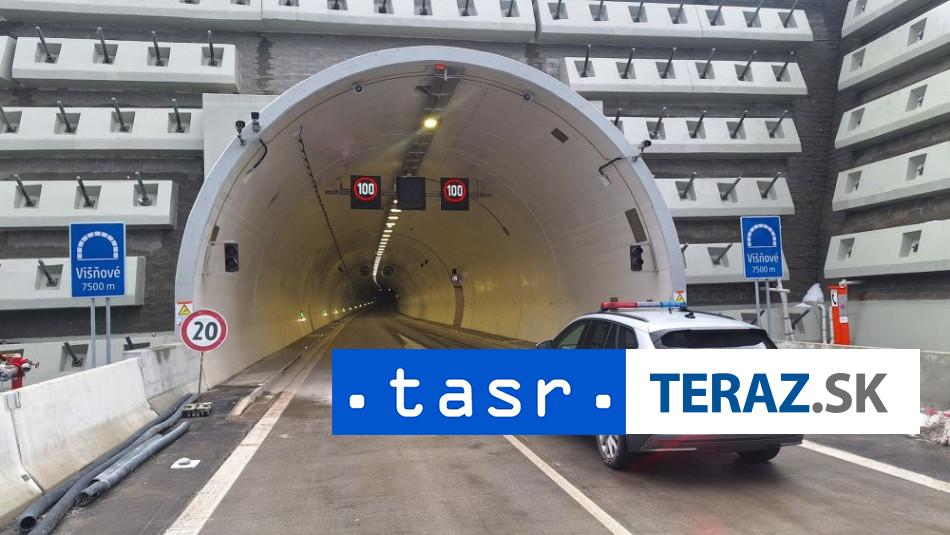
Half of Višňové Tunnel Opens to Traffic on Slovakia's D1 Highway

The right tunnel tube of the Višňové tunnel, directing traffic toward Košice, opened to motorists on Thursday morning (May 14). The tunnel is part of Slovakia's D1 highway, the country's main east-west arterial road connecting Bratislava with Košice and serving as a crucial transportation link for both domestic and international freight moving through Central Europe. The opening of half the tunnel represents progress in completing this key infrastructure project, though the left tunnel tube heading in the opposite direction remains under construction.

|
Economy

Slovakia to Add Top-up Tax to OECD Tax Agreement

Slovakia will incorporate a top-up tax provision into its tax agreement with the Organisation for Economic Co-operation and Development. The government characterized this as an administrative step that does not create new legal obligations but ensures proper notification to the agreement's depositary. The move aligns with international tax coordination efforts led by the OECD to establish minimum corporate tax rates globally.

|
Economy

Population Aging Could End Slovakia's Housing Price Growth, Analysts Warn

Slovakia's aging population will likely end the strong growth in housing prices that the country has experienced for decades, according to analysts from VÚB bank. While real estate prices may not grow at all in real terms over the coming decades, the impact will vary significantly by region. Bratislava and its surrounding areas, particularly the Senec district, are expected to maintain demand due to migration patterns. However, many regions in southern and central Slovakia face substantial population decline and corresponding drops in property values. Slovak property owners have grown accustomed to nearly continuous and often double-digit price increases over the past decades, making this demographic shift a potential challenge for real estate investment strategies.

|
Economy

Japanese Company Takes Direct Control of Košice Steel Plant, Commits to Decarbonization Investment

Japanese industrial giant Nippon Steel will take direct control of the Košice steel plant from its American subsidiary U.S. Steel and rename it Nippon Steel Slovakia. The Japanese company announced it will support medium and long-term investments in the facility, including a comprehensive decarbonization program previously estimated to cost 1.5 billion euros. The move represents a significant restructuring for the steel plant, which is located in Košice, Slovakia's second-largest city in the eastern part of the country. The facility has been operating under U.S. Steel ownership through its local subsidiary, but will now be managed directly by the Japanese parent company following corporate reorganization. The decarbonization commitment addresses the most critical question facing Slovak heavy industry - whether the Košice steelworks will undertake the financially demanding transition to reduce carbon emissions. This investment is essential for the plant's long-term viability as European Union environmental regulations become increasingly stringent, requiring steel producers to dramatically reduce their carbon footprint to remain competitive in the European market.

|
Economy

Slovak Bus Stations Overcharge Operators, Competition Authority Finds Market Abuse

Slovakia's competition authority has confirmed that private bus station operators are abusing their market position by charging excessive fees to transport companies. The antitrust office found that operators in small towns are demanding prices comparable to those in major regional centers, despite providing inferior services. The issue stems from the privatization of bus stations in previous years, which created local monopolies that can set prices without competition. The Ministry of Transport is now working to establish minimum service standards for bus stations, though this addresses only basic facility requirements rather than the pricing concerns that have been squeezing transport operators across the country.

|
Economy

Slovak Financial Experts Advise Against Keeping Emergency Funds in Current Accounts

Financial advisors in Slovakia are warning that keeping emergency funds in current accounts continues to erode their value despite cooling inflation rates. While current accounts offer convenience and immediate access, they provide minimal returns that fail to keep pace with inflation. Experts recommend a diversified approach to emergency fund management, categorizing money based on when it might be needed. They suggest keeping only immediately accessible funds in current accounts, placing short-term reserves in products that can generate returns over several days, and allocating longer-term savings to investment products. This strategy aims to balance accessibility with the need to preserve purchasing power in an inflationary environment.

|
Economy

Slovak Banks Plan Major Restrictions on Popular Customer Benefits

Several Slovak banks have confirmed they will end or significantly modify existing customer benefits, particularly those tied to payment cards. The changes will affect many clients who have grown accustomed to these popular perks. Banks have not specified which exact benefits will be eliminated, but the modifications represent a notable shift in the competitive landscape of Slovak banking services where card-related rewards and benefits have been commonly used to attract and retain customers.

|
Economy

Slovak Finance Minister's Package Shows Limited Tax Changes Despite Economic Pressures

Slovak Finance Minister Ladislava Sakova unveiled a package of 90 economic measures, but only nine address taxes and social contributions, with most changes designed to be budget-neutral. The limited scope of tax reforms suggests the government is avoiding major fiscal adjustments that could impact public finances or taxpayers significantly. The measures come as Slovakia faces economic challenges and pressure to balance its budget while maintaining social spending commitments. The finance ministry's approach indicates a cautious strategy focused on administrative improvements rather than substantial tax policy overhauls.

|
Economy

Slovak Government Considers Eliminating Transaction Tax and Expanding Business Opportunities for Teenagers

Slovakia's ruling coalition is preparing to discuss a package of economic growth measures on Thursday, including the elimination of the transaction tax, recreational and sports vouchers, and allowing 16-year-olds to establish businesses or become sole proprietors. The Ministry of Economy has compiled a broader list of proposed measures aimed at boosting economic growth. Education Minister Tomáš Drucker surprised observers on Tuesday when he revealed that the coalition is planning to abolish the transaction tax, which was originally introduced as a revenue-generating measure. The coalition council meeting will review these proposals as part of efforts to stimulate Slovakia's economic development through regulatory reforms and expanded business opportunities for young entrepreneurs.

|
Economy

Polish Developer's Bankruptcy Leaves Mobile Units Scattered Across Slovak Site

A Polish property developer who went bankrupt left behind mobile construction units scattered across a site in Slovakia, creating cleanup challenges for local authorities. The mayor of the affected municipality struggled to locate the developer's owner in Poland before the units could be removed. Local officials described the removal process as complicated, highlighting the cross-border complications that can arise when foreign developers abandon projects in Slovakia.

|
Economy

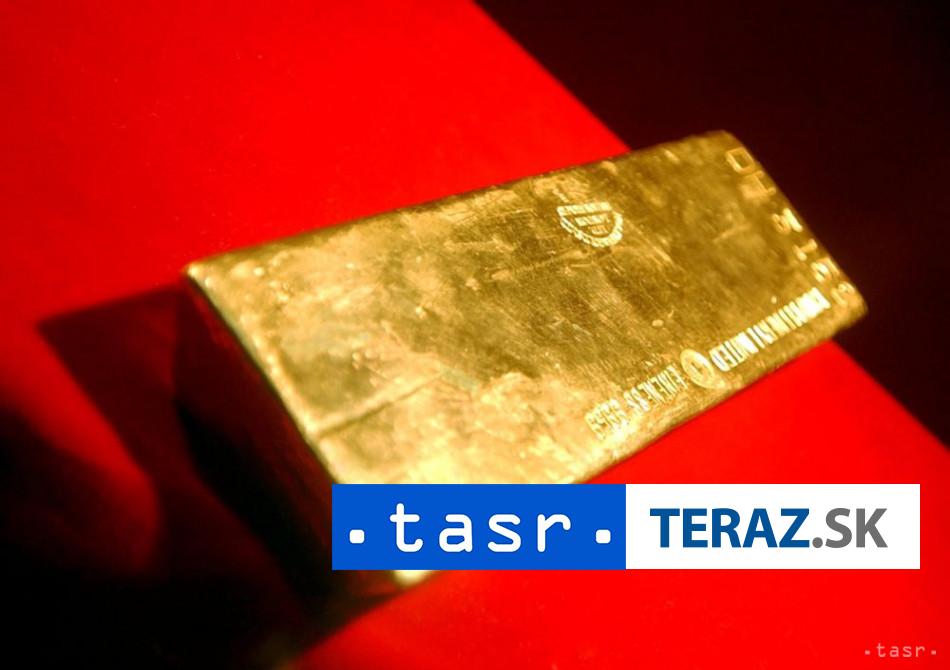
Gold Price Continues Decline, Falls Below $4,686 Per Ounce

Gold prices continued their downward trend, dropping below $4,686 per ounce in international markets. Meanwhile, oil prices surged more than 3 percent after hopes for a peace agreement between the United States and Iran sharply declined. The divergent commodity movements reflect broader market uncertainty amid shifting geopolitical tensions in the Middle East.

|
Economy

Constitutional Court Rejects Appeals in 2019 Emergency Medical Services Tender Case

Slovakia's Constitutional Court has dismissed appeals filed by the General Health Insurance Company (VšZP) challenging decisions related to a controversial emergency medical services tender from 2019. The insurance company had objected to the procedures and rulings made by the Public Procurement Office regarding the multi-million euro contract for operating emergency medical service ambulances. With the Constitutional Court's rejection, the dispute over the lucrative tender will now return to administrative courts for resolution. The Public Procurement Office's council had previously rejected VšZP's appeal in the procurement process in December 2025, leading to the constitutional challenge that has now been dismissed.

Economy

Glass manufacturer AGC Trenčín plans new factory expansion in western Slovakia

Japanese glass manufacturer AGC Trenčín announced plans to build a new factory in the Považie region of western Slovakia. The expansion will create dozens of new jobs as the company invests in increasing its production capacity. AGC operates one of Slovakia's major glass manufacturing facilities in Trenčín, a city in the northwestern part of the country that has become a significant industrial hub since Slovakia's transition to a market economy in the 1990s.

|
Economy

New Bus Route Connects Bratislava Airport to Vienna City Center in 75 Minutes

A new bus service has launched connecting Bratislava's M.R. Štefánik Airport directly to Vienna's city center, with a journey time of 75 minutes. The route is designed primarily for foreign travelers and will bypass Vienna's Schwechat Airport, offering a direct alternative for passengers flying into Slovakia's capital. The service addresses the transportation gap between the two neighboring capitals, as Vienna International Airport at Schwechat is often more expensive for travelers despite being geographically closer to Bratislava than to Vienna itself. This cross-border connection could particularly benefit international visitors who choose to fly into Bratislava as a more affordable gateway to the Austrian capital.

|
Economy

Slovakia Faces Industrial Investment Flight as Energy Costs Drive Companies to Neighboring Countries

Slovakia is losing ground in the competition for industrial investments as domestic manufacturers warn that high energy costs are driving companies to relocate to neighboring countries with cheaper electricity. Domestic industry leaders are raising alarms about declining competitiveness and potential investment outflows, describing current regulated fees as creating a "toxic cocktail" that undermines Slovakia's position. The warnings suggest major factories may relocate operations to countries offering more favorable energy pricing, threatening Slovakia's manufacturing base and economic stability.

|
Economy

Slovak Railways Acquires Second Diagnostic Train to Enhance Track Safety and Prevent Accidents

Železnice Slovenskej republiky (ŽSR), Slovakia's state railway company, has taken delivery of its second modern diagnostic train designed to measure track geometry. The advanced technology is intended to accelerate track repairs and improve the safety of railway transport across the country. The new diagnostic equipment represents part of ŽSR's efforts to modernize its infrastructure monitoring capabilities and prevent potential railway accidents and service disruptions through more precise track condition assessments.

|
Economy

Slovakia to Produce Modern Karpat Tanks Under New Defense Partnership

Slovakia's defense industry is set for a major boost following a strategic partnership announced between Czech defense giant CSG and Turkish company FNSS Savunma Sistemleri. The agreement will focus on the development, production, and sale of modern armored platforms in Slovakia, with the new CFL-120 Karpat medium tank serving as the flagship product. The partnership represents a significant development for Slovakia's defense manufacturing sector, which has been working to modernize and expand its capabilities. CSG is one of Central Europe's largest defense contractors, while FNSS is a major Turkish defense systems manufacturer specializing in armored vehicles and naval platforms. The collaboration comes as European nations seek to strengthen their defense industrial capacity amid ongoing security concerns in the region. The Karpat tank project could position Slovakia as an important hub for armored vehicle production in Central Europe, potentially creating jobs and technological expertise in the country's defense sector.

|