Dávka - Your daily dose of Slovak news
Last refreshed: 06/06/2026 15:39 · 51 articles added
Stories are refreshed at 05:30, 10:30, 15:30, and 21:30 UTC.

Economy

View all1460 stories
Economy

Alternative Housing Financing Model Expands in Bratislava's Bory District

A new cooperative housing financing model is gaining traction in Slovakia as traditional mortgage lending becomes increasingly difficult for many residents. Penta Real Estate has launched the "Bory Družstevné Bývanie" (Bory Cooperative Housing) product as part of its Bory Bývanie development project in Bratislava's Bory district. The cooperative model offers an alternative path to homeownership for those who cannot access conventional mortgage financing. The development represents a growing trend toward innovative housing finance solutions as property prices and lending requirements make traditional home purchases more challenging for ordinary Slovaks.

|
Economy

Proxenta Group Founder Faces Potential Empire Collapse Amid Serious Complications

Kožík, the founder of the Proxenta business group, is confronting severe complications that threaten the survival of his corporate empire. The entrepreneur, who once dreamed of becoming a millionaire, now finds himself in a high-stakes situation where his entire business network could potentially disintegrate. The Proxenta Group, which Kožík built from the ground up, is facing serious challenges that require immediate resolution to prevent a complete collapse of the organization.

|
Economy

China Remains Germany's Largest Trading Partner, US Takes Second Place

China has maintained its position as Germany's largest trading partner, with the United States finishing in second place in bilateral trade volumes. The ranking reflects the continued economic relationship between Germany and China despite ongoing geopolitical tensions and efforts by some Western nations to reduce economic dependence on Beijing. Germany, as Europe's largest economy and a major industrial power, conducts significant trade with both nations across various sectors including automotive, machinery, and technology.

|
Economy

Israeli airline El Al reports financial losses amid revenue decline

Israeli flag carrier El Al has fallen into losses following a significant decline in business performance. The airline's revenues dropped by more than a quarter, contributing to the company's shift from profitability to operating at a loss. El Al, Israel's national airline, has been impacted by the substantial revenue decline that has undermined its financial stability.

|
Economy

Gold prices recover after falling to two-month low

Gold prices rebounded after previously dropping to their lowest level in two months. The precious metal found support from declining oil prices and falling yields on government bonds, which typically make non-yielding assets like gold more attractive to investors.

|
Economy

Heating Bills Reach Hundreds of Euros Despite Conservation Efforts Due to Regulatory Changes

Slovak households are facing heating bills in the hundreds of euros even when they reduce their heating consumption, according to new reports. The high costs are attributed to changes in government regulations governing heating charges. The regulatory modifications have resulted in unexpected financial burdens for residents who assumed that conserving energy would lead to proportionally lower bills, but the new rules appear to have altered how heating costs are calculated and distributed among consumers.

|
Economy

Stellantis Forms Joint Venture with Chinese Automaker Dongfeng for Electric Vehicle Production

European automotive giant Stellantis has established a joint venture with Chinese manufacturer Dongfeng to produce electric vehicles. The partnership is designed to support Dongfeng's global expansion plans while advancing Stellantis's strategic objectives in the electric vehicle sector. Stellantis, formed in 2021 through the merger of French PSA Group and Italian-American Fiat Chrysler, operates major brands including Peugeot, Citroën, Jeep, and Ram. The collaboration reflects the growing trend of Western and Chinese automakers forming alliances to accelerate electric vehicle development and expand market reach, particularly as the automotive industry undergoes rapid transformation toward electrification.

|
Economy

Slovak Financial Group Proxenty Faces Bond Default as Investor Confidence Collapses

Slovak financial group Proxenty is struggling to repay its bonds and promissory notes, leaving investors facing significant losses. The company, which previously attracted investors with attractive returns, has encountered serious financial difficulties that have shaken confidence in its ability to meet its debt obligations. Disappointed investors who trusted the firm while it was paying decent yields now face what one described as an "expensive lesson" as the financial group's repayment troubles mount.

|
Economy

Slovak cable manufacturers face record antitrust fines, claim competitor manipulated regulators

Slovakia's antitrust authority imposed record fines on two cable manufacturers, VUKI from Bratislava and Elkond from Trstená, which together employ 200 workers. The companies face what the antitrust office called the highest penalty in its history for allegedly operating a price-fixing cartel. Both firms deny the charges, claiming they never formed a cartel or engaged in price coordination. VUKI suggests a competitor may have manipulated the antitrust authority to eliminate them from the market and gain control over the sector. The Antimonopoly Office oversees competition policy in Slovakia and investigates anti-competitive practices among businesses. The companies warn the fines could force them out of business, potentially allowing the competitor that reported them to dominate the cable manufacturing market.

|
Economy

Slovak Company Vuki Denies Cartel Charges, Warns of Market Impact

Slovak company Vuki has rejected cartel charges brought against it, describing potential penalties as nonsensical and warning they could devastate not only the company but the entire Slovak market. The firm faces accusations of participating in anti-competitive practices, though specific details of the alleged cartel activities have not been disclosed. Vuki's response suggests the charges could have broader economic implications beyond the company itself, potentially affecting market competition and business operations across Slovakia's economy.

|
Economy

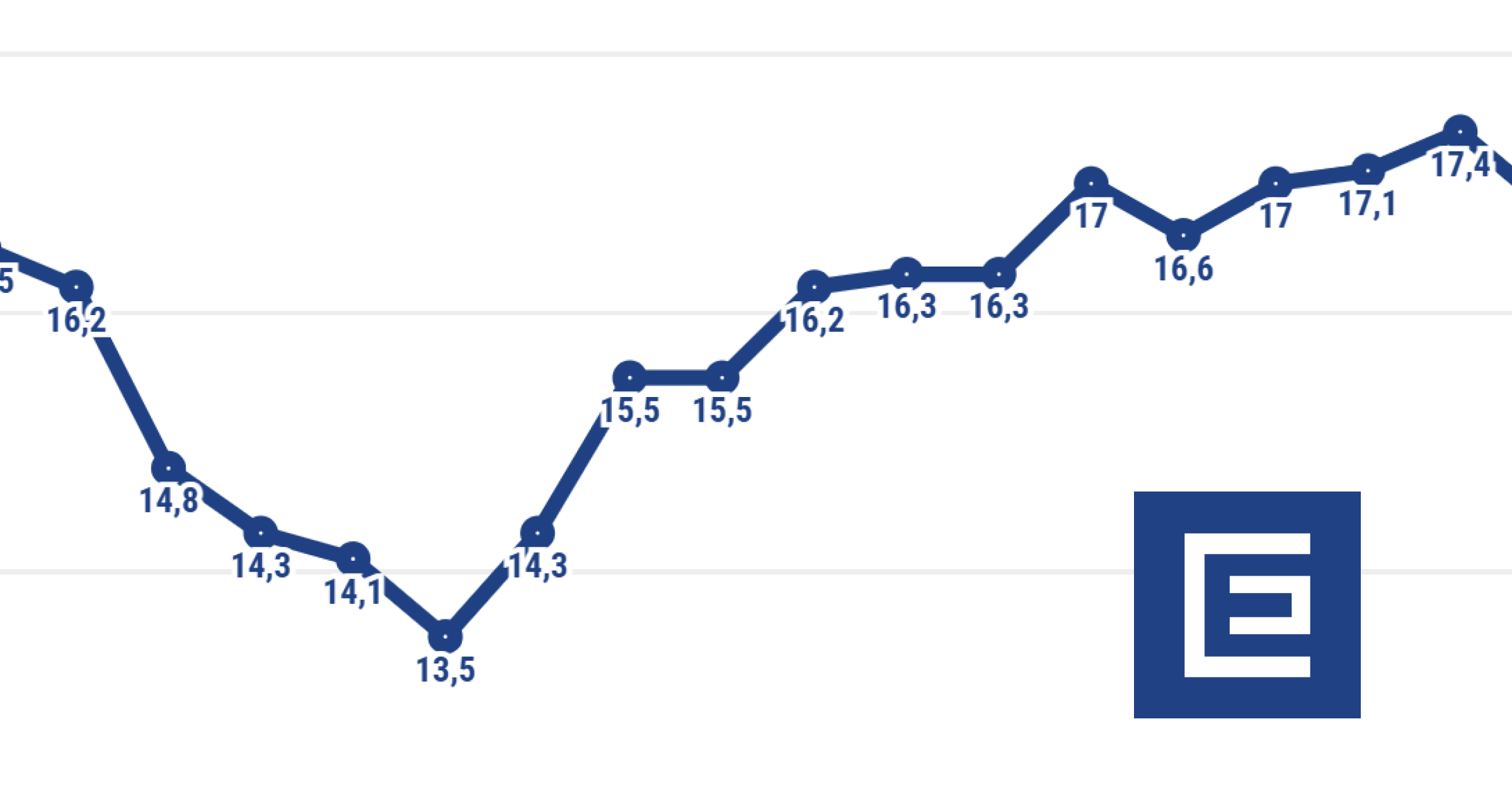
Slovak VAT Collection Efficiency Hits Decade Low, Hampering Budget Consolidation

Slovakia's value-added tax (VAT) collection has reached its lowest efficiency rate in a decade, significantly undermining the government's efforts to balance the national budget. Tax authorities are failing to effectively prevent tax evasion, which is prolonging the period needed for public finance consolidation and making the process more painful for citizens. The poor VAT collection performance means that if the government had achieved its planned collection targets, it could have easily abolished the controversial transaction tax. The declining effectiveness of tax collection is forcing the government to maintain unpopular fiscal measures longer than anticipated as it struggles to meet budget consolidation goals.

|
Economy

Prešov Region Faces Third Year of Lower Revenues as Budget Falls Short

The Prešov Region in eastern Slovakia has experienced a third consecutive year of reduced revenues, with the regional budget failing to meet expectations. Investment spending reached only 63 percent of planned levels, highlighting ongoing financial constraints for the self-governing region. The Prešov Region is one of Slovakia's eight higher territorial units, responsible for managing regional development, healthcare facilities, secondary education, and infrastructure projects within its jurisdiction covering much of eastern Slovakia.

|
Economy

Hungary's Average Wage Growth Slows to Eight-Month Low in March

Average wage growth in Hungary decelerated in March, marking the slowest pace of increase since December of the previous year. The monthly growth rate moderated after wages had risen by 9.7 percent in February. The slowdown represents a cooling in Hungary's labor market dynamics, where wage increases had been running at higher rates in recent months as the economy grappled with inflation and labor shortages across various sectors.

|
Economy

Slovakia meets fiscal rules despite growing deficit, budget council warns against stability illusion

Slovakia is technically complying with its fiscal rules even as the country's budget deficit continues to grow, according to the Budget Responsibility Council. The council warned that the current fiscal framework creates an illusion of stability while underlying financial conditions deteriorate. The Budget Responsibility Council, an independent body that monitors Slovakia's public finances and fiscal policy compliance, criticized the existing fiscal rules as too lenient for the country's economic situation. The warning highlights concerns about Slovakia's long-term fiscal sustainability despite meeting formal budget requirements under current regulations.

|
Economy

Survey: 36% of Slovak employees live paycheck to paycheck despite widespread wage increases

More than one-third of Slovak employees struggle financially from paycheck to paycheck, according to a new survey, despite widespread wage increases across the country. The findings reveal a stark disconnect between employer efforts to raise salaries and workers' financial security, with 79% of companies having increased wages while 44% of employees still plan to request pay raises. The survey highlights ongoing cost-of-living pressures affecting Slovak workers, even as businesses have responded with salary adjustments in what appears to be a tight labor market where employees feel empowered to seek better compensation.

|
Economy

Some crops will not recover from extreme drought conditions

Agricultural crops in Slovakia have suffered severe damage from extreme drought conditions, with some crops unable to recover from the worst period around May 10, according to the Agricultural and Food Chamber of Slovakia. The chamber, which represents farmers and food producers across the country, reported that the drought reached critical levels in early May, causing irreversible damage to certain agricultural products. The drought represents a significant challenge for Slovakia's agricultural sector, which plays an important role in the country's economy and food security.

|
Economy

Investment App XTB Expands Services with Options Trading and Advanced Charts

Investment platform XTB has expanded its product portfolio to offer options trading and advanced charting tools powered by TradingView technology. The new features provide clients with enhanced analytical capabilities and greater flexibility in developing personalized investment strategies, marking a significant upgrade to the platform's services for active traders.

|
Economy

Slovakia's energy regulator rejects mandatory dynamic electricity pricing

Slovakia's state energy regulator has dismissed proposals to introduce mandatory dynamic electricity tariffs, rejecting concerns that such pricing would create social inequalities. The Regulatory Office for Network Industries, which oversees energy pricing in Slovakia, responded to criticism that time-based electricity pricing could disadvantage certain consumer groups. Dynamic tariffs charge different rates for electricity depending on the time of day or level of demand, typically offering lower prices during off-peak hours and higher rates during peak consumption periods. The regulator's position comes amid broader European discussions about modernizing electricity markets and encouraging more efficient energy consumption patterns through price signals.

|
Economy

Slovakia's Inflation Rate Accelerates to 4.1 Percent in April

Slovakia's harmonized inflation rate accelerated to 4.1 percent year-on-year in April, marking the second-highest level recorded this year. The monthly inflation rate reached 0.5 percent, indicating continued upward pressure on consumer prices. The harmonized inflation index, which allows for comparison across European Union member states, shows Slovakia experiencing a resurgence in price growth after earlier months of more moderate increases.

|
Economy

Slovak Tax Authority Records Over 32,000 QR Code Payment Transactions

Slovak customers have completed more than 32,000 transactions using QR code payments, according to the country's tax authority. The financial administration reported growing interest in QR code-based payment systems among consumers. The QR payment method allows customers to complete transactions by scanning codes with their mobile devices, representing part of Slovakia's broader digitalization of financial services and tax collection processes.

|