Dávka - Your daily dose of Slovak news
Last refreshed: 08/06/2026 21:38 · 54 articles added
Stories are refreshed at 05:30, 10:30, 15:30, and 21:30 UTC.

Domestic Politics

View all2279 stories
Domestic Politics

Convicted fraudster Štefan Agh returns to court over unpaid 5,000-euro fine

Štefan Agh appeared before the Specialized Criminal Court again to contest a 5,000-euro monetary penalty he was ordered to pay alongside his prison sentence. The businessman, who was sentenced to 13 years in prison in October 2021 for his role in a major financial fraud scheme, claims he cannot afford to pay the fine and is requesting its cancellation. The Specialized Criminal Court, which handles serious organized crime and corruption cases, had found Agh guilty of counterfeiting money and securities in connection with the so-called 'television promissory notes' case. This case involved fraudulent financial instruments that caused significant losses to investors. Agh's return to court highlights ongoing legal proceedings related to one of Slovakia's major financial fraud cases from recent years.
|
Domestic Politics

Agriculture Minister Says Audit Findings at Payment Agency Not Related to Corruption

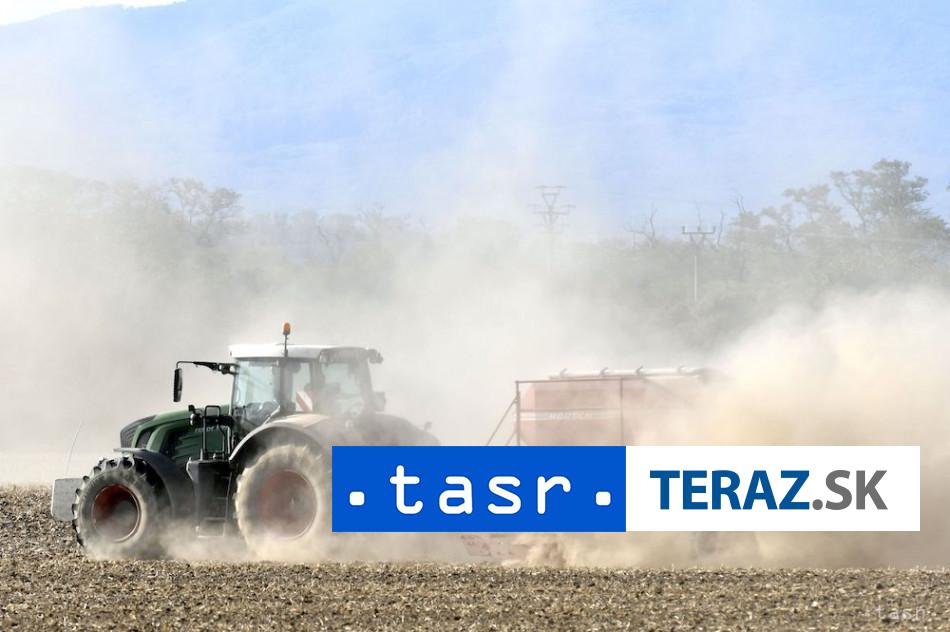
Agriculture Minister Richard Takáč stated that findings from an audit at the Agricultural Payment Agency are not corruption-related. The minister declined to provide specific details about what the audit findings concerned. The Agricultural Payment Agency is responsible for distributing EU agricultural subsidies and state support to Slovak farmers, making it a key institution in the country's agricultural sector.

|
Domestic Politics

Slovak Parliament Advances Bill to Extend Electoral Terms for Parliament and Local Governments

The Slovak parliament has moved a government proposal to extend electoral terms for both the national parliament and local governments into second reading. The National Council, Slovakia's parliament, advanced the constitutional amendment that would affect the duration of electoral mandates at multiple levels of government. The proposal represents a significant change to Slovakia's electoral system, as it would alter the current terms of office for both national lawmakers and municipal representatives. Such constitutional changes require broad parliamentary support and typically generate substantial political debate, as they directly impact the frequency of elections and the accountability mechanisms between voters and their representatives.

|
Domestic Politics

Slovak Government Updates Compensation System for Railway Accident Victims

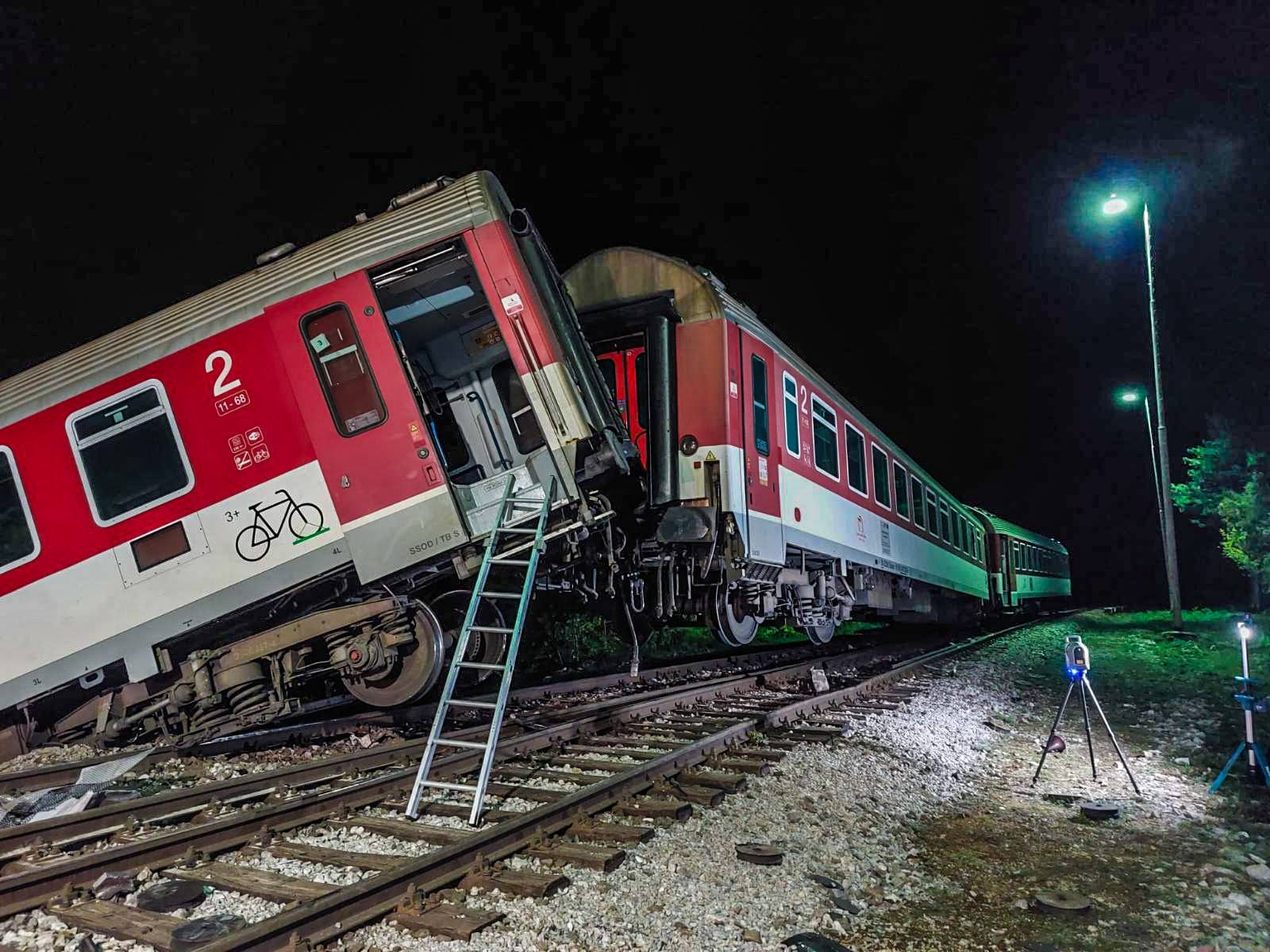
The Slovak government approved updates to the compensation system for passengers injured in last year's railway accidents at Jablonov nad Turňou and Pezinok. The changes focus on improving procedures for verifying medical documentation, while maintaining the existing financial compensation amounts. According to the transport minister, the Jablonov nad Turňou accident was caused by driver error, with the driver allegedly having YouTube running during the incident. The Jablonov nad Turňou crash occurred in eastern Slovakia near the Hungarian border, while the Pezinok accident happened near the capital Bratislava. Both incidents highlighted safety concerns within Slovakia's railway system and prompted government action to streamline support for victims.

|
Domestic Politics

Slovak Coalition Shocked as SNS Lawmakers Block Property Registry Verification Reform

Slovakia's ruling coalition suffered an unexpected setback when lawmakers from the Slovak National Party (SNS) helped defeat a proposal to tighten property verification procedures in the country's cadastral registry. Only 73 members of parliament voted in favor of the measure, falling short of the majority needed for passage, while opposition parties applauded the result. The defeat left coalition partners visibly surprised, highlighting growing tensions within the governing alliance. The SNS is part of the four-party ruling coalition alongside Smer-SD, Hlas-SD, and other partners, but their opposition to the property verification reform suggests potential fractures in government unity on key legislative initiatives.

|
Domestic Politics

Slovakia's Ruling Party Proposes New Conditions for Overseas Voting Registration

Smer-SD, Slovakia's ruling social-democratic party, has unveiled new conditions for citizens to participate in elections from abroad, requiring registration and voting to take place before electoral commissions. Interior Minister Matúš Šutaj Eštok's party colleague Gašpar stated that the cost of implementing this overseas voting system would be roughly equivalent to postal voting methods. The proposal represents a significant change to how Slovak citizens living abroad would cast their ballots, moving away from postal voting to a commission-based system that would require voters to appear in person at designated locations overseas.

|
Domestic Politics

National Park Signs Lease for Ski Lift Tower Land Through Private Company Chain

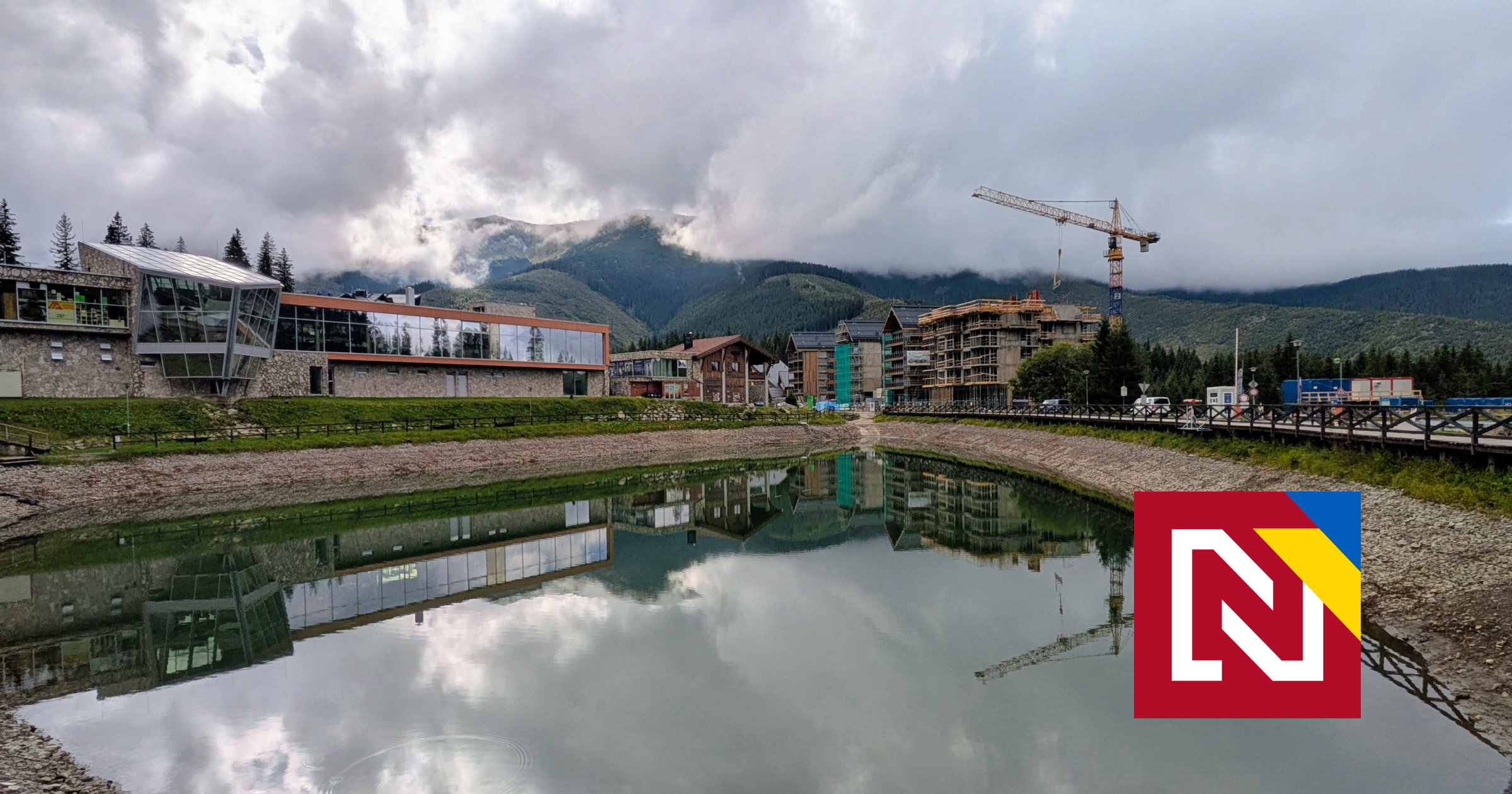
The Low Tatras National Park has signed a lease agreement with TMR company for land where Environment Minister Tomáš Taraba wants to install ski lift towers in national parks. TMR itself does not own the land but subleases it from Tedoss Invest company. The national park administration will pay TMR 105 euros annually excluding VAT for the lease. The arrangement highlights the complex private ownership structures affecting Taraba's controversial plan to expand ski infrastructure in Slovakia's protected natural areas. Taraba, nominated by the Slovak National Party (SNS), has faced criticism for promoting ski development projects that environmental groups argue could damage protected ecosystems in the country's national parks.

|
Domestic Politics

Slovak Government to Debate Interior Minister's Dismissal as Security Committee Convenes

The Slovak government will hold discussions on the dismissal of the interior minister during upcoming sessions. The parliament's security committee is also scheduled to convene as part of the proceedings. The developments are part of a series of parliamentary sessions and press conferences taking place alongside regular meetings of municipalities and regional governments across the country.

|
Domestic Politics

Document Falsification Uncovered in Multi-Million iPhone Case Involving Slovak Football Association

Two different versions of the same contract have been discovered in a corruption case involving the Slovak Football Association (SFZ) and missing iPhones worth 24 million euros. While the SFZ version shows a guarantee agreement for small amounts, the supplier's version indicates guarantees for millions of euros. The case involves unpaid claims of 24 million euros and 17,000 missing iPhones that were allegedly ordered by the football association. The SFZ is Slovakia's governing body for football, responsible for organizing national teams and domestic competitions. The discovery of contradictory documentation suggests potential document falsification in what has become a major financial scandal affecting Slovak sports administration. The discrepancy between the two contract versions raises serious questions about the authenticity of the agreements and the actual scope of financial commitments made by the football association.

|
Domestic Politics

Slovak Regulatory Chief Faces Conflict of Interest Investigation by European Authorities

Jozef Holjenčík, head of Slovakia's regulatory office, is facing serious allegations from European authorities over potential conflicts of interest. The investigation marks a significant development for the Slovak official, whose past activities have now caught up with him during his time in Brussels. The European body has raised questions about Holjenčík's conduct, though specific details of the alleged conflict of interest have not been disclosed. The case highlights ongoing scrutiny of regulatory officials and their compliance with conflict of interest rules in European institutions.

|
Domestic Politics

Political Cartoon Highlights Corruption Concerns in Slovakia

A political cartoon by Mikuláš Sliacky published in the Slovak daily SME suggests ongoing corruption issues in the country. The cartoon, titled 'Something Stinks Here,' uses visual satire to comment on perceived problems in Slovak politics, reflecting public discourse about transparency and accountability in government institutions.

|
Domestic Politics

Fico Repeatedly Uses Russian Oil, Migration and Hungarian Relations in Political Messaging

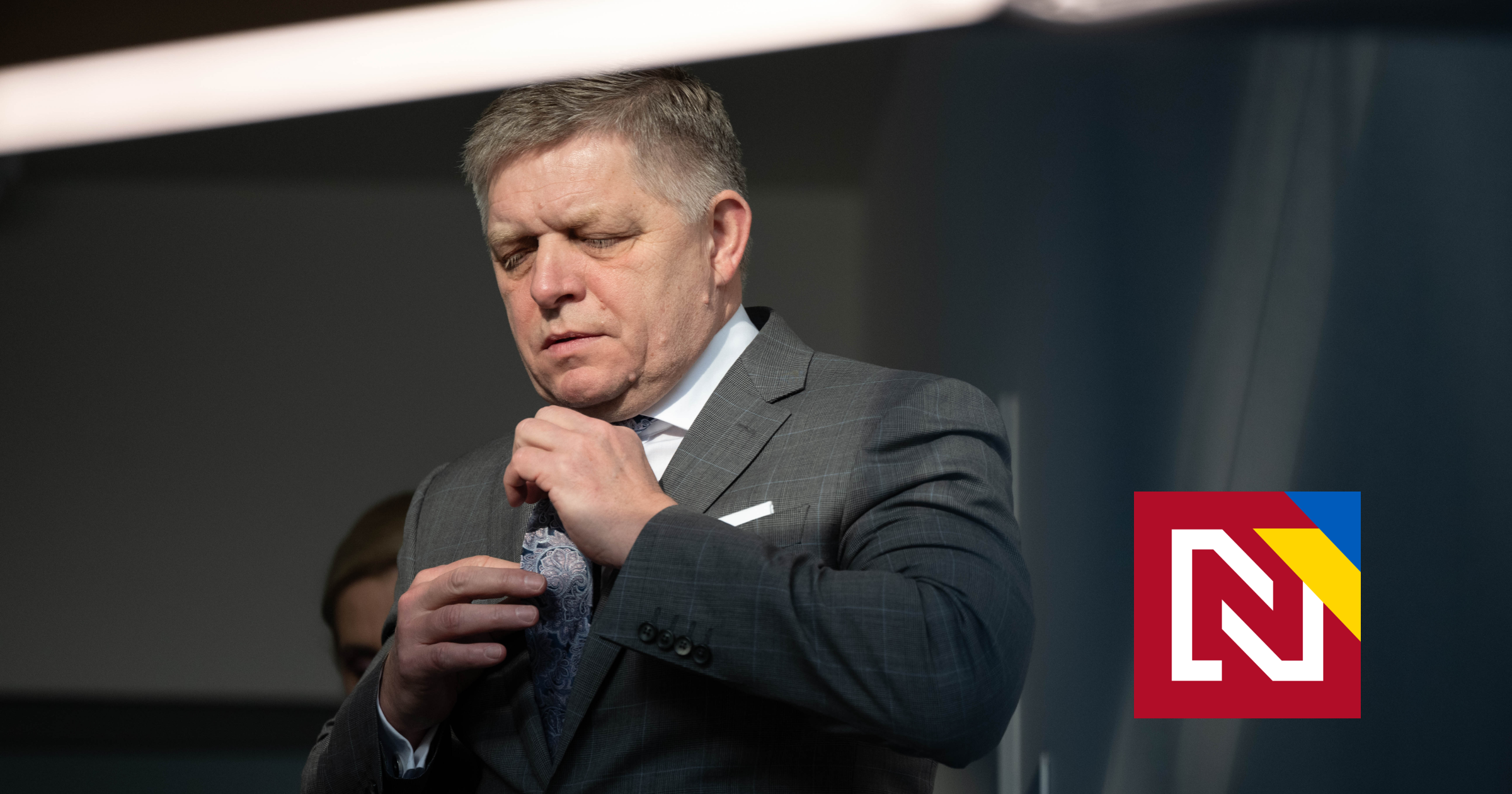
Slovak Prime Minister Robert Fico continues to rely on a recurring set of political themes in his public statements, according to recent analysis. Fico has repeatedly emphasized Slovakia's dependence on Russian oil while rejecting alternatives, signaling a firm stance on maintaining existing energy arrangements despite ongoing geopolitical tensions. The prime minister has also begun invoking what observers describe as "the Hungarian card" in his political strategy, suggesting closer alignment with Hungary's positions on various issues. Additionally, Fico has referenced migration policies, drawing parallels with Hungarian Prime Minister Viktor Orbán's approach to border control and refugee issues. These recurring themes appear to form a consistent narrative that Fico uses to frame Slovakia's position on key domestic and international issues, particularly regarding energy security, regional relationships, and migration policy.

|
Domestic Politics

Slovak Parliament Ends Session with Coalition Amendment to Higher Education Law

Slovakia's parliament concluded its session by passing an amendment to the country's higher education law proposed by coalition lawmakers. The legislative change was initiated by a group of members of parliament from Smer-SD and Hlas-SD, the two main parties in Slovakia's ruling coalition. The National Council, Slovakia's parliament, approved the measure as part of ongoing reforms to the country's education system. Both Smer-SD, the dominant social-democratic party led by Prime Minister Robert Fico, and Hlas-SD, a center-left party that split from Smer in 2020, have made education policy a priority in their governing agenda.

|
Domestic Politics

Progressive Slovakia Links Criminal Complaint Against Judge Záleská to Upcoming Očistec Trial

Progressive Slovakia has connected a criminal complaint filed against judge Záleská with the approaching trial in the Očistec case. MP Zuzana Števulová from the opposition Progressive Slovakia party criticized the prime minister's actions as inappropriate pressure on an independent judicial institution. The timing of the complaint appears to coincide with the imminent proceedings in Očistec, a major corruption case that has drawn significant attention in Slovak politics. Progressive Slovakia, a liberal opposition party, views the complaint as an attempt to influence the judiciary ahead of the high-profile trial.

|
Domestic Politics

State Bank Manager Co-Owns Pro-Government News Website While Working for Corruption-Accused Official

Linda Čechová owns half of the pro-government news website Ereport while simultaneously working as head of office for the director of the Slovak Guarantee and Development Bank, a state institution. The bank's director is Radko Kuruc, a former state secretary in the Finance Ministry who has been convicted of accepting bribes, though the verdict is not yet final. Čechová has worked directly for Kuruc for seven years, creating a conflict of interest between her media ownership and her role in state administration. The Slovak Guarantee and Development Bank is a state-owned institution that provides financial support for business development and guarantees for loans to small and medium enterprises.

|
Domestic Politics

Opposition Parties Debate Strategic Alliance Ahead of Elections

Slovak opposition parties are discussing potential alliances as a strategy to win upcoming elections, though the proposal faces resistance from some opposition politicians. The debate centers on whether uniting opposition forces would provide a more effective challenge to the current government. Some opposition leaders reject the idea of a unified approach, suggesting divisions within the anti-government camp about electoral strategy. The discussions reflect broader questions about how fragmented opposition parties might best position themselves to defeat the ruling coalition in future elections.

|
Domestic Politics

Opposition Demands Government Resignation Over Agricultural Payment Crisis

Slovakia's opposition is calling for the government's resignation over a critical situation involving agricultural payments, warning of potential financial losses for farmers worth millions of euros. Viliam Karas from the Christian Democratic Movement (KDH), an opposition party, warned that any potential lawsuit by the government against Brussels could result in a complete halt of payments to farmers until the dispute is resolved. The crisis appears to stem from issues with Slovakia's agricultural payment agency (PPA), which administers EU agricultural subsidies to Slovak farmers. Opposition parties are framing the situation as mismanagement that could jeopardize vital financial support for the country's agricultural sector.

|
Domestic Politics

Christian Democrats Call for Fico Government's Resignation Over EU Funds Risk

The Christian Democratic Movement (KDH), a center-right opposition party, has called for the resignation of Prime Minister Robert Fico's government due to the risk of Slovakia losing European Union funding. The party cited the threat of forfeiting EU funds as the primary reason for demanding the government step down. Slovakia relies heavily on EU structural funds for development projects, and any loss of these resources would significantly impact the country's economic growth and infrastructure development. The KDH's call reflects growing opposition concerns about the current government's ability to maintain Slovakia's access to crucial European funding streams.

|
Domestic Politics

Slovak Prime Minister Files Criminal Complaint Against Judge in High-Profile Corruption Case

Slovak Prime Minister Robert Fico has filed a criminal complaint against judge Pamela Záleská, accusing her of bias and procedural errors in her handling of a case involving former Special Prosecutor Dušan Kováčik. Fico alleges the judge committed abuse of power in her official capacity when deciding on the guilt and sentencing of the former prosecutor. The complaint targets Záleská's conduct in the corruption case against Kováčik, who previously led Slovakia's Special Prosecutor's Office, which handles major corruption and organized crime cases. The move represents an escalation in tensions between Fico's government and the judiciary, as the prime minister directly challenges a sitting judge's judicial conduct through the criminal justice system.

|