Dávka - Your daily dose of Slovak news
Last refreshed: 08/06/2026 15:40 · 65 articles added
Stories are refreshed at 05:30, 10:30, 15:30, and 21:30 UTC.

Domestic Politics

View all2275 stories
Domestic Politics

New Poll Shows Ruling Coalition Would Lose Parliamentary Majority

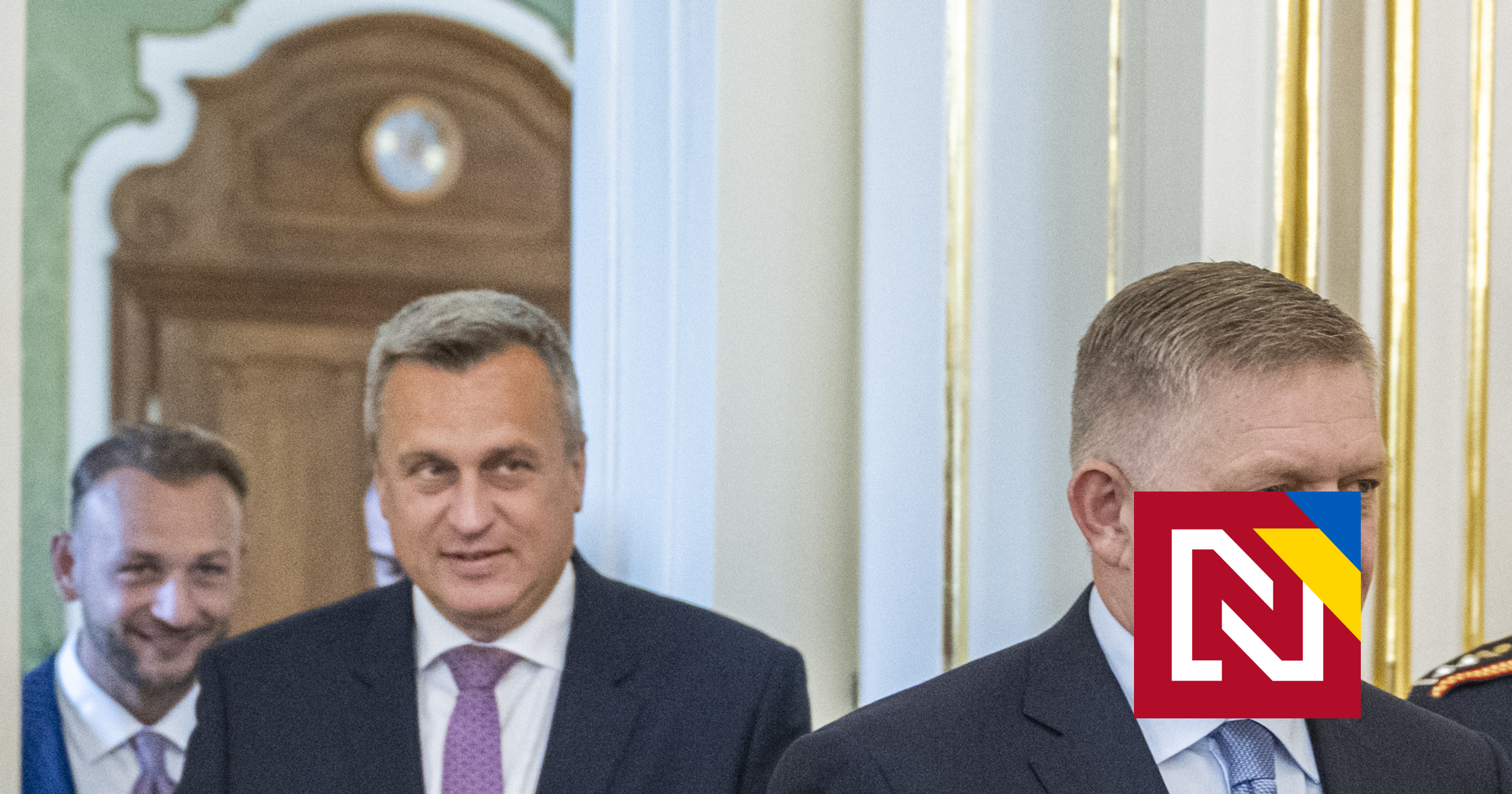
Slovakia's governing coalition would lose its parliamentary majority according to a new April poll, with Andrej Danko's party falling short of the electoral threshold needed to enter parliament. The survey indicates that the three-party coalition led by Prime Minister Robert Fico's Smer-SD party, along with the nationalist Slovak National Party (SNS) headed by Danko and the centrist Hlas party, would not secure enough seats to maintain control of the 150-member National Council. This represents a continued decline in support for the coalition government, which took power following elections in September 2023. The polling results suggest growing voter dissatisfaction with the current administration's performance, though opposition parties would need to form their own coalition to achieve a governing majority.
|
Domestic Politics

Slovakia's Supreme Court warns against threats to prosecute judges for their decisions

Slovakia's Supreme Court issued a statement Thursday defending judicial independence, indirectly supporting judge Pamela Záleská amid political pressure. The court declared that threats to prosecute judges for their judicial decisions are unacceptable. The statement's vague language and the silence of the judicial council sparked debate among judges, leading to calls for stronger protection of independent judicial power against attacks from the prime minister. The development highlights growing tensions between Slovakia's judiciary and political leadership over judicial independence, a fundamental principle in democratic systems where courts must be free from political interference when making legal decisions.

|
Domestic Politics

Slovak Anti-Corruption Police Officers Face Criminal Charges After Investigating Major Cases

Police officers working under Ján Čurilla, who investigated major corruption cases in Slovakia, have been charged with abuse of power and organizing a criminal group instead of receiving recognition for their work. The officers, who handled high-profile corruption investigations, now find themselves as defendants in criminal proceedings. The development highlights the controversial treatment of law enforcement officials involved in anti-corruption efforts in Slovakia, where investigators of major scandals have faced legal action rather than commendation for their work.

|
Domestic Politics

Slovak Parliament Suspended After Heated Debate Over Postal Voting Cancellation

Slovakia's parliament suspended proceedings on Friday morning following a heated confrontation during debate over cancelling postal voting from abroad. The conflict erupted while Tibor Gašpar from the ruling Smer-SD party was presenting the proposal to eliminate overseas postal voting, forcing lawmakers to end their working day before noon due to disagreements. The tension was sparked by petition sheets containing approximately 95,000 signatures from citizens opposing the cancellation of postal voting. The National Council, Slovakia's parliament, was unable to continue with regular proceedings after the disruption, highlighting deep divisions over the voting reform proposal.

|
Domestic Politics

Slovak Parliament Ends Friday Session Early After Disagreement, MP Ejected from Chamber

Slovakia's National Council ended its Friday session prematurely after parliamentary leaders failed to reach agreement during their consultations. Parliamentary Vice-Chairman Žiga announced that the legislative body's presidium could not find consensus, leading to the early adjournment. The session was also marked by the ejection of MP Mesterová from the parliamentary chamber. Lawmakers are scheduled to reconvene on Monday to continue their work. The National Council, Slovakia's unicameral parliament, regularly holds sessions to debate and vote on legislation, though procedural disputes and disagreements among the parliamentary leadership can sometimes disrupt the legislative schedule.

|
Domestic Politics

Slovak Local Governments Call for Exemption from Debt Brake Sanctions

Slovak local governments have appealed to the National Council, Slovakia's parliament, to exempt them from the sanctions mechanisms of the debt brake rules. Municipal and regional authorities warned that without exclusion from these penalty provisions, they would be unable to compile their budgets for the years 2027 through 2029. The debt brake is a fiscal rule designed to limit government borrowing and maintain budgetary discipline, but local authorities argue that the sanctions would severely constrain their ability to plan and fund essential services. This appeal highlights growing tensions between fiscal consolidation measures and the practical needs of local administration in Slovakia.

|
Domestic Politics

Opposition Criticizes Parliament Speaker's Ejection of Lawmaker Over Petition Papers

Parliament Speaker Andrej Danko ejected opposition lawmaker Zuzana Mesterová from the parliamentary chamber for having petition papers on her desk. The papers contained signatures for a petition by Progressive Slovakia opposing restrictions on voting from abroad. Progressive Slovakia, a liberal opposition party, condemned the action as unprecedented and criticized Danko's intervention. The incident has sparked heated debate in Slovakia's National Council, the country's parliament, over parliamentary procedures and the handling of opposition activities during legislative sessions.

|
Domestic Politics

Police Launch Criminal Investigation Into Controversial Ambulance Tender

Police have initiated criminal proceedings following months of investigation into Slovakia's controversial ambulance service tender, focusing on possible abuse of power by officials. The tender, which has been among the most disputed government procurement processes in the country, is now under formal criminal investigation for potential misuse of authority by public officials involved in the bidding process.

|
Domestic Politics

Slovakia's 'Rozuzlenie' Case Definitively Ends with Key Intelligence Chiefs Decision Kept Secret

The Rozuzlenie case, a high-profile investigation involving top officials from Slovakia's intelligence services, has definitively concluded with crucial decisions regarding the heads of SIS and NBÚ remaining classified from public view. The case began procedurally falling apart in February 2024. SIS is Slovakia's Slovak Information Service, the country's main intelligence agency, while NBÚ is the National Security Bureau, which handles counterintelligence and protection of classified information. The secretive nature of the final resolution means the public will not learn the outcomes for the intelligence chiefs who were central to this investigation.

|
Domestic Politics

Opposition Party Calls on Judicial Council to Condemn Government Attacks on Judges

The opposition Freedom and Solidarity party (SaS) has called on the Judicial Council to condemn what it describes as attacks by the government on judges. The party specifically referenced the case of judge Michal Kubiš as an example of such attacks. The Judicial Council is Slovakia's constitutional body responsible for judicial administration and protecting judicial independence. SaS, a liberal party that was part of the previous center-right government but is now in opposition, argues that the current ruling coalition is undermining judicial independence through its actions against individual judges.

|
Domestic Politics

Parliament Erupts Over Overseas Voting Changes as Opposition Brings Petition

A heated confrontation disrupted parliamentary proceedings as lawmakers debated restrictions on overseas voting rights. Members of Progressive Slovakia (PS), an opposition liberal party, brought petition sheets to the chamber floor during the debate. Parliamentary Speaker Peter Pellegrini ordered the removal of PS caucus leader from the session in response to the disruption. The confrontation highlights growing tensions over proposed changes to Slovakia's electoral laws that would limit the ability of Slovak citizens living abroad to participate in elections. Progressive Slovakia has been vocal in opposing the restrictions, which they argue would disenfranchise expatriate voters who have traditionally supported pro-Western opposition parties.

|
Domestic Politics

Fico Prepares to Target Independent Media Space, Analysis Warns

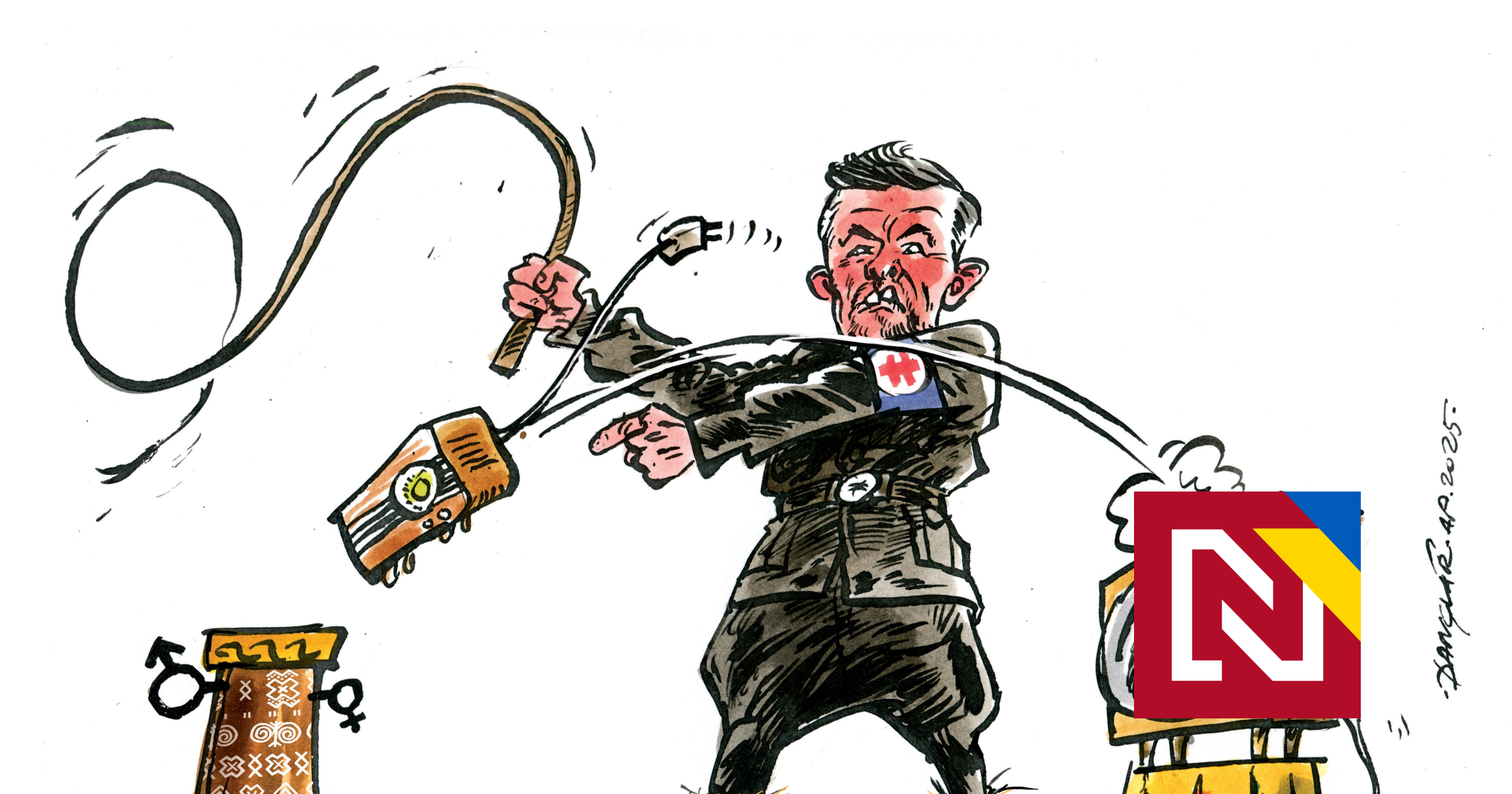
Slovak Prime Minister Robert Fico is preparing to undermine the country's independent media landscape after losing his confrontation with established news outlets, according to political analysis. The assessment suggests Fico's brief period of coexistence with free press was merely a tactical pause to test whether Slovak investigative journalism could move beyond minor stories fed by oligarchs pursuing their own agendas. The analysis indicates that independent newsrooms and media outlets have demonstrated their capability to produce substantial investigative work, prompting concerns about potential government moves against press freedom. Slovakia has experienced significant tensions between political leadership and independent media, particularly over coverage of corruption investigations and government policies. The warning comes as press freedom advocates across Central Europe have raised concerns about increasing pressure on independent journalism from populist governments seeking to control media narratives.

|
Domestic Politics

Former Slovak Prime Minister Iveta Radičová Reflects on Life Under Communism in New Book Interview

Former Slovak Prime Minister Iveta Radičová has opened up about her experiences living under communist rule and her subsequent efforts to build democracy in Slovakia in a new book by journalist Peter Bárdy. In a candid interview featured in the publication, Radičová reflects on how half her life was spent under totalitarian rule while the other half was dedicated to helping establish freedom in the country. The former prime minister, who led Slovakia's government from 2010 to 2012, expressed regret that there weren't "three halves" to her life, saying she would need a third portion to complete her work. Radičová, who was the first female prime minister in Slovak history, led a center-right coalition government that fell after losing a confidence vote tied to expanding the eurozone bailout fund. Her reflections provide insight into the personal experiences of Slovak leaders who witnessed the country's transition from communist rule to EU membership.

|
Domestic Politics

Slovak Opposition Urged to Focus on 2027 Elections Rather Than 2026 Referendum

A prominent Slovak commentator has argued that the opposition should abandon efforts to mobilize around the planned 2026 referendum and instead concentrate on defeating Prime Minister Robert Fico in the 2027 parliamentary elections. The commentary suggests that true democratic mobilization requires the opposition parties to redirect their energy from the July referendum vote toward establishing cooperation agreements and rules for future collaboration. The piece characterizes the referendum as merely an "episode" in the broader political struggle, arguing that Fico must be defeated through conventional electoral means rather than through the referendum process. This reflects ongoing debates within Slovakia's opposition about the most effective strategy to challenge Fico's government, which has faced criticism over democratic backsliding and controversial policies since returning to power.

|
Domestic Politics

Opposition Unity Efforts Face Challenges Amid Matovič's Involvement

Slovak opposition parties are grappling with calls for a unified approach, but efforts face complications due to the involvement of Igor Matovič, the leader of the Ordinary People party (OĽaNO). The former prime minister's participation in unity discussions has raised concerns among opposition figures about the viability of a coordinated strategy. Matovič, who served as prime minister from 2020 to 2021, leads OĽaNO, a populist party that was previously part of a center-right coalition government but now sits in opposition to the current ruling coalition led by Smer-SD. The tensions highlight ongoing divisions within Slovakia's fragmented opposition as parties struggle to present a cohesive alternative to the government of Prime Minister Robert Fico.

|
Domestic Politics

Slovak President Says Hospital Mergers Key to Modern Healthcare System

Slovak President Peter Pellegrini emphasized that merging healthcare facilities is crucial for building a modern and accessible healthcare system in the country. He highlighted ongoing hospital modernization efforts across Slovakia, stating that healthcare accompanies people during the most critical moments of their lives and therefore requires quality modern infrastructure and well-trained professionals within the system. Pellegrini, who took office in June 2024 after serving as prime minister, has made healthcare reform a priority as Slovakia faces challenges with hospital capacity and medical staffing shortages common across Central Europe.

|
Domestic Politics

Slovak Opposition Party SaS Expels Long-time Member Jana Bittó Cigániková

The liberal opposition party Freedom and Solidarity (SaS) has expelled Jana Bittó Cigániková, a long-time member and Member of Parliament, from the party. SaS chairman Branislav Gröhling cited "long-term damage to the party's good reputation" and "blackening the party in media" as the reasons for the expulsion. The decision also means Bittó Cigániková will no longer be a member of the SaS parliamentary group in Slovakia's National Council, the country's parliament. Freedom and Solidarity is a liberal opposition party that has been critical of the current government coalition led by Robert Fico's Smer-SD party. The expulsion highlights internal tensions within the opposition as Slovakia navigates a politically polarized environment, with the party apparently concerned about members potentially defecting to other political forces, including those led by figures like Boris Kollár.

|
Domestic Politics

Slovak Ruling Coalition Temporarily Reduced to 73 MPs for One Day

Slovakia's ruling coalition unexpectedly found itself with only 73 members of parliament for a single day, temporarily losing its majority in the 150-seat National Council. The coalition, led by Prime Minister Robert Fico's Smer-SD party along with junior partners Hlas-SD and SNS, normally controls 79 seats but faced a temporary reduction due to absent MPs. Meanwhile, recent polling data shows shifting support among political parties, with Progressive Slovakia and Smer-SD losing ground while former Prime Minister Igor Matovič's OĽaNO party, the liberal SaS, and the Christian Democratic KDH all gained support. The temporary loss of the coalition's parliamentary majority highlights the narrow margin by which the current government operates and could signal potential challenges for passing legislation if absences become more frequent.

|
Domestic Politics

Internal Division Emerges at Slovak Public Television Over Government Control Allegations

Tensions have escalated within Slovak Television and Radio (STVR), the country's public broadcaster, as staff and public figures clash over allegations of government interference. Actor and television personality Landl has publicly declared that the television does not belong to the government, while moderator Malachovská has criticized what she calls unnecessary polarization within the organization. The dispute reflects broader concerns about media independence in Slovakia, with some members of the public and artists expressing fears about attempts to control the public broadcasting institution. However, voices from within STVR itself present a more complex picture, with some prominent television figures offering interpretations of recent staff departures that differ significantly from the prevailing narrative of government overreach. The internal disagreement highlights the deep divisions within Slovakia's public media landscape and raises questions about the true nature of the institutional changes at the broadcaster.

|
Domestic Politics

Bratislava Mayor Defends May Day Celebrations Amid Political Controversy

Bratislava Mayor Matúš Šimko defended the city's May Day celebrations after facing criticism for allegedly misusing municipal resources for political purposes. The controversy arose because ruling coalition parties Smer-SD, Hlas, and the Slovak National Party (SNS), along with the opposition party Republika, are participating in the May Day events organized under the city's banner. A candidate from Progressive Slovakia (PS), an opposition liberal party, complained that the city should not serve as a political headquarters. Šimko responded to the criticism by saying he would personally pay for the goulash and beer at the celebrations, suggesting the costs involved are minimal and the criticism is overblown.

|