Dávka - Your daily dose of Slovak news
Last refreshed: 05/06/2026 21:42 · 44 articles added
Stories are refreshed at 05:30, 10:30, 15:30, and 21:30 UTC.

Domestic Politics

View all2221 stories
Domestic Politics

Slovak Environment Minister to Support Zoning Proposal Despite Opposition

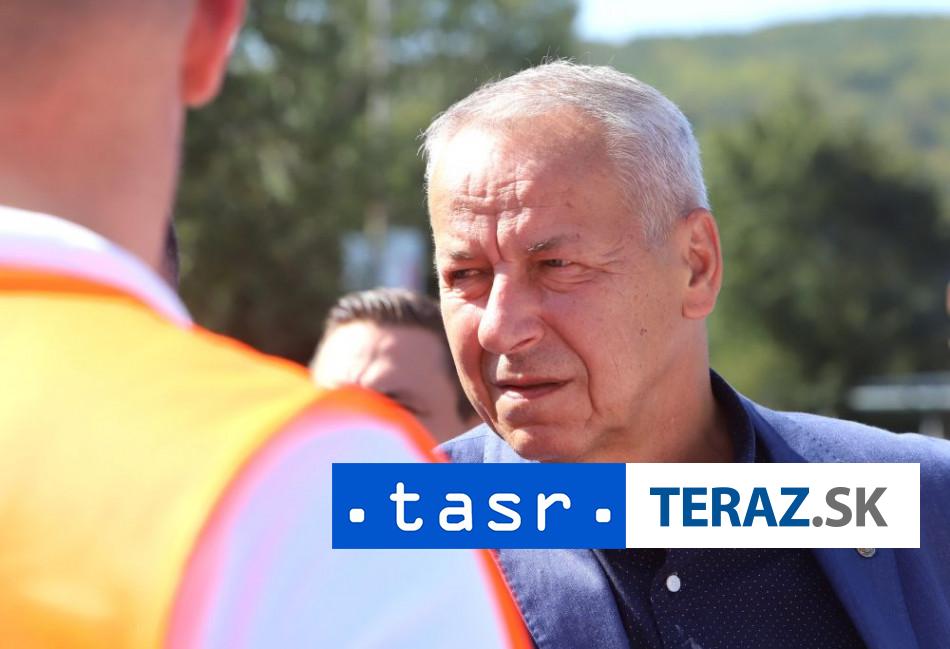
Slovak Environment Minister Tomáš Huliak will vote in favor of a zoning proposal despite publicly criticizing it as flawed. Huliak, who represents the Slovak National Party in the ruling coalition, described the proposal as "botched" because it was based on inadequate source materials. The zoning initiative appears to involve territorial planning or land use regulations, though the minister's decision to support legislation he considers fundamentally flawed highlights potential tensions within the government's policy-making process.

|
Domestic Politics

Brother of Slovak Justice Ministry State Secretary Charged After Police Raid

The brother of Slovak Justice Ministry State Secretary Šalitroš has been formally charged following a police raid at his premises. The charges relate to alleged financial crimes with damages exceeding 860,000 euros. The case involves the Special Prosecutor's Office, which handles major corruption and organized crime cases in Slovakia, and investigations are continuing. The development raises questions about potential conflicts of interest given the family connection to a senior Justice Ministry official, though no details have been released about the specific nature of the alleged crimes or whether the state secretary himself is under investigation.

|
Domestic Politics

Progressive Parties and Alliance Agree on First Joint Candidate in Eastern Slovakia

Progressive Slovakia and the Alliance party have reached agreement on their first joint candidate ahead of upcoming elections, with the cooperation taking concrete shape in Košice, Slovakia's second-largest city. The agreement represents the first tangible result of talks between the two opposition parties about potential electoral cooperation. Both parties are part of Slovakia's liberal opposition, which has been exploring ways to coordinate their efforts to challenge the ruling coalition led by Smer-SD.

|
Domestic Politics

Former Judicial Council Member Calls for Deputy Chair's Dismissal

Dana Jelinková Dudzíková, a former member of Slovakia's Judicial Council, has submitted a formal proposal to dismiss the council's deputy chairwoman, Ayše Pružinec Eren. The Judicial Council is the constitutional body responsible for overseeing judicial independence and appointing judges to higher courts in Slovakia. The council, composed of judges, legal professionals, and parliamentary appointees, plays a crucial role in maintaining the integrity of the country's judicial system and has been at the center of ongoing debates about judicial reform and independence.

|
Domestic Politics

Opposition demands defense minister explain military hospital construction errors to parliament

The opposition Christian Democratic Movement (KDH) is calling for Defense Minister Robert Kaliňák to appear before parliament to explain mistakes in the construction of a military hospital in Prešov, a city in eastern Slovakia. The party also wants to initiate proceedings to remove Kaliňák from office. The opposition's demands focus on alleged errors or misconduct related to the hospital project, though specific details of the problems were not disclosed. KDH is part of Slovakia's parliamentary opposition, while Kaliňák serves as defense minister in the current government coalition led by Prime Minister Robert Fico's Smer-SD party.

|
Domestic Politics

Businessman with ties to Fico's brother and Bödör returns to business despite court ban

Štefan Herman, a businessman who previously operated companies with Ladislav Fico, brother of former Prime Minister Robert Fico, and Norbert Bödör, has returned to business despite being banned from commercial activities by Slovak courts. Herman gained notoriety through two heavily indebted companies - one operated with Ladislav Fico and another with Bödör, who is a controversial businessman facing corruption charges. Courts imposed the business ban on Herman for legal violations related to these failed ventures that left substantial debts. However, Herman recently circumvented the prohibition by becoming the managing director of a new company, raising questions about enforcement of judicial sanctions in Slovakia's business environment.

|
Domestic Politics

Slovakia's Ruling Coalition Faces Electoral Threat as Public Support Declines

Slovakia's governing coalition led by the social-democratic Smer-SD party is facing a potential loss of power according to recent public opinion polls. The coalition, which currently holds parliamentary majority, has seen declining support that threatens its ability to retain control in future elections. The political uncertainty comes as the government continues to face scrutiny over various policy decisions and their implementation.

|
Domestic Politics

Slovak Opposition Parties to Begin Cooperation Talks Amid Uncertainty

Progressive Slovakia and the Democrats party will begin discussions about potential cooperation and its possible forms. The opposition parties face challenges in building a unified coalition against the ruling Smer-SD party, with uncertainty remaining about whether such an alliance will successfully emerge or ultimately fail to materialize.

|
Domestic Politics

Dog Show at Slovak Castle Led by Government Official's Wife, Funded by State Lottery

A prestigious dog show took place at a Slovak castle, organized by the wife of a government plenipotentiary and funded by Tipos, the state-owned lottery company. The event, described as gathering "canine aristocracy," was also attended by Huliak, who controls Tipos. A government plenipotentiary is a senior official appointed by the Slovak government to oversee specific policy areas or regions. The involvement of state lottery funds in financing what appears to be an elite social event raises questions about the appropriate use of public resources, particularly given the connections between the organizer and government officials.

|
Domestic Politics

NGO Chamber Warns Government About Shrinking Space for Civil Society

The Chamber of Non-Governmental Organizations has issued a warning to Slovakia's government about the diminishing space available for civil society operations. The organization, which represents numerous NGOs across the country, formally addressed an appeal to the government regarding what it views as concerning restrictions on civil society activities. The warning comes amid broader debates in Slovakia about the role and autonomy of non-governmental organizations, which play a crucial role in areas including human rights monitoring, social services, and democratic oversight. Such appeals typically signal tensions between government policies and civil society groups over regulatory frameworks, funding mechanisms, or operational freedoms that NGOs require to function effectively.

|
Domestic Politics

Slovak Parliament Approves Traffic Law Changes with Higher Speeding Fines

Slovakia's parliament has approved amendments to traffic laws that will introduce stricter penalties for speeding violations. Drivers who exceed speed limits by more than 50 kilometers per hour in built-up areas or by more than 60 kilometers per hour outside towns will face fines ranging from 800 to 1,300 euros, a significant increase from current penalties. The legislation also includes new rules for pedestrian crossings and phone use while driving. The parliamentary debate was marked by disagreements within the ruling coalition, with several provisions ultimately removed from the bill to address objections from lawmakers associated with Rudolf Huliak. Despite these internal tensions, the National Council, Slovakia's parliament, ultimately passed the traffic code amendments, which represent the most significant update to the country's road traffic regulations in recent years.

|
Domestic Politics

Slovak Parliament Ends Session with Civil Procedure Code Amendment

The Slovak Parliament concluded its session while debating amendments to the Civil Procedure Code, which is currently in its second reading. The National Council, Slovakia's parliament, was working on legislation that would modify the rules governing civil court proceedings in the country. The amendment remains under parliamentary consideration and will require further debate before final approval.

|
Domestic Politics

Slovak Prime Minister Loses Court Case as New Poll Shows Tight Political Race

Slovak Prime Minister Robert Fico suffered a legal setback in court proceedings, while a new opinion poll indicates a close political contest ahead. The ruling coalition government has announced a comprehensive economic package consisting of 38 measures aimed at stimulating the country's economy. Fico leads the Smer-SD party, which forms the core of Slovakia's current governing coalition that came to power following elections in 2023. The economic stimulus package comes as Slovakia, like many European Union countries, faces economic pressures including inflation and energy costs stemming from the ongoing war in Ukraine and broader European economic challenges.

|
Domestic Politics

Slovakia Faces Criticism Over Constitutional Amendment Linking National Identity to Traditional Family

Slovakia's government under Prime Minister Robert Fico has advanced constitutional changes that would define national identity based on traditional sexual and reproductive concepts, according to constitutional law expert Peter Weiss. The proposed amendment would make Slovakia unique among European Union member states, as no other EU country has constitutionally anchored national identity to concepts of sex and human reproduction. Critics argue this represents state-sanctioned discrimination against LGBTI+ individuals rather than legitimate protection of national identity. The move reflects Fico's social-democratic Smer-SD party's shift toward conservative positions on social issues, potentially setting Slovakia at odds with EU values on equality and non-discrimination.

|
Domestic Politics

Slovakia to Introduce Mandatory Crime Prevention Program Accreditation

The Slovak government is preparing legislation that would establish mandatory accreditation for crime prevention programs. Under the proposed amendment, government ministries would be required to submit regular reports on crime levels, trends and dynamics, as well as other antisocial activities, to the Government Council for Crime Prevention. The Government Council for Crime Prevention is a government advisory body that coordinates crime prevention policies across different state institutions. The measure aims to improve oversight and coordination of Slovakia's crime prevention efforts by ensuring systematic monitoring and reporting of criminal activity patterns.

|
Domestic Politics

Parliamentary Committee Fines Two Politicians for Incomplete Asset Declarations

The National Council's Committee on Incompatibility of Functions imposed financial penalties on two politicians, Nosko and Lunter, for submitting incomplete asset declarations. The committee, which oversees conflicts of interest among public officials, also established a working group composed of representatives from both the ruling coalition and opposition parties. Slovakia's parliament requires elected officials to declare their assets and potential conflicts of interest as part of transparency measures, with the committee having authority to impose fines for violations of these disclosure requirements.

|
Domestic Politics

Fico's Threats to Remove Opposition MP Face Coalition Partner Resistance

Slovak Prime Minister Robert Fico's attempts to remove opposition MP Tomáš Dubéci from Progressive Slovakia face uncertainty as his ruling Smer party lacks the necessary votes for the recall motion. The social-democratic Smer party, which leads Slovakia's governing coalition, requires support from its coalition partners to secure enough parliamentary votes to proceed with Dubéci's removal. However, coalition partners have shown reluctance to back Fico's initiative, creating internal tensions within the ruling alliance. The dispute highlights growing friction between Fico's party and its coalition allies over parliamentary tactics and opposition treatment, potentially complicating the government's legislative agenda.

|
Domestic Politics

Parliamentary Committee Fails to Approve Resolution on Diplomatic Nominations

The Foreign Affairs Committee of Slovakia's parliament failed to approve a resolution regarding Peter Kmec, one of two controversial diplomatic nominees, and did not have time to hear from the second nominee, Radačovský. The National Council's Foreign Affairs Committee, which reviews diplomatic appointments, was unable to complete its assessment of both candidates during its session. Opposition parties have already called on President Peter Pellegrini not to appoint either Kmec or Radačovský to their proposed diplomatic posts. The committee's failure to approve the resolution suggests significant parliamentary resistance to at least one of the nominations, though the president retains the constitutional authority to make diplomatic appointments regardless of parliamentary recommendations.

|
Domestic Politics

Progressive Slovakia Cannot Afford Another Political Failure

Progressive Slovakia, one of the country's main opposition parties, faces mounting pressure to successfully conclude coalition negotiations with the Democrats party after publicly announcing talks between the two groups. Political observers note that the liberal opposition party cannot afford another strategic misstep following previous political setbacks. The negotiations represent a critical moment for Progressive Slovakia as it seeks to strengthen its position against the ruling coalition led by Smer-SD. The outcome of these talks could significantly reshape Slovakia's opposition landscape and determine the parties' ability to present a united front in future electoral contests.

|
Domestic Politics

Slovakia Approves Traffic Law Changes Bringing New Rules for Drivers, Pedestrians and E-scooter Users from September

Slovakia's parliament has approved amendments to the Road Traffic Act that will introduce several important changes starting in September. The new regulations will affect not only drivers but also pedestrians, cyclists, and users of increasingly popular electric scooters. The National Council, Slovakia's parliament, passed the legislation as part of ongoing efforts to modernize traffic regulations and address the growing use of alternative transportation methods in Slovak cities.

|