Dávka - Your daily dose of Slovak news
Last refreshed: 08/06/2026 05:40 · 33 articles added
Stories are refreshed at 05:30, 10:30, 15:30, and 21:30 UTC.

Domestic Politics

View all2261 stories
Domestic Politics

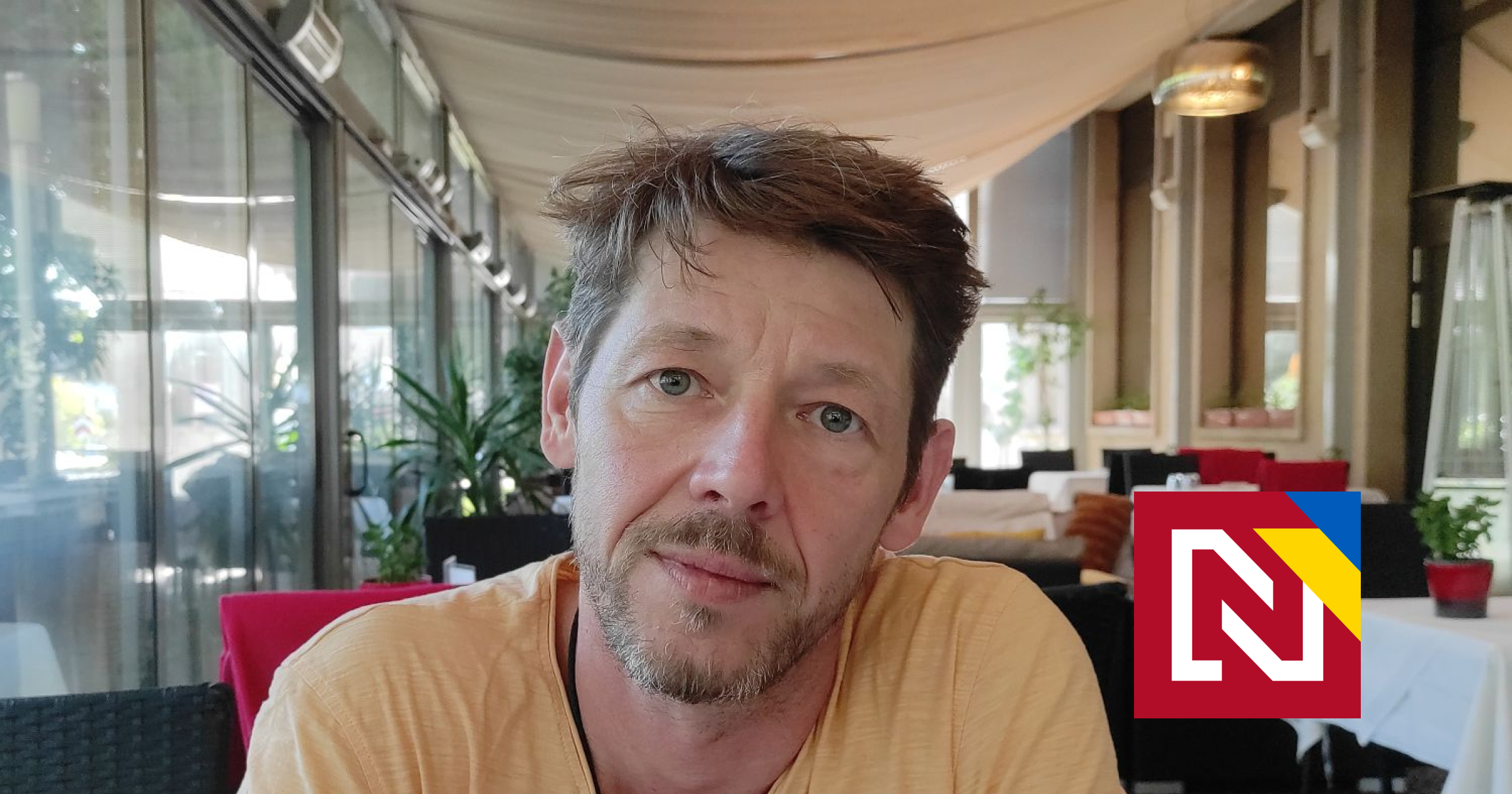
Slovak Actor Ondřej Daniš Calls Education Minister 'Harmful' Amid Information War Concerns

Slovak actor and musician Ondřej Daniš has launched a scathing attack on Education Minister Tomáš Taraba, calling him "harmful" and arguing that public figures have a duty to "call things by their proper names" during times of disinformation. Daniš specifically targeted comments made by Ľuboš Blaha, a prominent member of the ruling Smer-SD party, describing his rhetoric as "one counter-revolutionary cesspool that reeks of treason and inferiority complex." The actor expressed satisfaction that Blaha might leave to teach in Moscow, saying he hopes it becomes "a lifelong job opportunity" for the politician. The comments reflect growing tensions in Slovak public discourse over information policy and political rhetoric, with cultural figures increasingly weighing in on political debates about media influence and national loyalty.


|
Domestic Politics

Anti-corruption foundation questions Slovak culture minister's ability to repay loan from state grants

The Stop Corruption Foundation has raised concerns about Culture Minister Marta Šimečková's ability to repay a 5,000-euro loan, arguing that state grant funds cannot legally be used for debt repayment. The foundation contends that government grants are tied to specific purposes and that paying off personal debts does not fall within these permitted uses. The issue highlights potential complications around the minister's financial obligations and the strict regulations governing how state funding can be utilized by public officials.

|
Domestic Politics

Progressive Slovakia Faces Strategic Decision on Political Direction

Progressive Slovakia, a liberal opposition party, confronts a critical choice between adopting a more confrontational approach or maintaining a defensive political stance. The party, which has positioned itself as a pro-European alternative to the current government, must decide whether to intensify its opposition tactics or continue with its current strategy. This decision comes at a time when the party faces pressure to demonstrate its effectiveness as an opposition force in Slovakia's polarized political landscape.

|
Domestic Politics

R. Mochnacký Announces Candidacy for Prešov Mayor

R. Mochnacký has announced his candidacy for mayor of Prešov, Slovakia's third-largest city and the administrative center of the eastern Prešov Region. His campaign platform focuses on three key areas: transportation, public safety, and improving the quality of public spaces. The announcement sets up what is expected to be a competitive race for leadership of the city of approximately 85,000 residents.

|
Domestic Politics

Matovič Calls on Progressive Slovakia to Avoid Missteps in Project Forum Case

Igor Matovič, leader of the OĽaNO party, called on Progressive Slovakia (PS) to avoid making mistakes in the case involving the Project Forum organization. Speaking at a Monday press conference, Matovič referenced polling data from multiple agencies covering the period from January 2025 to March 2026. OĽaNO is a populist anti-corruption party that was previously part of Slovakia's ruling coalition, while Progressive Slovakia is a liberal pro-European opposition party. The Project Forum case appears to involve some form of controversy or investigation, though Matovič's specific concerns about potential missteps by PS were not detailed in the available information.

|
Domestic Politics

Former Tax Official Receives Financial Penalty in Corruption Case Settlement

A Slovak court has approved a plea agreement for a former financial administration official involved in a corruption case. The defendant, identified as Puček, received a monetary penalty of 7,000 euros as part of the settlement. The case relates to corruption within Slovakia's financial administration, the government body responsible for tax collection and customs operations. Plea agreements allow defendants to cooperate with prosecutors in exchange for reduced sentences, typically helping authorities gather evidence against other suspects in broader corruption investigations.

|
Domestic Politics

Trnava Mayor Peter Bročka Announces He Will Not Seek Re-election, Considers Parliamentary Career

Peter Bročka, the 43-year-old mayor of Trnava, announced he will not run for re-election in the upcoming municipal elections scheduled for late October. Bročka, who became mayor at age 32 in 2014 and has served for twelve years, said his chances of entering national politics are "maximum 50 percent." In an interview, he discussed his decision to step down after more than a decade in office and expressed interest in potentially pursuing a career as a member of parliament. Trnava is Slovakia's eighth-largest city with approximately 65,000 residents, located in western Slovakia. Bročka's departure marks the end of a significant tenure in municipal leadership, as he reflected on how the current national government has affected life in Slovak cities and how residents will remember his time in office.

|
Domestic Politics

Slovak Defense Ministry Halts Hospital Construction by Contractors Linked to Hungarian PM Orbán

Slovakia's Defense Ministry has suspended construction of a new military hospital in Prešov, leaving the building site silent after work was halted. Defense Minister Robert Kaliňák had originally planned to open the facility in September 2025, but construction has been stopped pending the results of an expert assessment that will determine the project's future. The suspended contractors have ties to Hungarian Prime Minister Viktor Orbán. The suspension means Kaliňák may not be able to deliver the completed hospital before Slovakia's next parliamentary elections, potentially affecting the ruling coalition's campaign promises on healthcare infrastructure.

|
Domestic Politics

Slovakia Risks Losing Nearly 200 Million Euros from EU Recovery Plan Over Defense Project Suspension

Slovakia faces the potential loss of nearly 200 million euros from the European Union's recovery plan after the Defense Ministry suspended construction of a military hospital in Prešov last week. The warning comes from Progresívne Slovensko (PS), the main opposition liberal party, which highlighted the financial risks associated with halting the project. The military hospital construction was part of Slovakia's National Recovery and Resilience Plan, the country's framework for accessing EU pandemic recovery funds totaling billions of euros. The suspension of such projects can trigger financial penalties and the forfeiture of allocated EU funding if milestones and deadlines are not met according to Brussels' requirements.

|
Domestic Politics

Slovak Justice Minister Defends Judges' Right to Public Expression After Petition

Slovak Justice Minister Mária Kosová defended the right of judges, including retired ones, to publicly express their views following a petition that garnered support from dozens of judges. Kosová's statement comes amid ongoing tensions over judicial independence in Slovakia, where the relationship between the government and the judiciary has been a recurring source of political debate. The minister's defense of judicial expression rights appears to address concerns about potential restrictions on judges' ability to participate in public discourse.

|
Domestic Politics

Slovak Prime Minister Criticized for Security Policy Stance

Slovak Prime Minister Robert Fico has drawn criticism for his understanding of current security challenges, with observers characterizing his approach as disconnected from reality. The criticism centers on Fico's interpretation of ongoing conflicts and their implications for Slovakia's security policy. Fico, who leads the ruling Smer-SD social-democratic party, has previously taken controversial positions on international affairs, particularly regarding the war in Ukraine and Slovakia's role in European security arrangements. His statements on security matters have increasingly put Slovakia at odds with its NATO and European Union partners, raising questions about the country's foreign policy direction under his leadership.

|
Domestic Politics

Opposition Criticizes Fico's Left-Wing Principles Declaration as 'Cynical'

Slovak opposition figures have sharply criticized Prime Minister Robert Fico's recent declaration of left-wing principles, calling it a "cynical abomination." The criticism appears to target what opponents view as inconsistency between Fico's stated progressive values and his governing practices. Fico leads Smer-SD, Slovakia's ruling social-democratic party, which has faced ongoing criticism from opposition parties and civil society groups over various policy positions and governance approaches since returning to power.

|
Domestic Politics

Progressive Slovakia Leader Šimečka Received Loan from Ex-Penta Partner, Lawyer Sees Potential Legal Issues

Michal Šimečka, leader of the opposition Progressive Slovakia party, received tens of thousands of euros in loans from a former business partner of the Penta financial group, according to recent revelations. The loan repayment arrangement has raised legal concerns, with a lawyer involved in the case suggesting potential suspicions of misappropriation of funds from a non-profit organization. Progressive Slovakia is a liberal opposition party that has positioned itself as an anti-corruption alternative to the current ruling coalition led by Smer-SD. The Penta group is a major Central European investment company that has been involved in various business controversies in Slovakia over the years.

|
Domestic Politics

Opposition Criticizes Intelligence Service Report as Lacking Content, Coalition Defends It

Slovakia's opposition parties dismissed the annual report on the Slovak Information Service (SIS), the country's intelligence agency, as lacking substantive content during a heated parliamentary debate. Coalition lawmakers defended the report as factual and appropriate. The National Council, Slovakia's parliament, discussed the intelligence service's activities in a session marked by tense exchanges between government and opposition representatives. The Slovak Information Service serves as the country's primary intelligence agency, responsible for national security matters and counterintelligence operations.

|
Domestic Politics

Slovak Ruling Party Considers Reducing Pension Benefits for Higher Earners

Politicians from Slovakia's ruling Smer-SD party have acknowledged they may reduce the thirteenth pension payment for retirees with higher incomes. The thirteenth pension, which costs the state budget up to one billion euros annually, has been a cornerstone of Smer's electoral strategy to attract voters. This marks the first time the social-democratic party has wavered on this key policy pillar amid pressure on public finances. Prime Minister Robert Fico also issued his first public statement on Ukraine after years of avoiding the topic, though details of his position were not specified.

|
Domestic Politics

Anti-corruption Foundation Leaders Discuss Challenges Amid Rising Corruption in Slovakia

Leaders of the Stop Corruption Foundation, a Slovak anti-corruption watchdog organization, defended their work in a recent interview amid criticism about the persistence of corruption in the country. Martin Suchý and Zuzana Petková from the foundation addressed questions about their organization's effectiveness and methodology in combating corruption. The foundation leaders suggested they face attacks because their work attracts attention from voters across the political spectrum, including supporters of government parties. They also discussed attempts by some government officials to establish informal relationships with their organization and commented on what they described as a lengthy list of corruption cases involving the current government.

|
Domestic Politics

Opinion Column Criticizes Political Theater and False Working-Class Appeals

Slovak commentator Veronika Šikulová published a critical opinion piece examining what she describes as political posturing by politicians who don overalls and pretend to understand the scent of sweat, suggesting they are selling illusions to voters. The column, titled "Bakery Tourism, Goulash Smoke and Sellers of Illusions," appears to critique politicians who engage in staged photo opportunities at working-class venues while being disconnected from ordinary citizens' daily struggles. Šikulová's commentary reflects ongoing tensions in Slovak politics between political elites and their attempts to appear relatable to working-class voters through what critics view as inauthentic public relations exercises.

|
Domestic Politics

Slovakia's Justice Minister to Present New Civil Code to Government

Justice Minister Boris Susko will present Slovakia's new Civil Code to the government during Wednesday's cabinet meeting. The legislation has already passed through two key advisory councils without objections and promises significant changes for the country's business environment. Susko claims the new Civil Code will have a positive impact on Slovakia's entrepreneurial sector, though specific details of the proposed reforms have not been disclosed. The Civil Code governs fundamental legal relationships between individuals and businesses, making any revisions potentially far-reaching for Slovak society and commerce.

|
Domestic Politics

Key defendant refuses to testify in Kuciak murder and prosecutor assassination plot case

Tomáš Szabó declined to testify at a court hearing in Pezinok regarding both the murder of journalist Ján Kuciak and plans to assassinate prosecutors. Szabó is relying on an appeal to the Supreme Court, Slovakia's highest judicial authority. The case involves the 2018 murder of investigative journalist Ján Kuciak and his fiancée Martina Kušnírová, which shocked Slovakia and led to massive protests that eventually brought down the government. Kuciak had been investigating connections between Italian organized crime groups and Slovak political figures. The murder case has been linked to broader criminal activities, including alleged plots to eliminate prosecutors involved in high-profile corruption investigations. Szabó's refusal to cooperate represents a significant development in one of Slovakia's most closely watched criminal proceedings. The case has exposed deep connections between organized crime and political power, making it a crucial test of the country's judicial system and rule of law.

|
Domestic Politics

Slovak Agriculture Ministry Approves Grant for Controversial Agro-Baron Amid Corruption Concerns

Slovakia's agriculture payment agency has approved another subsidy for a controversial agricultural magnate from the Fafokan region, with the state contract signed by an associate of the recipient. An investigation by Denník N newspaper and the Stop Corruption Foundation has mapped a network of officials with ties to questionable agricultural projects and powerful players in the sector. The probe revealed that Róbert Ďurica from Babindol, known for his involvement in the "hacienda challenge," operates in multiple land partnerships alongside directors from sections of the Agricultural Payment Agency (PPA) - Tomáš Hyčka and Milan Ďurín. At the Agriculture Ministry, key positions are held by individuals from the era of the Dobytkár scandal, a case involving manipulated agricultural subsidies. The findings point to concerning interconnections between subsidy recipients, government officials, and decision-makers in Slovakia's agricultural sector, raising questions about transparency and potential conflicts of interest in the distribution of state agricultural funds.

|