
Dávka - Your daily dose of Slovak news
Last refreshed: 05/06/2026 21:42 · 44 articles added
Stories are refreshed at 05:30, 10:30, 15:30, and 21:30 UTC.

Domestic Politics

View all2221 stories
Domestic Politics

Former Police Investigator Faces Trial Alone After Co-accused Benefit from Legal Amnesty

Former police investigator Roman Stahl will face trial alone on corruption charges despite being originally accused alongside former police chief Tibor Gašpar and businessman Norbert Bödör. Stahl failed to benefit from Article 363, a controversial amnesty provision that has shielded other defendants in major corruption cases. However, recent amendments to Slovakia's criminal code, which Gašpar himself helped push through parliament during his time as an MP, appear to have been designed to benefit cases like Stahl's. The charges are connected to the Očistec (Purgatory) case, a major anti-corruption operation that has targeted high-level officials and business figures. Gašpar previously served as police chief and later became a member of parliament for Smer-SD, the ruling social-democratic party, before the corruption allegations emerged. The case highlights ongoing challenges in Slovakia's fight against corruption, particularly regarding how legal reforms and amnesty provisions have affected prosecutions of politically connected figures.

|
Domestic Politics

Slovak Police Conduct Raids in International Tax Crime Investigation

Slovak police carried out raids as part of an international investigation into tax-related criminal activity. The criminal proceedings are being supervised by the European Public Prosecutor's Office, the EU body responsible for investigating crimes affecting the bloc's financial interests. The European Public Prosecutor's Office, established in 2021, has authority to prosecute cross-border crimes including VAT fraud, customs fraud, and corruption involving EU funds that exceed €10,000 in damages.

|
Domestic Politics

Financial Police Raid Criminal Gang in 19-Million-Euro Tax Fraud Operation

Financial police units across Slovakia conducted a major operation targeting an organized criminal group suspected of causing 19 million euros in damages through tax and customs fraud. The raids, carried out by elite units of the Financial Police Office for Combating Organized Crime (ÚBOK), represent a massive operation conducted as part of international police cooperation. The targeted criminal organization operates across multiple European countries, according to authorities.

Domestic Politics

Fico Predicts Election Victory But Warns Against Stable Government Formation

Robert Fico, leader of the ruling Smer-SD party, expressed confidence that his social-democratic party will win upcoming elections but warned that the results may not be sufficient to form a stable government. Fico's comments suggest potential challenges in coalition-building even if Smer-SD emerges as the largest party, reflecting the fragmented nature of Slovakia's current political landscape. The statement indicates uncertainty about post-election governance despite Fico's optimism about his party's electoral prospects.

|
Domestic Politics

Parliamentary Committee Approves Ambassador Nominations Amid Opposition Criticism

Slovakia's parliamentary European affairs committee approved the nominations of Radačovský and Kmec for ambassadorial posts. The opposition criticized these nominations as political deals, suggesting the appointments were made for partisan rather than merit-based reasons. The committee's approval moves the candidates closer to formal appointment as Slovakia's diplomatic representatives abroad.

|
Domestic Politics

Slovakia Drops Controversial Tax on Small Business Owners After Last-Minute Government Reversal

Slovakia's ruling coalition has made a last-minute reversal on a controversial tax proposal, exempting small business owners from paying a new levy known as the "micro-contribution." The government backtracked on the measure that would have required self-employed individuals with modest earnings to pay additional contributions to the state. Officials also promised further tax relief for workers on temporary contracts, signaling broader concessions to ease the burden on low-income earners. The reversal comes after significant public opposition to the original proposal, which critics argued would disproportionately affect small entrepreneurs and freelancers struggling with rising costs.

|
Domestic Politics

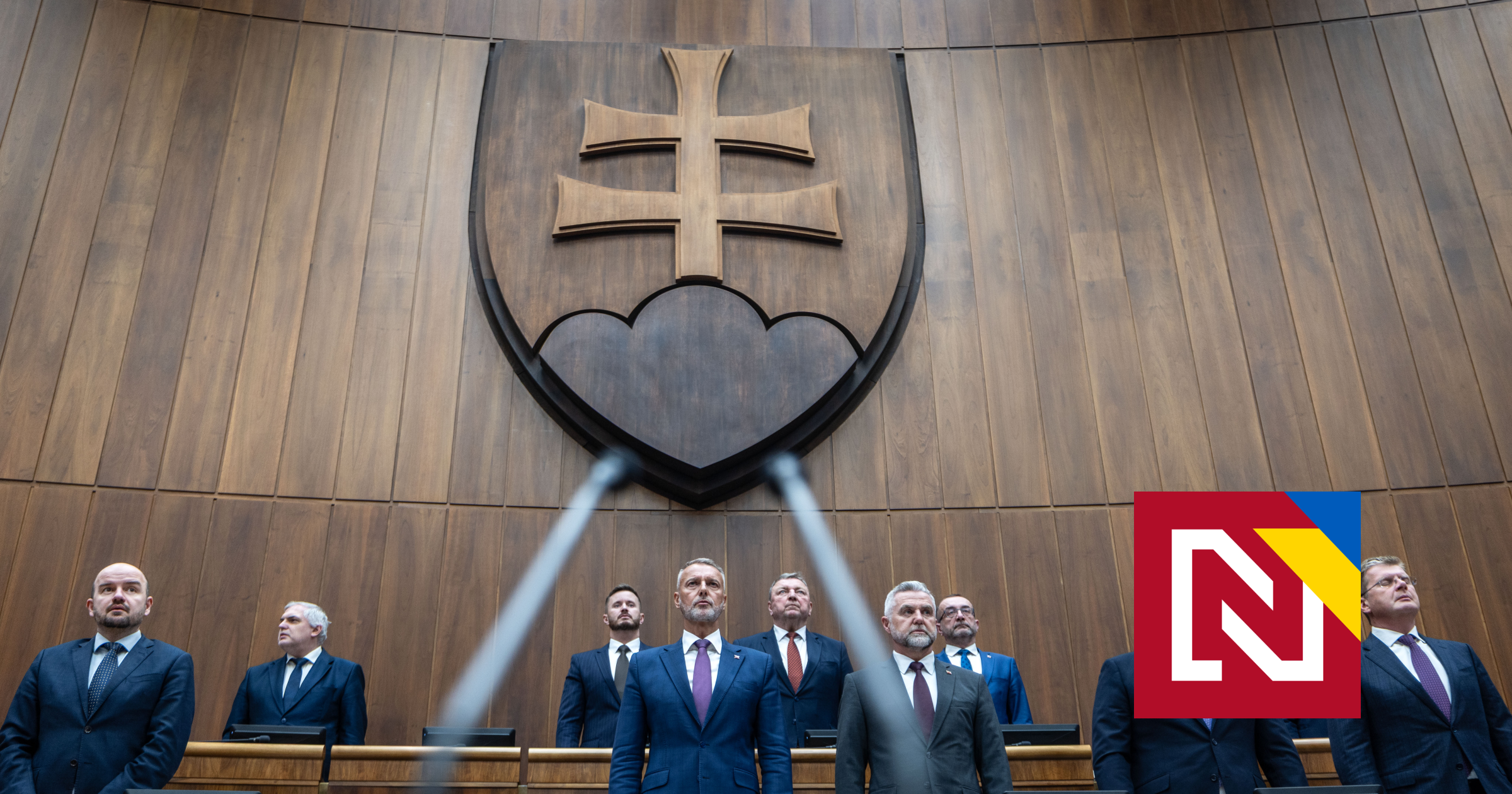
Slovak Parliament to Vote on Removal of Two Deputy Speakers in Tit-for-Tat Motion

Slovakia's parliament will vote on removing two deputy speakers in what appears to be a retaliatory political move. The development follows competing motions between coalition partners, with one party targeting a deputy speaker named Gašpar while another targets Dubéci in response. The SNS (Slovak National Party) and Hlas (Voice), both members of the ruling coalition alongside the dominant Smer-SD party, have not yet clearly stated their positions on their coalition partner's counter-proposal. The mutual targeting of deputy parliamentary positions reflects growing tensions within Slovakia's three-party governing coalition, potentially undermining the stability of the parliamentary leadership structure.

|
Domestic Politics

European Court of Human Rights Rules on COVID-19 Pandemic Restriction Cases from Slovakia

The European Court of Human Rights issued a joint ruling on complaints filed by three Slovak entities regarding pandemic restrictions imposed during COVID-19. The cases involved Denim Retail, a commercial company, Panta Rhei, another commercial firm, and the Baba-Pezinok Ski Club. The European Court of Human Rights, based in Strasbourg, is the continent's highest human rights tribunal and hears cases where individuals or organizations claim their rights under the European Convention on Human Rights have been violated by member states. The ruling addresses challenges to restrictions that were widely implemented across Europe during the pandemic, though the specific details of the court's decision and the nature of the restrictions challenged were not disclosed.

|
Domestic Politics

Opposition MP Files Criminal Complaint Over Police Handling of Prosecutor's Detention

Opposition parliamentarian Veronika Remišová has filed a criminal complaint related to the detention of prosecutor Šúrek in the Kajúcnik case. Remišová stated that the complaint confirms allegations of illegal procedures by the police inspection during the handling of the case. The Kajúcnik case involves a corruption investigation that has drawn significant attention to prosecutorial conduct and police procedures. Remišová, a member of the opposition For the People party, argued that the police inspection's actions violated legal protocols during the prosecutor's detention, though specific details of the alleged violations were not disclosed.

|
Domestic Politics

Parliament to Debate Pension Increase for Those Over 90 in September

Slovakia's National Council, the country's parliament, will postpone discussion of a proposal to increase pensions for citizens over 90 years old until September. The measure was originally scheduled to be debated during the current parliamentary session but has been moved to a later date. The proposal would provide additional pension benefits to Slovakia's oldest retirees, though specific details about the amount of the increase and implementation timeline remain unclear.

|
Domestic Politics

Slovak Courts to Gain Discretion in Issuing Default Judgments for Missed Hearings

Slovak courts will soon have the option, rather than the obligation, to issue default judgments when defendants fail to appear at hearings. The new legislation also introduces similar discretionary powers when plaintiffs are absent from court proceedings. The change gives judges greater flexibility in deciding whether to proceed with default judgments or to reschedule hearings, potentially allowing for more consideration of individual circumstances. This represents a shift from the current system where courts are required to issue automatic judgments in cases of non-appearance, giving the judiciary more discretion in managing court proceedings and ensuring fair access to justice.

|
Domestic Politics

European Commission threatens Slovakia with penalties over withheld LGBT grant funds

The European Commission has threatened Slovakia with sanctions for withholding European Union grant money from Saplinq, an LGBT organization, for more than a year. Officials at the Education Ministry, led by Minister Tomáš Drucker, have reportedly blocked the funds with explanations citing "because it's LGBT" and "orders from the minister." The controversy has created internal tensions within the ministry, with a whistleblowing official facing workplace harassment and her supervisor being forced to leave the organization. The case highlights ongoing tensions between Slovakia's government and EU institutions over LGBT rights and the proper distribution of European funding.

|
Domestic Politics

Slovak Coalition Parties Distance Themselves from Social Democratic Roots

Two parties in Slovakia's ruling coalition that formally identify as social democratic are moving increasingly closer to far-right positions, according to political observers. The parties' behavior during the current parliamentary session demonstrates their diminishing concern for citizens facing economic hardship, marking a significant ideological shift from their stated social democratic values. This development highlights tensions within Slovakia's governing coalition between parties' declared political identities and their actual policy positions and voting patterns.

|
Domestic Politics

Opposition Calls for Education Minister's Resignation Over School Application System Failure

Slovakia's opposition parties are demanding the resignation of Education Minister Tomáš Drucker following the collapse of the electronic school application system known as ePrihlášky. The opposition has criticized what they describe as inadequate testing of the system before its implementation. The ePrihlášky platform is used by parents to apply for their children's admission to schools across Slovakia, making its failure a significant disruption for families during the critical application period. The system's breakdown has highlighted broader concerns about the government's management of digital public services and has given opposition parties ammunition to challenge the competence of the current administration led by the ruling coalition.

|
Domestic Politics

New Allegations Emerge Over Land Deals for Slovak State Hospital Project

Progressive Slovakia, an opposition liberal party, has accused the Slovak government of twice violating the law during the transfer of land parcels for the new state hospital being built in Prešov, eastern Slovakia. The allegations concern a specific plot that was not originally part of the designated hospital complex. The accusations represent the latest controversy surrounding the hospital project, which has been championed by Health Minister Zuzana Dolinková and named after former minister Viliam Kaliňák. The project has faced scrutiny over its funding and implementation since its announcement as part of the government's healthcare infrastructure expansion plans.

|
Domestic Politics

Slovak Opposition to Attempt New Parliamentary Session to Remove Defense Minister Kaliňák

Slovak opposition lawmakers will again attempt to open a parliamentary session aimed at removing Defense Minister Robert Kaliňák from office. The National Council, Slovakia's parliament, is scheduled to begin the day with the motion of no confidence against Kaliňák, followed by a series of committee meetings and press conferences. The opposition has been seeking Kaliňák's removal as part of ongoing political tensions between the ruling coalition and opposition parties over various governance issues.

|
Domestic Politics

Defense Minister Dispute Over Military Equipment Sent to Uganda

A dispute has emerged between Slovak Defense Minister Robert Kaliňák and another official over military equipment sent to Uganda. Kaliňák described the equipment as stripped or gutted machinery, though the exact nature of the disagreement and the specific equipment involved remains unclear. The controversy appears to center on questions about what type of military hardware was provided to the East African nation.

|
Domestic Politics

Slovak Parliament Debates Bill to Expand Probation Officers' Powers in Community Service

The National Council, Slovakia's parliament, ended its session day with debates on proposed amendments to the probation officers law. The legislation would grant probation and mediation officers the authority to order mandatory community service work following court decisions. Currently, such enforcement mechanisms are handled differently within Slovakia's criminal justice system. The proposed changes would streamline the process by allowing these specialized officers to directly implement court-ordered community service sentences, potentially reducing administrative burden on the courts while ensuring more effective supervision of offenders serving alternative sentences to imprisonment.

|
Domestic Politics

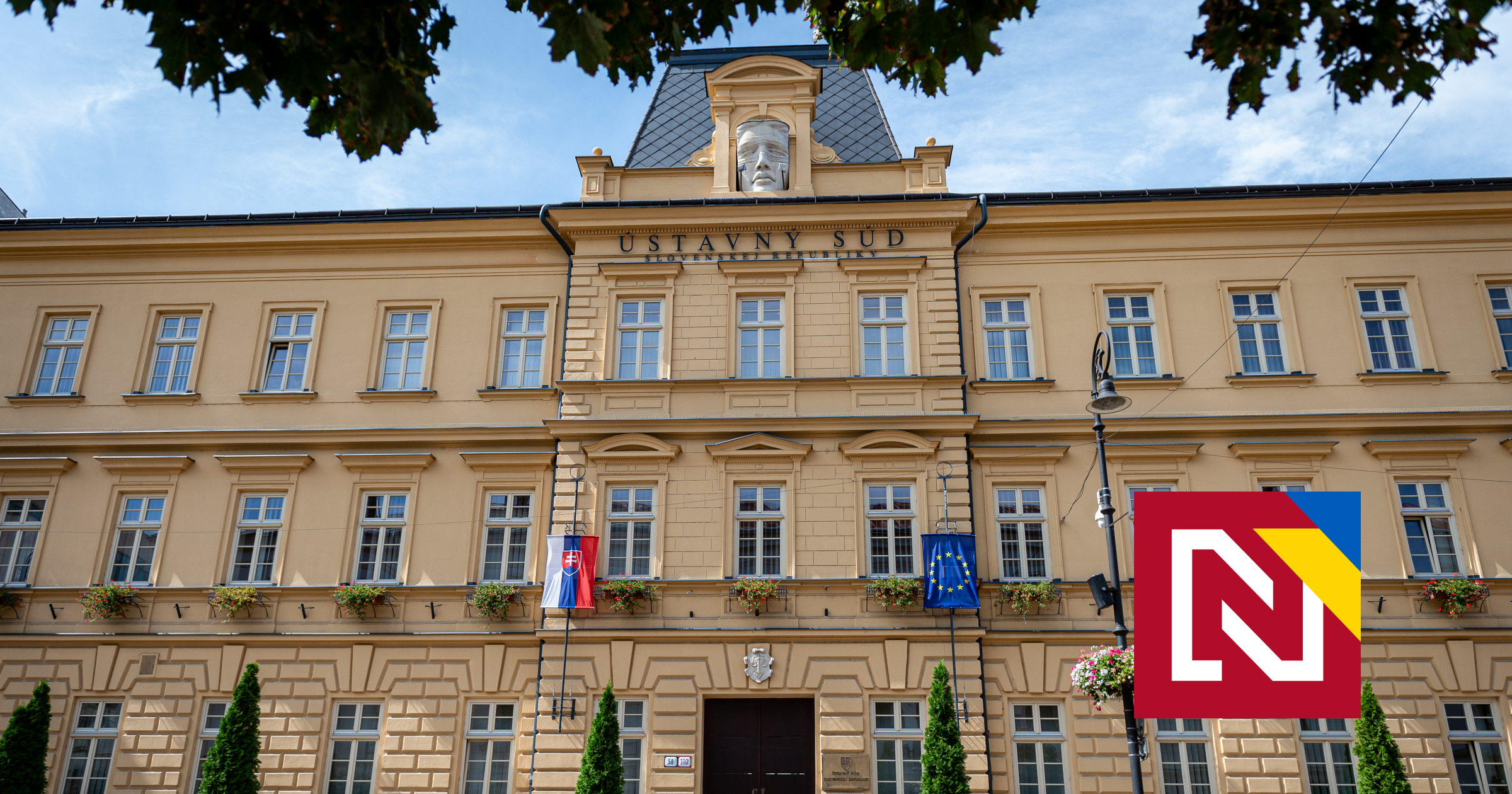
Slovakia's Constitutional Court Judge Selection Process Criticized as Politicized and Dysfunctional

Slovakia's process for selecting Constitutional Court judges has been criticized as heavily politicized and non-functional, requiring urgent reform according to recommendations from the Venice Commission. The Venice Commission, the Council of Europe's advisory body on constitutional matters, has previously issued guidance on improving judicial selection processes to ensure independence and reduce political interference. Slovakia's Constitutional Court, the country's highest constitutional authority responsible for reviewing the constitutionality of laws and protecting fundamental rights, has faced ongoing challenges in maintaining its full complement of judges due to the flawed selection mechanism. The current system allows political parties to block appointments, creating institutional paralysis that undermines the court's ability to function effectively and maintain public confidence in the rule of law.

|
Domestic Politics

Slovakia Restores Independent Review of Major Infrastructure Projects to Secure EU Recovery Funds

Slovakia's parliament has approved legislation requiring the Value for Money Unit (ÚHP) to resume comprehensive assessment of all major state investments, including highways and railways, without exceptions. The proposal came from a Smer-SD lawmaker, marking a reversal of the ruling coalition's 2022 decision to largely exclude the analytical unit from evaluating government projects. The Value for Money Unit, housed within the Finance Ministry, had previously been critical of large government infrastructure initiatives. However, the absence of these independent assessments threatened Slovakia's access to European Union recovery plan funding, forcing the government to restore the unit's oversight role to maintain compliance with EU requirements.

|