Dávka - Your daily dose of Slovak news
Last refreshed: 06/06/2026 21:36 · 34 articles added
Stories are refreshed at 05:30, 10:30, 15:30, and 21:30 UTC.

Domestic Politics

View all2237 stories
Domestic Politics

Progressive Slovakia Leader Campaigns Across Country Amid Questions About Mother's Scandal

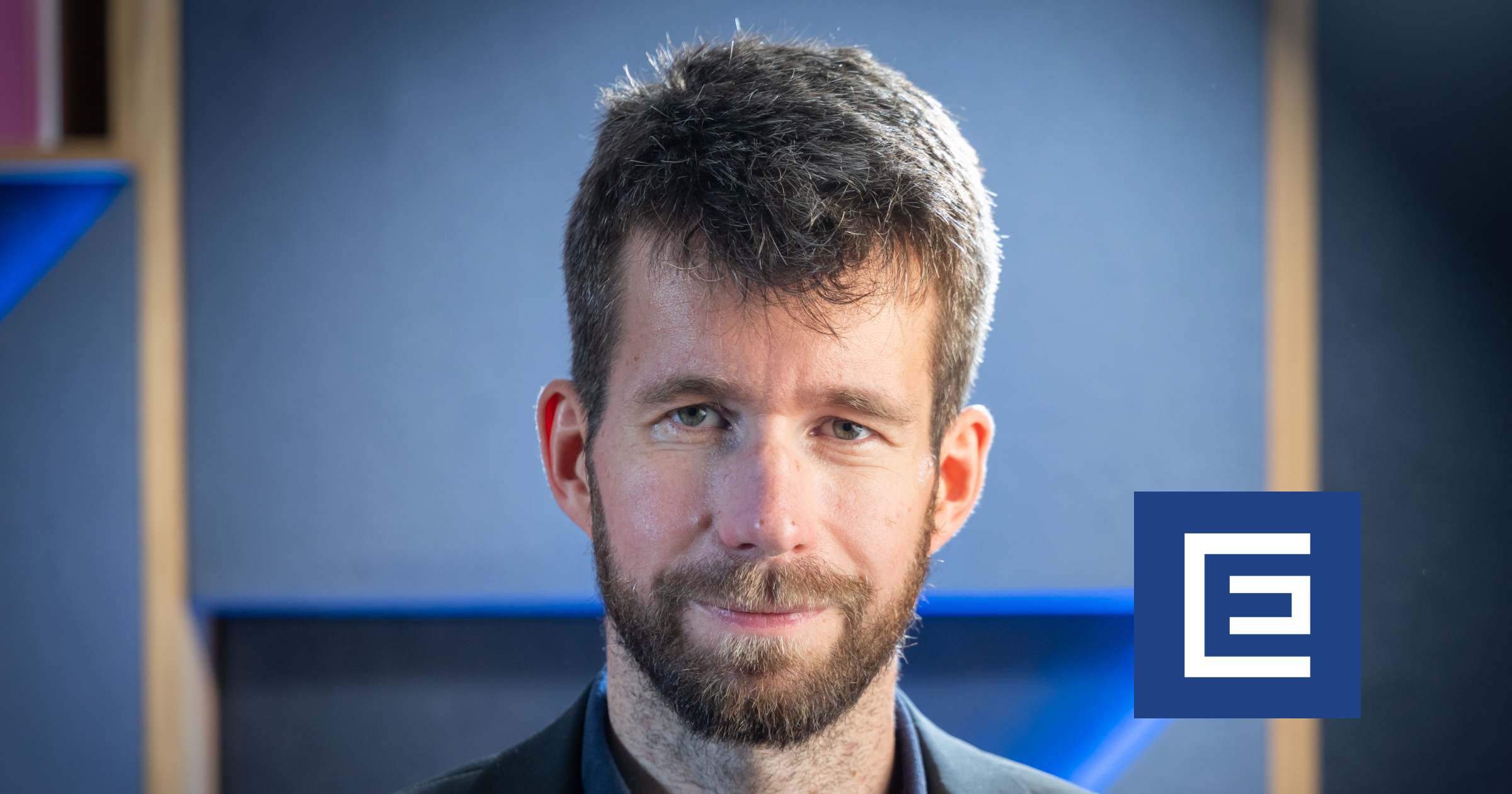
Michal Šimečka, leader of Progressive Slovakia, is conducting a nationwide campaign tour visiting businesses and venues across the country, including smoke-filled pubs, as part of the party's "Tell Me to My Face" regional campaign. The tour comes as Šimečka faces ongoing questions about a scandal involving his mother. Progressive Slovakia is a liberal opposition party that has been critical of the current government led by Robert Fico's Smer-SD party. The campaign appears designed to allow Šimečka to engage directly with voters while addressing controversies surrounding his family.

|
Domestic Politics

Slovak Defense Minister Plans Tank Procurement Before Elections

Slovak Defense Minister Robert Kaliňák plans to order new tanks before the next parliamentary elections, with businessman Jaroslav Strnad reportedly in consideration for the contract. The modernization of Slovakia's tank forces involves a procurement deal worth at least 500 million euros. Kaliňák, who leads the defense portfolio under the ruling Smer-SD party government led by Robert Fico, is moving forward with the military equipment purchase as part of broader efforts to modernize Slovakia's armed forces. The timing of the procurement, ahead of elections scheduled for 2027, adds political significance to the substantial defense contract.

|
Domestic Politics

Two Lawyers Face Court in Slovakia's Corrumpere 2 Corruption Case

Two lawyers arrested during the Corrumpere 2 police operation have appeared in court to face charges of indirect corruption through participation. The case represents the latest development in Slovakia's ongoing efforts to prosecute corruption cases involving legal professionals. The Corrumpere 2 operation was a police investigation targeting alleged corruption networks, with the two defendants now formally charged with participating in indirect corrupt practices.

|
Domestic Politics

Slovak Christian Democrats Propose Social Media Ban for Children Under 16

The Christian Democratic Movement (KDH), a center-right opposition party in Slovakia, has proposed legislation that would prohibit children under 16 years of age from having social media accounts. The proposal places primary responsibility on social media platform operators to enforce the age restrictions. The initiative reflects growing concerns about the impact of social media on children's mental health and development, following similar legislative efforts in other countries to regulate minors' access to digital platforms.

|
Domestic Politics

Slovak Prime Minister Fico Reaches New Low in Support, Criticized for Political Approach

Slovak Prime Minister Robert Fico has reached what critics describe as a new negative record in his political standing, with commentators comparing his current behavior to that of a petulant child. The criticism centers on Fico's continued admiration for Hungarian Prime Minister Viktor Orbán's so-called "sovereign politics" approach. Political observers are questioning whether Fico, who leads the ruling Smer-SD social-democratic party, is prepared to accept the broader consequences of following Orbán's political model, particularly as the Hungarian leader faces increasing isolation both domestically and within European Union circles. The commentary suggests that if Fico intends to continue emulating Orbán's confrontational style toward EU institutions and democratic norms, he should be transparent about the potential ramifications for Slovakia's position in Europe.

|
Domestic Politics

Slovakia's e-Government Portal Upgrade Costs Rise to €136 Million Without Clear Service Improvements

Slovakia's Ministry of Investment and Digitalization plans to spend €136 million on upgrades to the central public administration portal Slovensko.sk, but government analysts remain unclear about what improved services citizens will receive. The Value for Money Unit, which evaluates government spending efficiency, understood the benefits when they assessed a €27 million version of the project last year. However, analysts say they have not seen evidence of what additional services justify the five-fold cost increase to €136 million. The Value for Money Unit is a government body that monitors whether public investments deliver appropriate returns for taxpayers. The Slovensko.sk portal serves as the main digital gateway for citizens to access government services online, making its efficiency crucial for public administration modernization.

|
Domestic Politics

Slovak PM Fico Rejects Coalition Partner's Call to Dismiss Minister Taraba

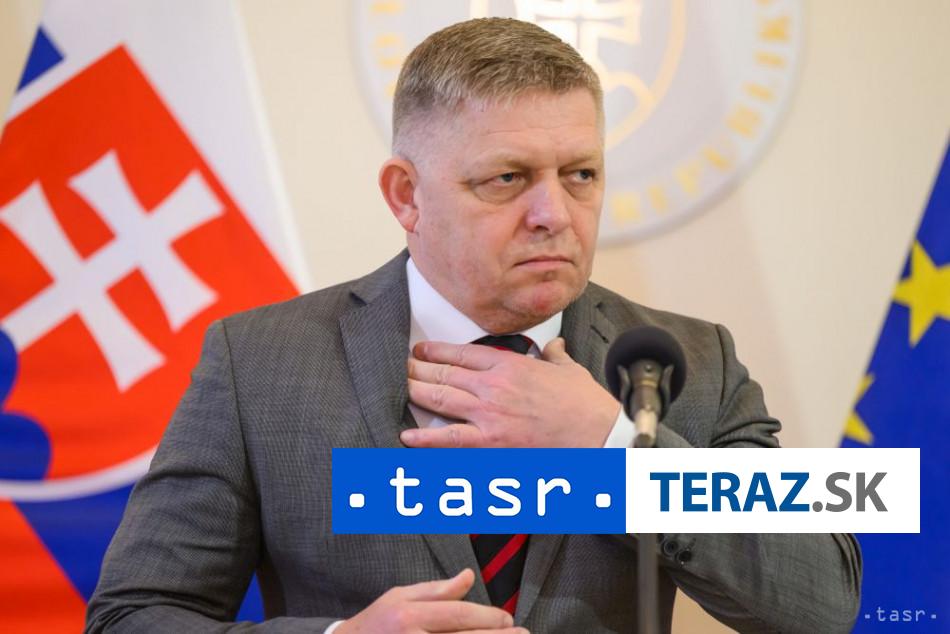
Slovak Prime Minister Robert Fico has rejected a demand from coalition partner Andrej Danko to remove Minister Tomáš Taraba from the government. Fico defended Taraba as a capable minister and stated that no government reshuffle is currently planned. Danko, who leads the Slovak National Party (SNS) and serves as parliament speaker, has been pressuring for Taraba's dismissal, but the prime minister has firmly rejected the proposal. The disagreement highlights potential tensions within Slovakia's ruling coalition, which includes Fico's Smer-SD party, Danko's SNS, and the Hlas party. Despite the internal pressure, Fico appears determined to maintain the current government composition and avoid any ministerial changes at this time.

|
Domestic Politics

Slovak Prime Minister Rules Out Government Reshuffle

Slovak Prime Minister Robert Fico announced he has no plans for a government reshuffle, rejecting suggestions from the Slovak National Party (SNS). Fico stated he sees no reason to consider the SNS proposal and defended current ministers, describing Minister Taraba as competent. The Slovak National Party is a nationalist party that forms part of Fico's ruling coalition government alongside his social-democratic Smer-SD party. Government reshuffles have been a recurring topic in Slovak politics as coalition partners often seek to replace ministers to strengthen their political positions or address policy disagreements.

|
Domestic Politics

Public Procurement Office Has Not Yet Received Complaints About Prešov Hospital

The Public Procurement Office, which oversees government contracting processes in Slovakia, has not yet received any formal complaints regarding procurement procedures at the Prešov hospital. Two opposition parties, the Christian Democratic Movement (KDH) and the Democrats, had previously announced they would file complaints with the office concerning the hospital's procurement practices. The Public Procurement Office monitors compliance with laws governing how public institutions purchase goods and services, and can investigate potential violations when complaints are submitted.

|
Domestic Politics

Seven defendants acquitted in controversial Dunajská Streda monument case

A Slovak court has acquitted seven defendants in a case involving the construction and unveiling of a controversial memorial in Dunajská Streda. The case centered on the Monument of Solidarity, a stylized tower structure with a flagpole that was erected in a public space in the southern Slovak town on November 12, 2020. Dunajská Streda is located in an ethnically mixed region with a significant Hungarian minority, and the monument's construction had sparked public debate about its symbolism and the circumstances surrounding its installation.

|
Domestic Politics

Slovak Government Not Planning Balanced Budget or Debt Brake Changes

Slovak Prime Minister Robert Fico announced Thursday that his government has no plans to pursue a balanced budget or modify the country's debt brake mechanism. The statement came during a press conference by Fico, who leads the ruling Smer-SD party. Slovakia's debt brake is a fiscal rule designed to limit government borrowing and maintain fiscal discipline, typically requiring budget deficits to remain within specific thresholds relative to GDP. The announcement suggests the government will continue operating with budget deficits rather than pursuing fiscal balance in the near term.

|
Domestic Politics

Slovak Government Minister Under Scrutiny Over Luxury Vacations While Living in Social Housing

A Slovak government minister is facing criticism for taking expensive holidays while reportedly living in subsidized social housing. The controversy has drawn public attention to potential conflicts between the minister's lifestyle and their housing arrangements designed for low-income citizens. Prime Minister Andrej Babiš has defended the minister amid the growing scrutiny. The case highlights ongoing debates about public officials' conduct and the appropriate use of social housing programs in Slovakia.

|
Domestic Politics

STVR Accused of Serving Government Interests

Slovakia's public broadcaster STVR is facing criticism for allegedly acting as a servant to the ruling government. Critics claim the broadcaster's management deliberately allows politicians to treat programming as their personal property. The accusations suggest STVR has compromised its editorial independence by giving ruling party officials excessive influence over its content and programming decisions. STVR is Slovakia's state-funded public television and radio service, which is supposed to maintain journalistic independence from political interference under media law. The controversy highlights ongoing concerns about media freedom in Slovakia, where critics have long argued that public broadcasters face political pressure from whichever party controls the government.

|
Domestic Politics

Slovak Court Rules on Controversial Monument in Dunajská Streda

A Slovak court has issued a ruling in the case of the Monument of Belonging in Dunajská Streda, a structure that has sparked controversy due to its visual similarity to monuments from the era of Horthy's Hungarian Kingdom. The legal proceedings centered on whether the monument could be classified as extremist in nature. Dunajská Streda is located in southern Slovakia, a region with a significant ethnic Hungarian minority, making the monument's historical references particularly sensitive given the complex history between Slovakia and Hungary during the interwar period when Admiral Miklós Horthy ruled Hungary.

|
Domestic Politics

Supreme Court upholds acquittal of businessman Sisák in EU funds case

Slovakia's Supreme Court has confirmed the acquittal of businessman Sisák in a case involving the misuse of European Union funds. The verdict of innocence remains in effect following the highest court's decision. The Supreme Court, Slovakia's highest judicial authority, serves as the final appellate court for criminal cases and its ruling cannot be further appealed. EU funds cases typically involve allegations of fraud or misappropriation of development money provided by the European Union to Slovakia for various projects and programs.

|
Domestic Politics

1946 Elections in Slovakia Featured Communist-Catholic Competition and Violent Rallies

On May 19, 1946, approximately 30,000 people gathered in central Žilina for a Democratic Party rally led by party founder and Deputy Prime Minister Ján Ursíny, one week before crucial parliamentary elections. The demonstration on the main square was disrupted when communist sympathizers threw leaflets from nearby rooftops and clashed with attendees. The 1946 elections marked a pivotal moment in post-war Czechoslovak politics, as communist parties actively courted Catholic voters while political rallies frequently ended in violent confrontations between opposing factions. These elections would prove decisive in shaping the political direction of post-war Czechoslovakia, with the Democratic Party and communist forces competing for control in a deeply polarized society still recovering from World War II.

|
Domestic Politics

Constitutional Court Rules Owners of Disconnected Apartments Don't Have to Pay Fixed Heating Fees

Slovakia's Constitutional Court ruled on May 6 that apartment owners who are not connected to central heating systems do not have to pay fixed fees for communal heating costs. The court declared that part of the Economy Ministry's regulation on heating cost allocation is unconstitutional. The ruling affects property owners who have disconnected from central heating and use alternative heating methods, such as their own boilers. Property managers are now uncertain about how to calculate housing costs for 2025 following the decision. The Constitutional Court, Slovakia's highest authority on constitutional matters, determined that requiring disconnected apartment owners to contribute to shared heating expenses violates constitutional principles.

|
Domestic Politics

Interior Minister Šutaj Eštok Undergoes Surgery in Bratislava Hospital

Slovak Interior Minister Matúš Šutaj Eštok underwent surgery at a hospital in Bratislava, with his ministry confirming his hospitalization. The minister has completed the operation and is currently recovering. No details were provided about the nature of the medical procedure or the minister's current condition.

|
Domestic Politics

Opposition Leader Šimečka Takes Campaign to Slovak Pubs Amid Family Corruption Controversy

Michal Šimečka, leader of the opposition Progressive Slovakia party, has launched a campaign tour taking him from Bratislava studios to pubs across Slovakia as he seeks to connect with voters outside the capital. The tour comes as Šimečka faces political pressure over a corruption investigation involving his mother, a controversy that has dominated recent political discourse. During pub visits, Šimečka and his supporters are working to convince voters that the family scandal will not derail his political leadership or the party's opposition activities. Progressive Slovakia is the largest opposition party in parliament, positioning itself as a pro-European liberal alternative to the ruling coalition led by Robert Fico's Smer-SD party. The pub campaign represents an effort to broaden the party's appeal beyond its traditional urban, educated base to reach voters in smaller towns and rural areas.

|
Domestic Politics

Slovak Commentary Examines Political Extremism and Public Perceptions

A Slovak media commentary has explored the perceived differences between far-left and far-right extremism, questioning why left-wing extremists may be viewed as more acceptable neighbors than fascists. The piece examines what it describes as an asymmetry in how different forms of political extremism are perceived by the public. The commentary appears to challenge conventional assumptions about political radicalism and social tolerance, suggesting that far-left ideology may pose greater dangers than right-wing extremism despite public attitudes that seem more tolerant of leftist positions.

|