Dávka - Your daily dose of Slovak news
Last refreshed: 06/06/2026 10:36 · 51 articles added
Stories are refreshed at 05:30, 10:30, 15:30, and 21:30 UTC.

Culture

View all1356 stories
Culture

Czech Culture Museum reconstruction to be completed by March 2027

The reconstruction of the Czech Culture Museum is scheduled for completion by the end of March 2027, according to a contract signed between the Slovak National Museum and a contractor selected through public procurement. The Slovak National Museum, which operates multiple cultural institutions across Slovakia, awarded the reconstruction project following a competitive bidding process. The Czech Culture Museum preserves and showcases the heritage of Slovakia's Czech minority community, which has maintained a distinct cultural presence in the country since historical migrations and political developments in the region.
|
Culture

Slovak Film Series Loses 190,000 Euro Funding After Audiovisual Fund Board Decision

The Slovak Audiovisual Fund Board denied 190,000 euros in funding for the continuation of the television series "Neuer," despite initial expectations that the project would receive the money. The series' director claims the decision represents personal revenge rather than a legitimate policy matter, alleging that the Audiovisual Fund Board acts arbitrarily and has the power to destroy Slovak projects with a single vote. According to the creators, the funding denial stems from a personal conflict rather than political motivations, and the director has requested access to records from the board's deliberations. The Slovak Audiovisual Fund is the country's main public institution responsible for supporting domestic film and television production through government funding.

|
Culture

LGBTQ+ People Under Pressure Due to Attacks on Cultural Freedom, Says Záhrada Theater Director

The director of Záhrada theater has stated that LGBTQ+ individuals face increased pressure because broader cultural freedoms are under attack in Slovakia. Zvada, who has led the alternative theater space, said his childhood fascination with freedom of expression shaped his perspective on the current challenges facing both the LGBTQ+ community and cultural institutions. Záhrada theater operates as an independent cultural venue in Bratislava, known for promoting diverse artistic expression and progressive social themes.

|
Culture

Cultural Work 'Pansláv' Explores Historical Romance and Romantic History

A new cultural work titled 'Pansláv' navigates the boundary between historical romanticism and romanticized history. The production explores themes related to Pan-Slavism, the 19th-century political and cultural movement that promoted unity among Slavic peoples across Central and Eastern Europe. The work appears to examine how historical narratives can be both romantically portrayed and contain inherent romantic elements, suggesting a complex treatment of Slavic cultural and political heritage.

|
Culture

Vladimír Rusó, Pioneer of Early Music and Beloved Bratislava Street Performer, Dies

Vladimír Rusó, a renowned street musician and pioneer of early music in Slovakia, has died. Known as the "troubadour of Michalská Street," Rusó was a familiar figure in Bratislava's historic Old Town, where he regularly performed for locals and tourists alike. Rusó was recognized for his contributions to reviving and promoting historical musical traditions in Slovakia, helping to preserve and popularize early music forms that might otherwise have been forgotten. His performances on Michalská Street, one of Bratislava's main pedestrian thoroughfares in the city center, made him a beloved cultural figure who became part of the city's artistic heritage.

|
Culture

Opera Singer Pavol Dvorský Dies at Age 71

Opera singer and baritone Pavol Dvorský died at the age of 71. Dvorský was a longtime soloist at the State Opera in Banská Bystrica and a member of the opera chorus at the Slovak National Theatre in Bratislava. He was the brother of renowned tenor Peter Dvorský, one of Slovakia's most internationally celebrated opera singers who performed at major opera houses worldwide including the Metropolitan Opera in New York and La Scala in Milan.

Culture

Slovak Expert Discusses Reading as Path to Deeper Reflection in Turbulent Times

Silvia Hroncová, a Slovak cultural figure, has shared her perspective on reading as a form of intimate exploration that allows for deeper contemplation. She combines books about theater, politics, and history into what she describes as a personal compass for navigating today's turbulent times. Hroncová also discussed her reading rituals and recommended selections for readers seeking inspiration during uncertain periods.

|
Culture

Slovak Banker Andrej Zaťko Champions Arts Patronage as Model for Wealthy Citizens

Andrej Zaťko, a Slovak banker originally from Piešťany, has become a prominent supporter of Slovak artists, advocating for greater philanthropy among the country's wealthy elite. Despite his parents' expectations that he would work as a receptionist at the local spa resort, Zaťko built a successful banking career that enabled him to provide long-term support to Slovak artists and cultural projects. He argues that patron clubs are common worldwide but remain disappointingly rare in Slovakia, and believes successful individuals should be open about their charitable activities rather than hiding their philanthropic efforts. Zaťko's story was featured in a podcast series called "Bod k dobru" (Point for Good), which profiles Slovak philanthropists and aims to break down taboos surrounding philanthropy in the country.

|
Culture

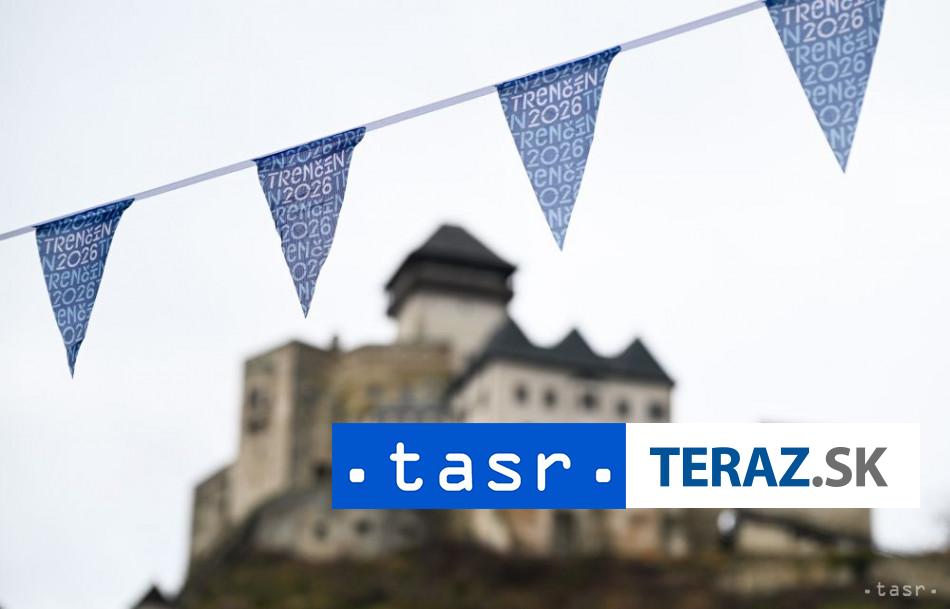
Exhibition of Young Serbian Artists to Open at Trenčín Castle

An exhibition featuring young Serbian artists will open at Trenčín Castle in western Slovakia. The exhibition is being organized by the Trenčín Self-Governing Region, the Association of Serbs in Slovakia, the Pro Patria Foundation, and the Cyrilometodiada civic association. The cultural event represents a collaboration between Slovak regional authorities and Serbian cultural organizations to showcase contemporary Serbian artistic talent at one of Slovakia's historic castle sites.

|
Culture

Daily Editorial Cartoon: Pike in Shallow Waters

Slovak newspaper SME published an editorial cartoon by illustrator Mikuláš Sliacky titled 'Pike in Shallow Waters.' The cartoon appears to be a political commentary, though the specific subject matter or target of the satirical illustration was not detailed in the brief publication notice.

|
Culture

Teacher Creates Gallery After School Arts Program Closure

A teacher and visual artist has established a new gallery in response to what he describes as declining cultural refinement in society. The educator decided to pursue his long-held dream of creating the gallery space after his school eliminated its arts program. The initiative represents his personal effort to promote cultural education and artistic appreciation in the community following the institutional setback to arts education.

|
Culture

Regional Government Completes Key Phase of Creative Center Factory Renovation

A Slovak regional government has finished a crucial renovation phase of the Factory creative center, completing reconstruction work on the building's third and fourth floors. The project modernized artist studios, multipurpose spaces, and upgraded the facility's security systems. The Factory serves as a cultural hub providing workspace and facilities for creative professionals and artists in the region.

|
Culture

LEGO Fans Launch Hockey World Championship Podcast Series

A new podcast called Brickmic has launched, offering coverage of the Ice Hockey World Championship through the unique perspective of LEGO enthusiasts. The podcast's inaugural episode focuses on the Denmark versus Slovakia matchup at the tournament. The show represents a creative intersection between sports broadcasting and the popular building block hobby, targeting fans who share interests in both hockey and LEGO collecting.

|
Culture

Slovak Culture Minister Skips Cannes Film Festival Official Program

Slovakia's Culture Minister Martina Šimkovičová did not participate in the official program at the Cannes Film Festival, according to reports. The minister's absence occurred during the prestigious international film festival, where a winner of the Palme d'Or, the festival's highest honor, discussed the risks of filming about Norwegian social services and noted a lack of empathy on both sides of social issues. Šimkovičová, who has been a controversial figure since taking office as part of the ruling coalition government, represents a ministry responsible for promoting Slovak culture and arts internationally.

|
Culture

Commentary: Most Atrocities Committed by Ordinary People, Not Monsters

In a commentary piece, writer Mariana Čengel Solčanská argues that true monsters are rare, and that most atrocities throughout history have been committed by ordinary people like ourselves. The commentary appears to address the human capacity for evil and the importance of maintaining sensitivity and awareness about such tendencies in society.

|
Culture

Slovak Columnist Reflects on Human Nature and Atrocities

Slovak writer Mariana Čengel Solčanská published a commentary examining the nature of human cruelty, arguing that true monsters are rare and that most atrocities throughout history have been committed by ordinary people. The piece, titled "It's Proper to Look Sensitive," reflects on the capacity for evil within everyday individuals rather than attributing such acts to exceptional cases of monstrosity.

|
Culture

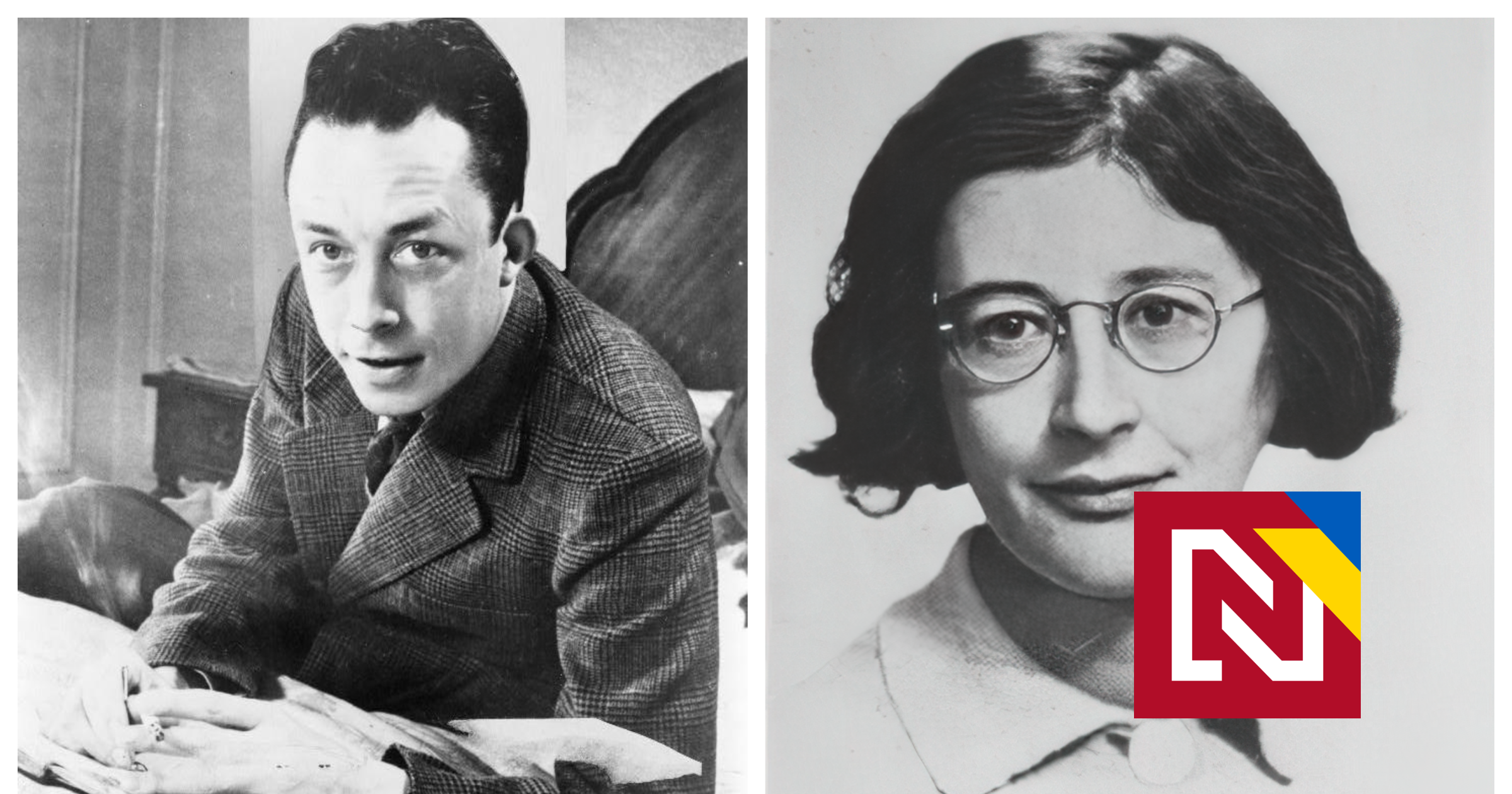
Sunday Reflection: Some Dead Are Closer to Us Than Many Who Live

A Slovak columnist reflects on the profound influence of French philosophers Albert Camus and Simone Weil across different stages of life. The writer describes how Camus served as a guide during adolescent rebellion against God when the world seemed absurd, while later in life, Simone Weil became a spiritual companion after finding meaning in Christ and suffering. The author notes the unexpected spiritual kinship between these two seemingly different thinkers, observing that some deceased figures can feel more present and meaningful than many living people.

|
Culture

Polish Journalist Recalls Martial Law Era in New Podcast Interview

Polish-Slovak journalist Malgorzata Wojcieszynska shared her memories of Poland's martial law period in a recent podcast, describing how everything was rationed and curfews were imposed during the state of emergency. Wojcieszynska, a prominent figure in Polish-Slovak cultural relations, lived through the former communist regime and the revolutionary changes of the late 1980s. She moved to Bratislava after Slovakia's Velvet Revolution in 1989 to join her partner Stan, an experience she credits with teaching her true patriotism. Today she serves as editor of Monitor Polonyjny magazine, works as a moderator, and writes song lyrics while remaining active in cultural exchanges between Poland and Slovakia.

|