Dávka - Your daily dose of Slovak news
Last refreshed: 08/06/2026 21:38 · 54 articles added
Stories are refreshed at 05:30, 10:30, 15:30, and 21:30 UTC.

Economy

View all1482 stories
Economy

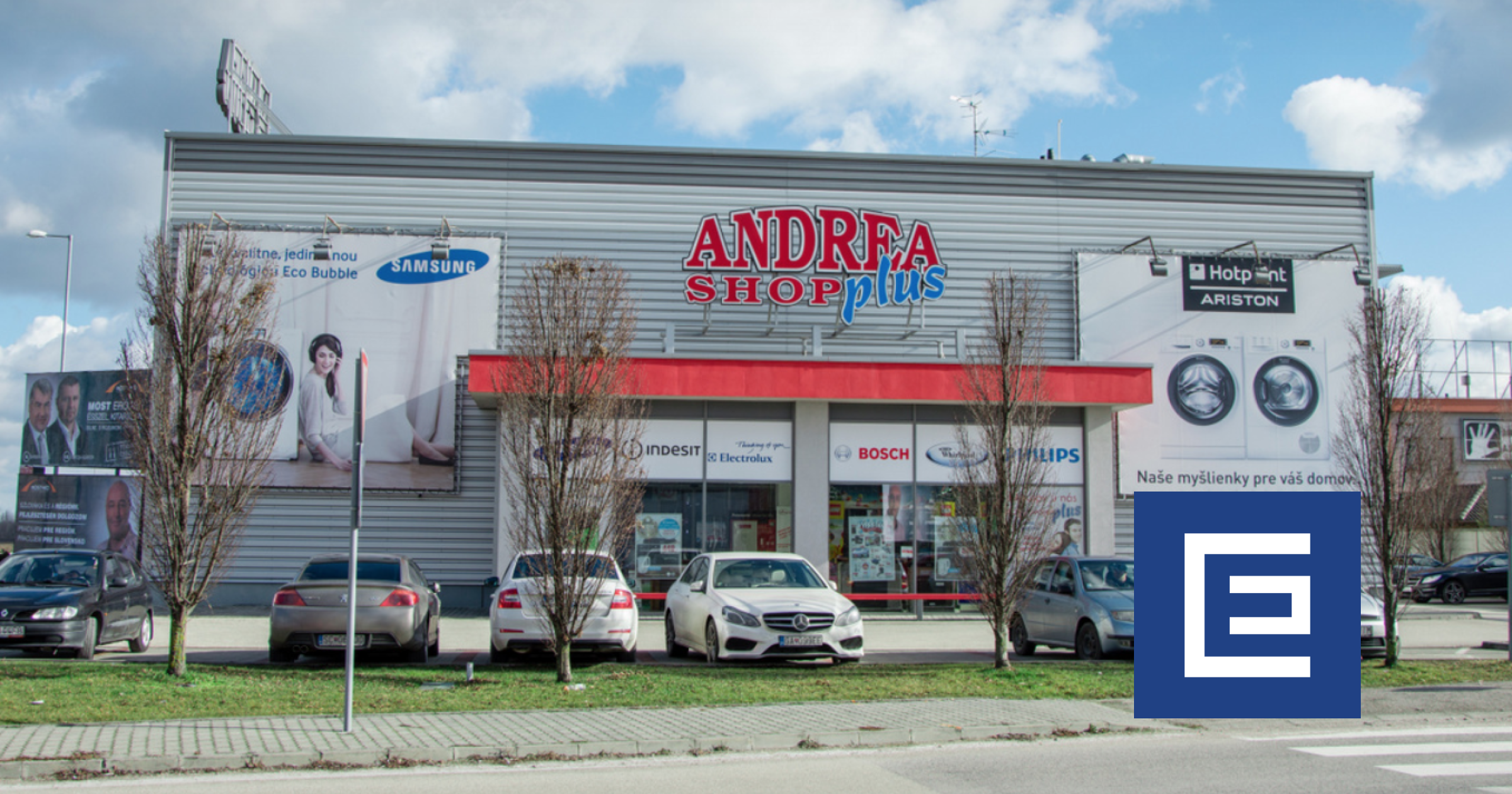
Slovak electronics retailer Andrea Shop files for bankruptcy after debt restructuring fails

Andrea Shop, one of Slovakia's oldest and most prominent online electronics retailers, has filed for bankruptcy after failing to manage its debt restructuring plan. The company had appeared to be on track for recovery earlier this summer when creditors approved its debt relief proposal. However, the retailer ultimately could not sustain the restructuring process and has now initiated bankruptcy proceedings. The company had generated annual revenues of up to 50 million euros and employed 140 people at its peak, making it a significant player in Slovakia's e-commerce sector before its financial difficulties emerged.

|
Economy

Slovak industrialists call holiday pay surcharge elimination a consolidation mistake

Slovak industrial representatives have criticized the government's plan to eliminate premium pay for employees working on cancelled public holidays, calling it an error in the country's fiscal consolidation package. The National Council, Slovakia's parliament, has until its April session to reverse the measure, which would remove the legal requirement for employers to pay higher wages to workers who work on days that were previously designated as public holidays. The criticism comes as Slovakia pursues broader economic reforms aimed at reducing the budget deficit, but business groups argue this particular measure could harm worker compensation and labor relations.

|
Economy

Germans Are Not Lazy, There's a Reason They Work Less Hours

A Slovak commentary challenges stereotypes about German work habits, arguing that Germans are not lazy despite working fewer hours than some other nations. The article suggests there are legitimate reasons behind Germany's shorter working hours and calls on the Slovak government to find ways to reduce the financial burden on labor. The discussion comes amid broader debates about work-life balance and labor policy across Europe.

|
Economy

German Chemical Industry Warns of Logistics Disruption Risk

German chemical companies are raising concerns about potential disruptions to logistics networks that could further impact the sector. The warnings come as Europe has already shuttered approximately 10% of its chemical production capacity over the past four years. The capacity reductions reflect ongoing challenges facing Europe's chemical industry, including energy costs, regulatory pressures, and competitive disadvantages compared to other global regions. Any additional logistics disruptions could compound existing difficulties for manufacturers in maintaining operations and supply chains across the continent.

|
Economy

State Auditors Warn 40% of Regional Bridges in Poor Condition as Counties Lack Maintenance Funds

Nearly 40 percent of bridges managed by Slovakia's regional governments are in very poor condition, according to a new report from the Supreme Audit Office (NKÚ), the country's state auditing authority. The audit found that counties can only maintain the existing state of regional roads while bridge conditions continue to deteriorate, with almost every second regional bridge now in poor technical condition. The Supreme Audit Office has recommended that regional governments increase cooperation with each other in road maintenance and repair efforts. Slovakia's regional road network includes secondary and tertiary roads managed by the country's eight regional governments, which have struggled with insufficient funding for infrastructure maintenance in recent years.

|
Economy

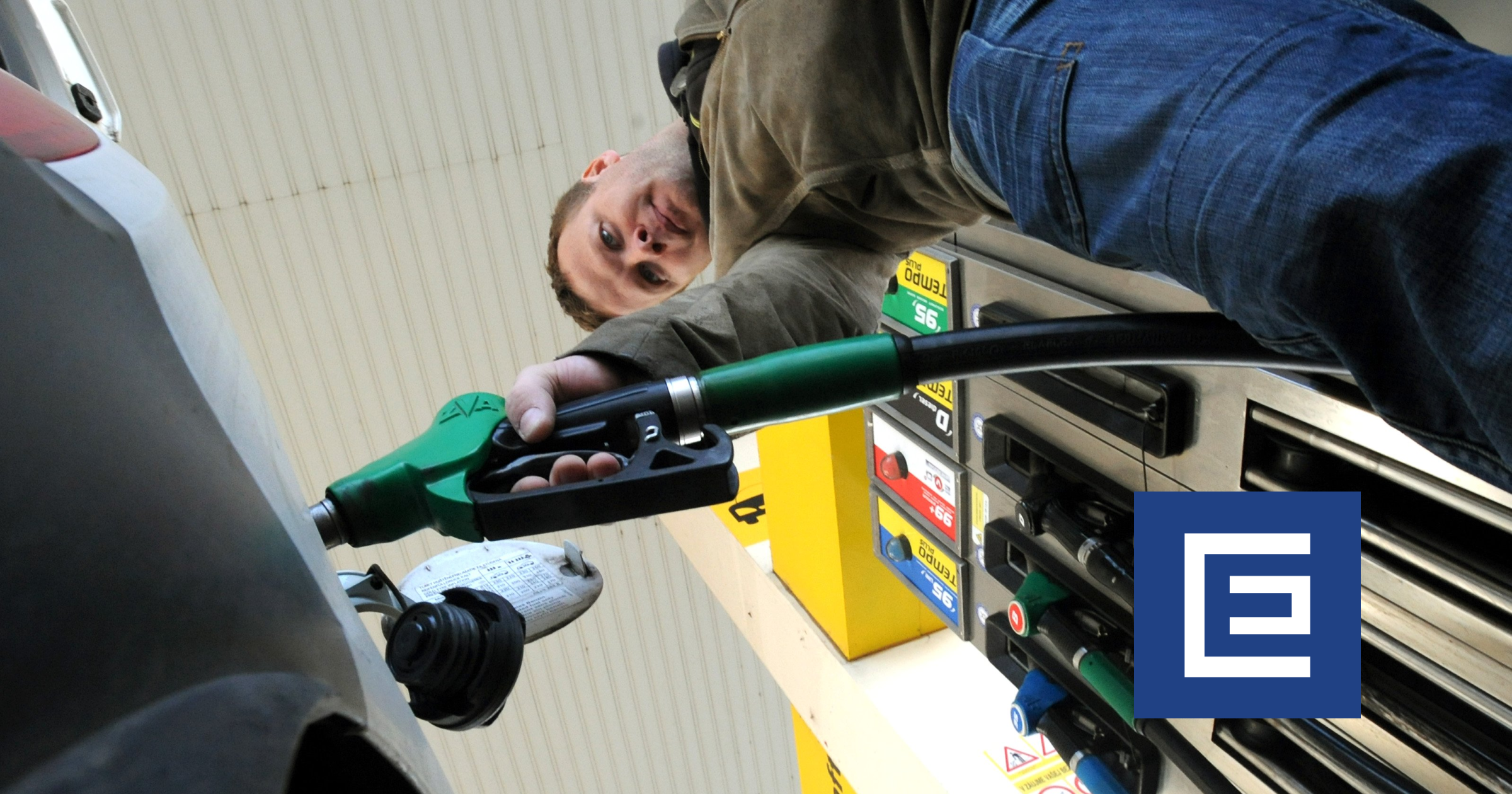
Slovak Drivers Stock Up on Fuel Containers as Rising Oil Prices Drive Panic Buying

Slovak consumers are increasingly purchasing fuel containers as they prepare to stockpile gasoline and diesel ahead of expected price increases, according to data from online price comparison platforms. The anticipated fuel price hikes are linked to the ongoing war in Iran, which is driving up global oil prices. While fuel prices in Slovakia have been rising more slowly than in neighboring countries, experts predict significant increases in the coming weeks. The trend toward panic buying reflects consumer concerns about affordability and availability as geopolitical tensions continue to affect global energy markets.

|
Economy

Gas Station Owner Questions Why Slovnaft Keeps Fuel Prices Low to Help Government

A gas station owner has questioned the motivations behind Slovnaft's decision to maintain lower fuel prices, suggesting the state-controlled oil company may be helping the government keep energy costs down. Peter Kadlec, speaking in an interview, said he can only speculate about Slovnaft's pricing strategy but assumes the company expects government assistance in return. Slovnaft is Slovakia's largest oil refiner and is majority-owned by Hungarian energy giant MOL, though the Slovak state retains significant influence through its shareholding structure. The comments come amid broader discussions about energy prices in Slovakia, where fuel costs have been a politically sensitive issue affecting household budgets and government popularity.

|
Economy

Fuel Prices Expected to Rise by 2 to 7 Cents Next Week

Fuel prices in Slovakia are expected to increase by 2 to 7 cents per liter next week, according to market projections. The price stability that Slovak consumers have experienced has been indirectly subsidized by significantly higher diesel prices in the neighboring Czech Republic. Czech drivers are paying substantially more for diesel fuel, which has helped maintain relatively stable pricing across the border in Slovakia through regional market dynamics.

|
Economy

Fuel Prices Rise in Slovakia as Gas Stations Urge Drivers Not to Panic

Fuel prices for gasoline and diesel are increasing across Slovakia, prompting gas stations to reassure motorists that supplies remain adequate. Service stations are advising drivers against panic buying, emphasizing they have sufficient fuel stocks available. Experts warn that panic and mass hoarding of fuel would be counterproductive and could exacerbate supply concerns unnecessarily.

|
Economy

Slovakia's Energy Regulator Proposes Changes to Electricity and Gas Markets

Slovakia's energy market regulator has announced proposed changes to the country's electricity and gas markets. The Office for Regulation of Network Industries, which oversees energy pricing and market operations in Slovakia, has opened a public consultation period allowing industry experts and stakeholders to submit comments on the proposed reforms until March 24. The regulator plays a crucial role in setting energy prices and ensuring fair market competition in Slovakia's liberalized energy sector, which was restructured following EU directives to create competitive markets across member states.

|
Economy

Slovak Insurance Sector Paid Over 122 Million Euros in Insurance Tax Last Year

Slovakia's insurance industry contributed more than 122 million euros in insurance tax to state coffers in 2023, according to sector data. Non-life insurance segments accounted for the largest portion of the tax payments collected by the government. The insurance tax is levied on premiums paid by policyholders across various insurance products, representing a significant revenue stream for Slovakia's public finances from the financial services sector.

|
Economy

Slovak Drivers Overpaid 4.5 Million Euros Through Unofficial Highway Vignette Websites

Slovak motorists overpaid more than 4.5 million euros in 2024 by purchasing highway vignettes through unofficial third-party websites rather than official channels. These unauthorized platforms sold over one million vignettes throughout the year, with drivers unknowingly paying hidden fees and inflated prices on top of the standard rates. The National Highway Company (NDS), which manages Slovakia's highway system and official vignette sales, has issued warnings about these deceptive practices. Ten-day vignettes proved most popular among buyers, with nearly 560,000 sold through these unofficial channels. The highway vignette system requires all vehicles using Slovakia's highways to display valid toll stickers, with official sales conducted through designated outlets and the NDS website at standard government-set prices.

|
Economy

Slovak retail alliance warns state consolidation measures may reduce domestic consumption

The Alliance of Modern Trade warned that consumer demand in Slovakia could weaken as a result of government consolidation measures. The retail industry group estimates that state fiscal reforms will reduce household disposable income by approximately 800 million euros, potentially leading to decreased consumption of Slovak-produced goods. The warning highlights concerns about the economic impact of the government's budget consolidation efforts on domestic spending and local production.

|
Economy

Slovakia's February inflation slows to 3.7% despite sharp rise in energy and housing costs

Slovakia's annual inflation rate decelerated to 3.7 percent in February, down from previous months, according to official data. However, the overall decline masked significant increases in essential services, with heating costs surging 27.5 percent and natural gas prices rising 6.7 percent year-over-year. Housing and energy expenses drove much of the remaining inflationary pressure despite the broader slowdown. The mixed inflation picture reflects ongoing volatility in energy markets, which continue to impact household budgets even as other price pressures have begun to ease across the economy.

|
Economy

Pohronská Regional Brand Expands Its Membership Base

The Association of Pohronská Regional Brand holders is set to expand its membership once again. The organization currently maintains a registry of 41 holders of this regional certification mark, which promotes local products and services in Slovakia's Pohronská region. Regional brands in Slovakia serve to authenticate and promote locally-produced goods, helping to support rural economies and preserve traditional crafts and agricultural practices while providing consumers with verified regional products.

|
Economy

Environment Ministry Considers Mobile Wastewater Treatment Plant for Bukóza in Nižný Hrabovec

Slovakia's Environment Ministry is considering establishing a mobile wastewater treatment facility for the Bukóza industrial complex in Nižný Hrabovec, a town in eastern Slovakia. The proposal comes as an extraordinary situation affecting the facility has persisted for nearly a year. Bukóza, a major chemical manufacturing plant, has been operating under special circumstances that have created ongoing environmental and operational challenges requiring urgent wastewater management solutions.

|
Economy

Slovak Aluminum Plant Chief Criticizes Import Strategy After Domestic Production Cuts

The head of Slovalco aluminum smelter, Veselý, criticized Slovakia's approach to decarbonization, arguing that reducing domestic aluminum production has led to importing aluminum with a much higher carbon footprint. The executive pointed out that the average carbon footprint of aluminum production in China is approximately 16.5 tons of CO₂ per ton of aluminum, compared to roughly four tons per ton that Slovalco achieved. The statement highlights concerns about the environmental effectiveness of Slovakia's industrial policy, suggesting that efforts to reduce domestic emissions may be counterproductive if they simply shift production to countries with higher carbon intensities. Slovalco is one of Slovakia's major industrial facilities and a significant aluminum producer in Central Europe.

|
Economy

Slovakia's inflation rate slows to 3.7 percent in February

Slovakia's inflation rate decelerated to 3.7 percent in February, marking a continued slowdown in the pace of price increases across the economy. The Statistical Office of the Slovak Republic released the monthly consumer price data, showing that inflationary pressures have eased compared to previous months. The decline in inflation reflects broader economic trends affecting prices of goods and services throughout the country, providing some relief to consumers who have faced rising costs in recent periods.

|
Economy

Food Delivery Couriers Plan Strike Against Wolt and Bolt Over Pay Conditions

Food delivery couriers in Slovakia are planning a joint strike against two major delivery platforms, Wolt and Bolt, potentially disrupting meal delivery services. The couriers claim they are being exploited under current working conditions and are demanding higher compensation for food delivery services. The strike affects two of the three major food delivery services operating in the country, as workers organize to protest what they describe as disadvantageous terms that fail to provide adequate payment for their work.

|